
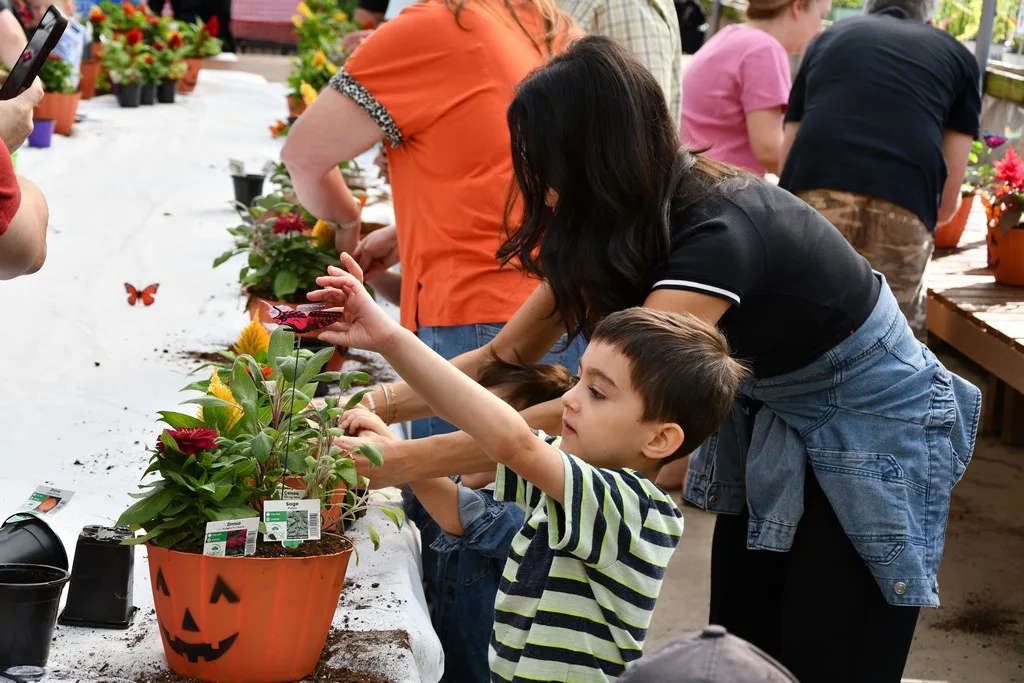
On a crisp Saturday morning in autumn at Queeny Park, kids crouch low in the dirt, hands muddy and eyes wide, searching for potatoes beneath the soil. For many families, moments like these are why the Children’s Garden Club has become a cherished tradition for more than two decades.
The Children’s Garden Club isn’t just about plants—it’s about patience, care, and connection. For more than 25 years, the program has helped St. Louis area families grow all three. Founded in February 1999, the free, monthly program from St. Louis County Parks and Recreation brings families together to dig, plant, harvest, and learn.
Discover fun things to do with the family
Subscribe to the St. Louis Family newsletter for family-friendly things to do and news for local parents, sent every Monday.
We will never send spam or annoying emails. Unsubscribe anytime.
This site is protected by reCAPTCHA and the Google Privacy Policy and Terms of Service apply.
Horticulture supervisor Sharon Hoyt leads the program, which has grown from a simple lily pond display created by Dave Sherwood and Doug Walter for families at the 1998 air show into a hands-on educational experience, complete with a working garden and take-home horticulture projects for kids.
This year’s program begins February 7, and registration always fills up fast. The monthly, hourlong meetups are at 9 a.m. Saturdays at different locations across St. Louis City and County. Registration is required and opens on the 15th of the prior month.
Courtesy of the St. Louis County Parks and Recreation DepartmentCourtesy of the St. Louis County Parks and Recreation Department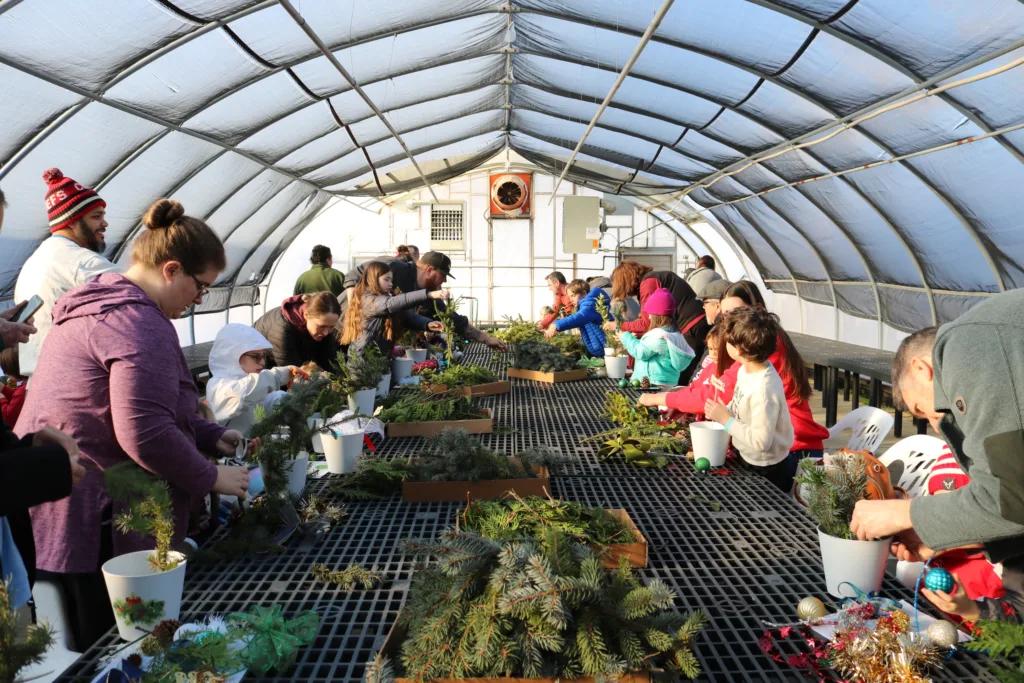 The Children’s Garden Club is run by the St. Louis County Parks and Recreation Department.
“Kids always go home with something they’ve made or grown, and that’s important,” Hoyt says. “When I took over the horticulture department, we started planting a garden here at Queeny Park. Now, the kids plant peppers, tomatoes, and potatoes in the spring, then come back later in the summer to see how much everything has grown and harvest what they planted. They get to take the vegetables home, and that connection is really powerful.”
This year, four sessions will take place at the garden in Queeny Park, and the others will be at nurseries scattered throughout the area. The fact that the program is rooted in a functioning garden at a stationary location is vital to Hoyt’s vision for the club—and the biggest evolution of the program over the years. “I wanted kids to experience planting in a real garden and coming back to see progress,” she adds. “They can watch things grow over time and understand what it takes to care for plants.”
Courtesy of the St. Louis County Parks and Recreation DepartmentCourtesy of the St. Louis County Parks and Recreation Department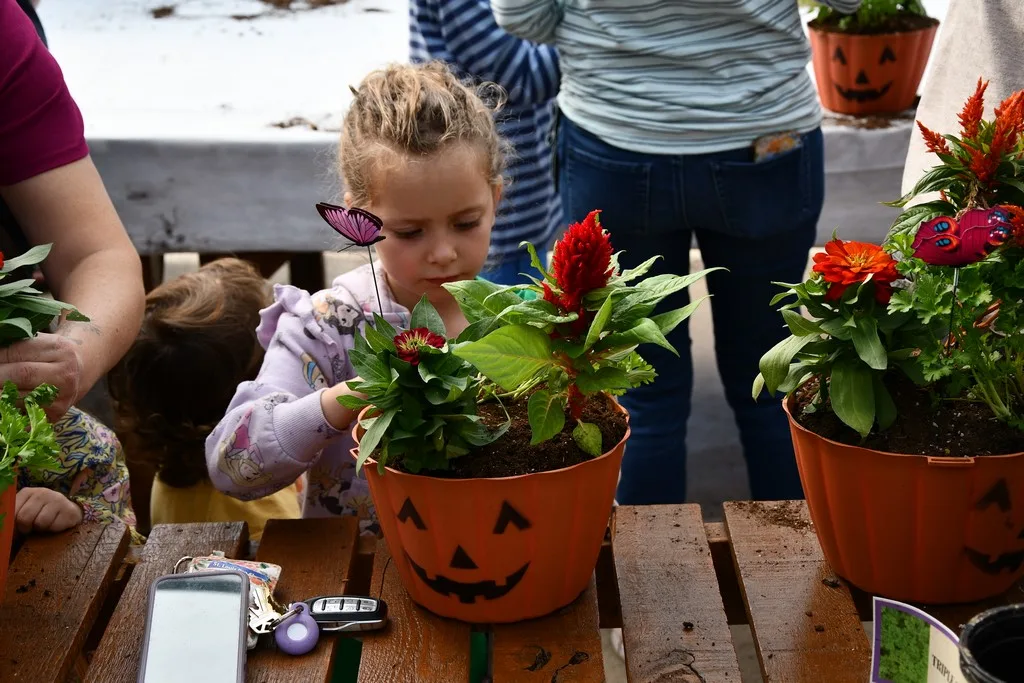 The Children’s Garden Club is run by the St. Louis County Parks and Recreation Department.
The 2026 schedule includes such projects as fairy gardens, edible bowls, and gratitude-themed activities—it’s a mixture of time-tested favorites and new additions to the program. “The goal is always to send kids home with something tangible and meaningful—something they can take care of and feel proud of,” Hoyt says.
Those who lead the Children’s Garden Club hope that kids take away a learned responsibility and respect for nature. “I hope they develop an understanding that if they want something to survive, they need to nurture it,” Hoyt says.
Hoyt and her colleagues instill the concept that “everything in nature is connected” in each of their workshops. In winter, horticulture site coordinator Katelyn Gosik explains, the group makes bird feeders and discusses the importance of native birds. During planting season, they sow seeds and watch the garden change. Then, in fall, the club celebrates with an annual harvest party in the Children’s Garden Nursery at Queeny Park.
Courtesy of the St. Louis County Parks and Recreation DepartmentCourtesy of the St. Louis County Parks and Recreation Department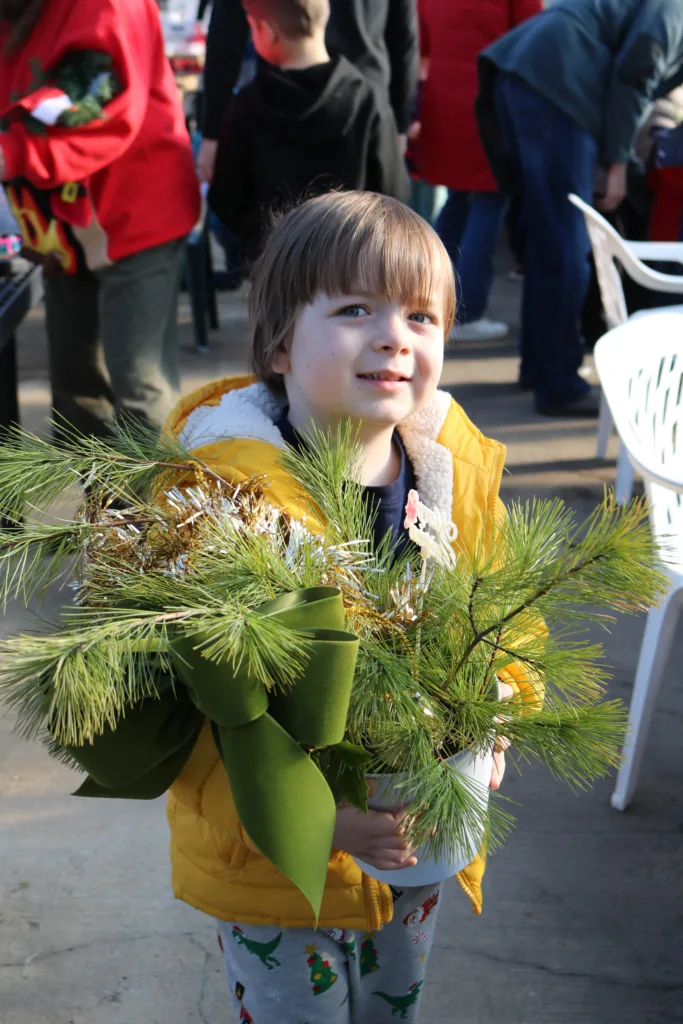 The Children’s Garden Club is run by the St. Louis County Parks and Recreation Department.
As the club meets just once a month, Hoyt says she keeps kids engaged between sessions through at-home caretaking. “When we do edible bowls in April, for example, I ask kids in May how their plants are doing,” she says. “They come back excited, telling me how big their lettuce has grown or what they’ve eaten from it.”
Although the club focuses on the kids, Hoyt says the experience is shared between little ones and their grown-ups. “Parents don’t drop their kids off—they participate. They help paint wind chimes, harvest vegetables, and explore the garden together. It becomes quality family time, which is really special,” Hoyt says.
Gosik agrees: “I have just as many conversations with parents and grandparents about plants and the natural world as I do with the kids.”
The age range for the club is broad—ages 2 through 14–with 40–50 kids allotted for each workshop. Hoyt’s top recommendations: Sign up early, and come ready to get dirty.
The Children’s Garden Club has always been free, thanks to a variety of sponsors, from individuals such as founder Dave Sherwood to local nurseries such as Rolling Ridge, which provide anything from materials to workshop space to operating funds.
Hoyt adds that they’re always looking for more people and organizations interested in supporting their mission. “Without those partnerships, we simply couldn’t do this,” she says.
For a relatively humble program, Children’s Garden Club holds a significant value: to educate the next generation of nature stewards about the environment and the multitude of ways that humans can take actions to impact it, both positively and negatively.
“My goal is to inspire the community to connect with nature through hands-on activities that interpret conservation in approachable ways,” Gosik says. “As an educator—and as someone who values community and children’s access to natural spaces—it’s incredibly meaningful work.”
Comments are closed.