
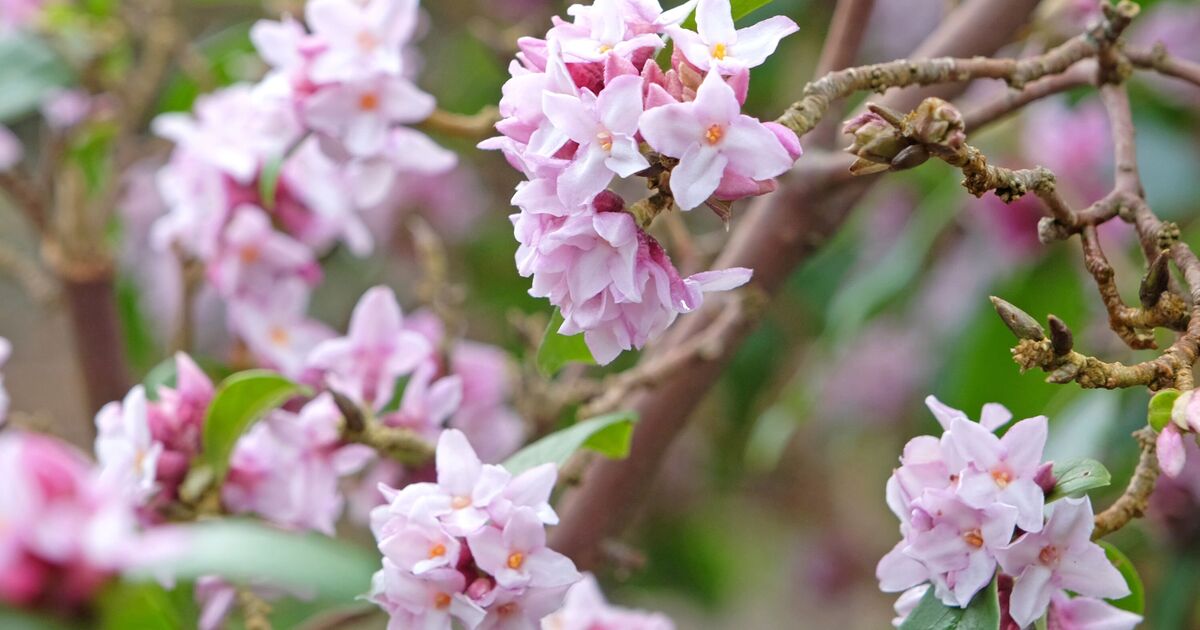
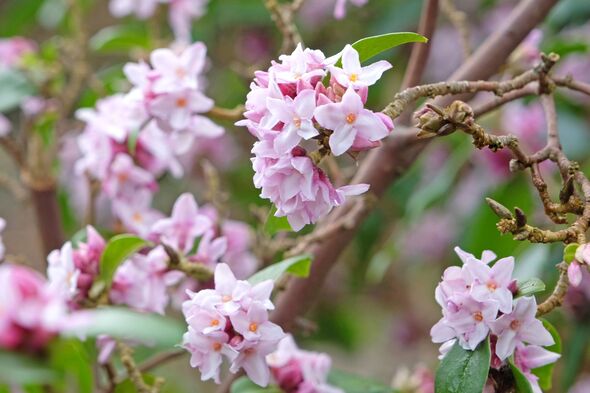
The scent of white and pink Daphne bholua brings a garden alive in winter. (Image: Getty)
Whilst many garden plants are still dormant in January, a handful of well-placed plants and shrubs can scent the air even on the coldest days. Especially when planted where you naturally pass them. Think front paths, doorways, side gates, and walkways. Choose plants that flower in winter, and you can turn quick trips outside into an uplifting experience.
Daphne (Daphne bholua/Daphne odora)
Daphne is one of the finest winter-scented shrubs you can grow, with late January being when its perfume can be the most rewarding. The fragrance is sweet but fresh, often with a citrus note which carries well on still afternoons. Plant daphne in a warm, sheltered spot in light shade, with evenly moist, free-draining soil that isn’t waterlogged. Keep the roots cool with a mulch, and avoid moving it once planted, as it dislikes disturbance. Learn more about caring for Daphne in your garden on my YouTube channel, @daviddomoney.
Sweet box (Sarcococca confusa)
For shaded gardens, sweet box is a gem, as its scent is powerful even when the flowers are small. The fragrance is rich and sweet, often compared to vanilla, and it lingers in enclosed spaces. It copes well with dry shade and urban conditions, making it useful for gaps near walls, under trees or beside a shady path. Once established, it’s tidy and wonderfully low-maintenance.
Winter-flowering honeysuckle (Lonicera fragrantissima)
For a plant that announces itself in winter, this is a top choice. Lonicera fragrantissima produces creamy-white flowers on bare stems, and the scent is bold and unmistakable when you walk past. It suits sun or partial shade and tolerates most soils, making it a reliable performer in mixed borders. After flowering, you can trim it lightly to shape, but it rarely needs much intervention.
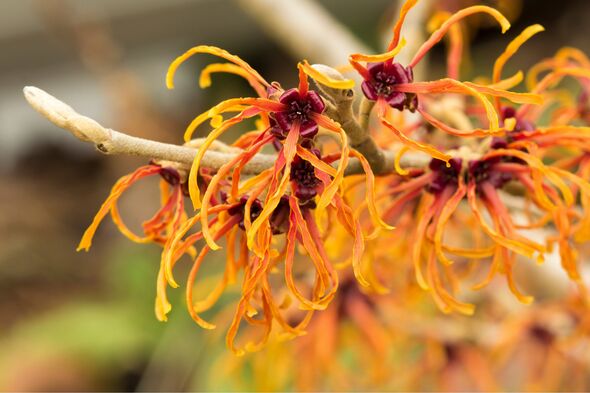
Witch hazel will brighten any winter garden… pick a scented cultivar (Image: Getty)Witch hazel (Hamamelis × intermedia)
Witch hazel provides structure and scent, with ribbon-like flowers opening along bare branches in winter. The fragrance is warm and spicy, and is often strongest on mild days after frost. Give it sun or light shade, and avoid the most exposed, windy positions so the display isn’t spoiled. It prefers acidic to neutral soil, but it can be grown in a large container using ericaceous compost if your garden is alkaline. Make sure you choose a cultivar known for fragrance, as some are more strongly scented than others.
Viburnum ‘Dawn’ (Viburnum × bodnantense ‘Dawn’)
For front garden impact, ‘Dawn’ is hard to beat, flowering through winter into early spring with clusters of soft pink blooms. The scent can travel surprisingly far on calm days, making it perfect near a front path or driveway. Learn about Viburnum and some of my other favourite evergreen shrubs on my YouTube channel, @daviddomoney.
It’s tolerant of most soils and will cope in many positions, although some sun helps the perfume lift. Over time, it becomes a substantial shrub, so allow it room to develop a natural shape. If needed, prune gently after flowering to keep it in bounds without losing next year’s display.
Read more: I’m a gardening expert – turn all your rubbish rubbish into garden gold
Read more: With Storm Goretti blowing a gale, here are 5 tips for fabulous indoor plants
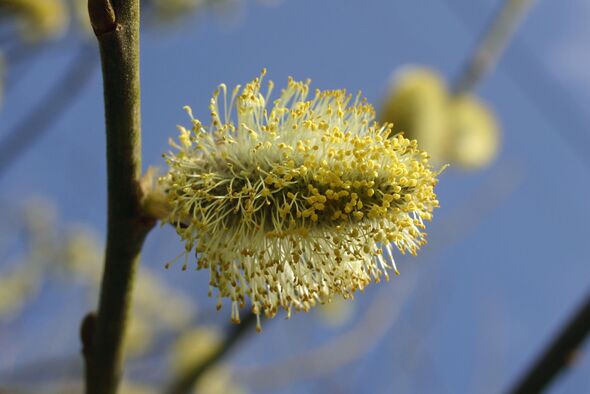
Goat willow makes a fabulous garden addition (Image: Getty / iStockphoto)Focus Plant – Salix caprea (Goat willow)
Salix caprea is one of the most cheerful sights in a winter garden. Its soft, silvery catkins appear while so much else is still asleep. This time of year, those furry catkins bring real texture to bare stems, and they’re a valuable early resource for wildlife when little else is flowering. Give it sun or light shade and soil that remains reasonably moist, and it will cope better than many shrubs on heavier ground. It also lovely to enjoy in low winter light, thanks to how the catkins glow.
If you like the look but need the right plant for your space, there are some excellent UK-friendly choices. Salix caprea ‘Kilmarnock’ (syn. ‘Pendula’) is the classic option for small gardens, forming a compact, top-grafted weeping “umbrella” that works beautifully by a front path or in a large patio pot. For extra winter structure, Salix caprea ‘Curly Locks’ adds wonderfully twisted stems as well as catkins.
Keep care simple. Enjoy the catkins now, then prune after flowering to maintain shape and encourage fresh growth that will carry next year’s display. If you’re planting container-grown willow, choose a mild day when the soil is workable, set it at the same depth as the pot, firm in and water well. Mulch afterwards to help the roots to stay cool and conserve moisture.
Fun fact: Goat willow is dioecious, and on male trees, the catkins often start grey-silver, then turn yellow when ripe with pollen.
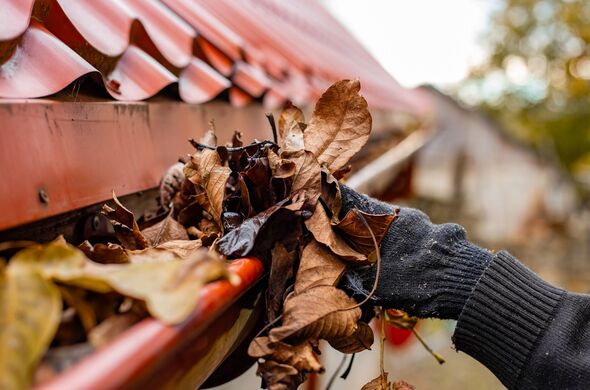
Clear the gutters if they are getting stuffed up with frozen leaves, twigs and other rubbish (Image: Getty)Top 5 Jobs for the week
1. Place marker canes beside emerging bulbs, especially where you cut corners on paths or work close to borders. A simple cane or label helps you avoid treading on shoots or damaging them when weeding or edging.
2. Loosen compact gravel around stepping stones on a mild, frost-free day, using a hand fork or small rake to level it back out. This improves drainage and reduces the slick build-up that thrives in damp, compacted areas.
3. Remove frozen debris from gutter guards only when it has thawed, so you don’t crack plastic or bend fixings. Clear leaves and twigs from shed and greenhouse guttering too, so winter rain runs freely into water butts instead of spilling onto paths.
4. Check for lifted paving and rock slabs after freeze-thaw, especially on main routes and near steps. If anything feels uneven, mark the spot and plan a proper reset when conditions are drier, keeping winter walkways safer in the meantime.
5. Lift lanterns and ornaments off damp soil and stand them on bricks or pot feet to improve airflow and drainage. This reduces staining, rust, and frost damage, particularly where items sit in soggy corners.
Facebook – https://www.facebook.com/DavidDomoneyTV
Instagram – https://www.instagram.com/daviddomoney/
Pinterest – https://www.pinterest.co.uk/daviddomoney/overview/
TikTok – https://www.tiktok.com/@daviddomoney
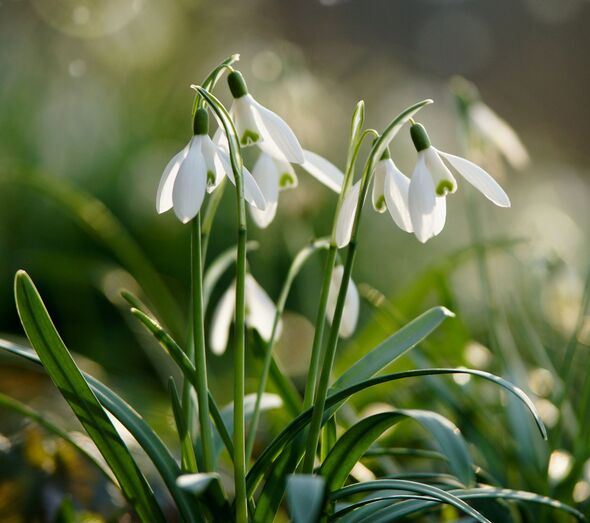
Snowdrops are called ‘blackbird flowers’ in Switzerland because they bloom when the birds return (Image: Getty)Did you know?
Winter aconite (Eranthis hyemalis) carries its story in the name. Eranthis comes from Greek elements meaning “spring” and “flower”, whilst hyemalis means “of winter” or “winter-flowering”. It’s fitting for a plant that pushes up bright blooms when most borders are still bare.
Alder has pale wood that can turn a vivid orange when cut, which once looked like “bleeding”. That striking colour change fed old fears around the tree, and Irish folklore said it was unlucky to pass an alder on a journey.
Snowdrops (Galanthus nivalis) have a wonderfully musical name in Switzerland. They’re called Amselbluml, meaning “blackbird flower”, because they bloom as the amsel (blackbird) begins to sing again.
Blonde hedgehogs do occur naturally, and the pale colour is linked to leucism, a rare pigmentation trait caused by genetic variation. Unlike albanism, leucistic animals may still show some normal colour in the eyes and skin.
Comments are closed.