
Brits have been cautioned to “avoid” one particular activity this January that could harm their lawn. This issue can take “a few weeks” to rectify, according to specialists.
Amongst these was the guidance to “avoid” treading on a frost-covered lawn where possible. “This can damage the blades of grass, which go brittle in the cold,” it explained.
“It may even leave brown footprints, which can take a few weeks to disappear.”
Additionally, it suggested addressing any bare patches, particularly around lawn perimeters, utilising turf sourced from other sections of the garden if accessible.
It added: “Even out hollows and bumps by cutting an H-shape into the turf, peeling back the grass and filling the hollow with soil or removing soil from a bump. Re-lay the turf, push the cut edges together and firm it into place.
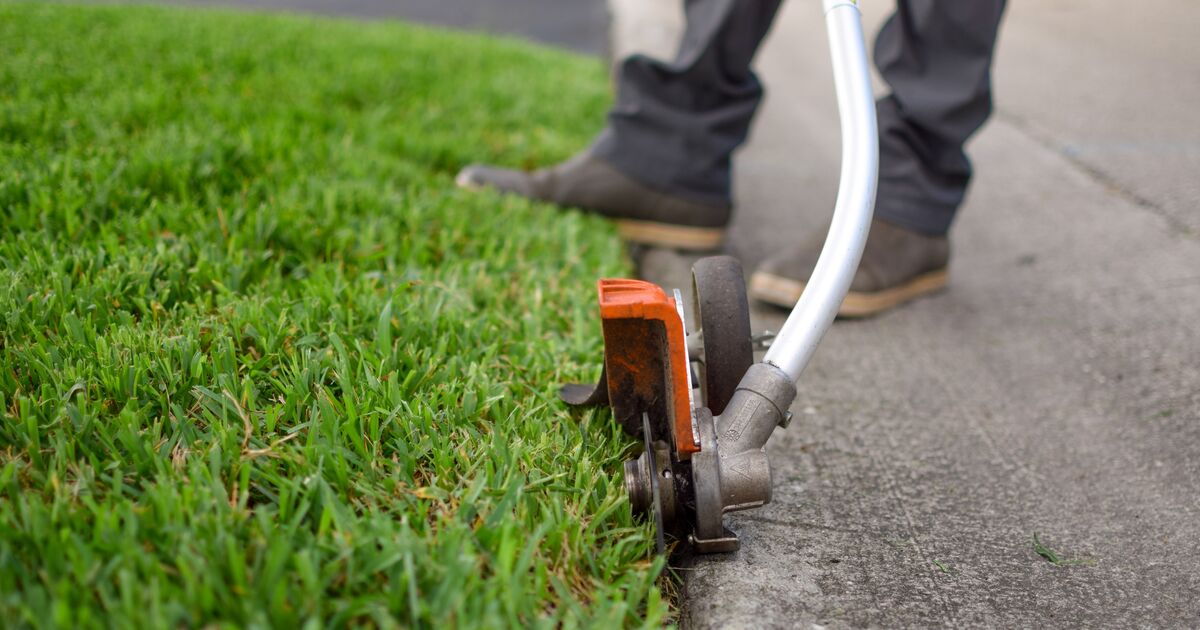
“Re-cut lawn edges with a half-moon edging iron or flat-bladed spade to give a neat finish. Also maintain a 7.5cm (three-inch) ‘gutter’ around the lawn edges to prevent grass spreading into your borders.”
Lawn mowing wasn’t specifically referenced, though the RHS’ February recommendations state this can be undertaken when temperatures increase. They advised: “Mow if the weather is warm – grass will start to grow at temperatures above 7°C – but set the cutting height to its maximum, and only mow when the grass is dry.”
New lawns
For those establishing a new lawn, the RHS suggested turf could be laid. Nevertheless, conditions aren’t suitable for sowing grass seed.
They explained: “Lay turf to create a new lawn, or to repair damaged areas, when the weather is mild. However, it’s too cold to sow lawn seed now – wait until spring.”
Look out for waterlogging after winter rain. To improve drainage, spike the lawn with a garden fork or mechanical aerator, then brush a mix of sharp sand and loam into the holesConsider laying stepping stones through your lawn if it’s walked over regularly in wet weather, to avoid causing damage and muddy patches. Set the stones level with the soil surface so they don’t interfere with mowingAlgae and lichens can appear on lawns with poor drainage or heavy shade, or under the drip-line of trees. Where these create slippery patches, aerate and top-dress with sharp sand to discourage their growthMole activity tends to increase in January and February due to mating and nest (fortress) building. Try to live with the resulting molehills if possible, but if you can’t, then remove the largest ones and re-firm the soil, before re-seeding in spring Worm casts are a sign of healthy soil, but if you don’t like them on your lawn, brush them off with a hard broom once they dry outYellow or brown patches at this time of year may be caused by the fungal disease fusarium patch, especially in wet weather and in overfed, lush lawns that have been left a bit too long between mowing
For more information, visit the RHS website here.
Comments are closed.