
Owen Gale
Spring is not only the season of daffodils, lighter clothing and many joyful bank holidays, but for many homeowners hoping to move, it is also the perfect time to put your house on the market. ‘Spring is always the best time of year to showcase your home – the days are longer, the sun is high in the sky giving you the best natural light, the leaves are on the trees and usually the air is warmer. All of this makes it so much nicer for buyers to get out and about – not just seeing properties but the areas around them’, says James Pace, of Knight Frank estate agents.
But what are the things you can do ahead of listing your property to ensure a quick sale and a fair price? We’ve rounded up the quick fixes (and slightly slower ones, too) to help you get started.
Research the ceiling price for your property
Individual neighbourhoods and roads tend to have ceiling prices for each size of property: no matter how lovely your house is, you’re unlikely to be able to sell it for much beyond this. Do some research via Rightmove or Zoopla and look at similar properties in your area. If you bought a 2-bedroom house for £250,000 and the nicest 2-bedroom houses in the area don’t sell for much beyond £300,000, then there’s no point in spending £50,000 on costly renovations if you intend to sell in the short term – you just won’t make it back. The only exception to this is if you plan to significantly expand the footprint of the house and add at least one more bedroom.
The key overhauls to think about
‘The best thing you can do to increase the value of your property is to extend it,’ says Matthew McDwyer, founder of Bricks&Logic. ‘Internal area is the biggest driver of price in any given location, and in London, with high capital value, the increase in value should exceed the building costs several fold’.
Adding a bedroom or bathroom
If you can add an extra bedroom with a loft conversion or extending the house, do. It can add on average about 14% to the value of a two bedroom property, and likely more in high-density areas like London. Similarly, an additional bathroom can boost your property’s value by an average of 6%.
Kitchen renovations
Extending your kitchen is one of the most profitable renovations you can do, and can significantly increase the price of your property. According to the Nationwide House Price Index, ‘a 10% increase in floor space, other things equal, adds 5% to the price of a typical house’. On a related note, making an open-plan kitchen and dining room is extremely attractive to potential buyers. Open plan living is what pretty much everyone wants, especially families. Even if you don’t want to do drastic things like extending or knocking through walls, you can simply get some replacement cabinet doors for an easy refresh.
Bathroom renovations
Bathroom renovations can add around 4-5% to the price of a home, and are cheaper and easier than kitchen remodels. Sanitaryware is surprisingly affordable, and interior designers tend to recommend spending money on taps and fixtures that you touch, which are sure to impress any viewers. Low water pressure is also one of the most commonly cited reasons for a negative impression on viewing a house, so if this is a problem, get it fixed.
Get the essentials right
It may be boring compared to the other renovations, but getting the basic structure of your house in solid order will obviously add value in the long run. Is the roof in good condition? Is the house well-insulated? Is there a damp problem which needs addressing? Has the wiring been checked? How old is the boiler? Are there leaks or other issues with the plumbing? Tackling these invisible issues will mean that there are no surprise reductions in offers when the survey is completed.
Focus on light and space
‘Buyers respond best to space and light, so letting the building show itself and not overcrowding a space is most important,’ says the Head of Appraisals at The Modern House, James Klonaris.
Go open-plan
Knocking out some walls and creating open-plan spaces is a surefire way to allow light to flow through your house, and also create the sense of increased space.
Think about the colour of your walls
If you have rooms that are necessarily small and dark, then dark paint colours on the walls might be fine, but otherwise, simple white or pale walls tend to be crowd-pleasers, and make it easy for buyers to envisage their own colours or artwork in situ.
Pay some attention to your windows
Replacing windows is an expensive business, and may not ultimately be worth the investment, but at the very least, make sure they are clean and in good condition. ‘Make sure the windows are clean. You want buyers to be able to see the space in each room and the natural light within them – these are the main things that really excite buyers, consciously or subconsciously’, says James Pace, Head of sales in Knight Frank’s Kensington office.
If you are planning an extension or any structural work, putting in french windows with as much height as possible can make a room feel spectacularly light and airy.
Increase kerb appeal
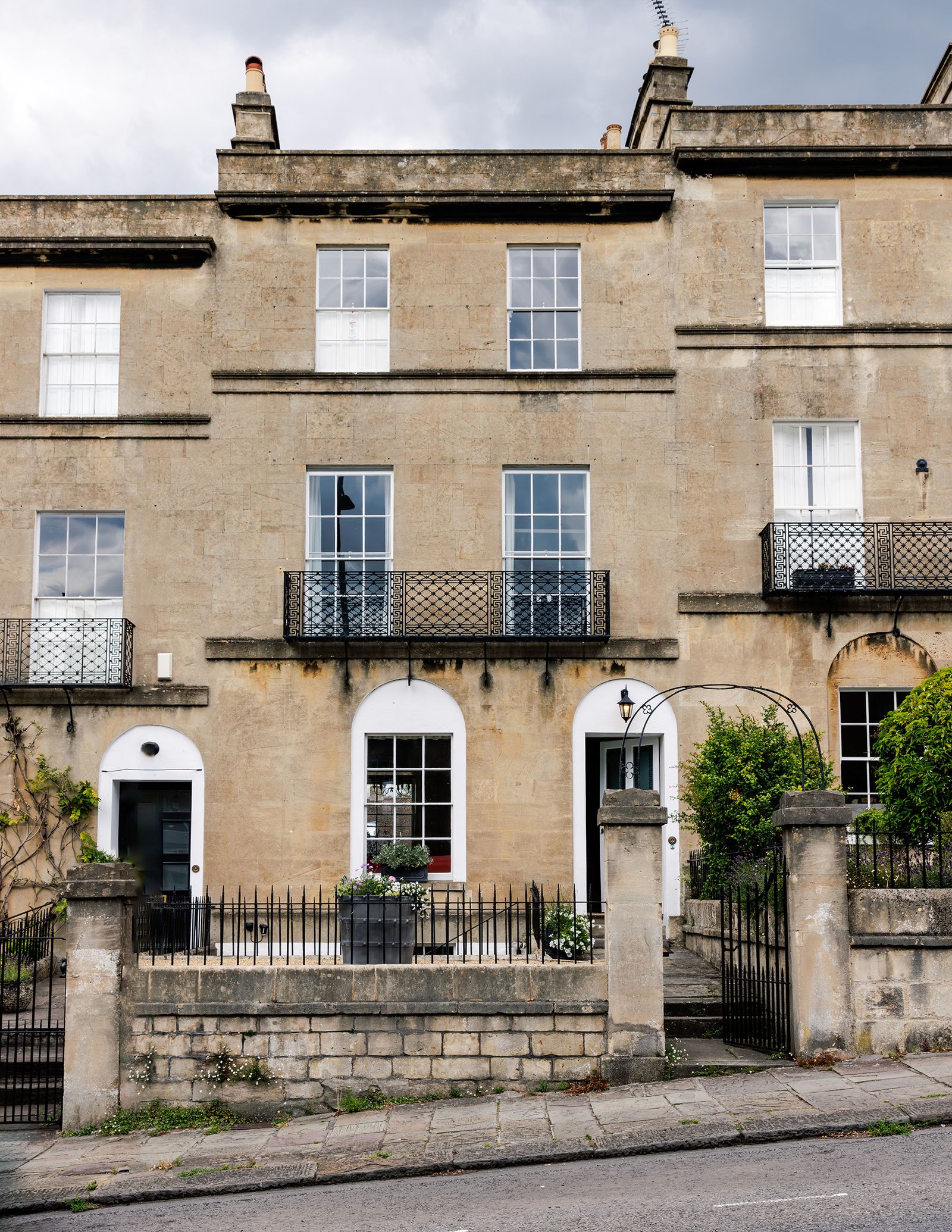
The first thing that people see is the outside of your house, and it’s surprising how many of them make up their mind at that point. If you are a flat-owner, there may not be much you can do other than lobbying your property manager to do some tidying up, but house owners shouldn’t skip this bit.
The front door
A smart new front door is one of the easiest fixes to make. Select something in keeping with the period of your house, make sure it’s good quality wood, and avoid any cheap-looking plastic handles or frosted glass. Simply painting a tired front door can also make a world of difference.
Maintain brickwork and window frames
Damaged or shabby bricks can make a house seem more run-down than it really is, so replace any loose bricks and consider repointing parts of the house if it needs it. Repairing and painting window frames will also smarten up a house exterior in a surprisingly noticeable way.
Create a tidy front garden
The level of maintenance of a front garden always gives a clue to how well the house is maintained throughout. It doesn’t have to be Chelsea-worthy, just cut back overgrown shrubs, sweep and wash the path, and mow any grass. Consider making a little shelter for the bins so that they’re less prominent than they usually are in city houses. If you do want to spend a bit more money here, it’s probably easier to renovate a front garden than a back garden: a little gravel, a tiled path and some colourful containers can go a long way.
Comments are closed.