
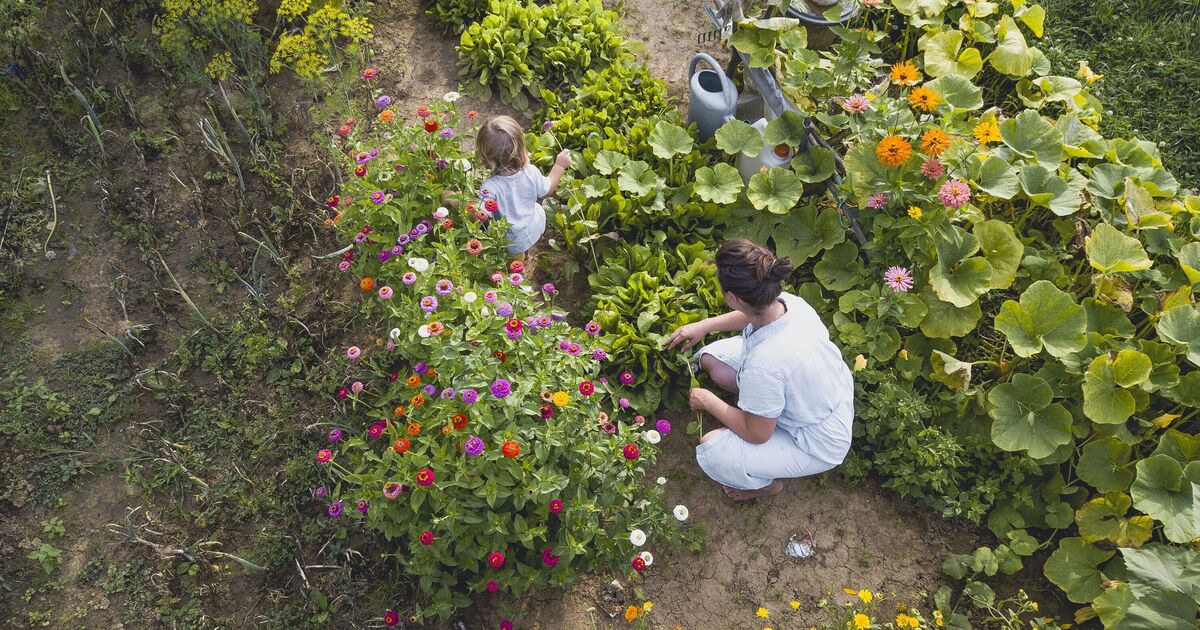
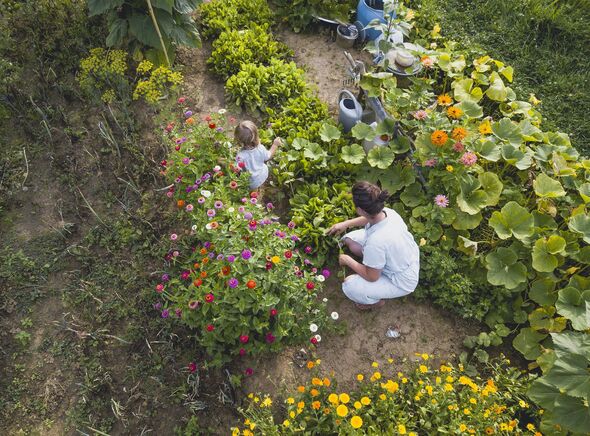
These gardening hacks might be killing your garden (Image: Getty)
When it comes to gardening, the internet is saturated with tips and tricks promising to make your garden flourish. While many of these are fabulous resources, a few of these hacks have been diluted or changed, and if you’re using them incorrectly, they could be doing more harm than good. From coffee grounds through vinegar and even milk, some of these promised tips can be dangerous to your plants.
They can throw off the soil pH or make your beloved garden a beacon for pests. That’s why Robin Antill, founder of 1st Choice Leisure Buildings, has sorted through some of the more common hacks and revealed which are harming your plants.
READ MORE: Keep birds coming back to your garden by fixing common feeder mistake
READ MORE: Bed bugs won’t follow you home if you do quick hotel check
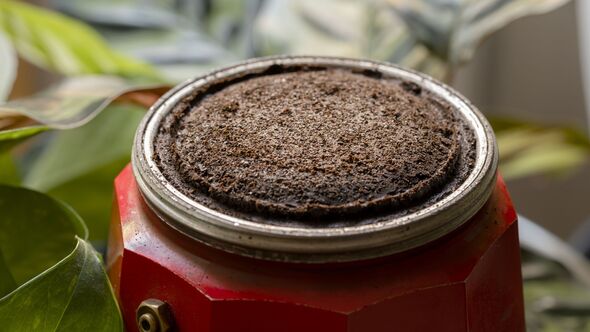
Coffee grounds can do more harm than good (Image: Getty)1. Killing weeds with white vinegar
This is often touted as the perfect solution for killing weeds. It works because the acetic acid in vinegar burns foliage. However, it only affects the leaves of plants it comes into contact with, meaning it doesn’t actually kill weeds, so they will regrow. Worse, it can harm nearby plants and alter the soil pH, making it less fertile. Instead, Robin recommends weeding the old-fashioned way: by hand.
He said, “Focus on getting the roots out completely. Weeds love bare soil, so planting ground-covering plants means there will be less space and light available to encourage weed growth.”
2. Coffee in the soil
This is a very popular hack. It’s low waste, and cheap to boot, but just bunging coffee in the soil won’t do much but interfere with the nitrogen levels in your soil. This is because they are acidic, but they can also block water from getting into the soil if you layer them too thickly.
Instead, Robin recommends composting the grounds first to make them a more balanced fertiliser.
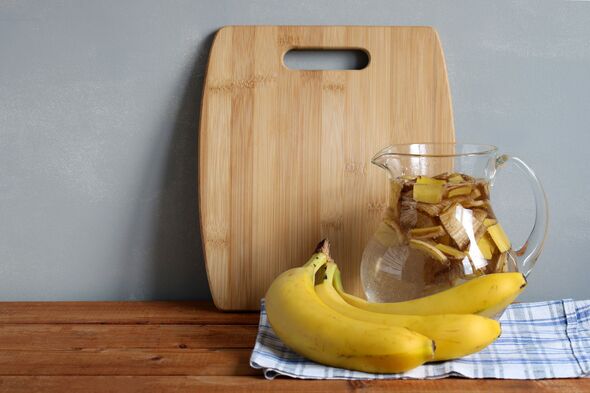
Banana peel tea is another common hack (Image: Getty)3. Using gravel as drainage
If you have potted plants, you have almost definitely come across a tip that advises using gravel for extra drainage. This can work – but only if you’re careful. More often than not, gravel in pots ends up collecting water above the gravel and letting roots sit in water. This can lead to fungal disease and root rot.
Instead, switch to drainage boosting materials throughout your soil. Robin recommends horticultural grit and sharp sand to improve soil structure, perlite to increase airflow around roots and vermiculite to balance moisture.
Do your research into what kind of soil your plant usually grows in, and try to match it.
4. Banana fertiliser
Using banana peels as fertiliser is a popular viral hack that promises to boost your plants’ growth and health by adding potassium to the soil. The hack recommends ‘brewing’ the peels in water over several days, then watering plants with the banana water. However, Robin says this method might just be a load of hot air. He said: “There is very little evidence that any potassium – or other nutrients – are released into the water, and therefore are doing nothing to the soil, other than the sugar potentially attracting pests.”
Rather than brewing your peels, add them to your compost heap and allow them to break down slowly to support soil health.
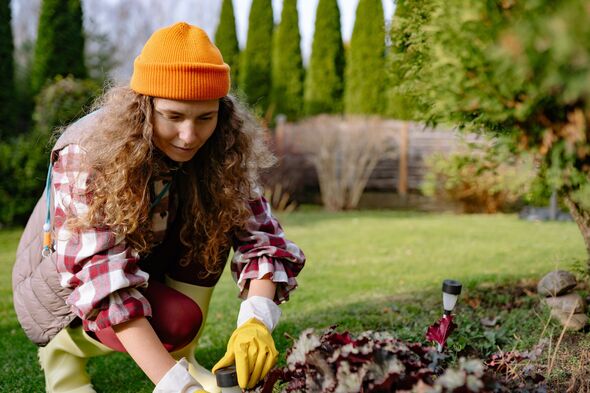
Make sure you do your research into garden hacks (Image: Getty)5. Milk fertiliser
This is similar to the banana peel tea fertiliser. Many people say that diluted milk adds calcium and proteins to the soil, but this is risky. Robin said: “If it’s not diluted well, or if too much is used, it can attract flies and ants, and can cause bacteria and fungi to grow, and lead to root rot.”
6. Drawing out moisture around the shed
Another trend is buying moisture-absorbing materials to put around the base of your shed to stop dampness. Things like cat litter, charcoal or rock salt will temporarily dry the shed, but it will quickly stop working.
Robin said that instead, people should create a proper base for their shed to keep it away from the damp, and create proper drainage so rainwater doesn’t pool around the base of the shed.
Comments are closed.