
From coffee grounds to vinegar weed killer, expert warns these popular tips could be killing the plants in your garden
Make sure you do your research into garden hacks(Image: Getty)
When it comes to gardening, the internet is awash with tips and tricks promising to make your garden thrive. Whilst many of these are brilliant resources, a handful of these hacks have been watered down or altered — and if you’re doing them incorrectly, they could be causing more damage than good.
From coffee grounds to vinegar and even milk, some of these supposed tips can actually be hazardous. They can disrupt the soil pH or turn your cherished garden into a magnet for pests.
That’s why Robin Antill, founder of 1st Choice Leisure Buildings, has sifted through some of the more popular hacks and exposed which are damaging your plants.
Gardening myths and hacks that could be killing your plants
These gardening hacks might be killing your garden(Image: Getty)
1. Eliminating weeds with white vinegar
This is frequently championed as the ideal solution for destroying weeds. It functions because the acetic acid in vinegar scorches foliage, reports the Express.
Nevertheless, it only impacts the leaves of plants it touches, meaning it doesn’t genuinely eliminate weeds, so they will return. Worse still, it can damage neighbouring plants and modify the soil pH, rendering it less productive.
Instead, Robin suggests weeding the traditional way: by hand. He said, “Focus on getting the roots out completely. Weeds love bare soil, so planting ground-covering plants means there will be less space and light available to encourage weed growth.”
2. Coffee in the soil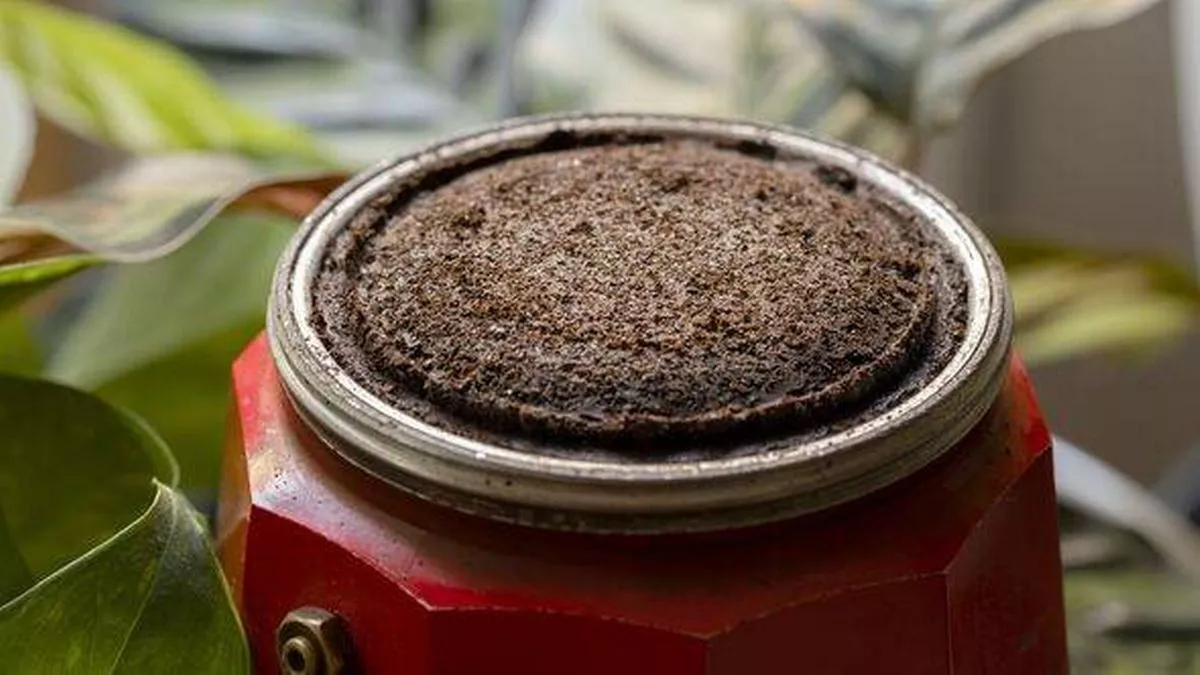
Coffee grounds can do more harm than good(Image: Getty)
This is a tremendously popular gardening fertiliser. It’s low waste, and inexpensive to boot, but simply chucking coffee into the earth won’t achieve much beyond messing with the nitrogen levels in your soil.
This is because they are acidic, but they can also prevent water from penetrating the soil if you spread them too heavily. Instead, Robin suggests composting the grounds first to transform them into a more balanced fertiliser.
3. Using gravel as drainage
If you have pot plants, you’ve almost certainly encountered advice that recommends using gravel for additional drainage. This can be effective, but only if you’re careful.
More often than not, gravel in containers ends up trapping water above the gravel and allowing roots to sit in moisture. This can result in fungal disease and root rot.
Instead, switch to drainage-enhancing materials throughout your soil. Robin suggests horticultural grit and sharp sand to improve soil structure, perlite to boost airflow around roots and vermiculite to balance moisture.
Conduct your research into what type of soil your plant typically thrives in, and attempt to replicate it.
4. Banana fertiliser
Using banana peels as fertiliser is a trendy viral trick that claims to supercharge your plants’ growth and wellbeing by delivering potassium to the soil.
The method involves ‘steeping’ the peels in water for several days, then giving plants a drink of the banana-infused liquid. But Robin reckons this technique might be complete nonsense.

Banana peel tea is another common hack(Image: Getty)
He explained: “There is very little evidence that any potassium — or other nutrients — are released into the water, and therefore are doing nothing to the soil, other than the sugar potentially attracting pests.”
Instead of steeping your peels, chuck them onto your compost pile and let them decompose naturally to enhance soil quality.
5. Milk fertiliser
This mirrors the banana peel tea approach. Loads of people claim that watered-down milk delivers calcium and proteins to the earth, but this carries risks.
Robin warned: “If it’s not diluted well, or if too much is used, it can attract flies and ants, and can cause bacteria and fungi to grow, and lead to root rot.”
6. Drawing out moisture around the shed
Another craze involves purchasing moisture-soaking products to place around your shed’s perimeter to combat dampness. Items like cat litter, charcoal or rock salt will briefly dry out the shed, but the effect won’t last long.
Robin suggested that instead, folk should construct a decent foundation for their shed to elevate it from the moisture, and establish adequate drainage so rainwater doesn’t collect around the shed’s base.
Comments are closed.