
Expert pruning of apples, pears, climbing roses, maples, hornbeams and other key plants can improve shape, encourage healthy spring growth, and boost flowering and fruiting in the coming year
05:00, 23 Jan 2026Updated 07:02, 23 Jan 2026

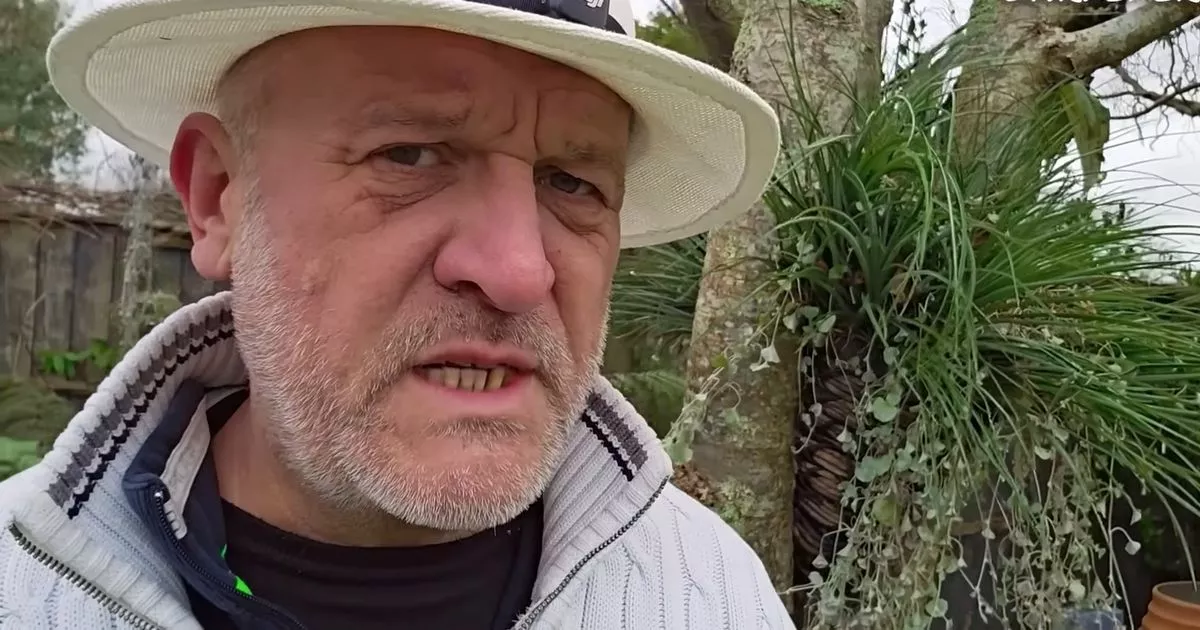
Simon Eade says there’s little time to waste (Image: YouTube/WalkingTalkingGardeners)
The dreariest stretch of winter, when countless trees and shrubs stand bare, offers gardeners the perfect opportunity to properly examine their branches and assess the plant’s overall structure.
Horticultural expert Simon Eade reckons there are numerous plants that genuinely benefit from a careful trim during this period.
He points out that pruning remains a surprisingly divisive topic, with notable disagreement amongst certain specialists regarding – for instance – walnut trees. Some gardeners insist they shouldn’t be pruned whatsoever.
Simon breaks it down on his Walking Talking Gardeners YouTube channel, highlighting some garden staples that everyone agrees ought to be left well alone at present: “Your stone fruits, which would be your your plums, damsons, gages, nectarines, apricots, cherries, ornamental cherries, all of the stone fruit plants.
“You don’t cut these at this time of year,” he adds. “It is entirely the wrong time period.”
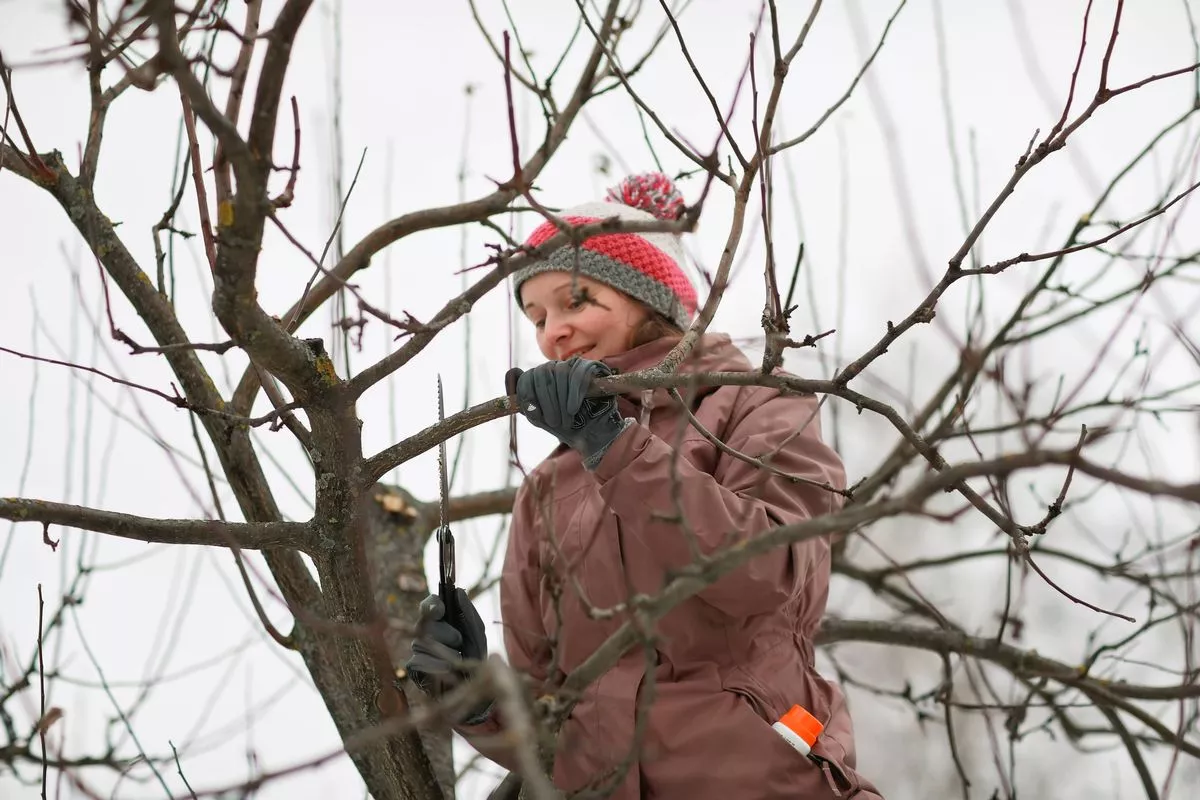
Now is the time to remove unsightly or diseased branches from your apple trees [stock image](Image: Natalia Lebedinskaia via Getty Images)
Apples and pears
The first two plants on the list are your apples and your pears,” Simon says. “These are the only fruit trees we’re going to be looking at cutting.
“The reason why you do it in January instead of say earlier on in the winter is because here in the UK, they can be at risk from a rather nasty disease known as fire blight.”
Fire blight is a contagious bacterial disease that can cause serious harm to apple and pear trees. It triggers wilted blossoms, and blackened shoots that are distinctively bent into a twisted “shepherd’s crook” shape.
On milder days, you might even spot a bacterial ooze seeping from the branches. There’s no cure, and the sole solution is drastically cutting away the affected timber.
“You do see it around a lot,” Simon says. “It used to be a notifiable disease back in the day, but it’s pretty much everywhere now. There’s literally no point in notifying anybody about it. “So, in order to avoid catching that rather nasty thing,” he concludes. “Cut your apples and pears in January.”
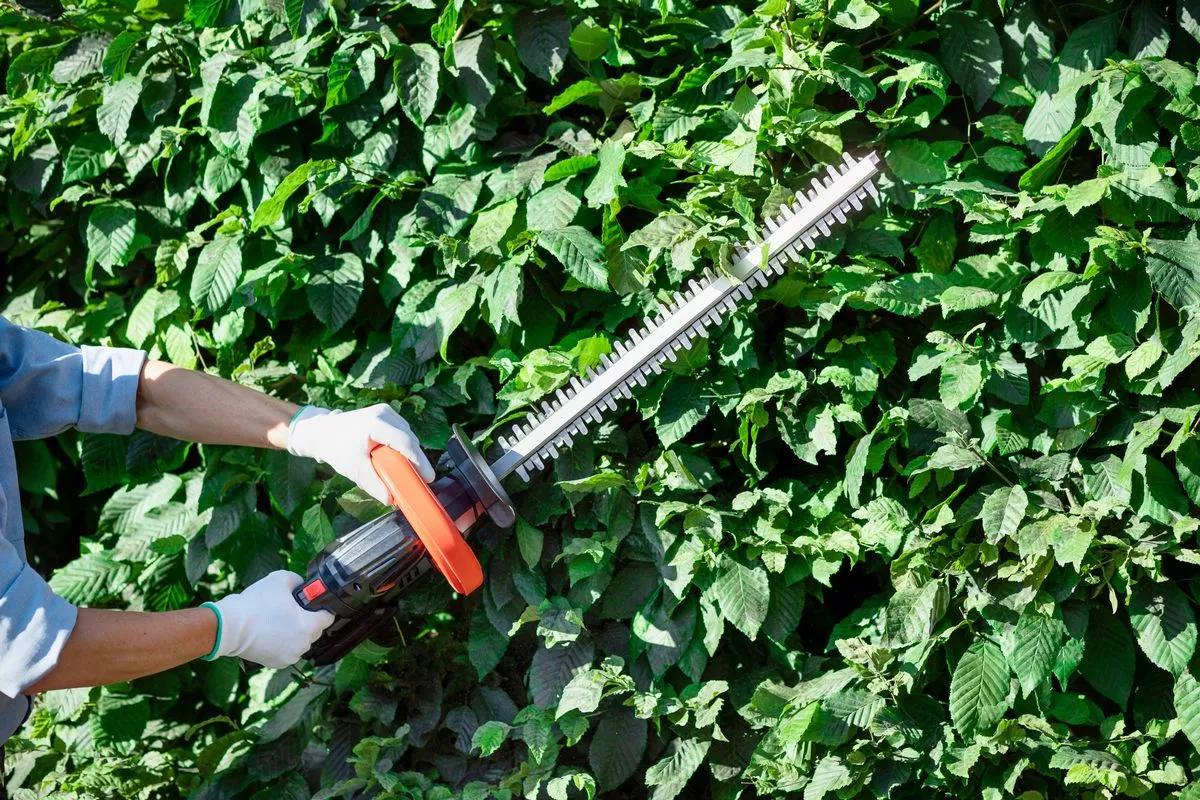
Now’s the best time to trim a hornbeam hedge(Image: Maryana Serdynska via Getty Images)
Hornbeams
Carpinus betulus, the European or common hornbeam, typically needs trimming during August or September, according to Simon.
There is a second opportunity, which is now, in order to improve the density of your plant come the spring.
Simon said: “So despite the most common time of August, September, you do have the second opportunity now in order to improve the look of your plants.”
Should your hornbeam hedge have grown too big, it can be chopped back quite drastically during winter, and it’ll bounce back. Make certain your ladder’s properly secured if you’re tackling the top section of a hedge.
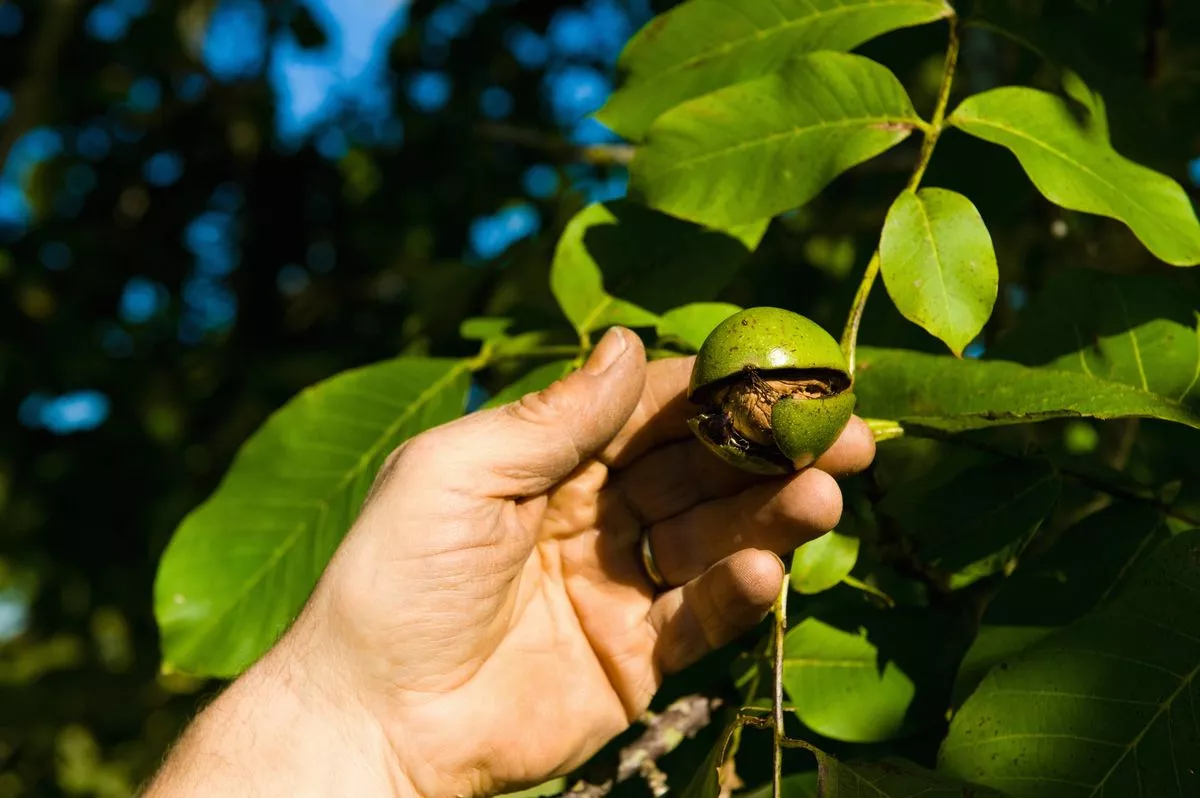
Many experts recommend leaving your walnuts alone(Image: Henry Arden via Getty Images)
Walnuts
Among the more debatable items on Simon’s rundown is the walnut: “In general, it is not recommended to prune back or lop or remove branches from your walnut trees. That is the recommendation of most of the books. “But if you really have to, then the Royal Horticultural Society recommend pruning your walnuts in midsummer to the beginning of the autumn.
“But it doesn’t end there, because many walnut growers, such as the Walnut Tree Company, also advocate for a mid-winter chop. Don’t hang about until late winter next month. It’s strictly a January job.”
Simon explains that pruning walnut trees, particularly in milder conditions, can trigger heavy sap “bleeding” from the tree. Personally, he says he avoids cutting walnut trees altogether.
But if you’re determined to trim your walnut tree, he notes. “You’ve got a choice. You can follow the Royal Horticultural Society or you can follow the walnut tree growers.”
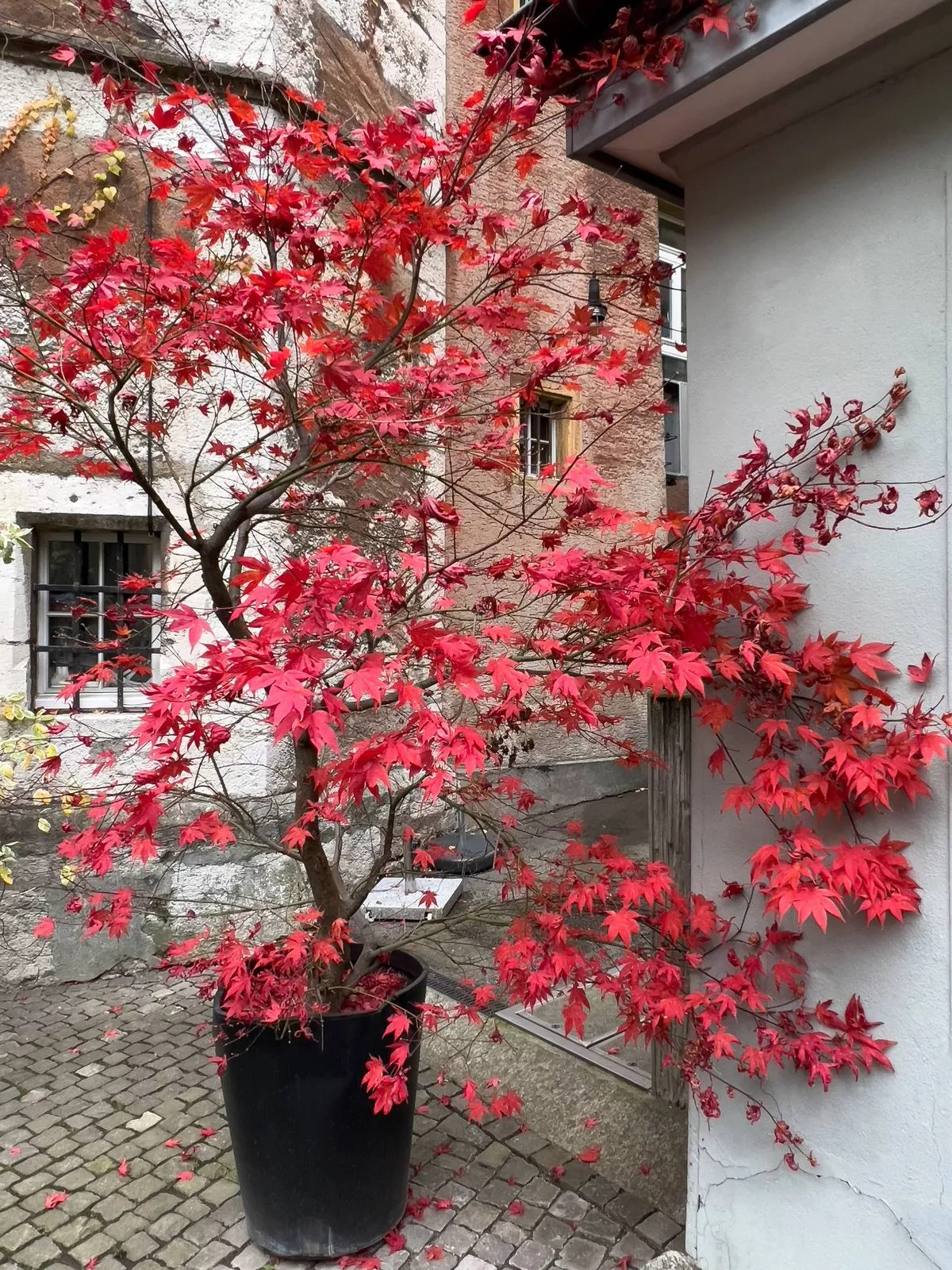
The increasingly popular Japanese maple shouldn’t be pruned after the end of January(Image: Feifei Cui-Paoluzzo via Getty Images)
Maples
Another category of plants susceptible to sap bleeding are the acers, or maples. Whilst this is seldom deadly on its own, bleeding sap can temporarily drain the tree’s strength, draw in pests, or welcome disease.
For this reason, Simon emphasises: “January is your final chance for these.”
If you’ve got one of these incredibly popular trees in your garden, he notes: “The moment to cut is now. Once this window closes, it’s too late. You’ll have to hold off until next year.”
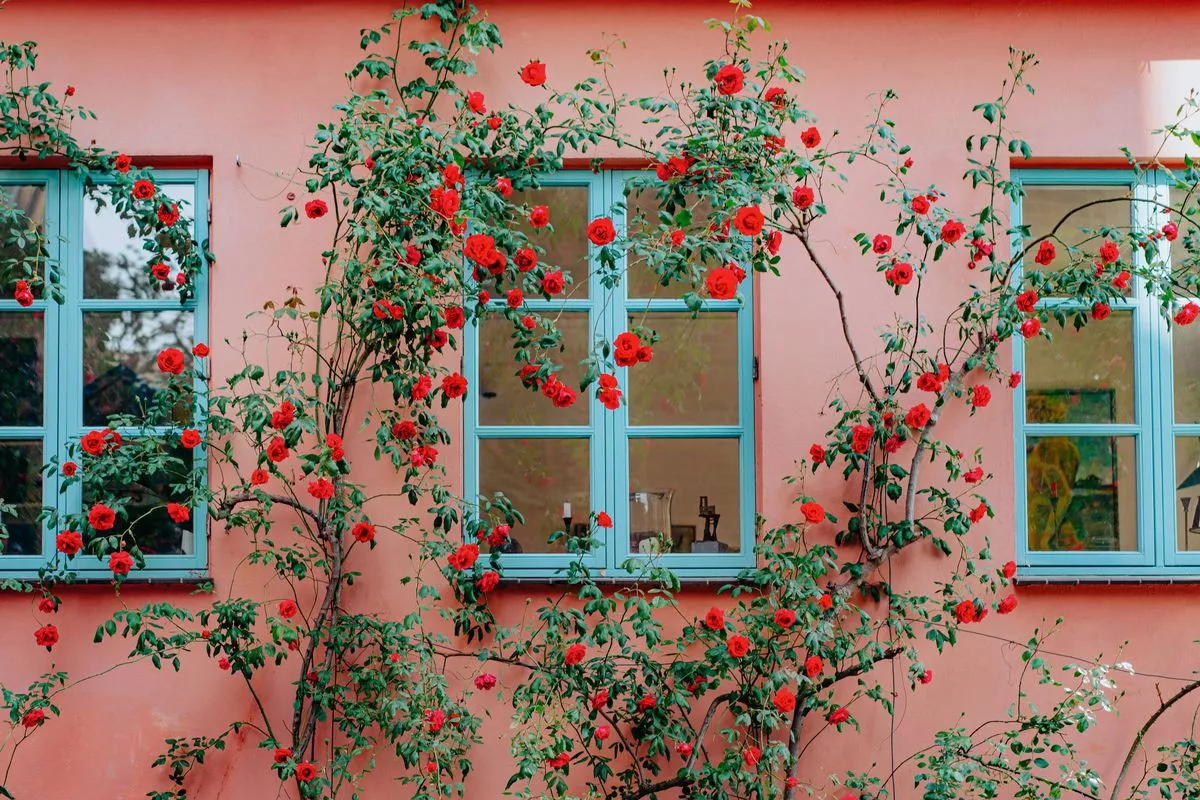
Whether to prune your climbing roses is a tricky question(Image: Olena Malik via Getty Images)
Climbing roses
Simon’s last suggestion is another contentious one, he remarks: “I am going to put roses on the list only because the Royal Horticultural Society recommends that this is your last opportunity to cut your climbing roses, but I don’t really agree with it.”
He continues: “You certainly wouldn’t be cutting back your shrub roses. You certainly wouldn’t be cutting back your rambling roses.”
Despite numerous experts suggesting that January represents the ideal time to get climbing roses into shape, Simon’s preference is to hold off until March.
“But,” he conced Yes, “this is what the research says. This is what the RHS recommends. January is the last time for climbing roses.”
Comments are closed.