
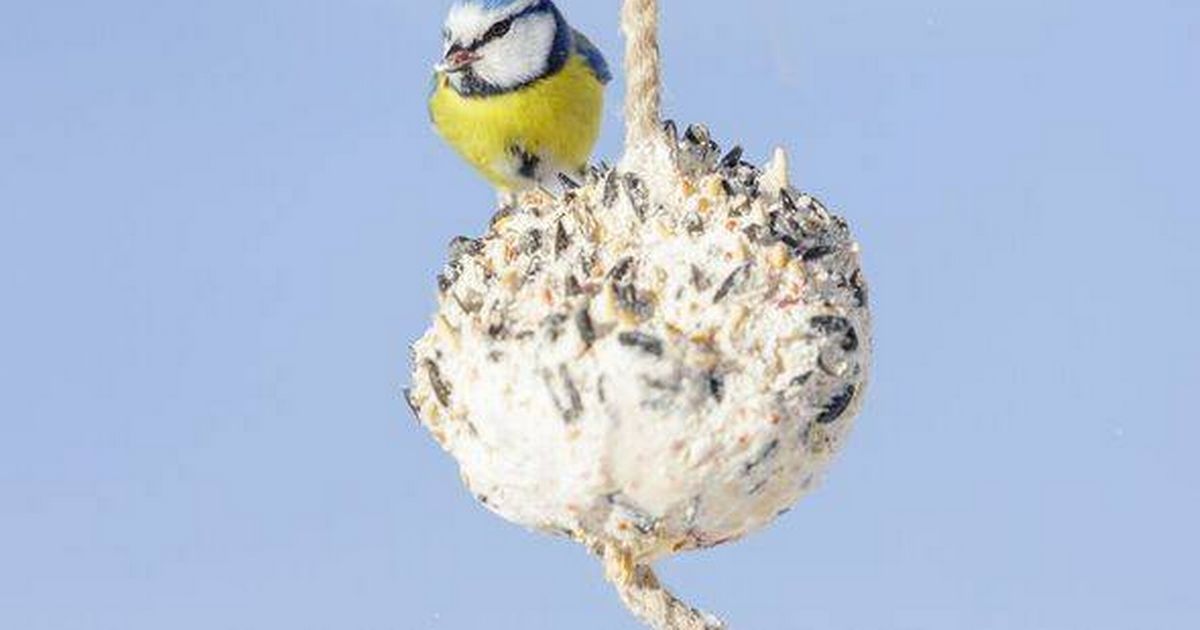
If you want to help the local wildlife thrive, you need to make sure you’re setting up the right kind of bird feeder – and there’s one common mistake you need to avoid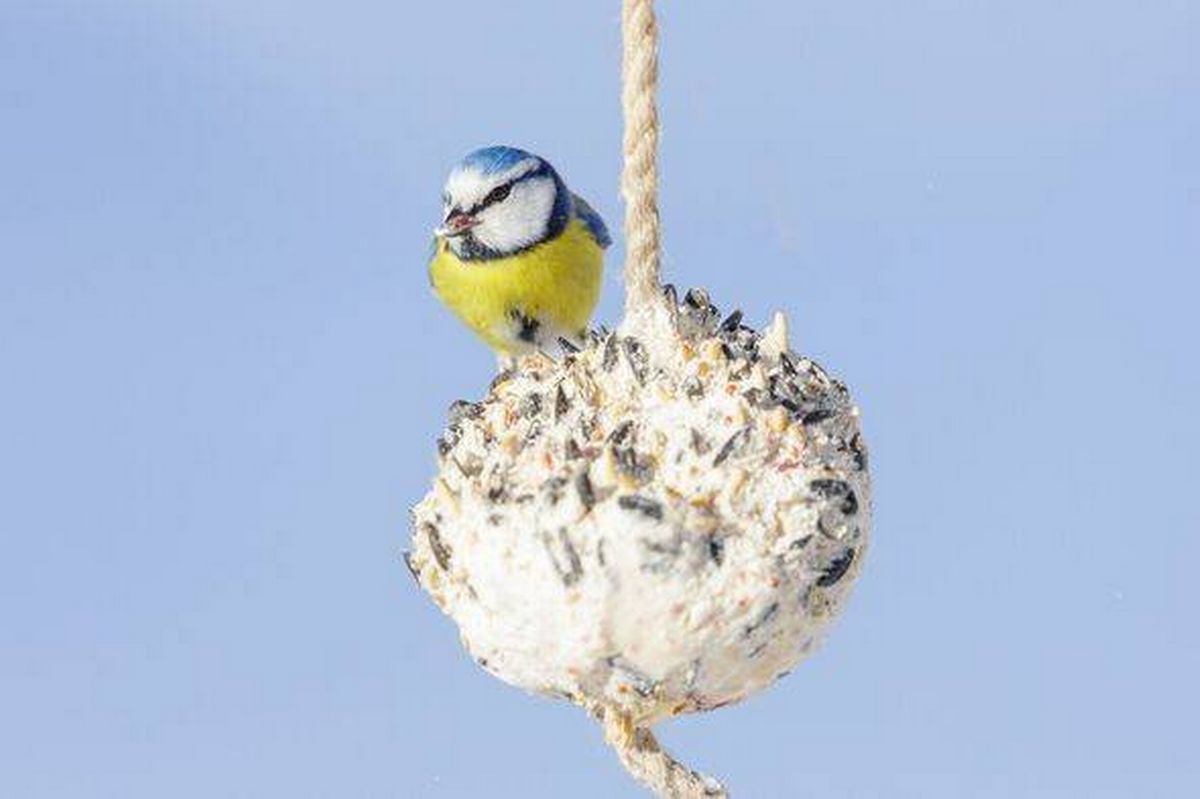
Make sure you’re providing the right food(Image: Getty)
The harsh winter months present significant challenges for wildlife, with natural food becoming increasingly difficult to find and brutal weather conditions threatening bird populations. For those keen to support local feathered friends through the cold season, selecting the appropriate bird feeder is essential.
Richard Green, a bird feeding expert from Kennedy Wild Bird Food & Pet Supplies, has shared valuable advice on how gardeners can assist birds during different times of the year, emphasising that understanding seasonal dietary requirements is key.
He explained: “Get nutritious seeds like sunflower, nyjer, and safflower, and avoid fillers such as bread or cracked corn. Think about the season too, as suet is good for winter, while nectar is perfect for summer.”
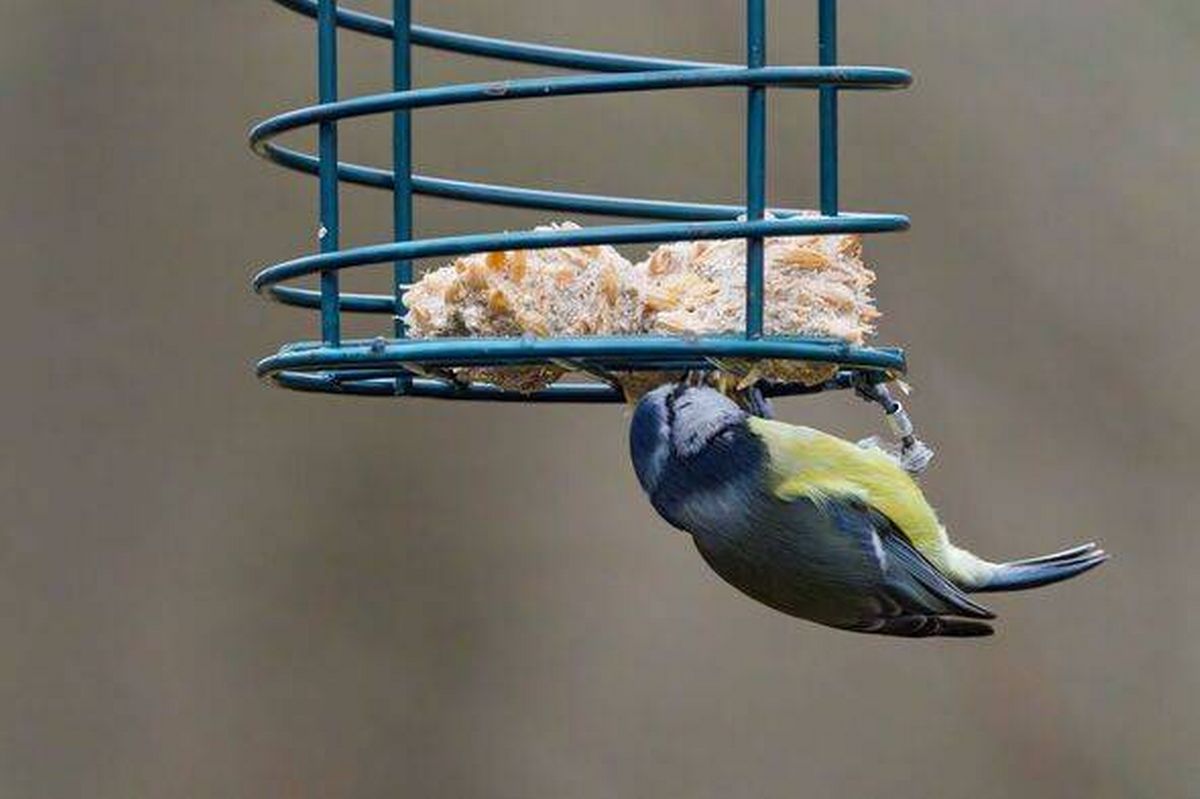
Make sure you have the right kind of feeder(Image: Getty)
Choosing the correct feeder type is equally vital for attracting specific bird species to your garden. Richard advised: “Small birds, like finches and tits, favour tube feeders, while ground-feeding birds like robins prefer platform feeders.”
After selecting an appropriate feeder, proper placement within your outdoor space becomes crucial for success, reports the Express.
Richard stressed: “Position it in a sheltered spot, away from predators and at least a metre from windows to prevent collisions.
Make sure your feeders are sturdy and weather-protected will keep birds safe and encourage regular visits.
“Make sure the space is safe, as animals like cats and squirrels pose a real threat. Placing feeders where birds have cover and limiting access for larger predators will give birds the confidence to feed and return safely.”
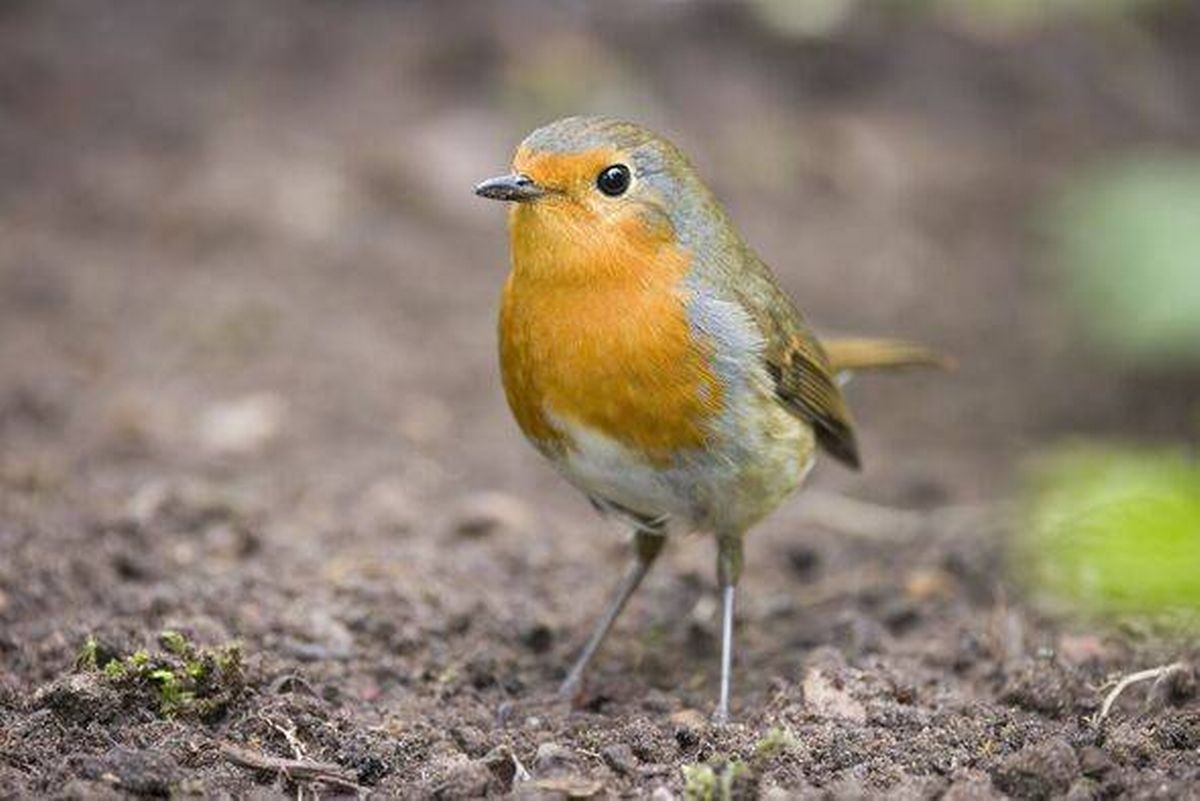
Robins prefer ground feeding(Image: Getty)
After selecting appropriate food and positioning your feeder correctly, regular maintenance is essential to prevent accidentally harming visiting birds.
Richard explained: “A thorough clean every couple of weeks is important, as dirty feeders are a breeding ground for bacteria, mould, and disease. Birds are much more likely to visit feeders that are well-maintained.”
Alongside providing food, ensure you also supply fresh, clean water for birds to drink and bathe in.
By following these straightforward steps, you can transform your garden into a sanctuary for British wildlife and enjoy watching birds flit about your outdoor space throughout the year.
Comments are closed.