
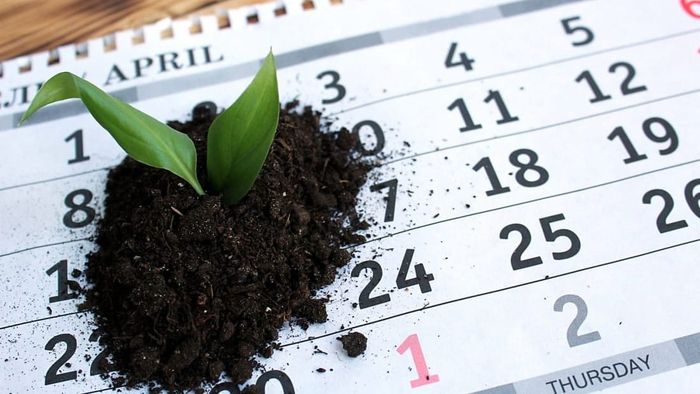
GARDENER’S YEAR: Make a note of what needs doing when (Image: Snezhana Kudryavtseva/Getty)
Things are pretty quiet in the garden right now, but green shoots are already starting to appear, and it’ll be spring before you know it. Green-fingered expert, Hannah Stephenson, has shared a month-by-month guide to essential gardening tasks, so you can jot down reminders of what needs doing when.
January
Check insulation around outside taps and carry out repairs to damaged fence panels, greenhouses and sheds. If it’s been windy but not wet, water container plants as anything which is coming to life will need a drink.
Prune wisteria once side shoots are easily visible. Order seeds from catalogues and websites, and sow early crops such as lettuce, radishes and early carrots if you have a frost-free greenhouse.
READ MOREFebruary
Prune large flowered (Group 3) clematis, which flower on the current season’s growth in mid to late summer. Trim back deciduous hedging before birds start nesting in it.
Plant summer-flowering bulbs such as lilies either directly into borders, if the ground isn’t frozen or waterlogged, or in pots. Plant bare-rooted shrubs, including roses, and bare-rooted raspberry canes.
March
Begin hoeing off weed seedlings as they appear and removing pernicious weeds by hand. Mulch the soil with a generous layer of organic matter (up to 5cm deep) to enrich the ground and suppress weeds.
Plant out pot-grown trees, shrubs and climbers. Prune shrub, bush and climbing roses, Buddleia davidii, dogwoods with coloured winter stems and willows. Lay new turf while the soil is still quite moist but is warming up.

April
Slugs will decimate young plants, so set beer traps, place eggshells around vulnerable leaves, or simply pick them off by hand. Alternatively try a biological control, a nematode that attacks them which can be watered on to the soil.
Deadhead daffodils and other spring-flowering bulbs before the seedheads start to form, so the bulb’s energy is focused on next year’s flowers. Continue to sow vegetable seeds such as broad beans, peas and lettuce direct into prepared soil. Clean out overcrowded ponds and divide large clumps of waterlilies.
May
Plant summer bedding in borders, containers and hanging baskets when the danger of frost has passed and keep them well-watered. Prune early-flowering shrubs such as forsythia and Japanese quince, to encourage flowering next year.
Sow indoor seeds of French beans, courgettes, runner beans and sweetcorn into cells or small pots. Place them on a sunny windowsill to encourage them to germinate, and they will be ready to plant out in early June.
Place straw around strawberry plants to prevent fruitlets from getting wet from the ground or being attacked by slugs. Keep mowing and feeding your lawn once the grass is growing well, and lower the mower blades slightly as the season progresses.
June
Plant tomatoes in the garden, ensuring they are well-watered, and begin feeding them regularly. Fill any gaps in borders with summer bedding or ornamental vegetables such as Swiss chard.
Remove any dead or damaged growth from deutzia, philadelphus and weigela which have finished flowering, cutting back to a stem joint or leaf. Thin out fruit on established apple, pear and plum trees to encourage the remaining fruits to grow larger.
Dig up spent tulip and hyacinth bulbs and store them away in a cool, dark shed until they are ready for planting again in autumn. Regularly water and feed containers and hanging baskets. Mow the lawn regularly.
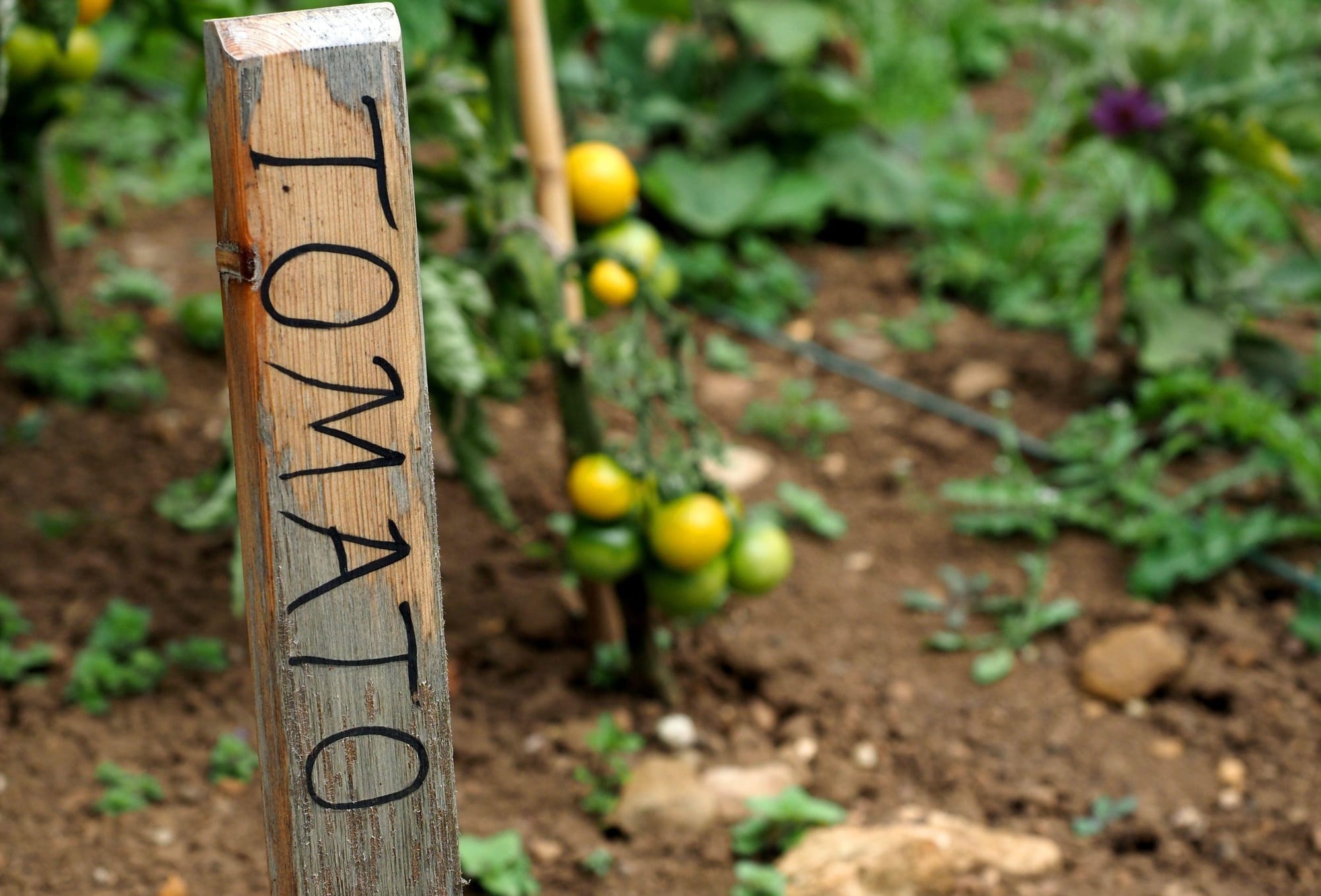 HUNGRY PLANTS: Coffee grounds contain the nitrogen, phosphorus and potassium that tomatoes need (Image: PA)July
Cut lavender for drying. Prune roses that produce a single flush of flowers once they have finished blooming. Propagate some of your favourite shrubs using semi-ripe cuttings – suitable candidates include ceanothus, lavender, skimmia, escallonia and photinia.
Make sure tomatoes, aubergines and peppers are well-watered and given a high-potash liquid fertiliser. Top up bird baths and other containers to help wildlife during dry spells.
Make arrangements if you are going away on your summer holiday – ask family, friends and neighbours to water the garden for you. Group all pots together in a shady spot, deadhead everything, water well and hope for the best.
August
Harvest seeds from plants you want to propagate, including sweet peas, nigella, poppies and nasturtiums. Take cuttings from pelargoniums, fuchsias and other tender perennials. Plant autumn-blooming bulbs such as autumn crocuses, sternbergias and colchicums.
Top up water levels in ponds. Collect any diseased fallen leaves from beneath roses. Any debris from leaves with blackspot, mildew or rust could cause issues next year if not removed.
Remove some leaves from tomato plants to allow sunlight to ripen the fruit. If you return from holiday to find your container bedding plants have dried out beyond saving, discard them and focus on autumn and winter planting displays.
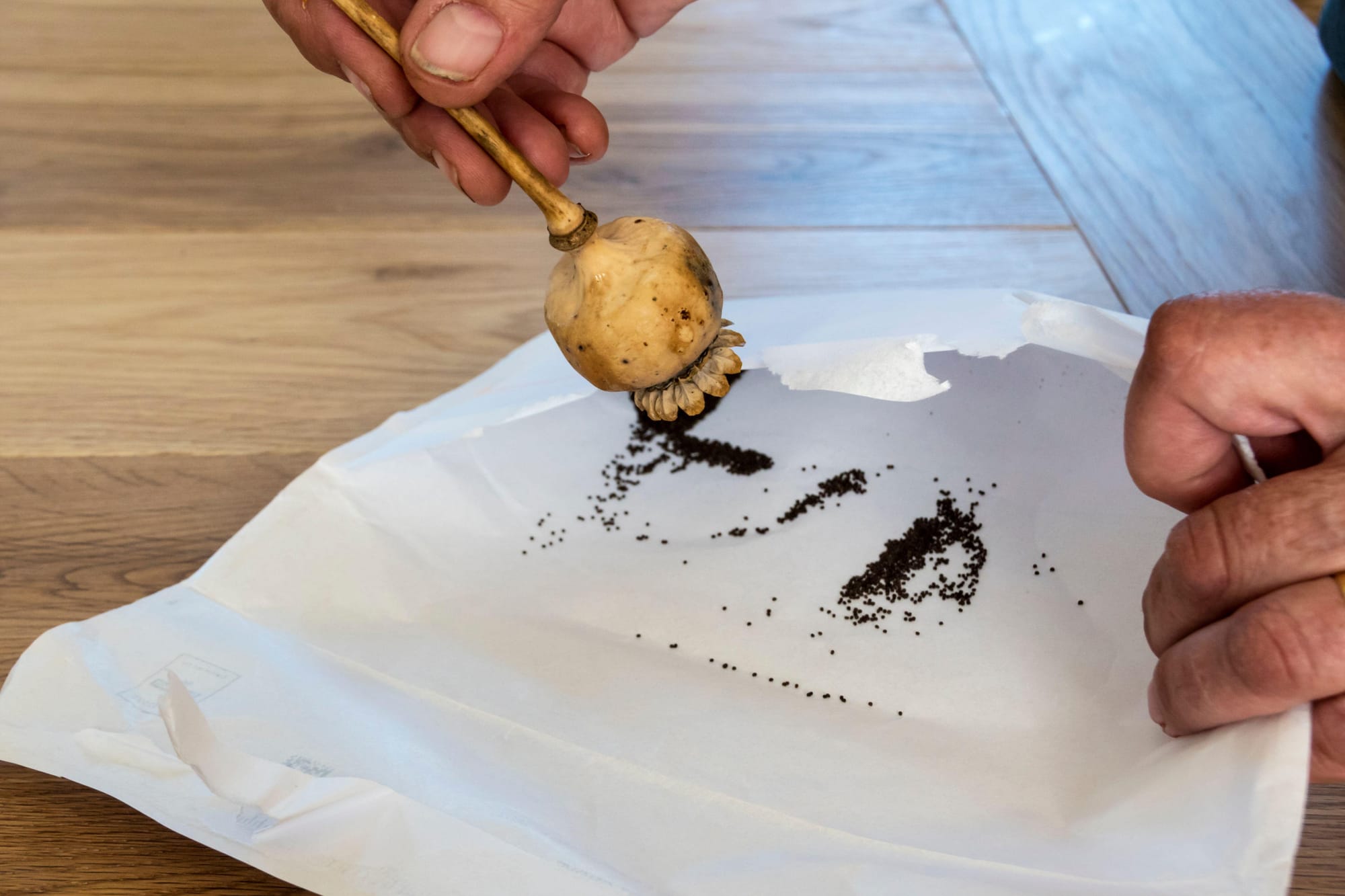 FREE FLOWERS: Shake out dried poppy heads and collect the seeds (Image: PA)September
Plant spring bulbs. Lift and divide clumps of overcrowded perennials that have finished flowering and replant them – this will result in smaller but more vigorous new plants.
Thin out aquatic plants and cover your pond with netting to prevent leaves from falling in. Start a new compost heap – clearing the garden in autumn will provide plenty of old plant material to get you started.
Give the lawn a boost by raking out moss and weeds and aerating it. Keep harvesting crops including courgettes, green beans, tomatoes, sweetcorn, cabbages, autumn cauliflower and onions, and work out how you’re going to preserve your gluts, whether it’s freezing, pickling or making passata.
October
Rake up autumn leaves and create leafmould. Place them in refuse bags with holes in them for ventilation and leave them out of the way for a year, by which time they will have turned into a black, crumbly mass.
Pot a clump of mint or parsley to bring indoors as a windowsill herb. Dry attractive seed heads, such as eryngiums and teasel, to use in indoor dried decorations. Lift and store summer bulbs such as cannas and gladioli. Reseed any bare patches on the lawn.
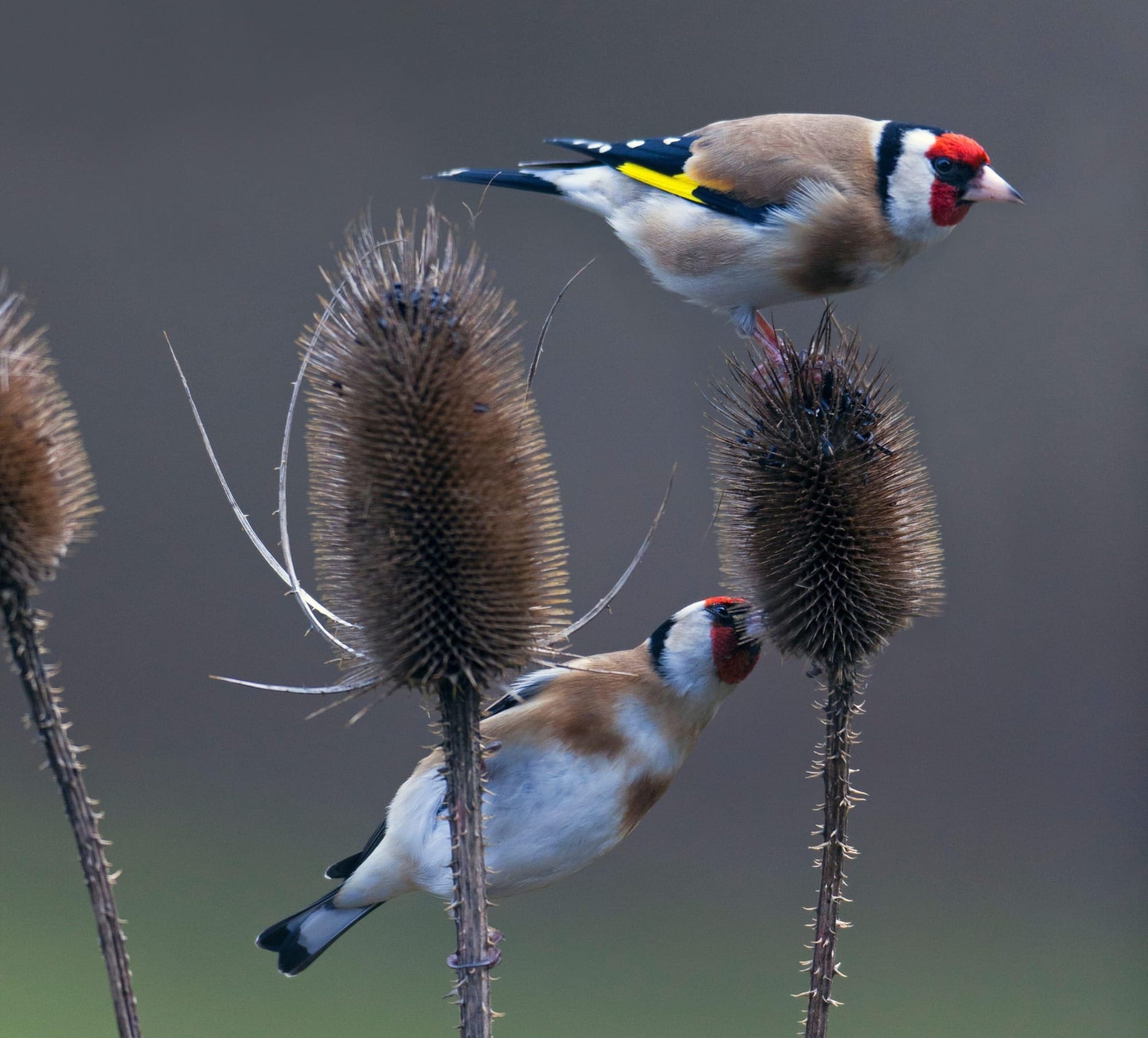 HELPING HAND: Goldfinches will appreciate you leaving teasel seedheads (Image: PA)November
Tidy up – but not too much. Leave some old stems and leaves to provide winter protection for insects and seedheads for the birds. November is the best month to plant tulip bulbs, as the cooler soil helps prevent the fungal disease tulip fire. Lift dahlias and store them in a cool, dark, dry place.
Give newly planted shrubs and trees some protection from the elements, even if it’s just a layer of horticultural fleece. Wrap containers in bubble wrap or other insulating material to stop the plants in them from freezing.
December
For a splash of winter colour, consider potting plants like skimmia, helleborus, winter-blooming heathers and cyclamen. Make your own Christmas wreath using cut foliage, berries and winter blossoms. Harvest brussels sprouts, parsnips and leeks in time for Christmas.
MORE ON GARDENING
Comments are closed.