
 Westend61//Getty ImagesDO: Pre-Order Spring Seeds, Bulbs and Plants
 Peter Dazeley//Getty Images
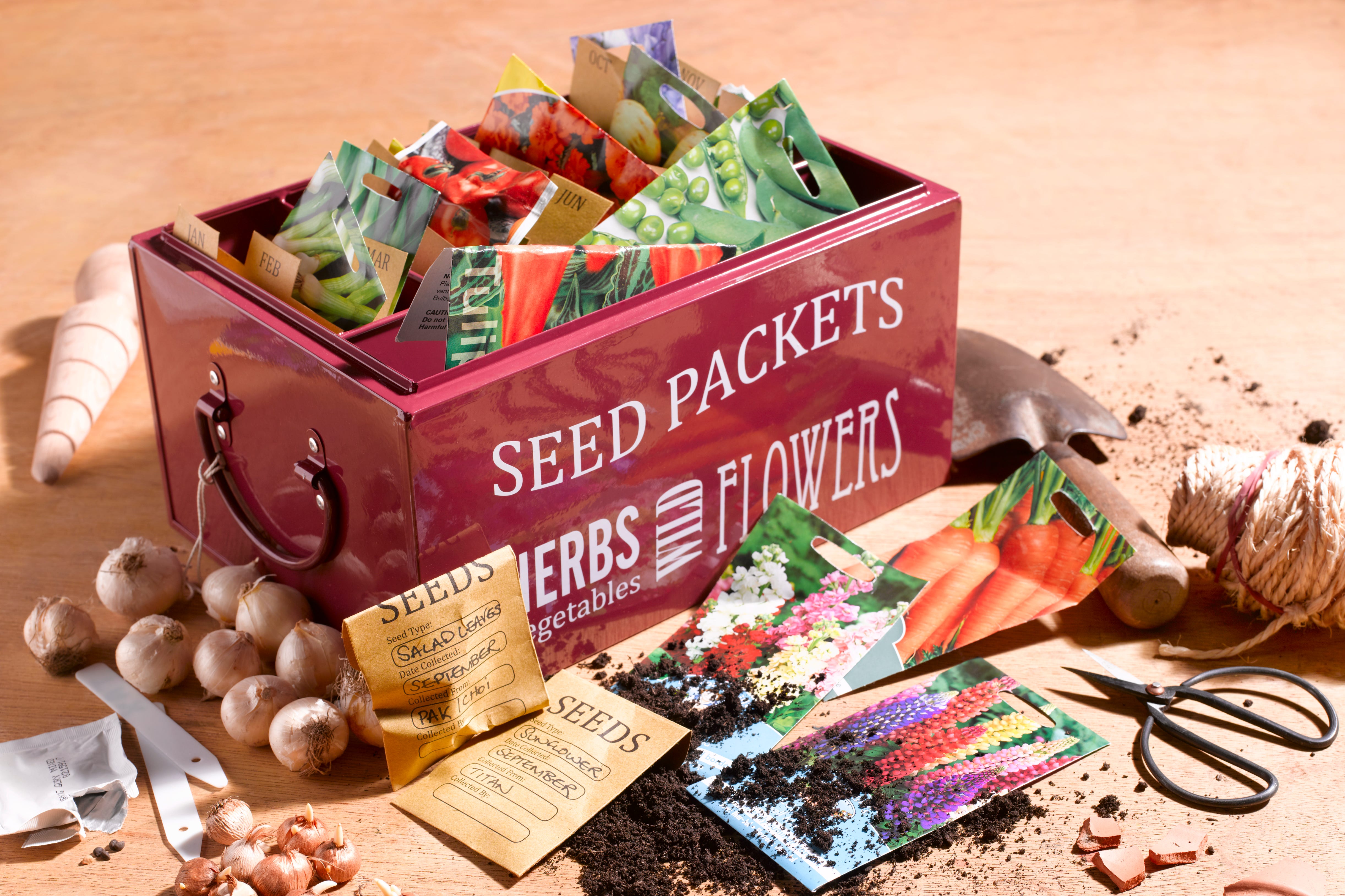
Winter is the ideal time to plan your garden and pre-order seeds and summer-flowering bulbs, such as cannas and dahlias, for spring planting. These items are available in limited quantities and often sell out during the height of growing season. By tackling this task during the winter, you’ll have time to mull over your choices and will get the best selection.
Most specialty nurseries ship bulbs and live plants when it’s time to plant in your hardiness zone; big box retailers may ship as soon as you order so read the fine print to be sure about shipping times.
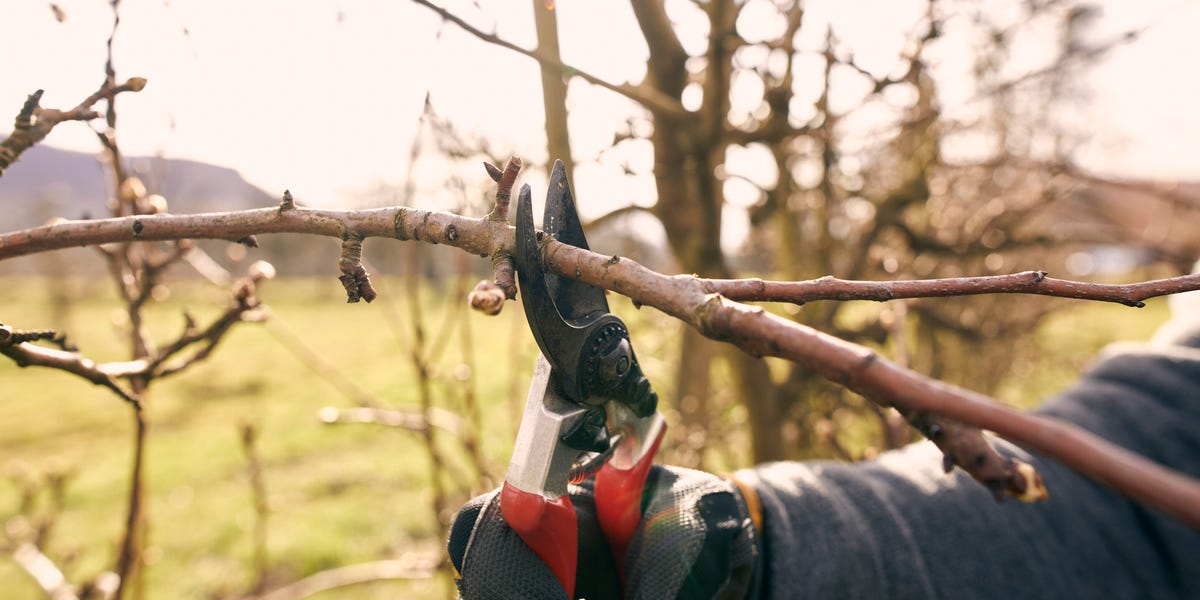
DO: Prune Deciduous Trees and Shrubs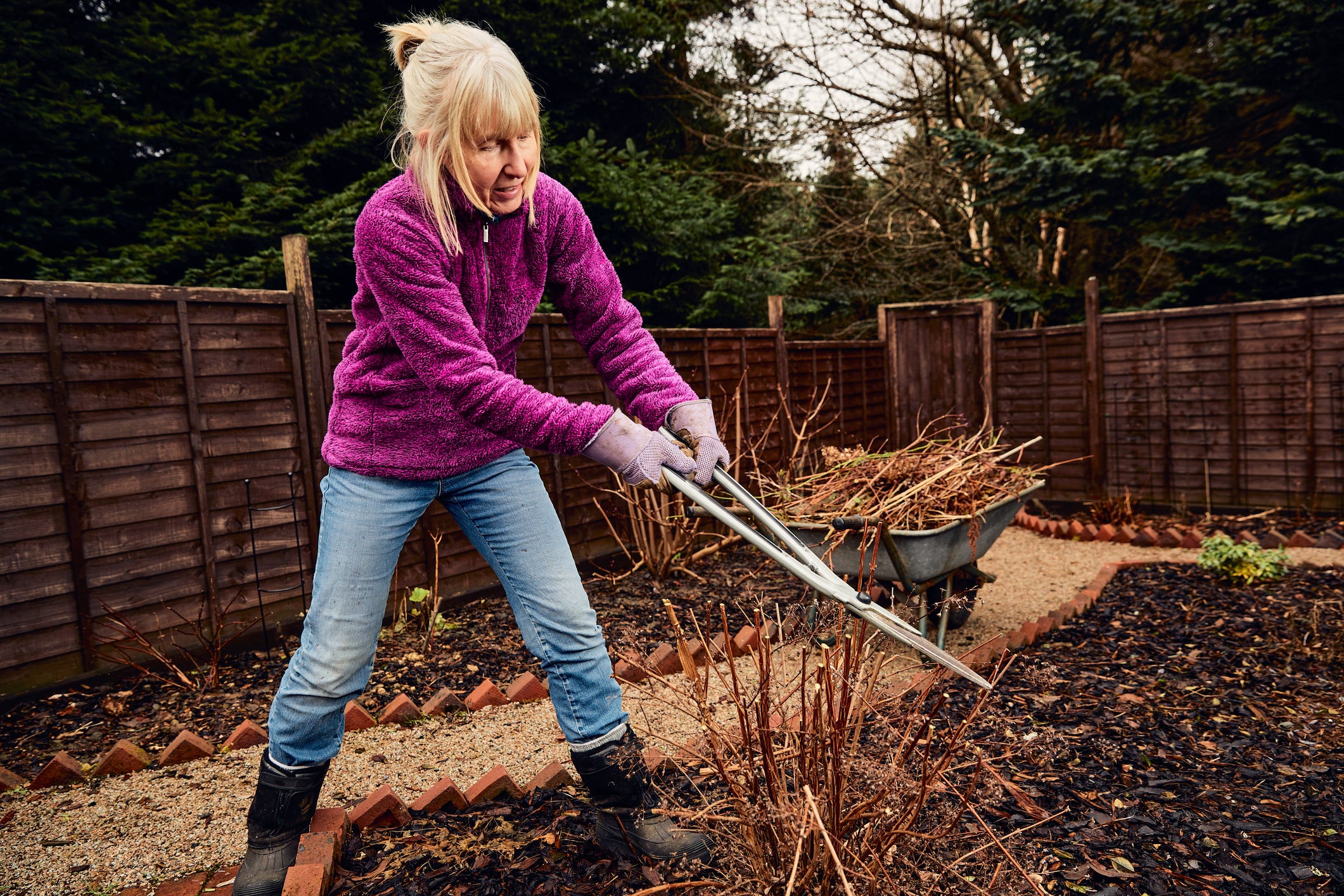 lucentius//Getty Images
This is one chore you don’t necessarily need to save for warm weather. In much of the country, mid to late winter is a good time to trim deciduous trees and shrubs, such as fruit trees and some species of hydrangeas.
However, avoid pruning spring-flowering plants, such as forsythia and lilac, or you will remove this year’s flowers.
Advertisement – Continue Reading Below
DO: Water Trees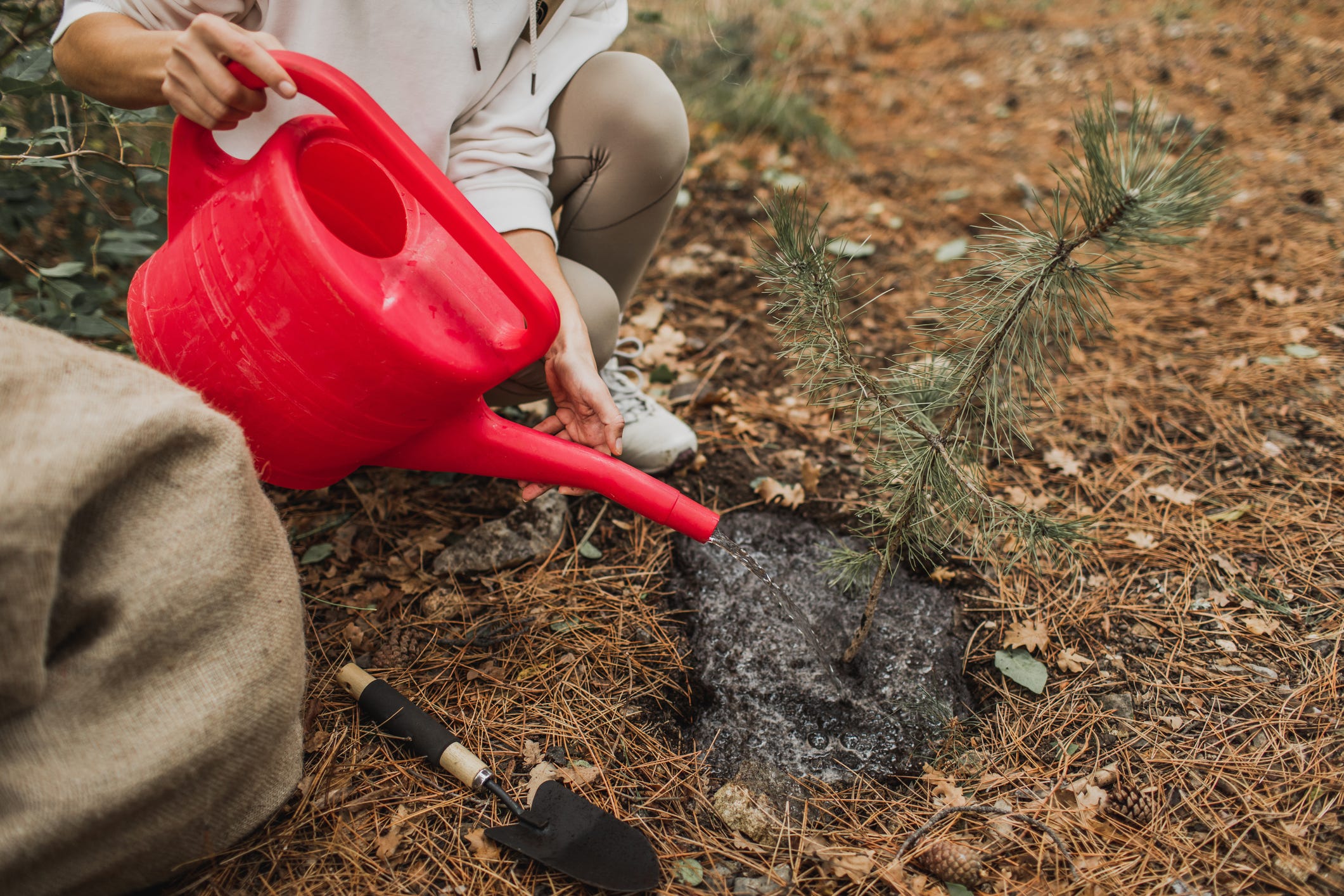 Anastasiia Krivenok//Getty Images
Trees don’t need to be watered as frequently as during the growing season. But if there’s no snow and little rain, you should water a couple of times a month—especially for trees planted in the last year. Water slowly when temperatures are warmer than 40 degrees and the ground isn’t frozen. Do it early in the day (mid-morning to early afternoon) so plants can absorb the water before temps drop when the sun goes down. Conifers and broadleaf evergreens, such as rhododendrons, continue to transpire in winter, so water them as well if it is especially dry.
Read more: 5 Rules to Follow When Planting Trees
DO: Monitor for Wildlife Damage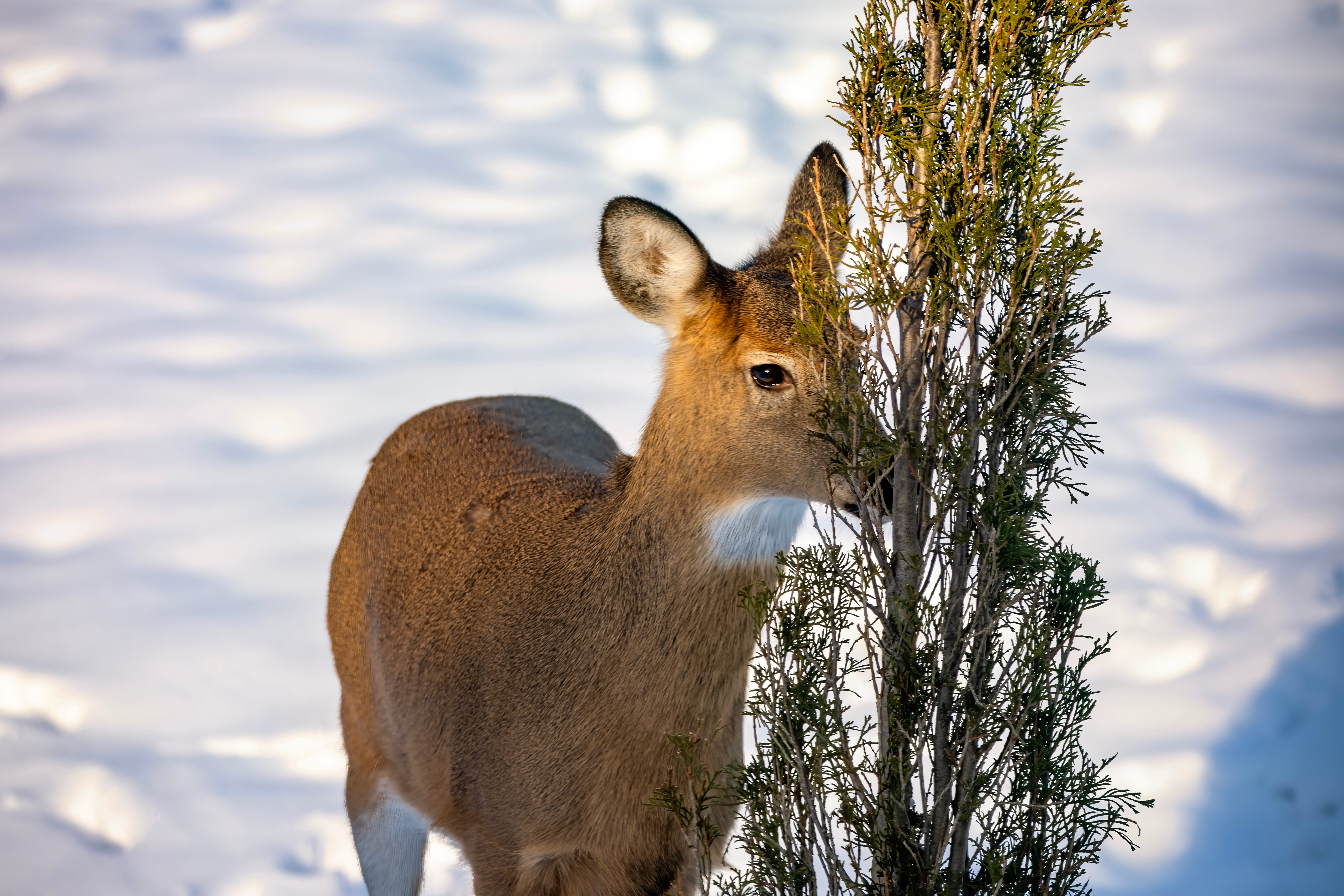 Ali Majdfar//Getty Images
Harsh weather may increase your odds of damage from hungry winter visitors such as deer. Take an occasional walk around your property to look for signs of deer browse (droppings and branches torn, not cut neatly, because deer have no front incisors) or rabbit damage (droppings and woody plants neatly clipped off). Use rabbit guards around trees and shrubs, and install deer netting around and over trees and shrubs that deer are browsing to prevent further damage. Repellants are not a great choice because they’re expensive, not particularly effective if damage has already occurred, and must be reapplied frequently, especially after rain or snow.
Read more: Deer-Resistant Plants Bambi Doesn’t Like
Advertisement – Continue Reading Below
DO: Remove Heavy Snow from Vulnerable Plants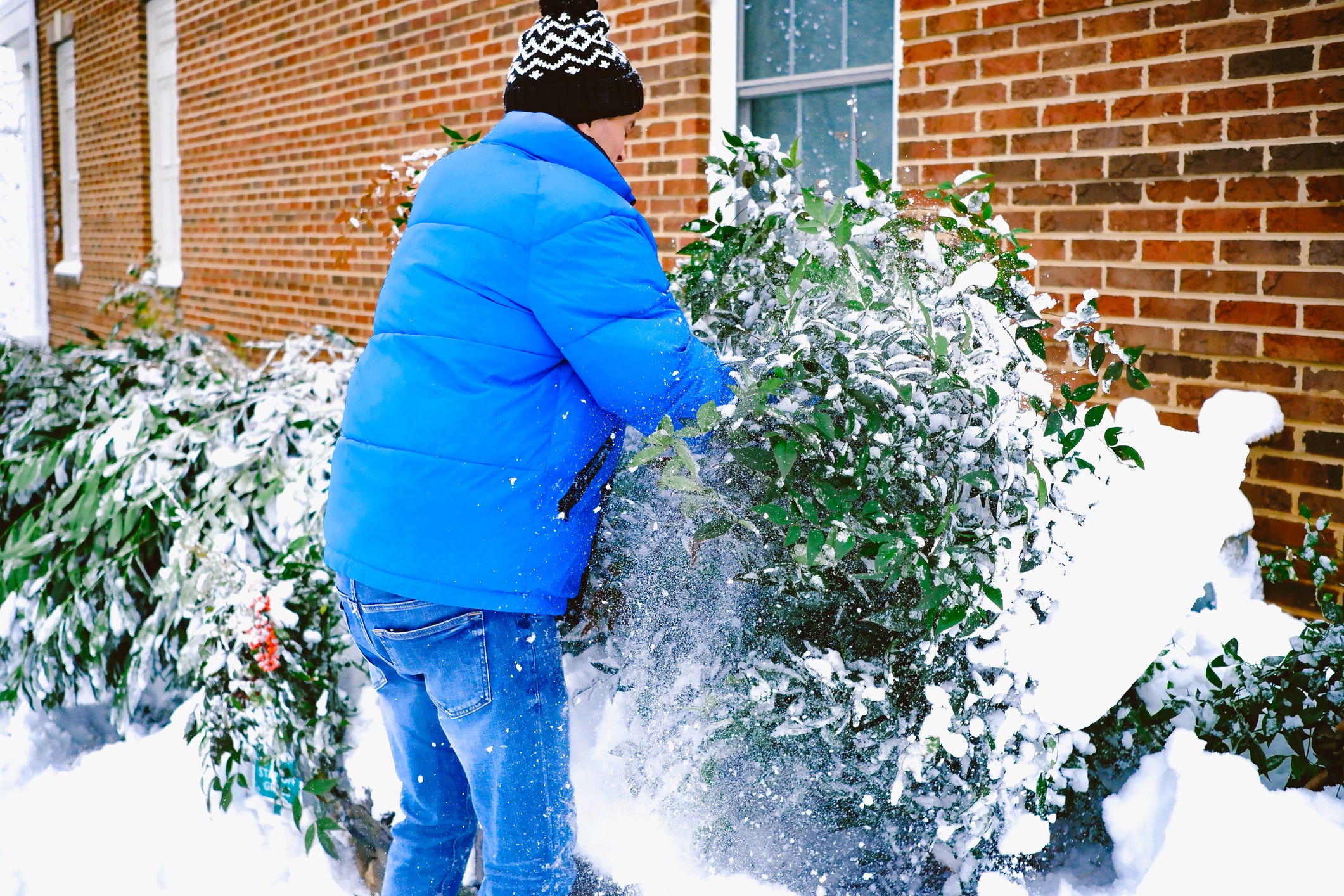 Grace Cary//Getty Images
While perennials will be just fine, you may want to brush snow gently off of plants such as globe-shaped arborvitaes or sheared boxwoods, which are more likely to be damaged by heavy snow loads. Use a broom or snowbrush to wipe downwards away from the trunk. However, if ice has already formed on the plant, you’ll need to wait it out. You can do more damage to buds and limbs by trying to shake it off.
Read more: When You Should—And Shouldn’t—Brush Snow Off Your Plants
DON’T: Turn Compost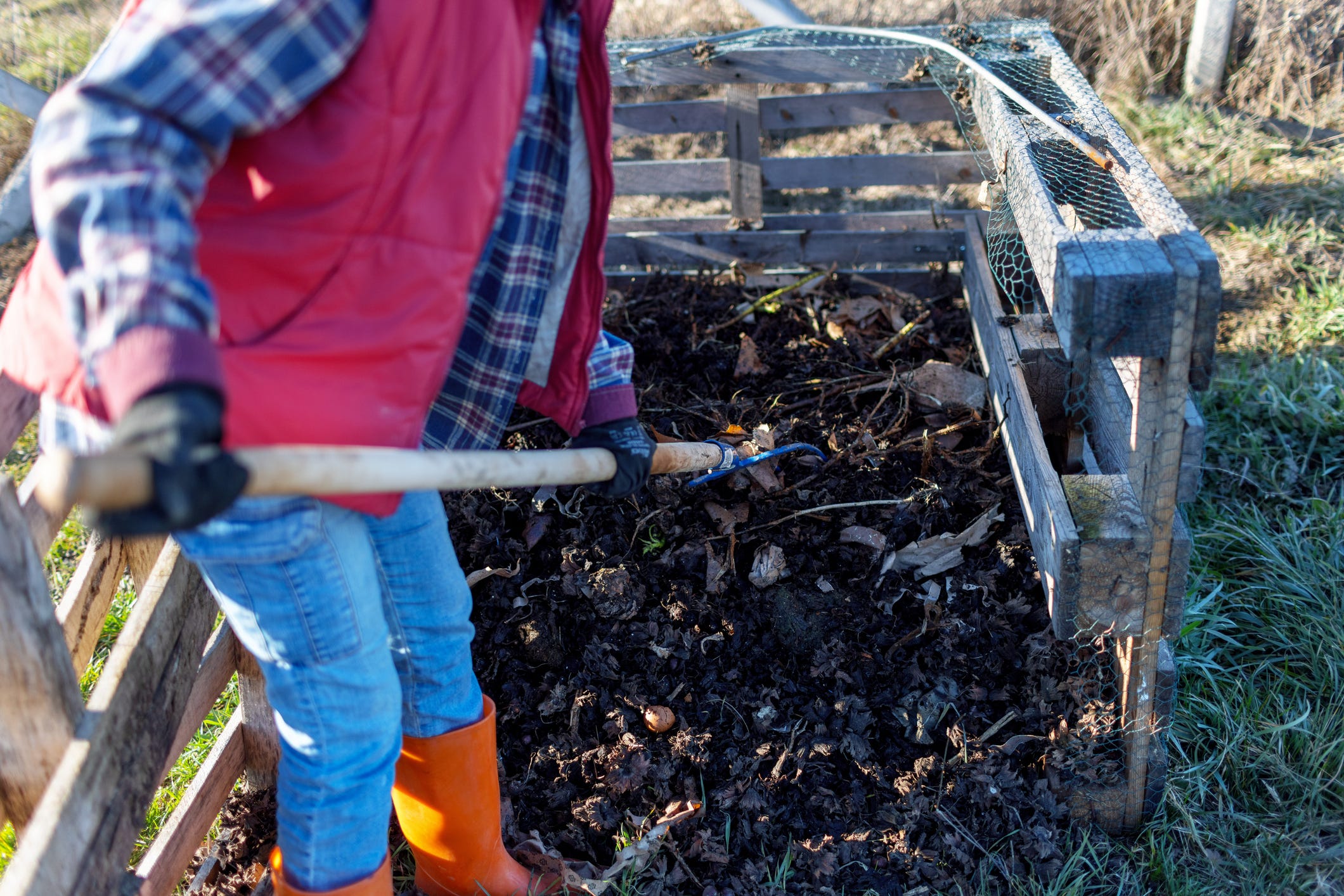 vgajic//Getty Images
Advertisement – Continue Reading Below
DON’T: Fertilize Plants 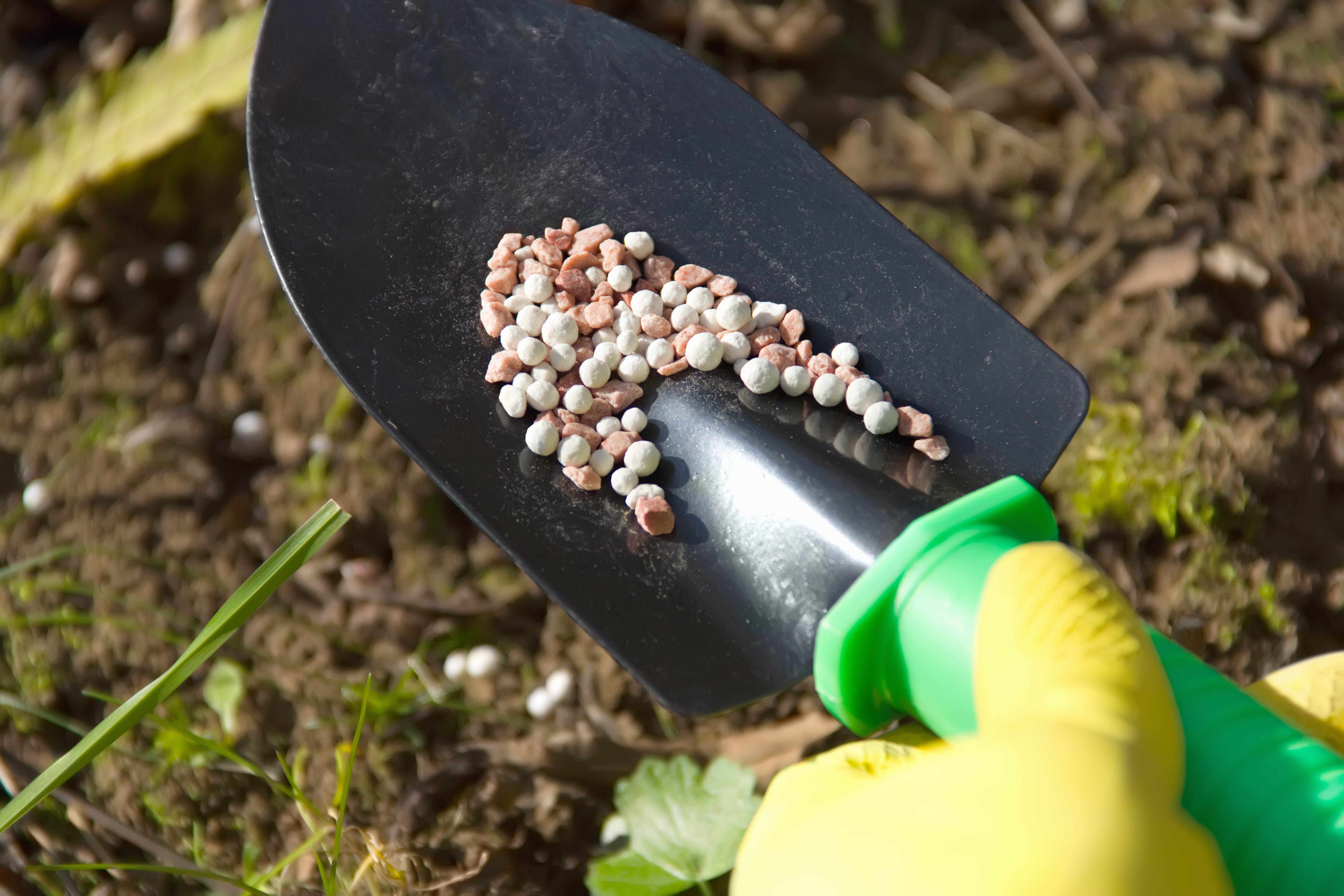 lutavia//Getty Images
While it’s okay to pile additional compost on empty garden beds or around shrubs, you don’t need to apply other types of fertilizers because plants aren’t pushing new growth—plus, it’s wasteful and can run off into waterways if plants aren’t taking it up. Even in sub-tropical climates such as South Florida, many plants go into dormancy or semi-dormancy. Save fertilizer until spring when plants are coming out of dormancy across the country.
Read more: What You Need to Know about Organic Fertilizer
DON’T: Clean Up Perennial Borders TorriPhoto//Getty Images
Is it a nice, sunny winter day? Resist the urge to do any further cleanup in garden beds. Even if you didn’t get around to a final sweep of leaves in beds, leave them be. Most of the leaves will break down anyhow by spring, and in the meantime, you’re providing food and shelter for wildlife such as insects, birds, and toads.
Watch Next


Advertisement – Continue Reading Below
Readers Also Read
Advertisement – Continue Reading Below
Advertisement – Continue Reading Below
Comments are closed.