
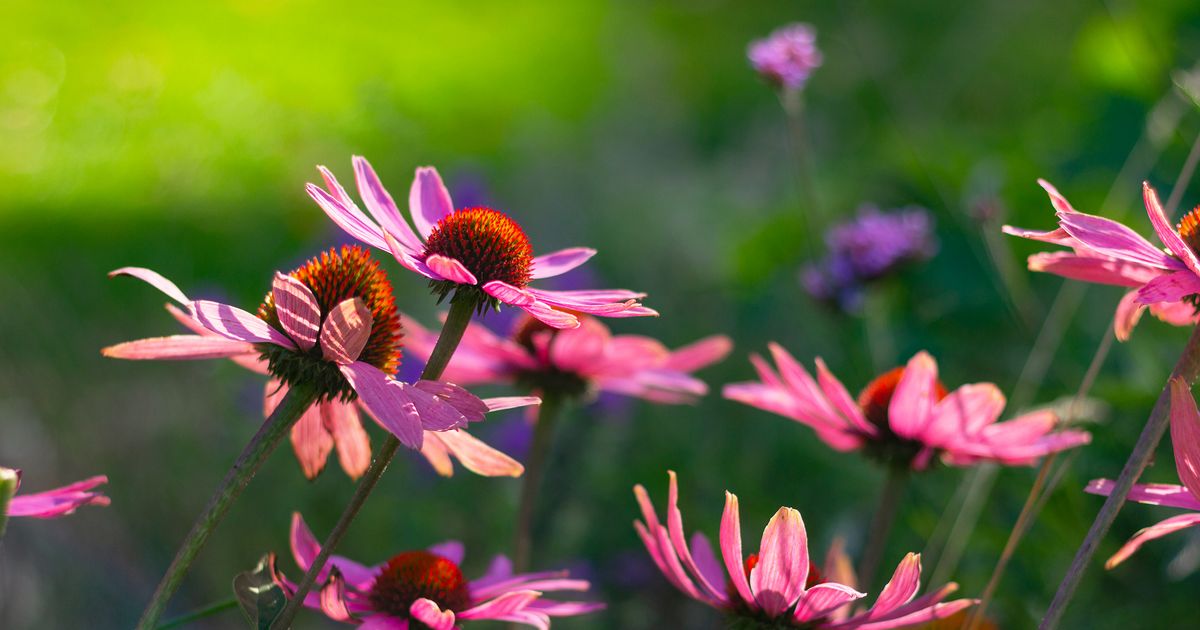
Wildflowers add colour to your garden and support pollinators and local wildlife
Vita Molyneux Travel reporter
04:38, 17 Jan 2026
This article contains affiliate links, we will receive a commission on any sales we generate from it. Learn more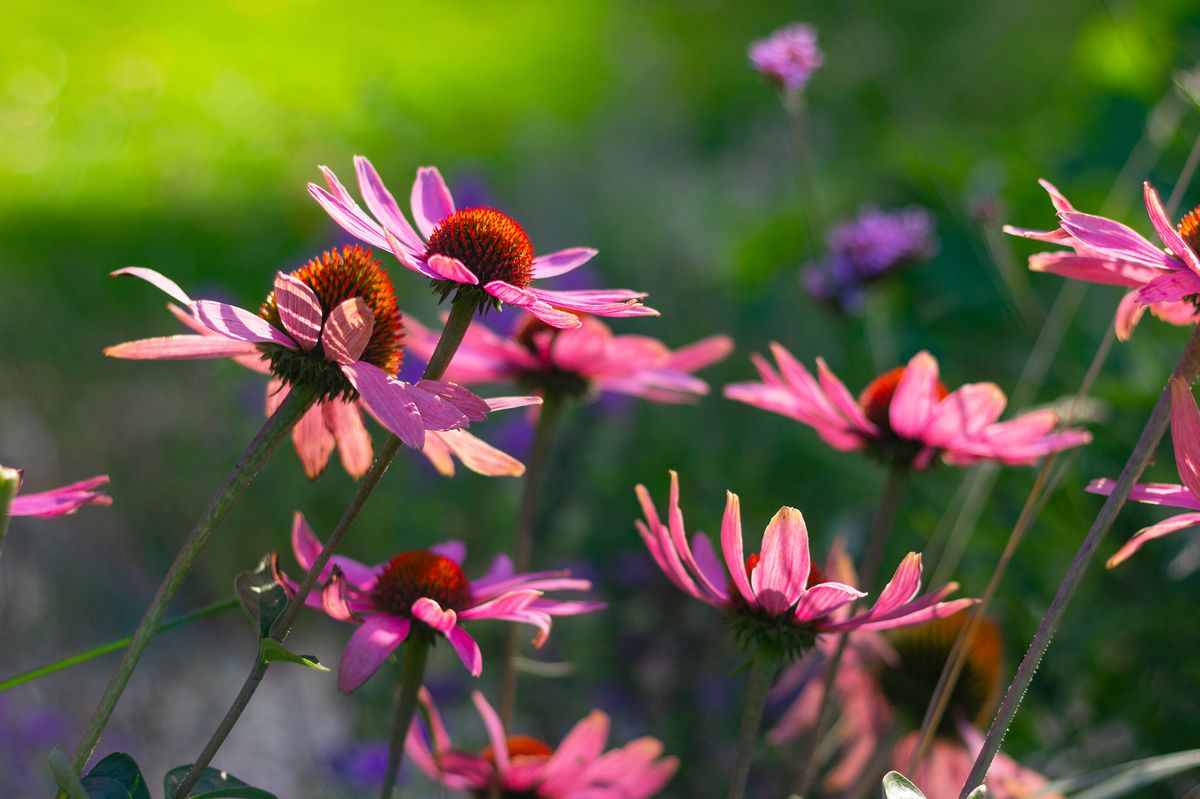
How to grow wildflowers(Image: )
Despite the current chill of winter, spring is just around the corner and soon the UK will be adorned with beautiful wildflowers.
Regrettably, since the 1930s, there has been a significant decline in UK wildflowers, with research indicating that up to 97 percent of wildflower meadows have disappeared.
If this concerns you and you wish to contribute to their restoration, it’s simpler than you might imagine. Eflorist’s flower and plant specialists have offered their best advice for cultivating your own wildflowers, and it requires minimal effort.
You don’t need a big garden to grow wildflowers – even a small patch of lawn will suffice.
How to grow wildflowers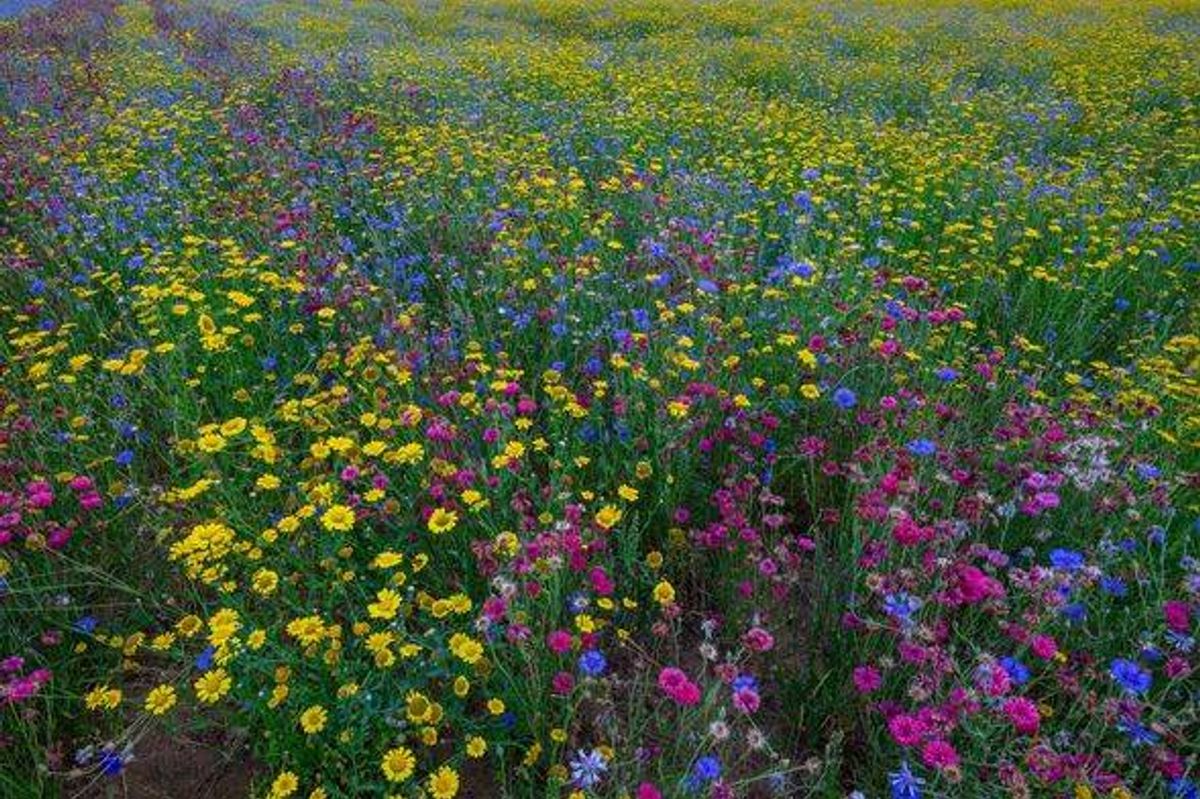
English wildflowers are in danger(Image: Getty)
Stop fertilising
The initial step is to cease fertilising your lawn. Wildflowers actually thrive in poor quality soil, so it’s advisable to reduce the nutrients in your grass and remove any grass cuttings.
Stop mowing
Until the arrival of spring, keep mowing of your lawn but once the season commences, stop mowing entirely, reports the Express.
This will allow you to identify what is already present in the soil as there may be some wildflowers ready to blossom.
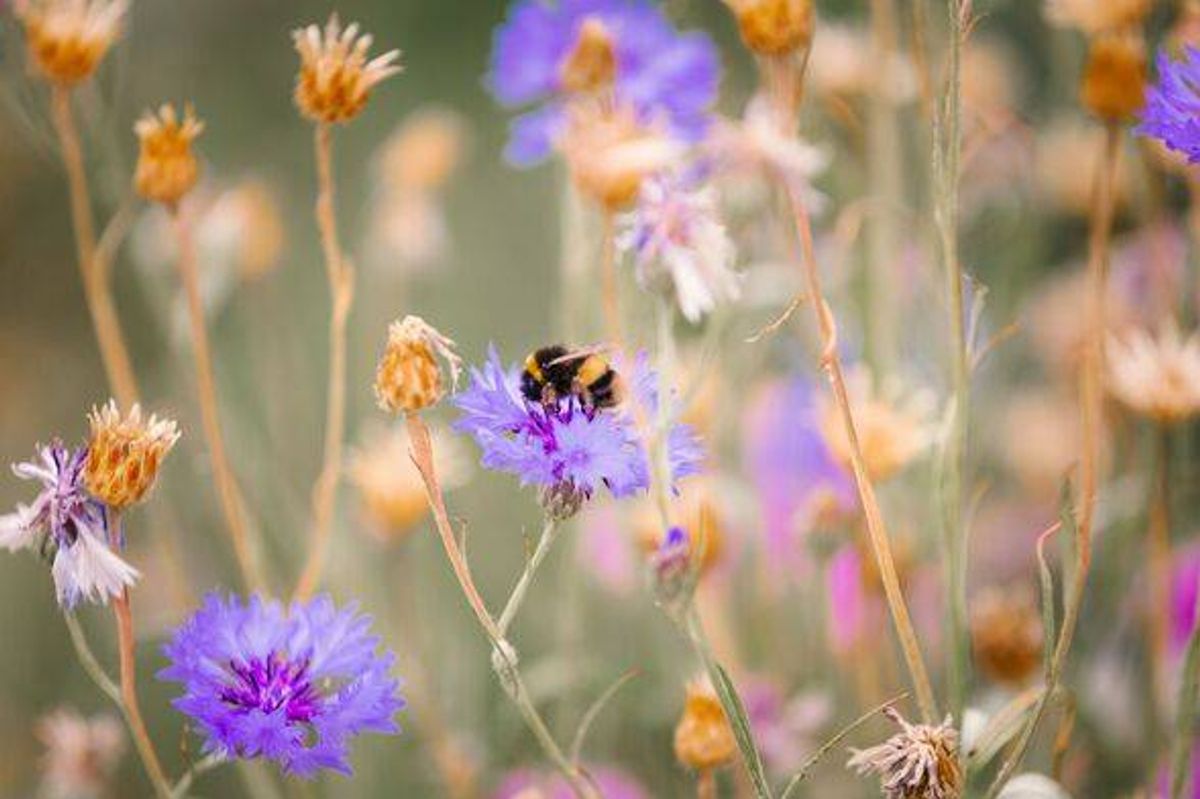
Grow your own beautiful wildflower meadow(Image: Getty)
Pick your plants
When it comes to planting time, typically early to mid-spring, you can select your seeds. Common meadow flowers include primrose, red and white clover, and cowslip.
It’s recommended to incorporate yellow rattle in your seed mix, as this will help manage your grass growth.
When and how to sow seeds
The best time to sow most seed mixes is from early to mid-spring. For those with lighter soil, autumn planting is possible, but the blooms won’t appear until the subsequent spring.
If your garden is prone to waterlogging, it’s best to hold off planting until spring.
For efficient planting, scatter the seeds over your selected area and then tread over the patch to ensure they’re well-embedded in the soil. There’s no need to cover wildflowers with soil – simply let them germinate naturally.
Once established, you can look forward to a stunning summer floral display.
After the flowers have bloomed, cut both the flowers and grass down to their base and leave them to dry for a week. This allows the garden to self-seed for the next year.
Comments are closed.