
Key Points
Trimming encroaching ivy protects fences, trees, and property by preventing rot, storm damage, and moisture buildup that attracts pests.You’re legally allowed to cut ivy back to your property line, as long as you don’t damage the main plant or cross boundaries.Talk with your neighbor first, then carefully prune at the boundary and maintain the edge regularly to prevent future overgrowth.
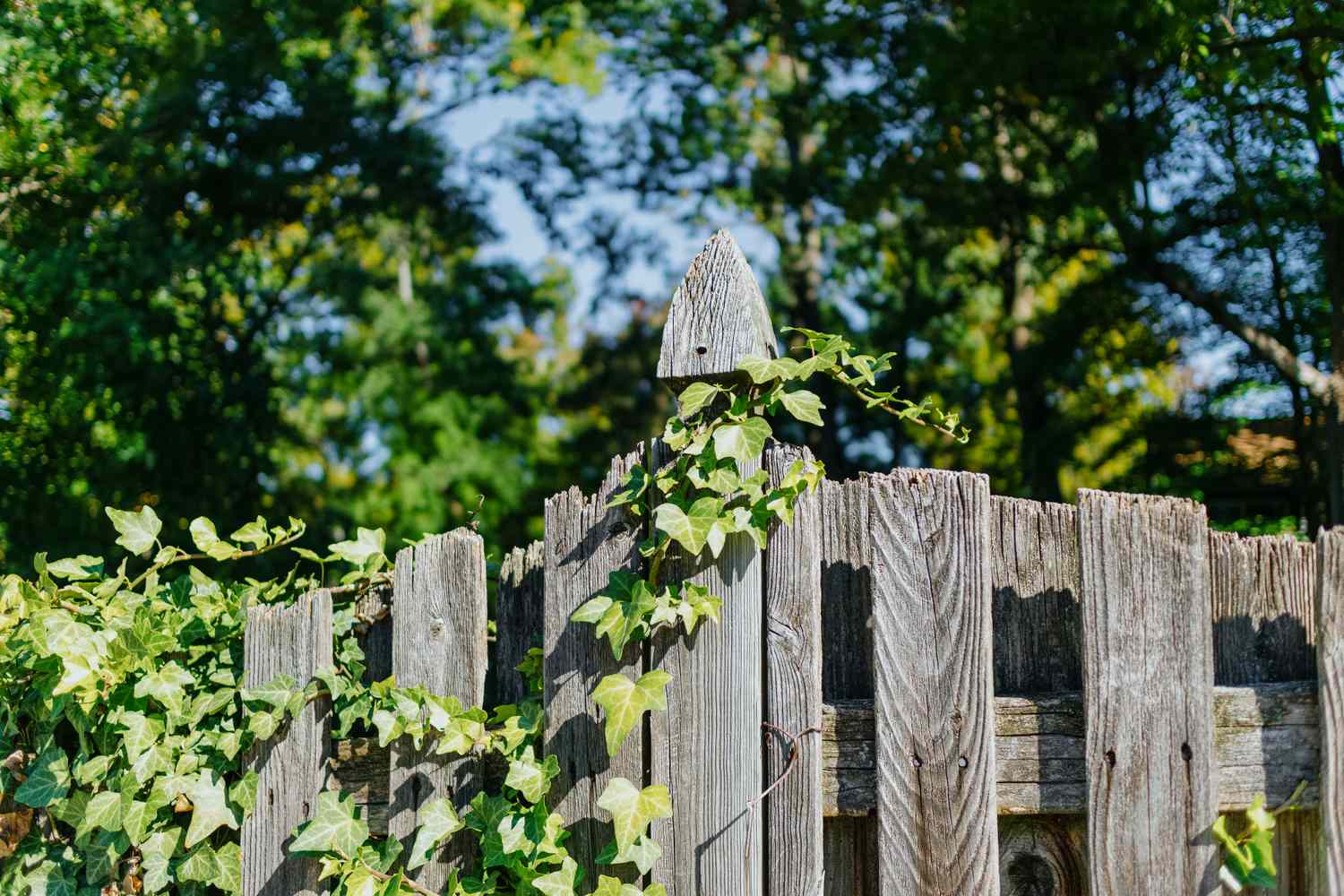
While ivy (Hedera) is a beautiful climbing plant that can add charm to a garden, it is also fast-growing, and many species are considered invasive.
Uncontrolled growth can cause issues, particularly when it invades neighboring properties. If you’re dealing with encroaching ivy from a neighbor’s yard, it’s important to handle the matter carefully and respectfully. Here, we spoke with experts about how to properly manage these conundrums.
Benefits of Trimming Ivy
Ivy is often seen as a romantic addition to gardens and landscapes; however, “Managing ivy is far more than an aesthetic choice—it’s a matter of structural preservation,” says Ankit Singh, assistant professor and ornamental horticulture educator at the University of Maine Extension.
Left unchecked, ivy creates a heavy, moisture-trapping canopy that can lead to wood rot in fences and wind sail effects in trees, increasing the risk of limb failure during storms.
“By intervening now (during the winter), you disrupt its primary growth cycle, making the plant significantly more manageable throughout the summer,” says Singh. Furthermore, clearing this density is the most effective non-chemical means of eliminating humid microclimates, which ticks and rodents need to thrive.
Is It Legal to Trim Ivy on Your Property?
It’s legal to trim your neighbor’s ivy back to your property line, says Jacob Gran, town manager of Bucksport, Maine—this applies in all 50 states.
“The ivy itself doesn’t automatically become your property, but you are allowed to remove vegetation that encroaches onto your land,” he says. When trimming, stop at the boundary line, and ensure you don’t damage the main plant—or trim anything that’s not on your property.
Talk to Your Neighbor First
It’s important to prioritize a respectful relationship with your neighbors and to encourage open communication. So if you’re thinking about trimming back the ivy on your property, talk to them beforehand. This can help avoid misunderstandings.
“Approaching the conversation respectfully can help avoid conflict and maintain a good relationship,” Gran says. Let your neighbor know that you only wish to trim back what is on your property, and that you won’t cross the boundary line.
If the neighbor refuses, then it becomes a civil matter. “If you can’t reach an agreement, you will need to consult an attorney to explore your options,” says Gran. Hopefully, the conversation will run smoothly, and both parties will leave satisfied.
How to Trim Ivy
The extent of ivy on your property will dictate the scope of the job. Keep in mind that English ivy can cause skin irritation, including itching, redness, and swelling in some people, so it’s essential to wear appropriate protective gear.
What You’ll Need
GlovesLong-sleeve shirtLoppers or hand clippers
Identify the Property Line
Clearly identify where your property line ends and your neighbor’s begins. You may want to invite your neighbor to this part of the process to ensure that you’re both in agreement.
Use Hand Pruners or Loppers
Start at the property line on the ground and work your way upward, using hand pruners for smaller vines and loppers for thicker, woodier stems. Cut all vines at the property boundary lines—don’t trim what’s on your neighbor’s property.
Carefully Detach and Pull
If ivy is growing on your fence, home, or other structures, then carefully pull the vines off, ensuring you don’t damage the surface, as the aerial roots can be very strong and difficult to remove. Pull lightly and slowly.
Place in a Compost Bin
After completing the job, place the ivy in a compost bin. However, if the ivy has flowers or seeds, then it’s best to dispose of it in the trash. This will prevent it from taking root in your compost.
Maintain the Barrier
Regularly check the pruned line for new growth, and trim it back accordingly.
Comments are closed.