
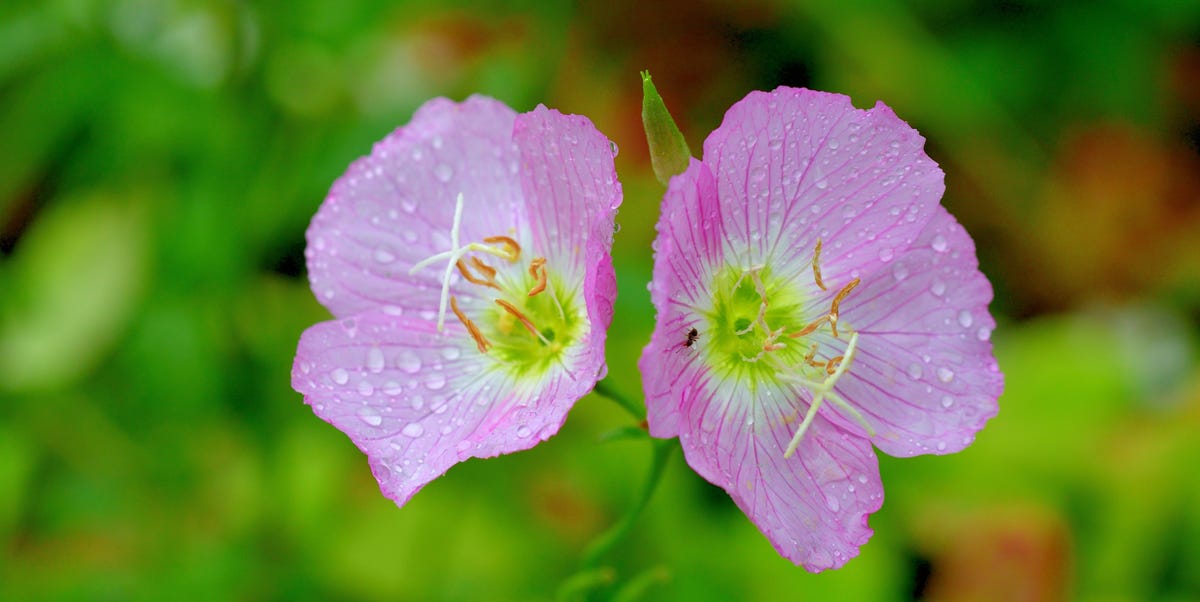
1Angels Trumpet 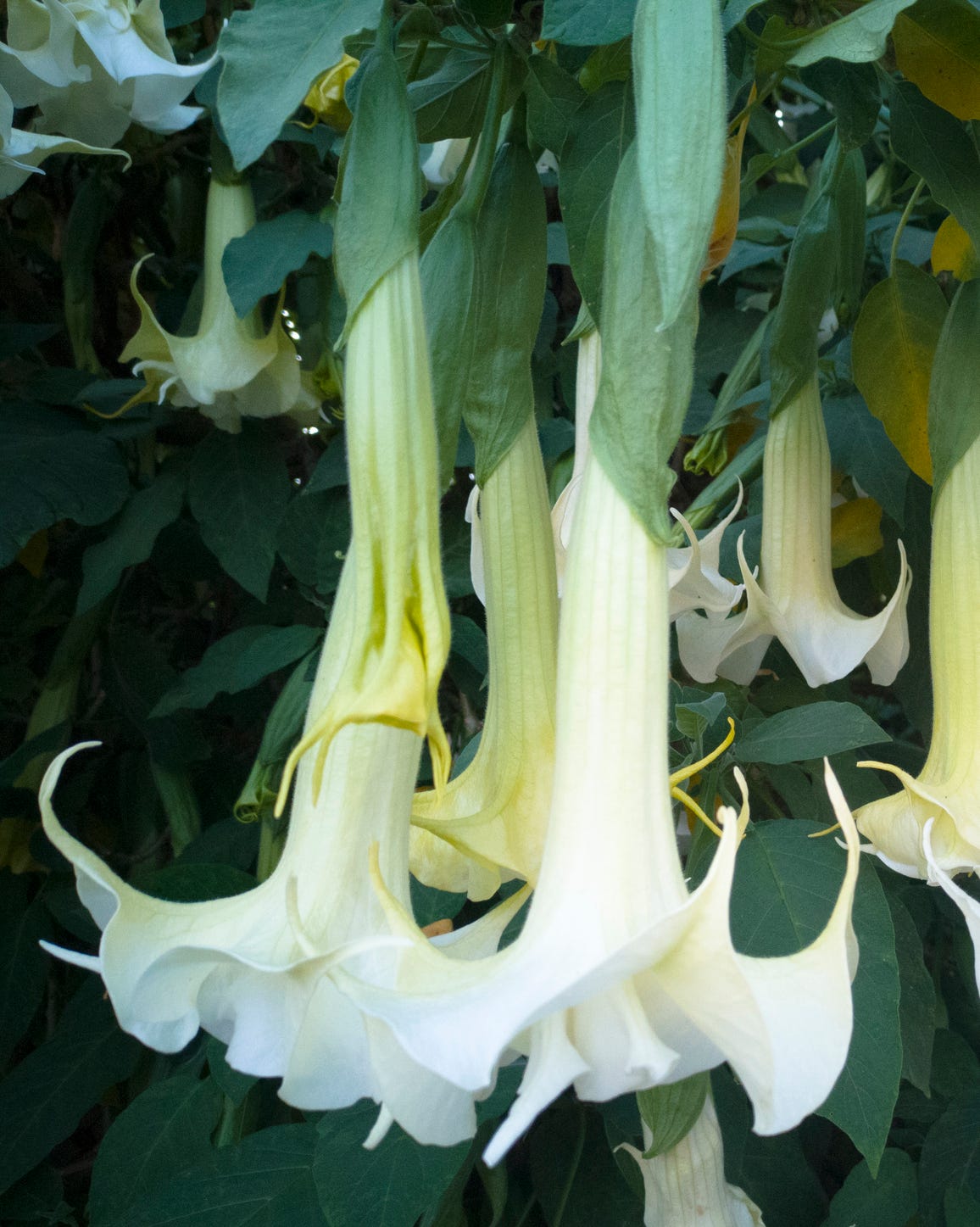
With tubular, trumpet-shaped, downward-facing flowers, Angels Trumpet (Brugmansia suaveolen) can reach up to 30 feet in its native habitat.
Some varieties, such as Brugmansia ‘Cypress Gardens,’ grow well in containers where they grow between 4 and 15 feet tall. The blooms emit a strong fragrance that is more notable at night. The flowers are most fully open at night, too.
2Night phlox 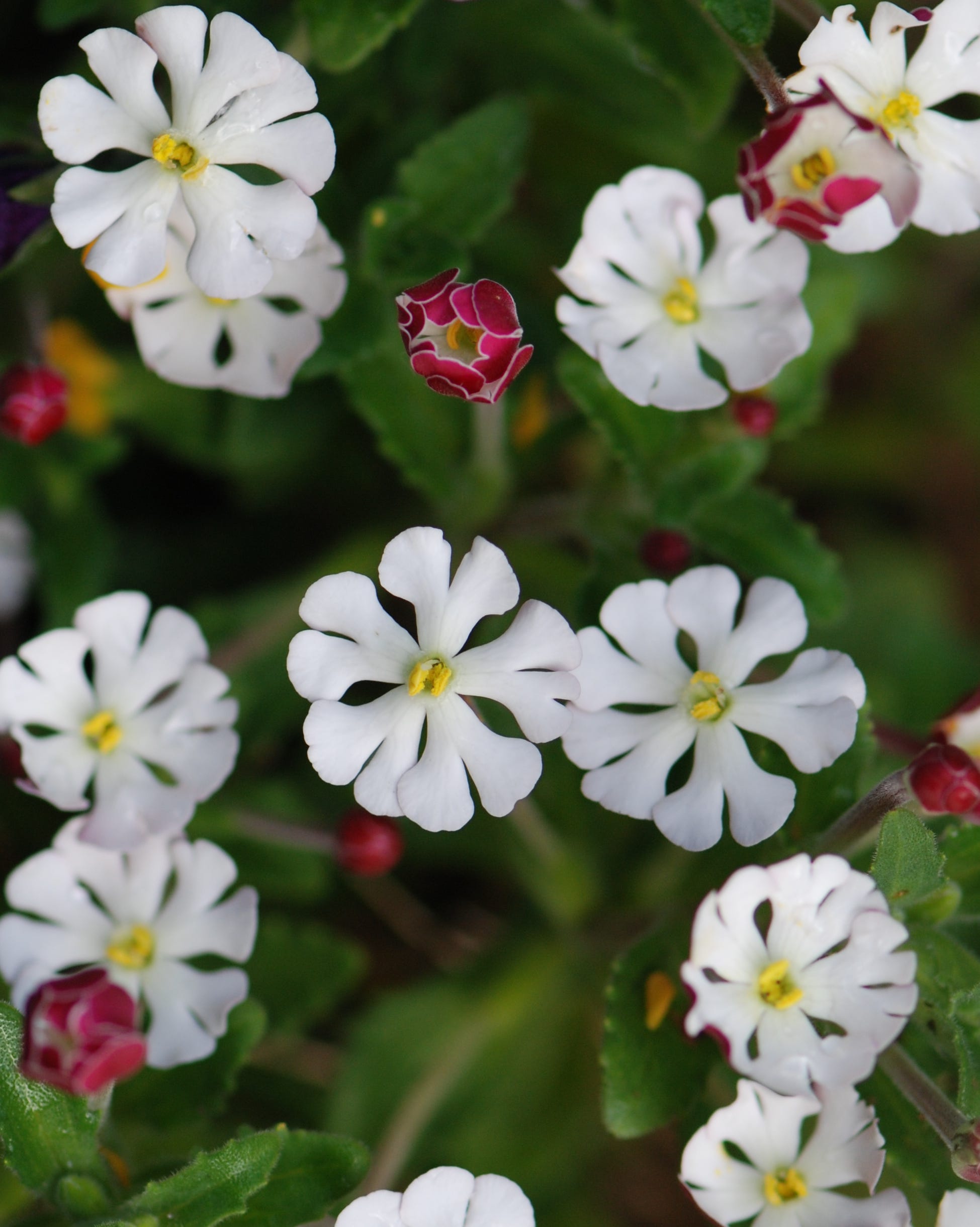
A native flower to South Africa, Night phlox (Zaluzianskya ovata) looks similar to small daisies, but with more pronounced petals. At sunset, night phlox emits a sweet scent reminiscent of honey.
Advertisement – Continue Reading Below
3Evening Primrose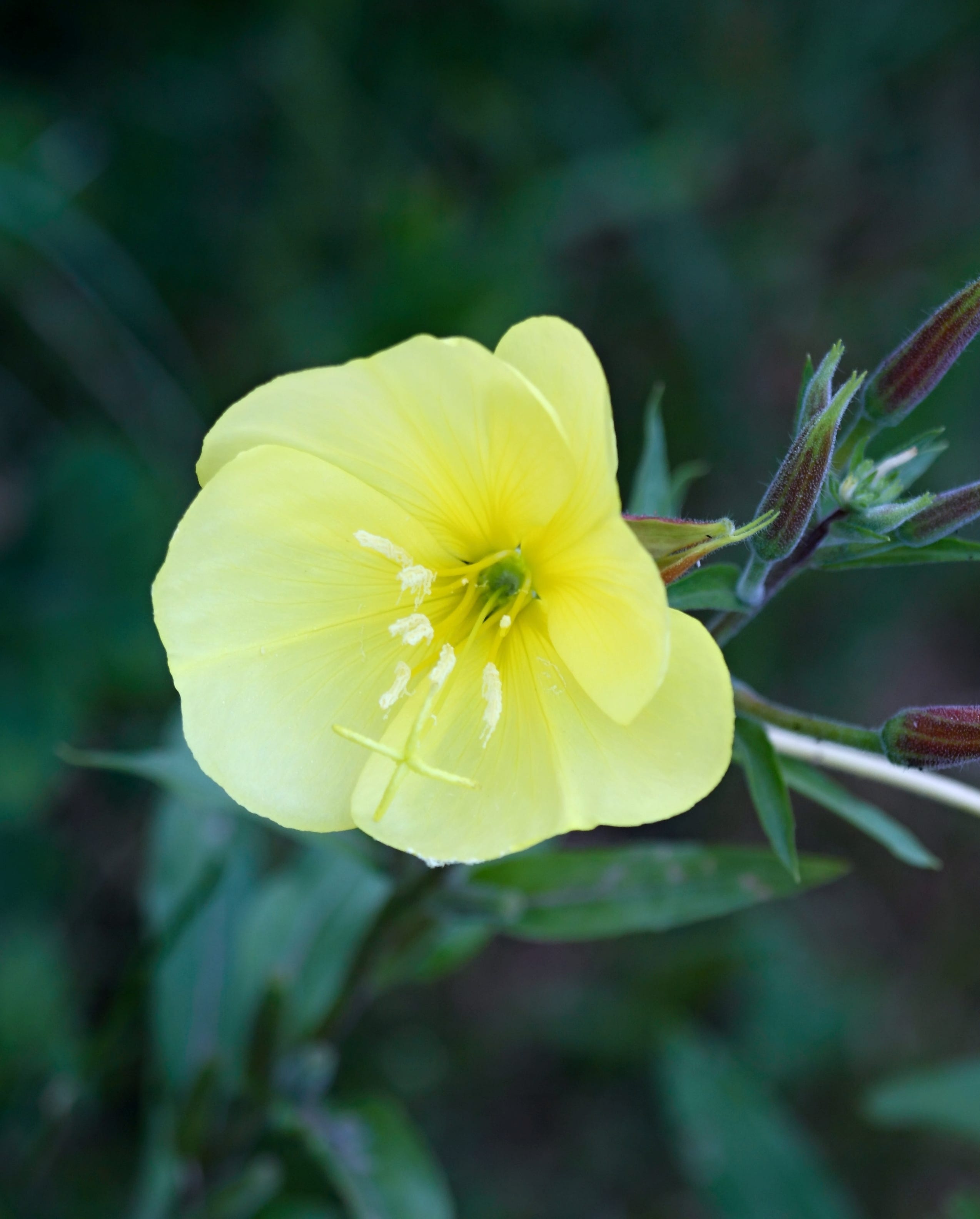
Evening Primrose (Oenothera biennis) starts to open when the sun sets, showing off bright yellow petals. Flowers bloom from the spring to the end of summer.
4Flowering Tobacco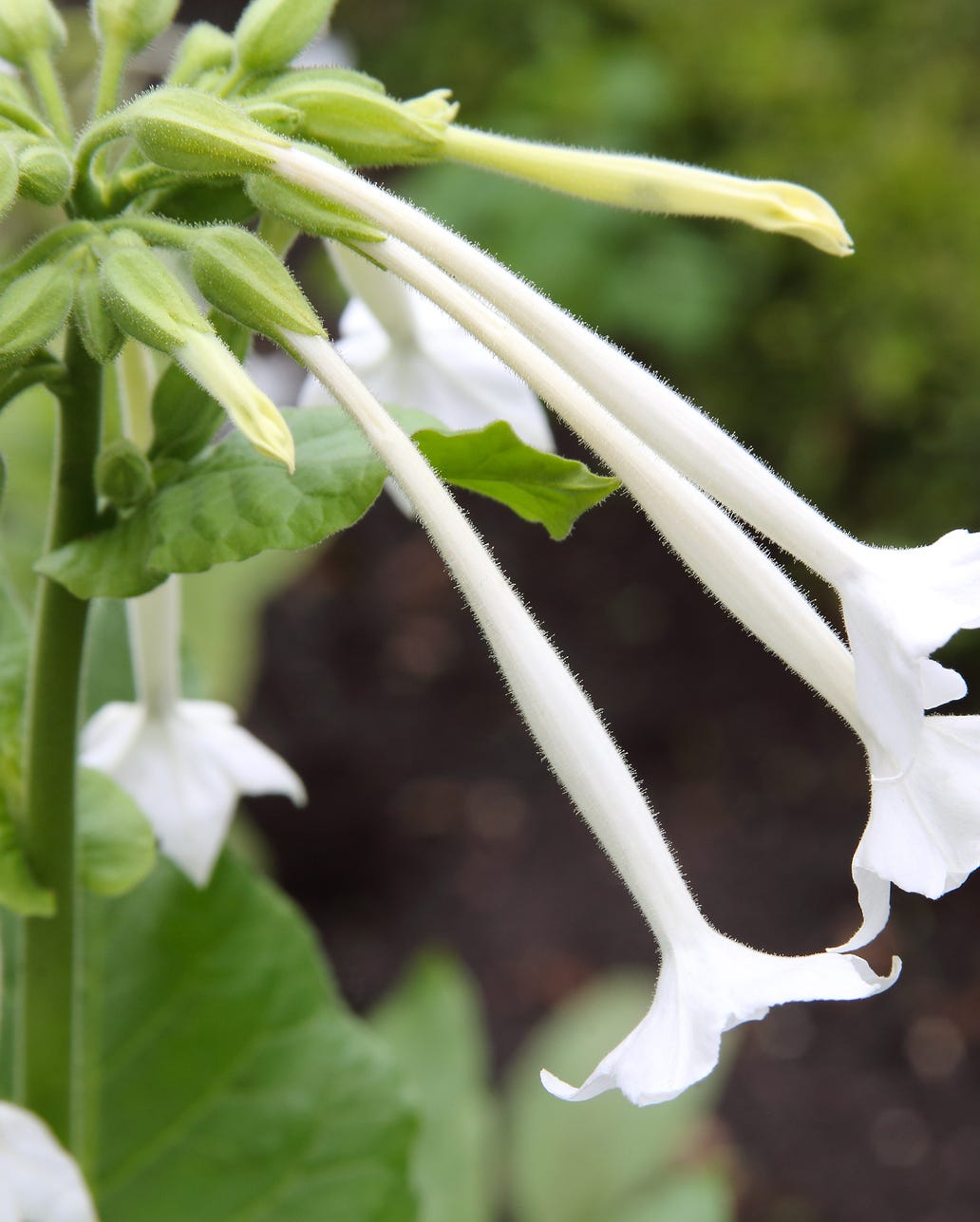
Want to attract more nighttime pollinators to your garden? Plant Flowering Tobacco (Nicotiana sylvestris). The tubular-shaped, white to cream-hued flowers produce a sweet scent similar to Jasmine that intensifies in the evenings to entice sphinx moths. Hummingbirds and butterflies pollinate this plant during the day.
Advertisement – Continue Reading Below
5Four o’clock Alba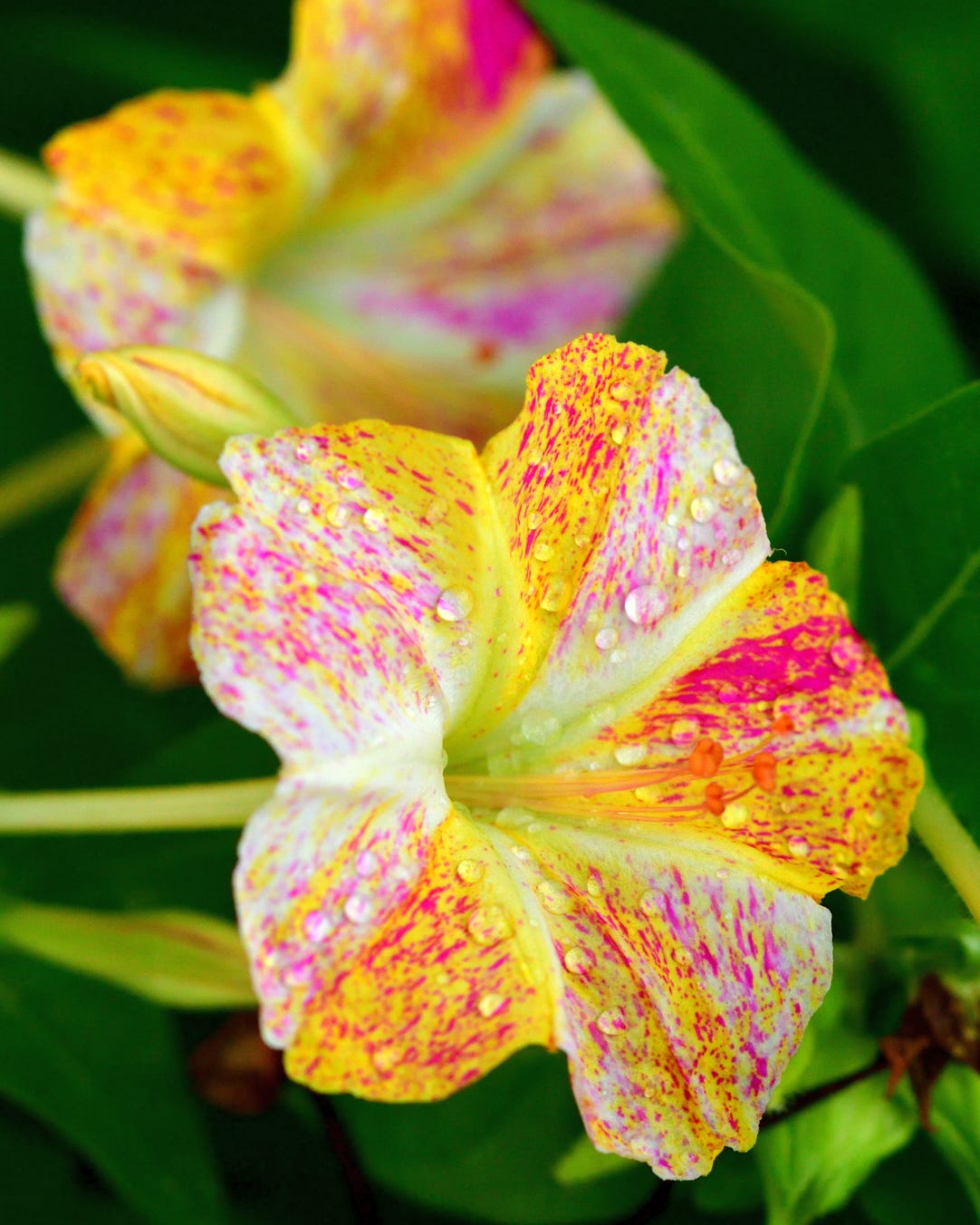
Four o’clock Alba (Mirabilis jalapa) gets its moniker for the time when the flower typically begins to open — in the late afternoon. Large, white, or multi-hued flowers, depending on the variety, stay open during the night and produce a citrus fragrance that permeates the air.
6Moonflower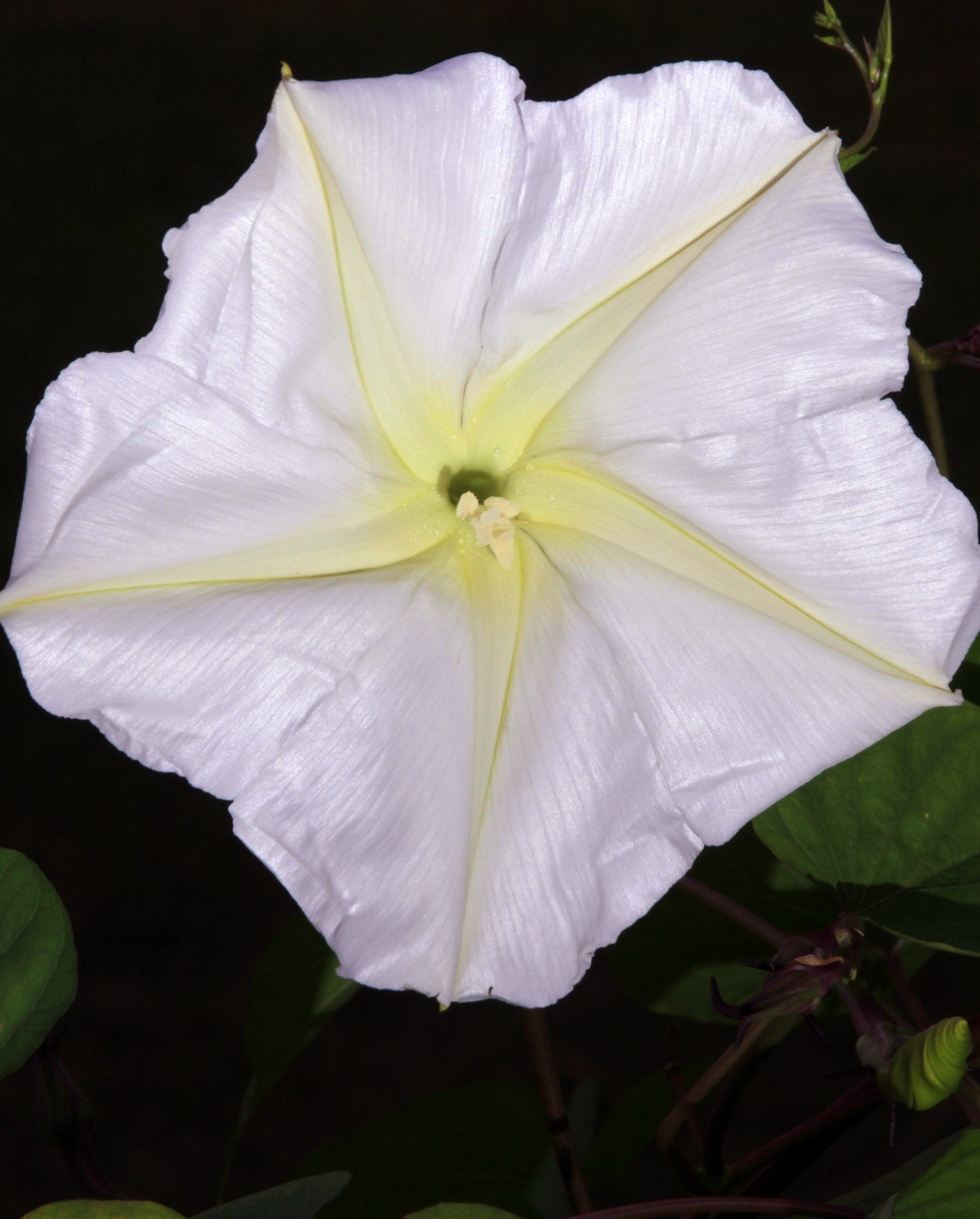
Moonflowers (Ipomoea alba) have white flowers that open and bloom at night. Moonflower is a sister plant to the purplish, blue morning glory.
Advertisement – Continue Reading Below
7Gardenia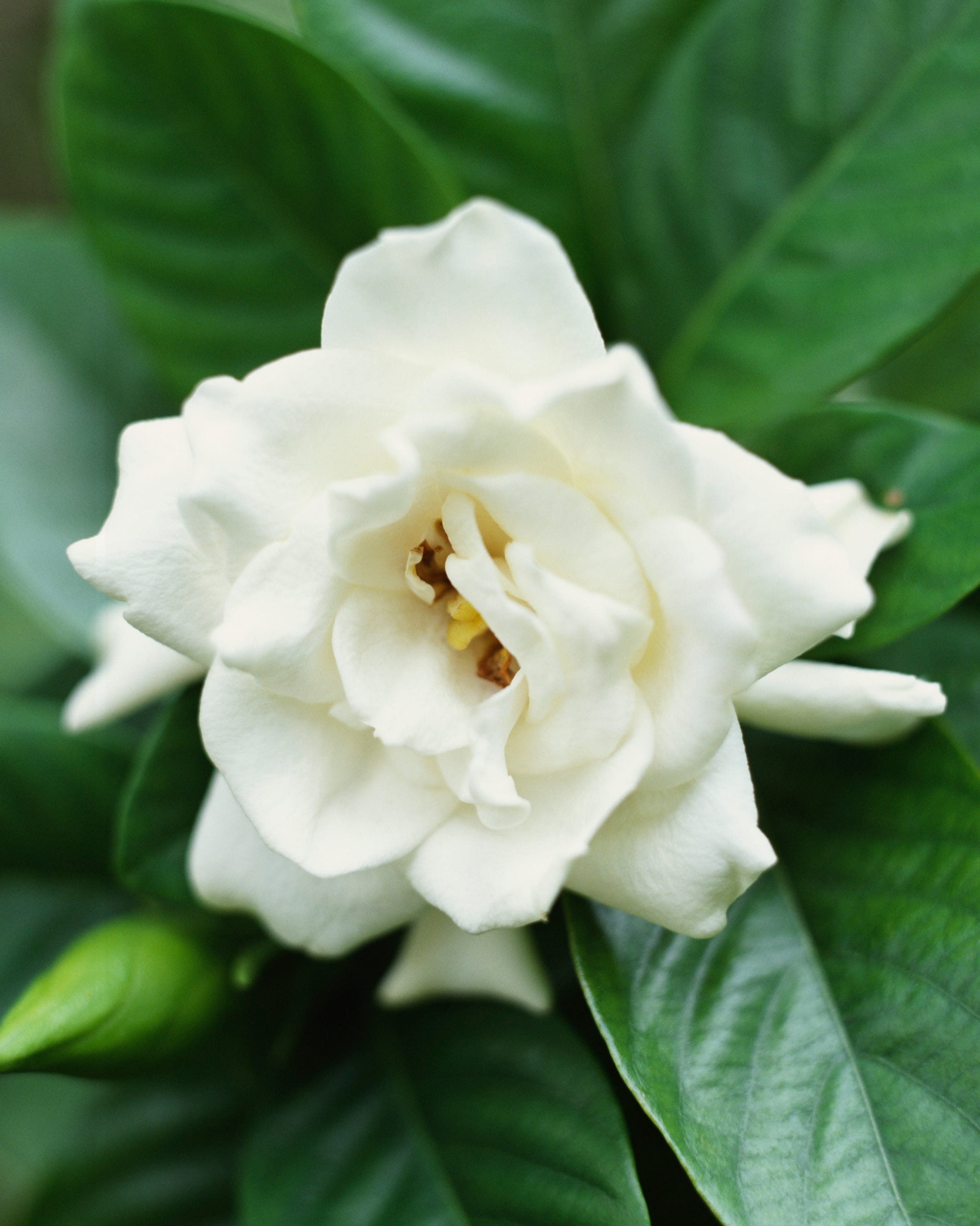
When you see white flowers set against the contrast of waxy, dark green leaves and a fragrant scent, you know it’s a gardenia (Gardenia jasminoides). Gardenias produce a stronger scent at night, helping to attract pollinators, such as moths.
8Mock Orange
Mock Orange (Philadelphus coronarius) gets its name because the small white flowers produce a scent that smells like orange blossoms.
It also goes by the names Fragrant Mock Orange and Sweet Mock Orange. Some varieties are more fragrant than others and the flowers typically smell stronger when the sun sets.
Advertisement – Continue Reading Below
9Night-Blooming Jasmine 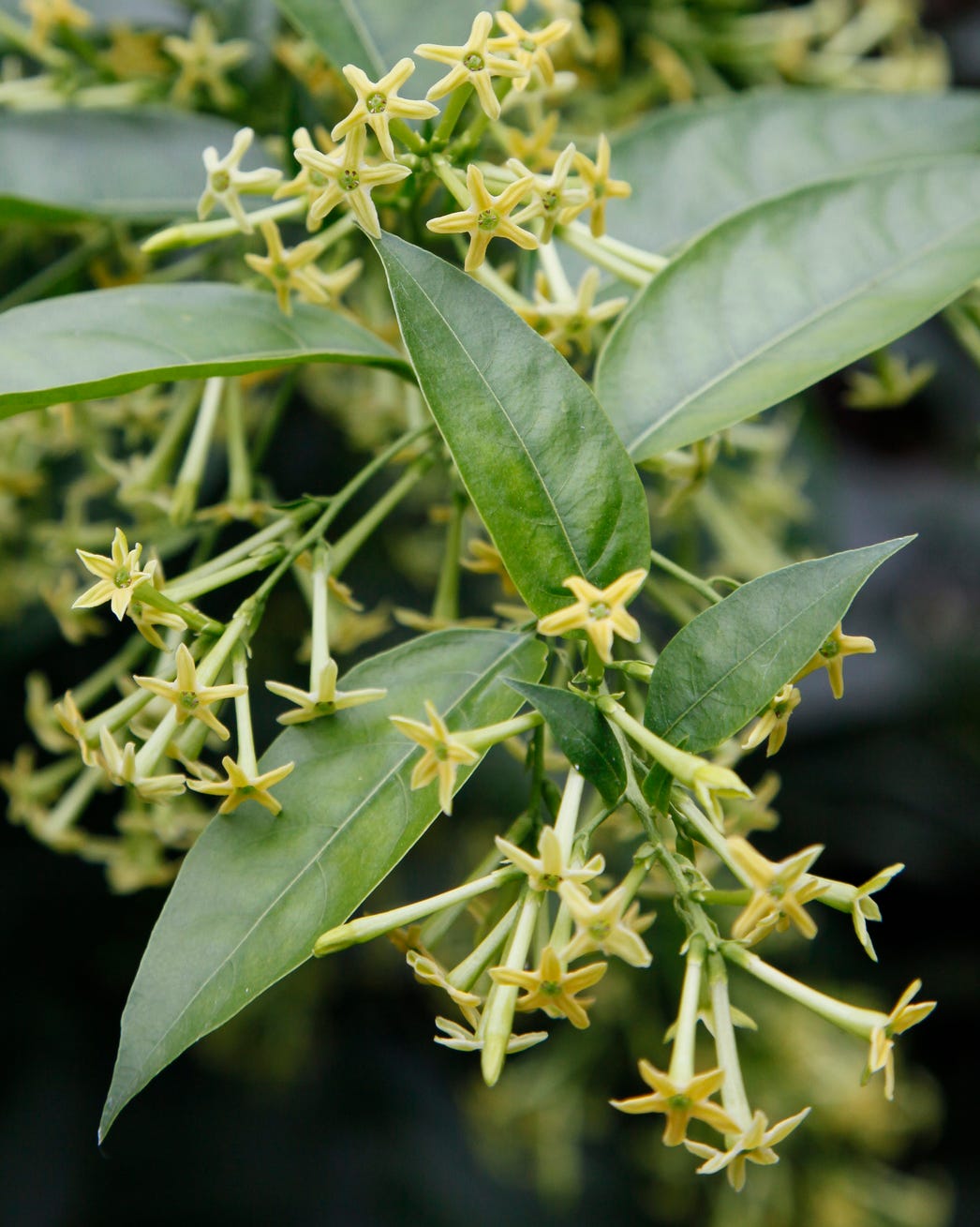
Also called Lady of the Night, Night-blooming jasmine (Cestrum nocturnum) is an evergreen tropical shrub that blooms after dark and emits a tropical scent.
Its name is a misnomer—true jasmines are those in the Jasminum genus, but the common name “jasmine” applies to several plant families. Night-blooming jasmine is actually part of the nightshade family, along with tomatoes, peppers and eggplants.
10Queen of the Night Cactus 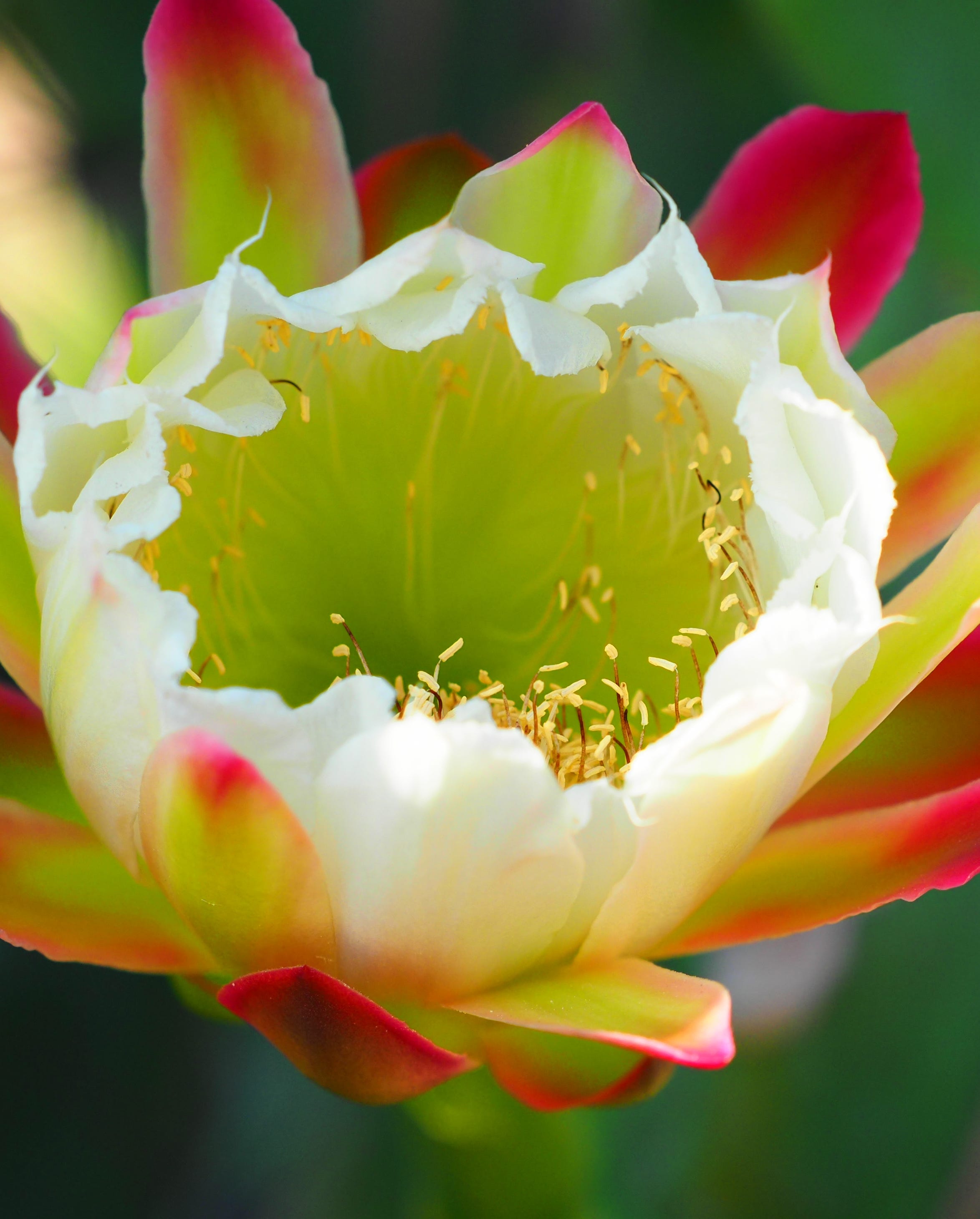
A tall, column-shaped cactus native to South America goes by many names, including Queen of the Night cactus, Hedge cactus, and Night-blooming Cereus (Cereus hildmannianus).
Flowers open at night and produce a sweet scent that attracts nighttime pollinators, such as bats and moths.

Lauren David is a freelance writer, who writes about gardening, homes, and sustainability. She has worked as a garden educator and program manager for a K-12 garden program for underprivileged youth where she managed a quarter-acre urban garden and taught classes daily. Lauren has over 15 years of gardening experience, growing heirloom and unique varieties of vegetables, flowers, and herbs. Her work has appeared in The Washington Post, AARP, Better Homes & Gardens, Martha Stewart, Mindbodygreen, Reader’s Digest, Southern Living, and more. Find more about her at laurendavid.net.

Charlyne Mattox is the Food and Crafts director with over 20 years recipe development, recipe editing, and crafting experience. Prior to starting at Country Living in 2014, she worked in the crafts department at Martha Stewart Living and Martha Stewart Kids before attending cooking school at the Institute of Culinary Education in New York City. She was nominated for a James Beard media award while a senior editor at Real Simple magazine and authored a cookbook Cooking with Seeds.
When not in the kitchen she loves to garden, focusing on growing flowers and kitchen herbs (of course), watering her 25 house plants, and knitting scarfs or hats she will never be able to wear in the always hot and steamy Alabama.
Watch Next


Advertisement – Continue Reading Below
Advertisement – Continue Reading Below
Advertisement – Continue Reading Below
Comments are closed.