
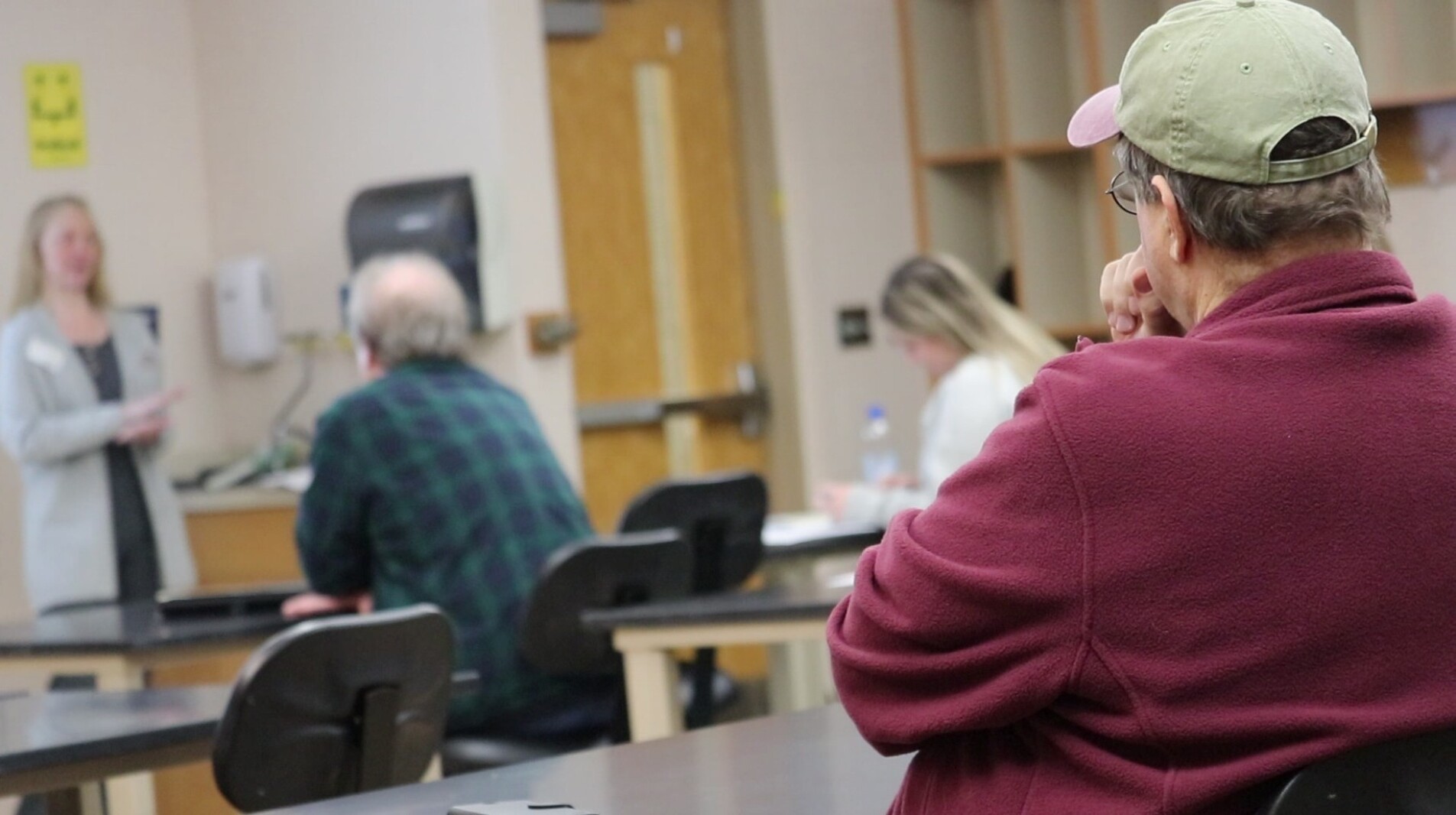
ROCHESTER, Minn. — A classroom of 16 fresh faces, or 32 green thumbs, learned what road was in store for them at the Olmsted County Master Gardener intern orientation on Jan. 6.
The University of Minnesota Extension
Master Gardener
volunteer program started in 1977 with its first class of 25 people. That’s grown to over 3,100 active master gardeners today.
This year’s master gardener applicants in Olmsted County met with the leadership team before they set out to complete the online core course, which takes 40-60 hours to complete and is led by university educators and faculty.
Acing various quizzes is required for the final volunteer certification along with needing to complete 50 hours of volunteering to share horticulture information and engaging with their community.
“This meeting really feels like the beginning of it all,” said Alex Hartley, one of the master gardener interns who has begun the online coursework and expects the program to sharpen what he’s already learned through trial and error.
“I’m confident, but a little overwhelmed,” he said, laughing. “I’ve done a lot of hands-on learning over the years, so I’m hoping this smooths out the rough edges. I’m excited, and I’m not afraid to get my hands dirty.”
Hartley said his passion for
gardening
really took off about ten years ago when he purchased his own home, and growing food became an integral part of his life. His zeal for gardening and nature led to him finding the master gardener program after a recent career change.
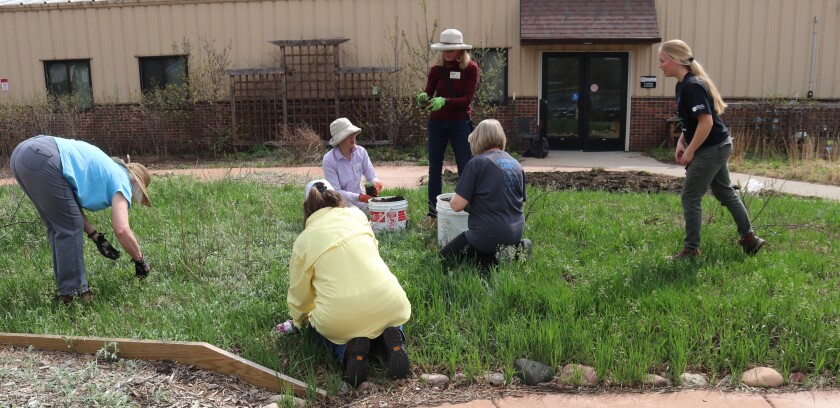
Goodhue County Extension Master Gardeners work on the Prairie Island Indian Community Elder Garden on May 10, 2022, in Welch, Minnesota.
Noah Fish / Agweek
“After high school, I went into law enforcement and worked for about six years in the Rochester area. I liked parts of it, but I realized it wasn’t what I really wanted to do,” he said. “I knew I wanted to be outside, working with nature and doing something more hands-on.”
In terms of his mental health, Hartley said gardening matters a lot to him.
“Law enforcement definitely took a mental toll,” Hartley said. “Gardening has always been my outlet to decompress. It’s my therapy. Getting outside, going on nature hikes — that’s the best medicine out there.”
Hartley was raised in southeast Rochester and hopes to work on community garden projects in the neighborhood, especially those connected with schools.
“Mainly I want to give back to my community, and really be a part of something, and give me some purpose,” Hartley said.
After seeing master gardeners at county fairs and public events, Hartley said he researched the program and found that he really liked the community-oriented approach and their focus on sustainability.
“I think last year they grew more than 1,000 pounds of fresh produce in community gardens, which is pretty cool,” Hartley said. “That’s how I want to give back — helping people grow their own food and be more self-sufficient.”
Joanne Michet, vice chair of the Olmsted County Master Gardener program who will take over as chair this spring, said that Hartley represents a shift in the age of people finding the program.
“The two biggest groups of new volunteers are retirees, 60 and older, and people in their 30s and 40s,” Michet said. “There’s been an increase in that younger group, and we are thrilled. We’re always looking for as diverse a group as we can get.”
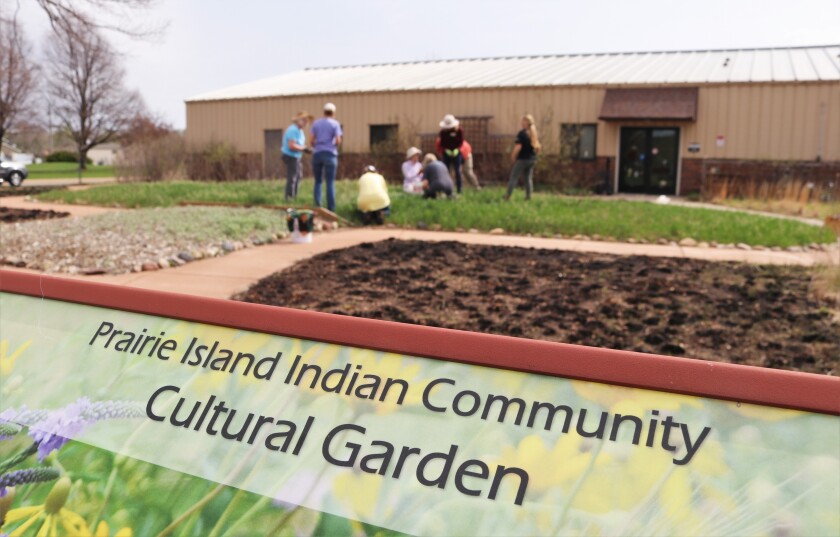
Goodhue County Extension Master Gardeners work on the Prairie Island Indian Community Elder Garden on May 10, 2022, in Welch, Minnesota.
Noah Fish / Agweek
Michet said the required volunteer hours can feel daunting, but there are endless ways to accomplish them in a way that fits with their personal lives. Last year, 94 Olmsted County master gardeners combined for 8,491 volunteer hours, which is the third most in program history.
“You can work on established local projects, or do at-home projects that started during COVID,” she said of volunteer hours. “We also have one-and-done events, like wellness fairs, school events or presentations to community clubs. People have different schedules, whether they’re retired or working, and that flexibility means more people can participate.”
She hopes the new class of interns will find that the program is filled with support.
“I think Master Gardeners are generally nice people. We bond over our love of gardening, we learn from each other and there’s a lot of shared knowledge,” she said. “None of us knows everything, but we enjoy being outside and growing things.”

I am a reporter who covers all things agriculture, using multiple elements of media. I prioritize stories that amplify the power of people.
I report out of northeast Rochester, Minnesota, where I live with my wife, Kara, our daughter, Rooney, and polite cat, Zena. Email me at nfish@Agweek.com
Comments are closed.