
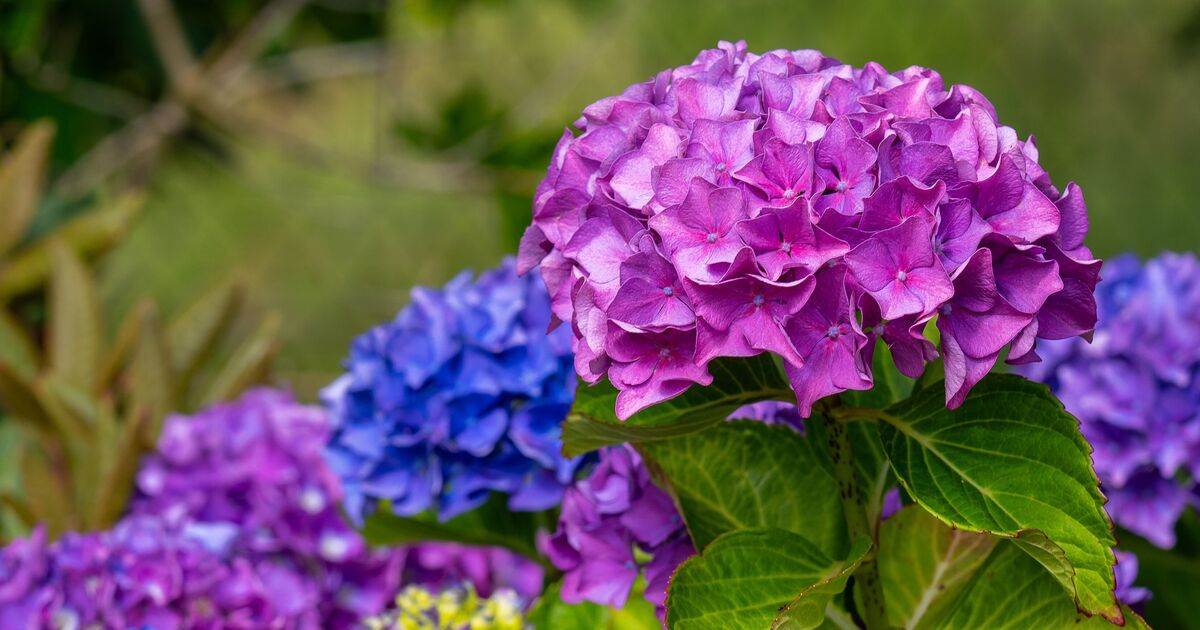
1. Wrong soil pH
Many gardeners apply fertiliser to their hydrangeas, anticipating “show-stopping displays of flowers”, only to face disappointment.
This typically stems from improper soil pH, restricting the plant’s capacity to properly absorb nutrients and distribute them throughout.
For the majority of hydrangea varieties, mildly acidic soil with a pH ranging from 5.2 to 6.2 proves “ideal”.
Ben advised gardeners to check their soil pH using a soil test kit. Should the reading be incorrect, they ought to adjust the soil, then “apply a phosphorus 10-20-10 fertiliser in spring”.
2. Cutting off flower buds
Pruning hydrangeas at the incorrect time of year represents “the most costly mistake for sure”, the gardener cautioned.
He highlighted that flower buds are frequently removed inadvertently through improper pruning, resulting in “no flowers at all”. Ben explained that hydrangea macrophylla and quercifolia flower on old wood, meaning they “need pruning directly after flowering” during autumn.
In contrast, hydrangea paniculate and arborescent produce blooms on new wood, allowing them to be trimmed back in late winter or early spring.
3. Underwatering
Hydrangeas require consistent moisture to “reach a successful full bloom”. Hydrangeas are thirsty plants that require hydration throughout the growing season and even in dormant months.
If you live in an area where the ground freezes hard, continue to water deeply and consistently until the ground freezes solid.
In areas where the ground does not freeze, hydrangeas should be watered deeply but infrequently during the winter.
According to Ben, watering deeply twice weekly combined with applying a generous layer of organic mulch “will return fantastic blooms all summer”.
Comments are closed.