
Temperatures continue to drop across the UK, rendering most of the plants in the garden dormant and not in need of too much attention. The winter months continue to minimise the need for attentive lawn work, but you could be faced with a pest problem that may come back to bite you in the springtime.
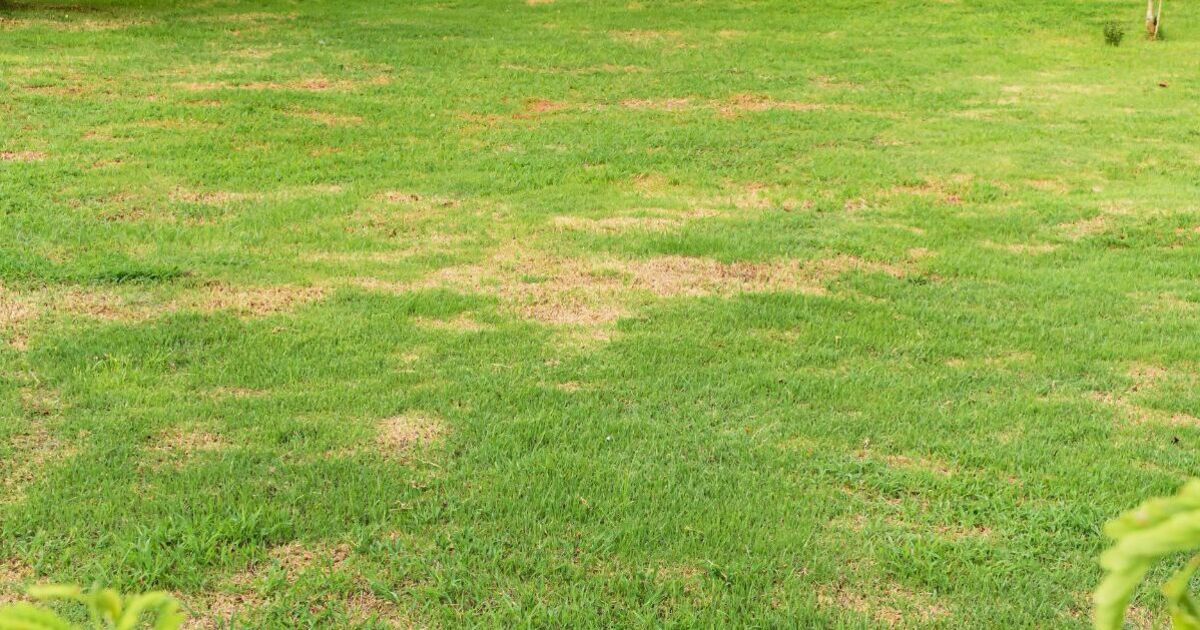
If you’re noticed, even in the winter, that your garden is suffering from bald patches, it may be something more sinister than the weather. Gardening expert Ish urged gardeners to be on the lookout for leatherjackets, which could be ruining your garden without you even realising. In a recent TikTok video, Ish explained that leatherjackets are becoming an “epidemic”, especially in new-build gardens.
If you’re unfamiliar with this pest, leatherjackets are the larvae of crane flies, more commonly known as daddy longlegs. There are around 350 species of them in Britain, many are uncommon or rare.
To know if your garden is dealing with these pests, you can recognise them by elongated tubular bodies which can be up to 30 mm long, and are grey-brown in colour. They also have no legs or recognisable heads.
However, these insects are a normal part of healthy balanced ecosystems, with most feeding on decomposing organic matter or algae. However there are a few species of leatherjackets that feed on living plants, as well as stems and roots which can ultimately damage gardens resulting in bald patches on lawns, explained the Royal Horticultural Society.
If your garden is suffering from leatherjackets, the grass will start developing yellowish brown patches and kill off the grass. To know for sure if leatherjackets are present, you will be able to lift up the affected turf with a garden fork or trowel and find leatherjackets nestled in the surface layers of the soil.
It’s important to get rid of the pests as quickly as you can, with Ish recommending nematodes as an effective method. These are microscopic worms – a live parasite – that hunt for leatherjackets in the soil.
Mix the nematodes with warm water in a watering can. Pour the water directly over the lawn to rid the infestation. Ish recommended carrying this out during the late afternoon.
Nematodes are harmless to both humans and pets. The RHS explained that for the action to be effective, nematodes need soil that is well drained but moist and with a minimum temperature of 12°C (54°F).
The turf around the edge of affected areas should be targeted to deal with larvae spreading out from “hot spots” in the lawn. It will take around a week for the nematodes to take effect.
To ensure the pest problem has subsided, Ish recommended repeating the action for around three or four weeks to make sure they’re “fully under control”.
Comments are closed.