
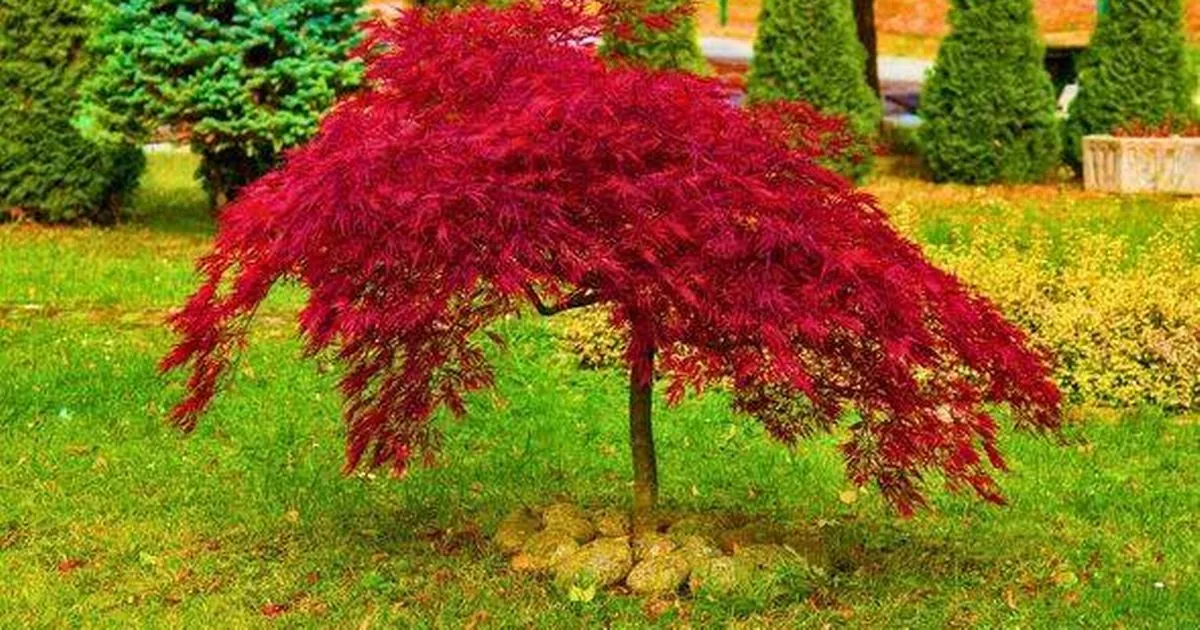
Japanese maples can grow weak and fail to produce thick, strong branches if their delicate roots are not protected from frost damage during winter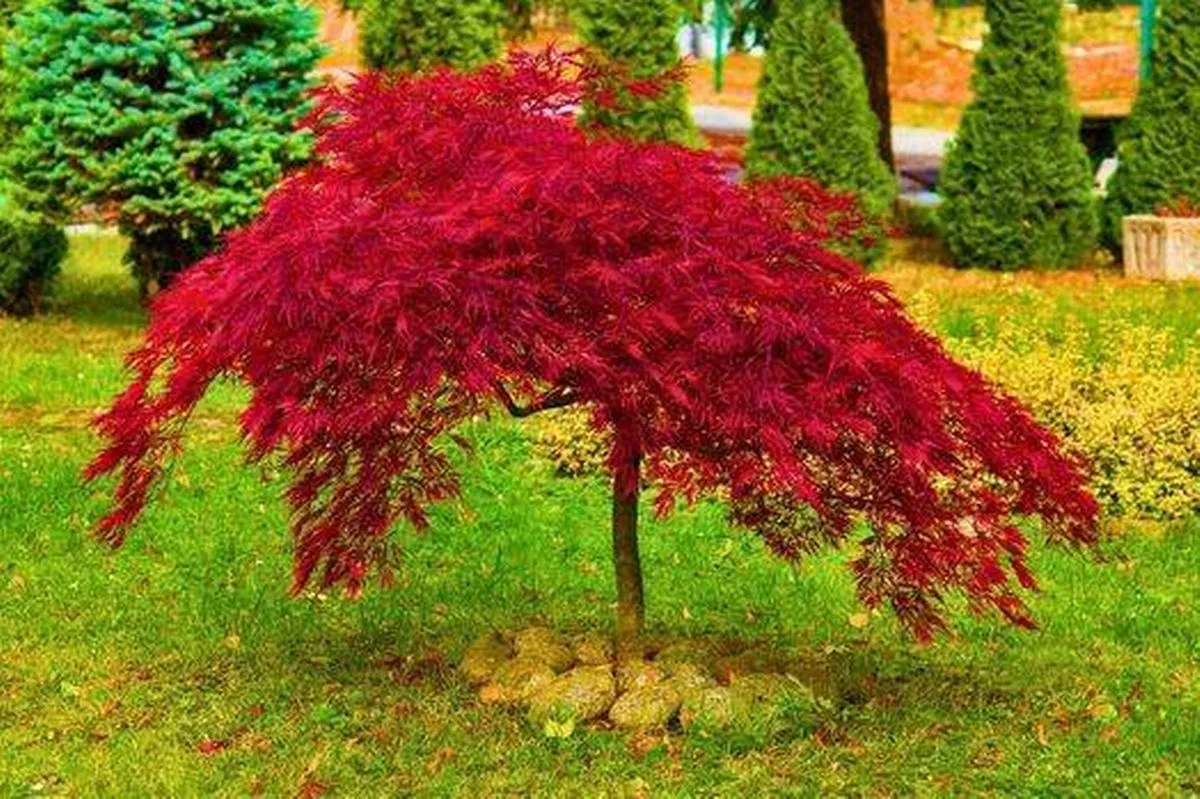 A picture of a Japanese maple tree(Image: Getty)
Japanese maples rank among the most striking and vibrant trees for any garden, yet maintaining their appearance proves challenging without proper knowledge of cold weather protection.
With January representing winter’s halfway point, the continual shifts in temperature can subject a Japanese maple’s root system to repeated freezing and thawing cycles.
These roots are particularly vulnerable, and excessive frozen moisture within the soil can place undue strain on the tree, potentially triggering root deterioration.
Without adequate frost protection, a Japanese maple will emerge from winter significantly weakened come springtime, struggling to produce robust branches or foliage.
Fortunately, Michael Francis, a horticultural specialist from Japanese Maples and Conifers, said that safeguarding Japanese maples from frost requires minimal effort – simply dedicating an afternoon to mulching.
Michael said: “Proper insulation around the base of the tree is a key element in winter care for Japanese Maples.
“Mulching helps regulate soil temperature, preventing extreme fluctuations that can stress the tree’s roots,” reports the Express.
“Additionally, it acts as a protective barrier against frost heaving, which can damage the roots by lifting them out of the soil.”
The importance of mulching Japanese maples during January.
The mulching process is straightforward, involving the application of protective material around the base of a plant to shield it from harsh weather conditions.
During the summer months, mulching aids in retaining moisture for plants and prevents them from drying out due to heat.
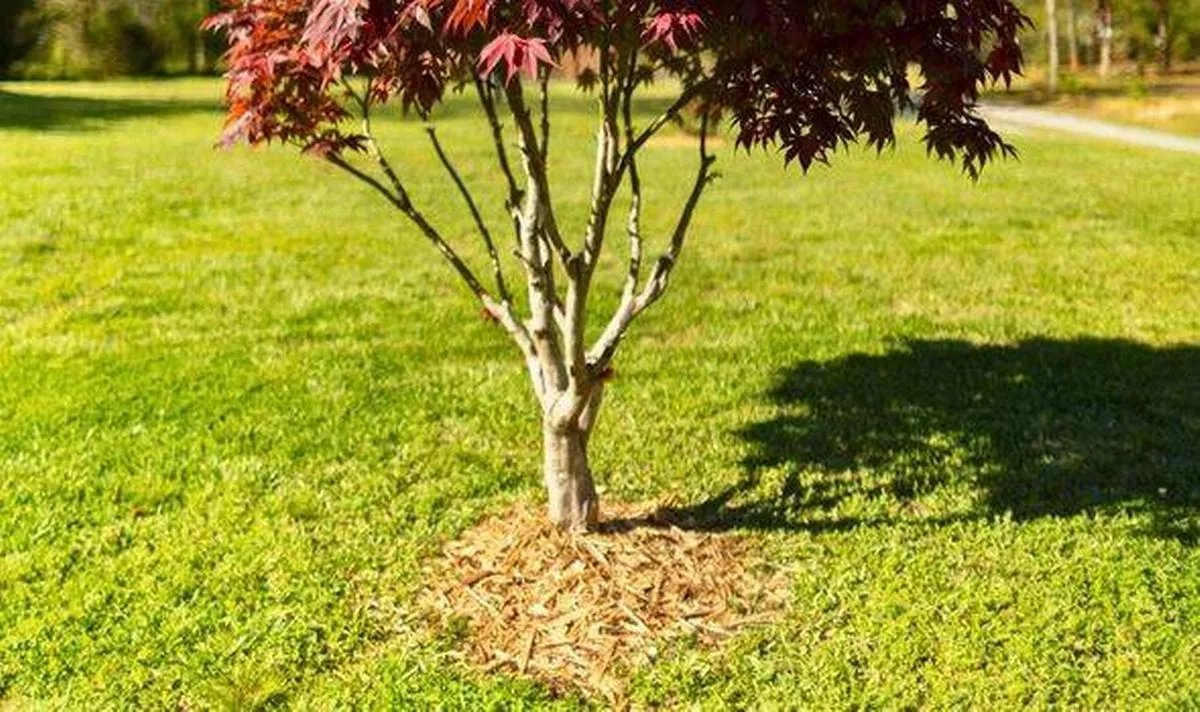 Picture of Japanese maple that has been mulched(Image: Getty)
Conversely, in winter, it shields them from the cold and stops the soil from becoming waterlogged.
Japanese maples benefit from mulching as it insulates the roots, stabilising the soil temperature and warding off frost.
This simple method is an effective way to safeguard Japanese maples from the winter chill. Moreover, using a natural mulch will enrich the soil with nutrients, nourishing the tree when spring arrives.
So, how does one go about mulching a Japanese maple?
Firstly, you’ll need to purchase mulch from your local garden centre. For Japanese maples, it’s recommended to use either straw or wood chip mulch.
Both these materials excel at trapping air in the soil, thereby keeping the tree roots warm. The primary distinction between them is that straw decomposes rapidly and needs frequent replacement, whereas wood chips have a significantly longer lifespan.
Once you’ve procured your mulch, distribute it around the base of the tree. It should cover approximately 10 centimetres across the ground and penetrate about five centimetres deep into the soil.
Ensure there’s a small gap around the trunk – piling mulch against the tree can suffocate it and obstruct light or water from reaching the roots.
Maintain the mulch around the tree until spring, at which point it’s time to refresh it with a new layer. By then, you should observe your Japanese maple flourishing, sprouting fresh, vibrant leaves.
Comments are closed.