
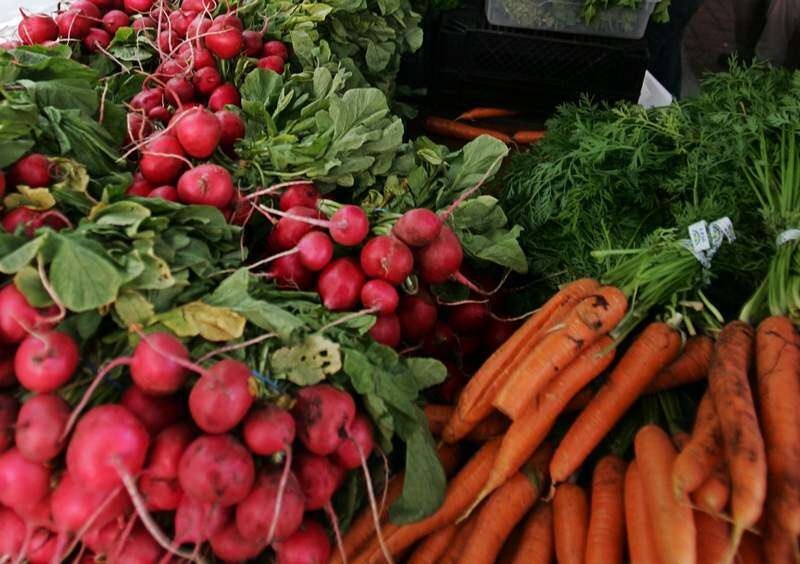
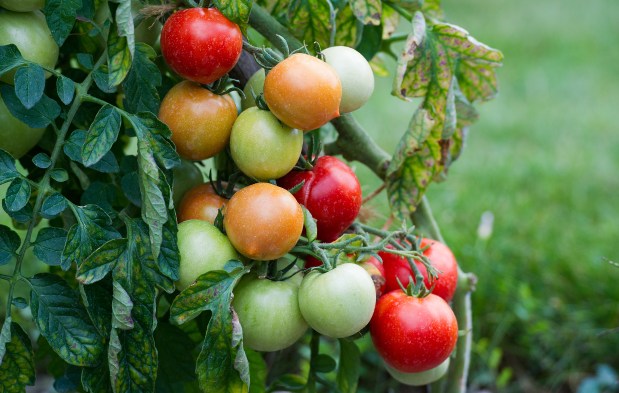
 Sonoma County Master Gardeners offer some tips to new gardeners. ALAIN JOCARD/AFP via Getty Images)
Question: One of my New Year’s goals is to grow a vegetable garden. What tips do you have for a beginner?
Answer: Congratulations on your goal to grow a vegetable garden! It’s a good idea to begin planning and researching your garden now, before seeds need to be started and plants become available in nurseries. Here are pointers to get you started.
Start small. It may be tempting to plant everything, but a small, manageable garden is easier to maintain. A few healthy plants are better than a large, overwhelming garden. You can always expand next season.
Grow easy, high-reward vegetables. Begin with crops that are productive and that you enjoy eating. Vegetables to consider include lettuce, spinach, tomatoes, radishes, peppers, green beans and herbs such as basil, parsley and chives.
Choose the right spot. Most vegetables and herbs need six to eight hours of direct sunlight daily, as well as good drainage. Avoid low, soggy or sloped areas.
Improve your soil. Healthy soil equals healthy vegetables. Soil should be loose, dark and crumbly. Don’t plant in hard compacted dirt or rocky soil. To enrich compacted soil, mix in compost or aged manure from plant-eating animals such as cows, horses or chicken.
Water consistently. Water deeply, not lightly, so roots grow strong. Morning watering is best because it reduces evaporation, allows deep soil absorption and gives foliage time to dry, preventing fungal diseases. Also be sure to water the soil, not the leaves.
“Overwatering is a major cause of plant problems,” says Master Gardener Nancy Creveling. “A simple way to determine if a plant needs more water is to insert your index finger into the soil to the first knuckle. If the soil is moist, no need to water. If it is dry, it’s time to water.”
Master Gardener Paula Glogovac recommends adding automatic drip irrigation. “It alleviates the issue of overwatering or underwatering. It will also take away a time-consuming issue of having to hand water your garden. This is super effective, especially when you’re on vacation.”
Follow spacing guidelines. You can start vegetables from seed or buy them as young plants. Review seed packets and tags for spacing guidelines. Overcrowding causes poor air circulation, smaller harvests and more pests and disease.
Mulch matters. Add a layer of straw, shredded leaves or bark to help retain moisture, reduce weeds, and keep soil temperatures steady.
Perform pest patrol. Check plants often for holes, chewed leaves or bugs. Hand-pick pests when possible and use natural solutions before chemicals.
“Aphids can be a plague, so when you notice more than a few, control them with a water jet spray,” recommends Creveling. “For outdoor plants, the jet spray selection on a hose-end nozzle is ideal. For young plants, support the leaves with your hand. Spray the top and bottom surfaces of the leaves and anywhere else you see aphids.”
Weed regularly. Young weeds are easy to control while old weeds are not. A quick weekly check saves hours later.
Master Gardener Mark Soulard believes you shouldn’t wait until spring to start pulling weeds. “With our early October rains, we’ve seen a flush of winter weed growth. Weed seed can often hibernate in garden soils for six or seven years. It is important, on a seasonal or annual basis, to work on breaking the weed cycle. Weed control on the surface is best done at this time of the year when there is moisture in the soil and the weeds are not 3 or 4 feet tall.”
Harvest often. Picking vegetables as they ripen encourages more growth, keeps plants productive and ensures peak flavor and tenderness. If you grow herbs and flowers, Creveling recommends purchasing children’s stainless steel pointed-tip scissors. “They’re excellent for cutting, pruning or deadheading. I clean and sanitize mine in the dishwasher. Regular deadheading increases a plant’s yield and improves its appearance.”
Learn as you go. Write down what and when you planted and how it did in a garden journal. Every season you’ll learn something new. Gardening books are another resource for learning. “A good gardening book will provide specifics on how to grow, harvest and care for varieties of plants you might want to grow,” says Glogovac.
For more information about vegetable gardening: https://tinyurl.com/2jp4vxu7.
Contributors to this week’s column were Lisa Howard, Karen Felker and Joy Lanzendorfer. The UC Master Gardener Program of Sonoma County sonomamg.ucanr.edu/ provides environmentally sustainable, science-based horticultural information to Sonoma County home gardeners. Send your gardening questions to scmgpd@gmail.com. You will receive answers to your questions either in this newspaper or from our Information Desk. You can contact the Information Desk directly at 707-565-2608 or mgsonoma@ucanr.edu. To receive free gardening tips and news about upcoming events, sign up for our monthly newsletter: https://tinyurl.com/y3uynteb
Comments are closed.