
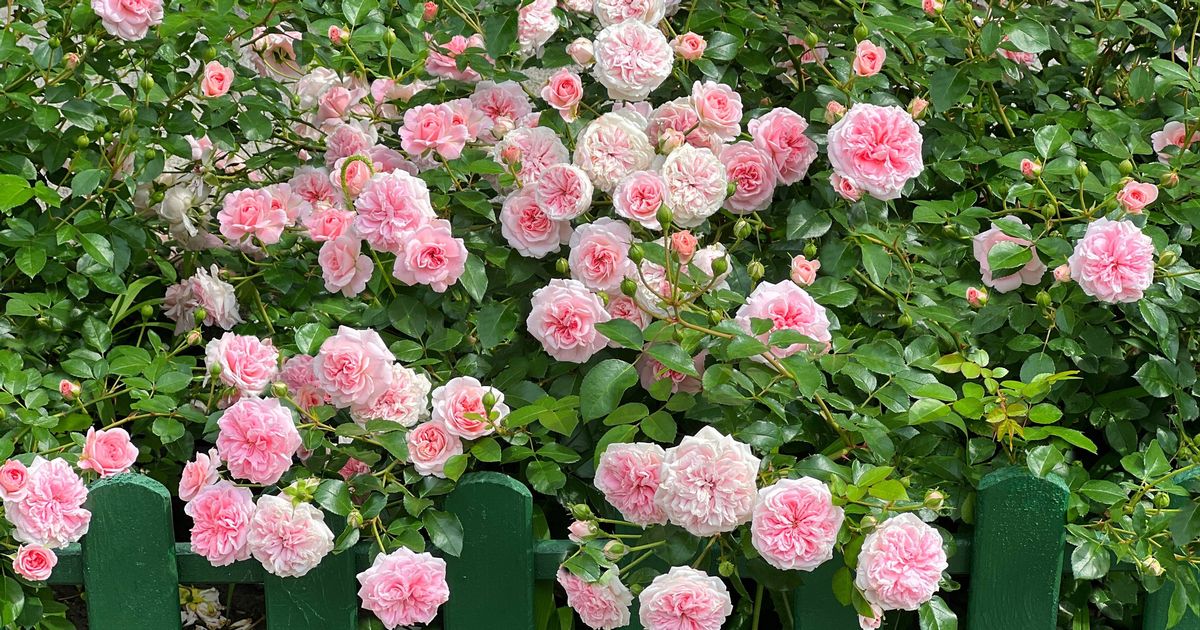
January is the best month to prune established climbing roses, according to gardening experts – and it’s a job that can help ensure you get plenty of blooms when the weather warms up
Nicola Roy Spare Time writer
13:55, 07 Jan 2026
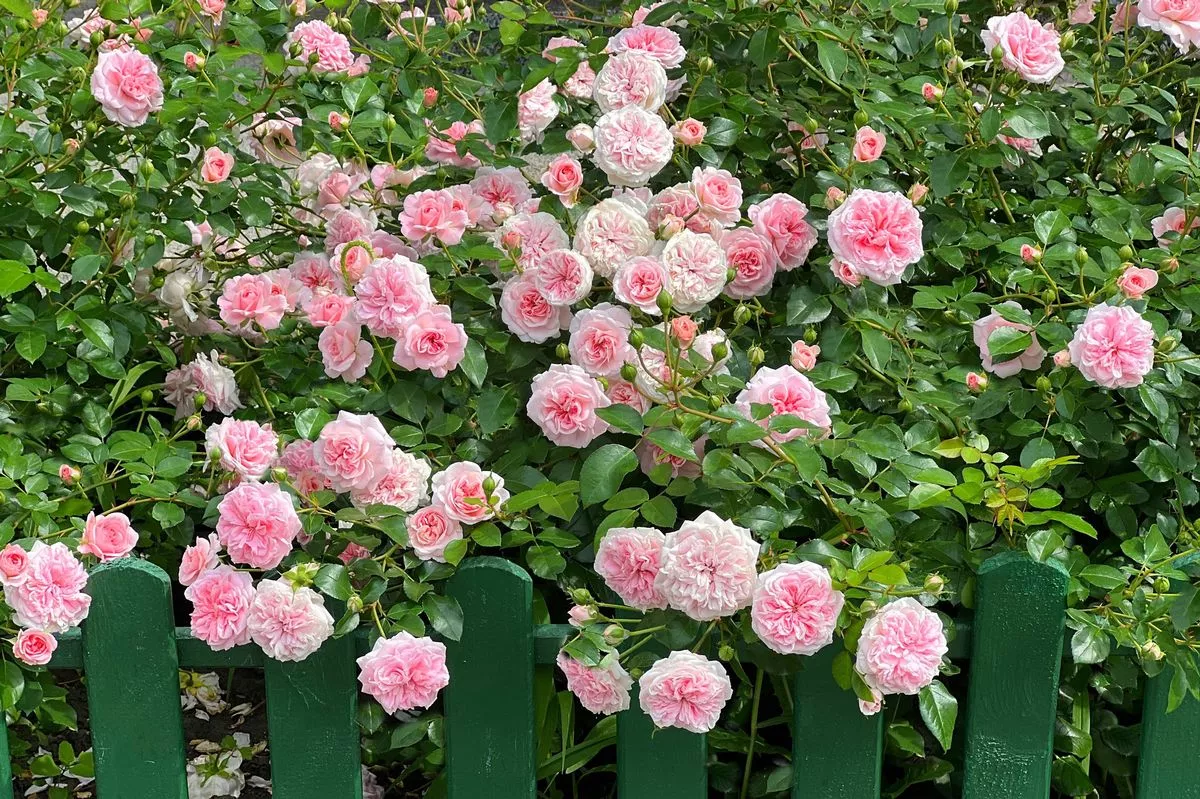 Roses, like all garden plants, need the right care in order to thrive(Image: Olena Lialina via Getty Images)
January is one of the gloomiest months of the year, making it tough to imagine when warmth and sunshine will return. But it won’t be long before our gardens burst back into life, and certain tasks need tackling – even in freezing conditions.
Gardening expert Paul Parker from plant and bulb specialists J. Parker’s says January is actually ideal for getting stuck into garden work, reports the Express.
This is particularly true for climbing rose plants, which might look a bit sorry for themselves right now.
However, giving them a proper trim before they bloom again will help guarantee ‘bountiful’ flowers, according to the expert.
Paul said: “If you have a climbing rose in your garden, now is the perfect time to give it a hard prune.
“Pruning your climbing roses in January, while the plant is dormant, will help its shape and prepare them for a bountiful bloom come summer.
“It is important not to prune climbing roses for two years after planting, to give them the best chance of establishing.”
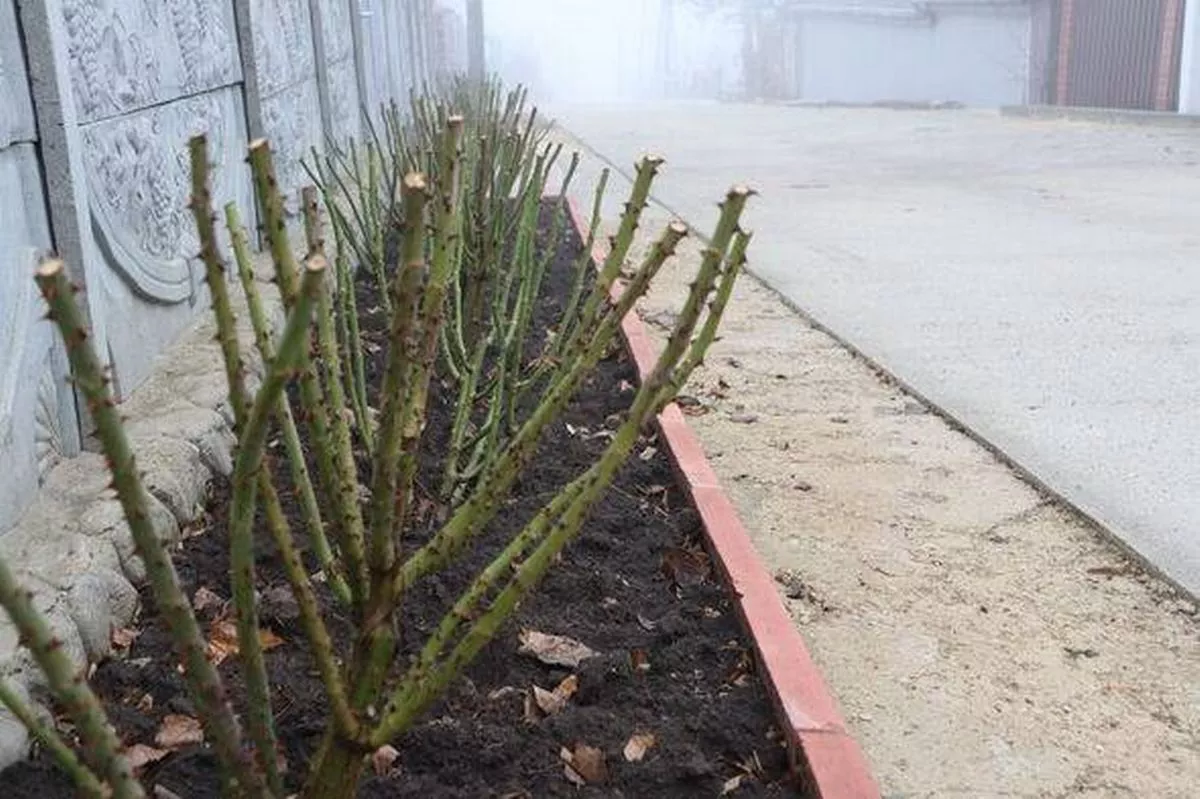 Pruning roses in winter will help to encourage new growth(Image: Getty)How to prune climbing roses
Start by clearing away any dead, diseased or dying branches. Next, secure any fresh shoots required to fill supports.
Trim back any side shoots by two-thirds of their length. Lastly, support your climbing rose by fastening the main stems to a trellis or framework.
If the plant is severely overcrowded, remove some older branches from the base to encourage fresh growth when spring arrives.
The gardening gurus at Gardeners’ World stress the importance of pruning your roses around this time.
Neglecting this task could result in a tangled mess of feeble, twiggy stems that prevent flowers from blooming.
As well as this, overlapping stems can trigger dieback and pave the way for disease, increasing the risk of fungal infections in your climbing rose.
Comments are closed.