
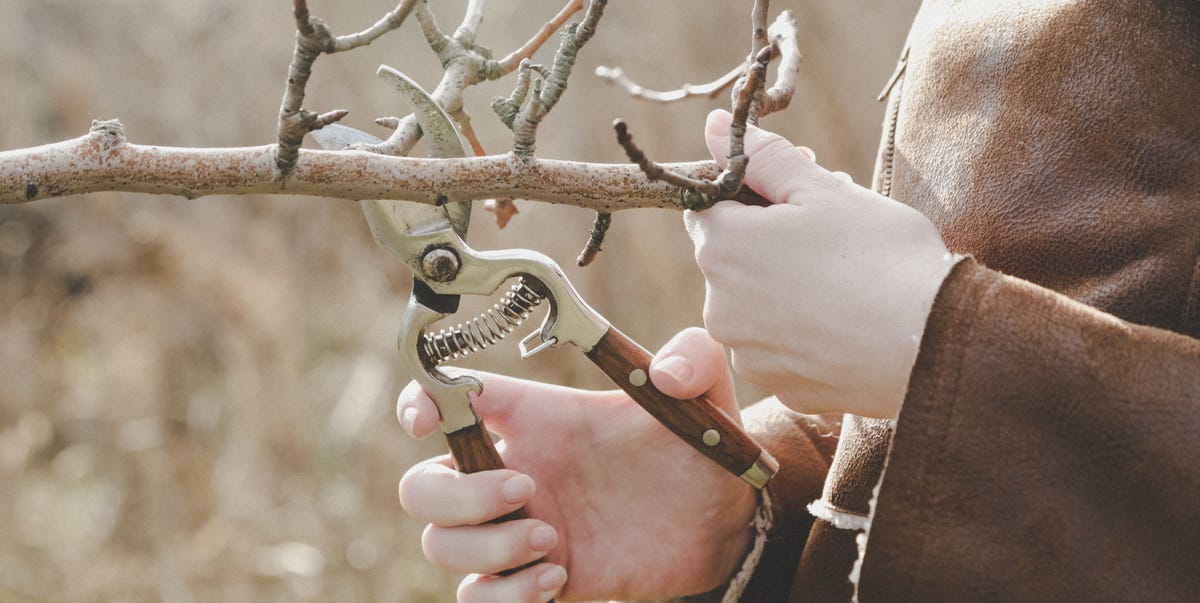
When it comes to garden maintenance, pruning is one of the jobs that sits firmly at the top of the to-do list.
During the colder winter months, the back-breaking garden work slows down in pace, but there is still plenty to be done in preparation for the seasons ahead.
To keep up to date with any pruning tasks throughout the year, it is essential to take good care of your pruning tools, as these will ensure the best results in your garden for many years to come.
Why is pruning important?
“Pruning impacts how plants grow every year. It keeps plants healthy and maintains their size and shape,” explains the team at garden tools manufacturers RYOBI.
Pruning can also be beneficial in many other ways, including:
Helping to remove any damaged branches, which may grow inwards or become diseased.Allowing more light and air circulation into the garden, and benefiting other plants’ growth.Protecting your property from potential damage from falling branches.Giving trees a tidy and polished appearance.Setting the tree up with a good foundation for long-term growth.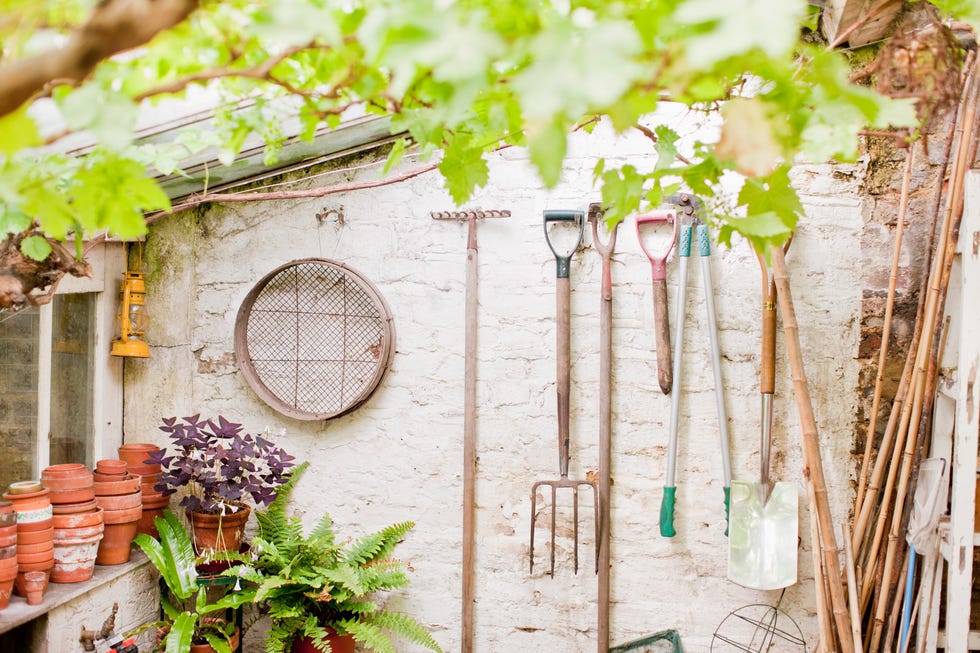

Tom Merton//Getty Images
Proper storage for your garden pruning tools
One of the best ways to keep pruning tools in good condition is to store them safely and correctly.
Christopher Murphy MBE, founder of Dunster House, garden building specialists, tells Country Living: “To help keep garden tools, including pruning tools, in the best condition possible, it is advised that they are stored in a dry, well-ventilated garden building such as a shed, rather than being left outdoors or on damp surfaces.
“A well-built shed can help reduce the impact of temperature extremes on your tools by providing a sheltered, enclosed environment – which helps limit the direct exposure tools have to weather conditions such as rain, frost and snow.”
While sheds are not fully temperature-controlled, they create a more stable internal climate than outdoor storage, which helps reduce condensation on metal tools. Christopher advises choosing a shed with good ventilation, as this will further support airflow and moisture control.
studio-omg//Getty Images
Create an organised hanging system for your pruning tools
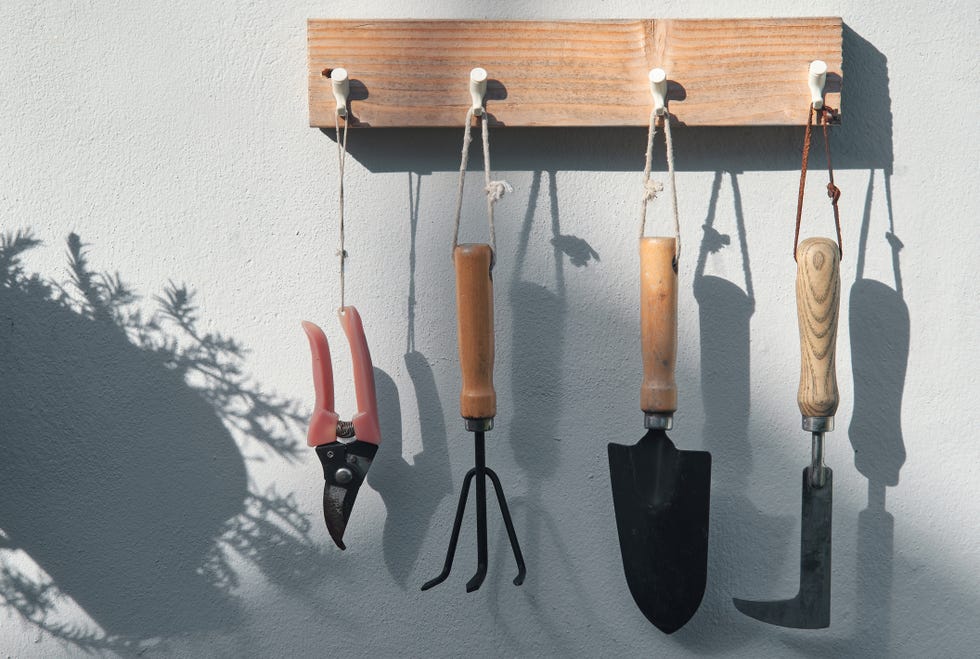
Ensuring your shed has raised flooring and dry-wall storage options, such as wall-mounted hooks or racks, can help further prevent cold and damp from transferring directly to tools.
According to Christopher, hanging your tools on wall hooks or racks in a garden building helps keep them off the ground and creates space around the blades and metal components.
The benefit of this is that air can move more freely, rather than being trapped between the pruning tool and cold or damp surfaces, prolonged exposure to which can lead to rust, corrosion, or material wear. Improved airflow around the tools helps residual moisture evaporate more quickly, preventing this from happening.
Where possible, use dedicated storage units or wall-mounted systems within garden buildings to help keep tools organised, protected, and ready for safe use. Wall storage also reduces the risk of pruning tools being knocked over, stacked, or left in areas where condensation is more likely to form, improving both protection of the tools themselves and safety of users.

 Ensure that your pruning tools are properly cleaned
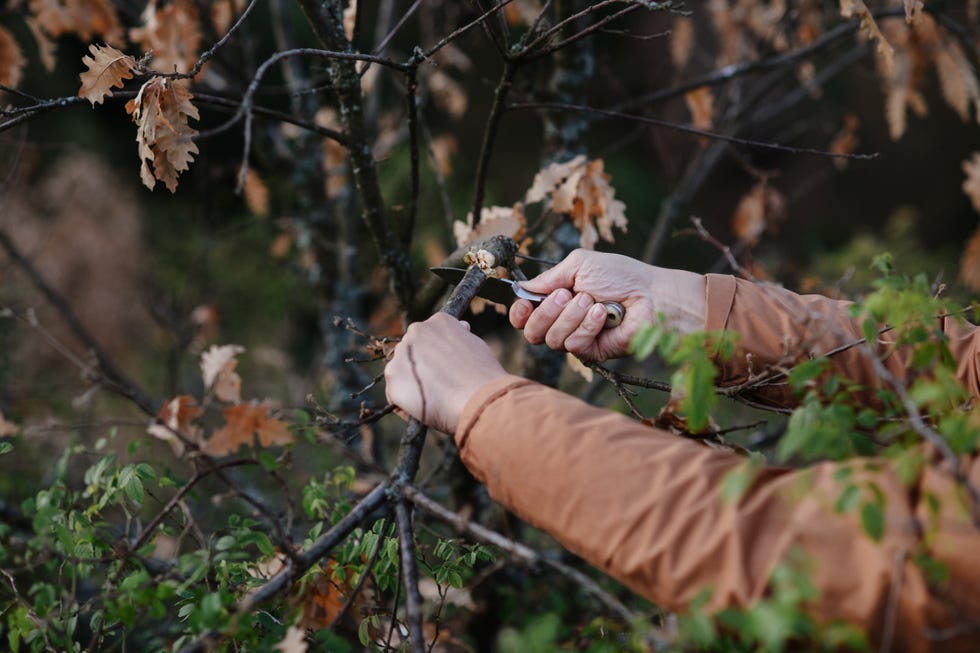
Keeping your pruning tools clean is important when protecting your plant’s long-term health. Each time a pruning tool is used, it must be cleaned promptly afterwards.
“Spend an hour sprucing up secateurs, loppers and pruning saws, and you’ll reap the benefits”, says garden expert Chris Morley. Not only will your trusty tools last longer, but they’ll be easier and safer to use. Blunt and rusted cutting edges result in bruised stems and ragged cuts, which can be an entry point for plant disease.
Chris explains: ”For a basic clean, scrub away dirt and sap build-up from blades and handles with wire wool and soapy water. Then spray moving parts with lubricant, like WD-40 or camellia oil. Sharpen blunt cutting edges with a whetstone, using even, sweeping strokes across the blade.”
Halfpoint Images//Getty Images
How to use your pruning tools safely
Now that you know how to store your pruning tools to keep them in tip-top condition, it’s important to remember some basic safety tips when pruning. The RYOBI team share their top tips below:
Assess the area in which branches may fall and place warning signs or barricades if necessary before beginning. If in any doubt, engage a qualified tree surgeon or arboriculturist.Always wear protective glasses and, if necessary, gloves and head protection.Ensure pets and children are at a distance from the pruning area in case of falling branches.
For more information on pruning, don’t forget to read our handy monthly pruning guides (including the three C’s of pruning rule), to ensure that you are ready to put your pruning tools to good use in 2026.
Pruning essentials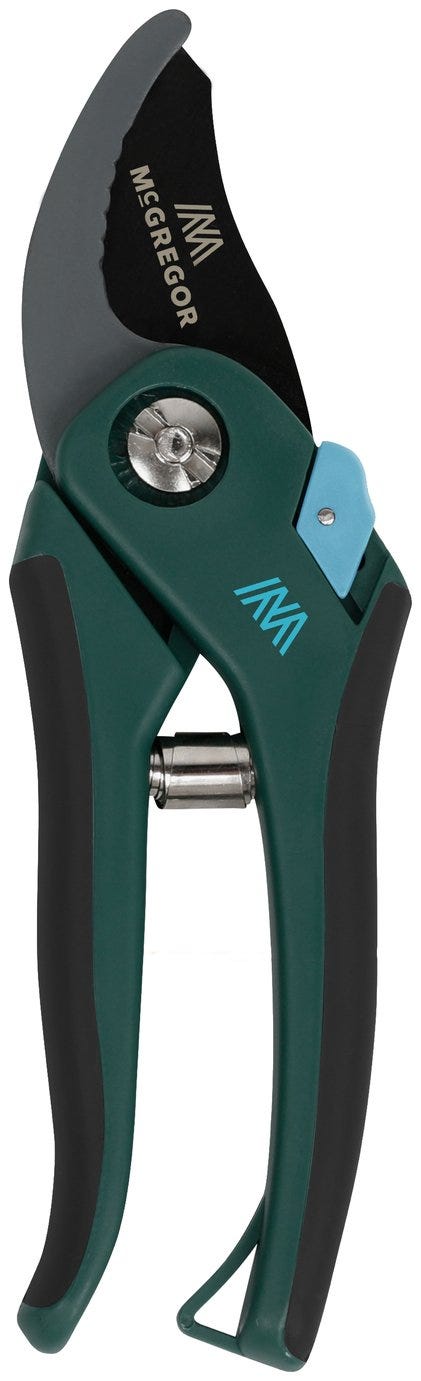 McGregor McGregor Bypass Secateurs Pruner
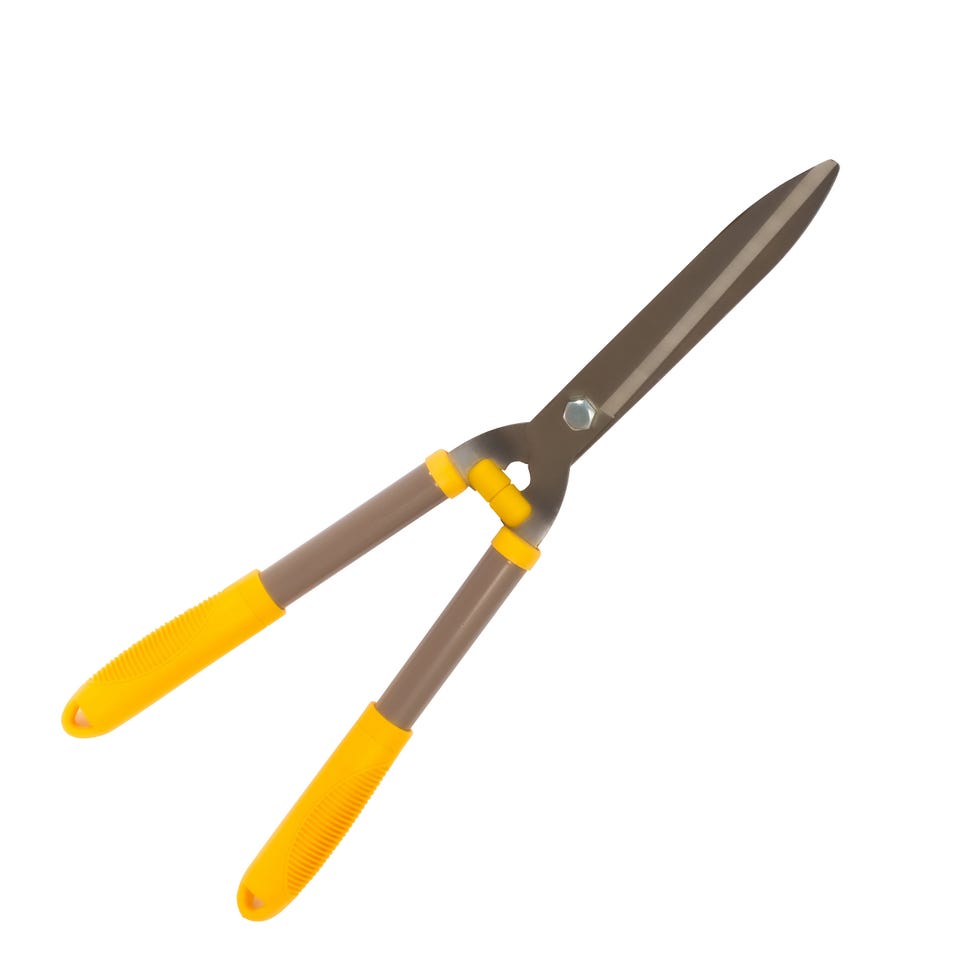 Standard Straight Grass, hedges & shrubs Shears
 Burgon & Ball Burgon & Ball Love the glove Polyester Red Gardening gloves Medium, Pair
Becky is a freelance journalist based in Somerset, UK, specialising in all things home, gardens, lifestyle, and entertainment. With a love of classic rom-coms and a penchant for romanticising her own everyday life, she enjoys embracing cosy, slow living with her family and their crazy Welsh collie, Cookie. Becky has been published in publications such as Cosmopolitan, The Independent, The Evening Standard, The Telegraph, Collider, Happiful Magazine, OK! And many more.
Comments are closed.