
An expert has shared the plants you should avoid pruning in January, as doing so could seriously damage them
12:49, 06 Jan 2026Updated 12:53, 06 Jan 2026
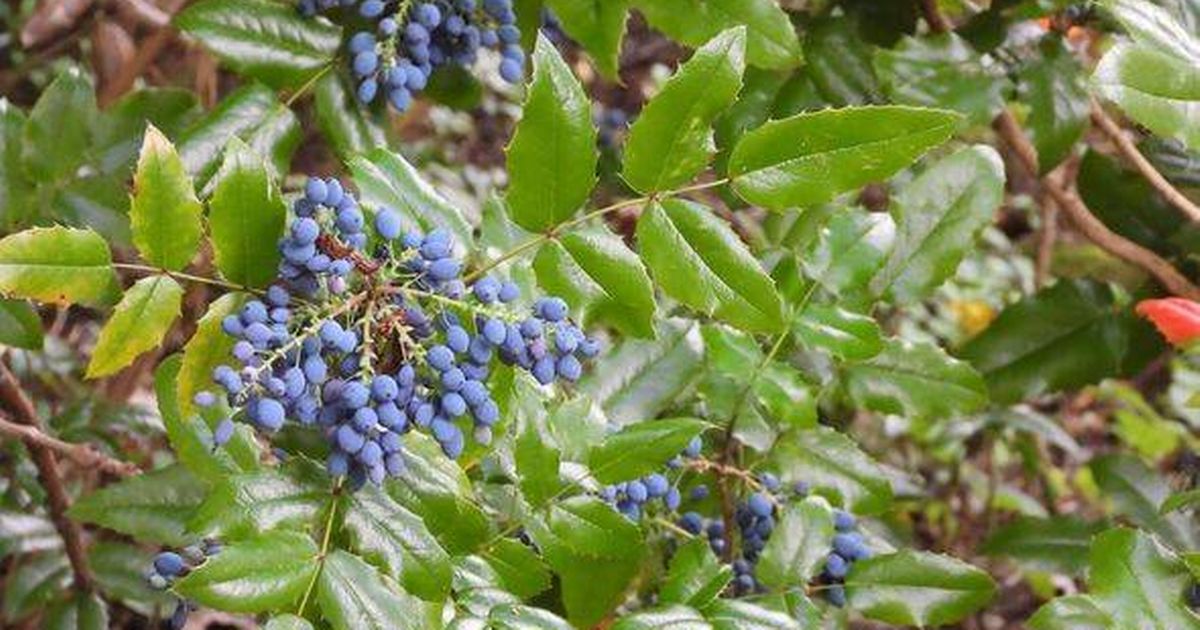
 Mahonias are one of the few exceptions to Simon’s rule [stock image](Image: Getty)
Whilst many of us remain indoors, perhaps finishing off the last of the Christmas cake, some dedicated gardeners will be braving the snow and ice, pruning trees and shrubs in anticipation of a spectacular display of growth come spring.
However, gardening expert Simon Eade cautions that pruning numerous plant species at this time of year can result in long-term damage. “January is the perfect time to make any of those remedial cuts on your apple trees and pear trees,” he says.
“But that is where it stops when it comes to fruiting trees, because January is the absolute worst time to be cutting any of your stone fruit trees.”
On his Walking Talking Gardeners YouTube channel, Simon explains that pruning trees bearing stone fruits — including plums, cherries and, for those fortunate enough to live in warmer climates, peaches — leaves them vulnerable to diseases that cause stunted growth, poor harvests and, in severe cases, the death of the tree entirely.
 Don’t prune roses in January, Simon says [stock image](Image: Getty)
He emphasises: “The time to cut all of these stone fruit trees is going to be in the middle of summer, on the hottest, driest day,” reports the Express.
Pruning stone fruit trees now, Simon warns, exposes them to two particularly serious diseases: bacterial canker and silver leaf, both of which are extremely difficult to eliminate once established. He adds that ornamental bark willows and dogwoods are another group of plants that can suffer significant damage from premature pruning.
Despite their visual appeal, Simon notes that when these plants are grown in parks and public spaces, they are frequently cut back at this time of year as a money-saving tactic.
“These are absolutely stunning displays if you plant them right and maintain them right,” Simon says. “Don’t be just cutting them willy-nilly because it’s convenient to you. Leave them alone.”
 Pruning some plants right now could do lasting harm [stock image](Image: Getty)
Simon also strongly advises against pruning evergreens during the depths of winter, explaining: “They don’t have the energy reserves that you get with deciduous plants.
“If you cut them now, it tends to weaken them a bit in the spring. And if you do get a mild period and you get some fresh growth, it’s all going to be cut back anyway by a late frost. So don’t do that!”
However, Simon identifies one exception to this guidance — Mahonia plants. “If your Mahonias have finished flowering and your plant looks untidy, then in order to ensure you get flowers next year, you do need to cut these immediately after flowering, which is about now. So I will allow that one. But the rest of them — leave them all alone.”
Simon also advises leaving roses untouched in January, as both rambling and shrub roses bloom on the previous season’s wood. He explains: “If you cut these and you’re removing the wood that would produce this season’s display, be really careful. It’s very bad for your garden’s health.”
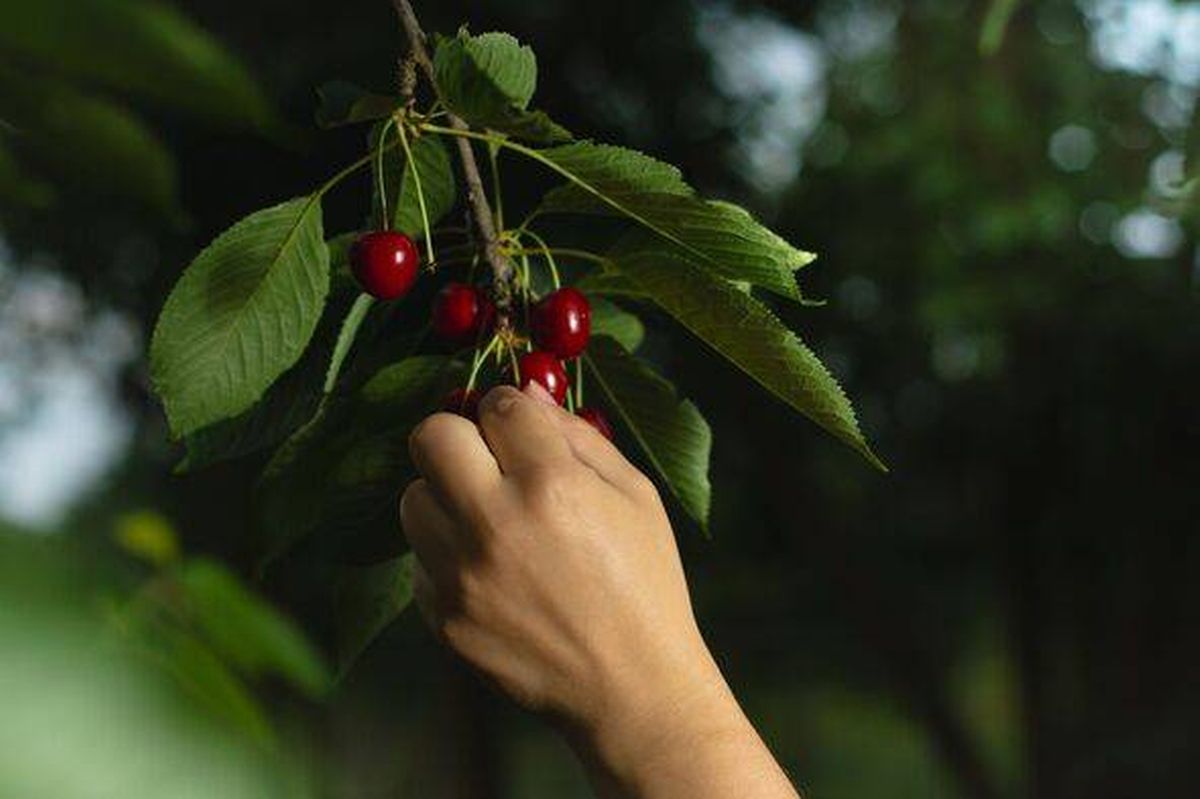 Cherry trees could suffer from pruning at this time of year [stock image](Image: Getty)
The final category of plants that should absolutely be left alone, according to Simon, includes a few herbs you might be tempted to trim to enhance your Sunday lunch.
Woody Mediterranean shrubs, including rosemary and thyme, can suffer serious harm if pruned during this period. “Any cuts you make now — that fresh wood can become damaged by frost, and that can cause dieback into the plant. In the worst-case scenario,” he warns, “you can kill these plants off. Come the spring, they won’t recover from it.”
These herbs, along with the garden favourite lavender, may begin to appear somewhat untidy at this time of year, but Simon urges: “Just resist the temptation to cut them.”
Comments are closed.