
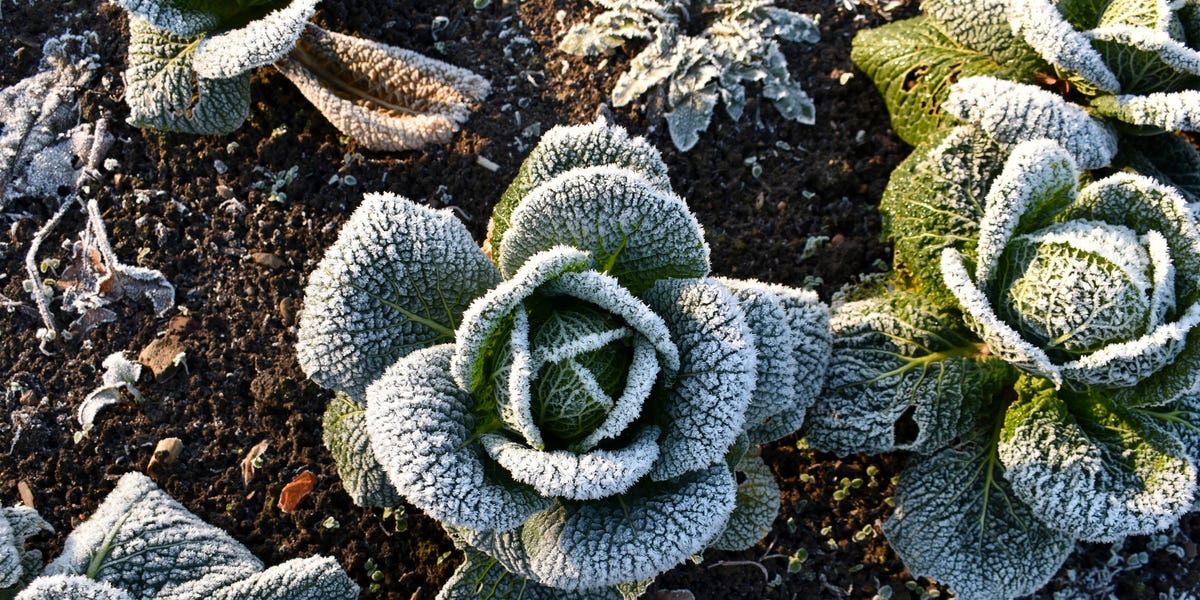
January has arrived, bringing with it the sting of bitter frosts, cold crisp air and a chance of snow for many.
However, keen gardeners know that the weather can’t slow things down completely, and that there’s always something to be getting on with – including showing your vegetable patch some attention.
For those wondering what vegetables to sow in January, you’ll find our handy guide on how to get ahead on the winter gardening job of sowing early seeds, below. So get your winter gloves at the ready and brave the outdoor chill for a head-start on growing season…
Chillies and Peppers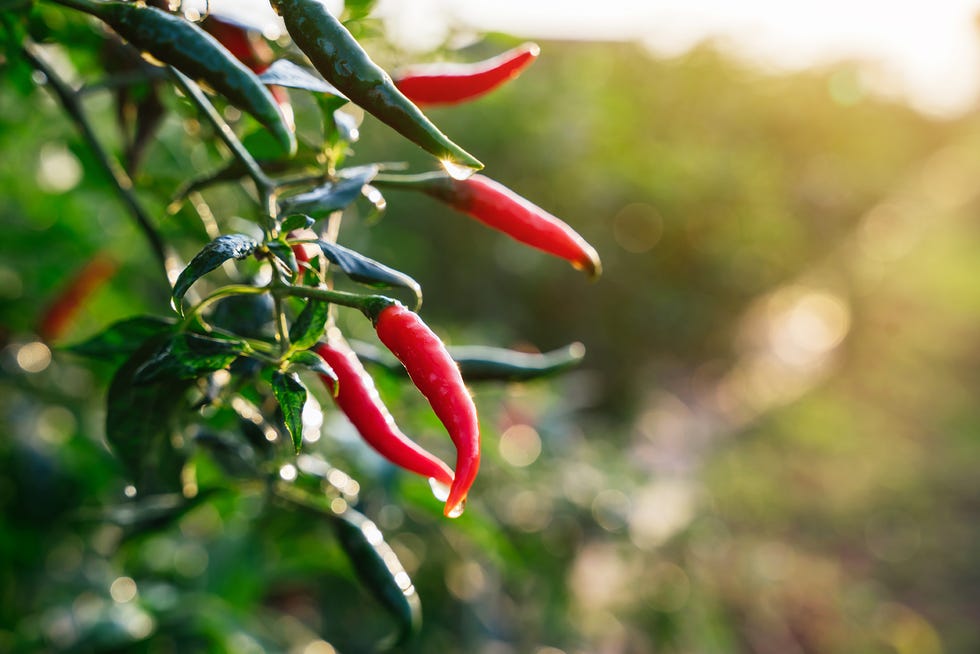

Pramote Polyamate//Getty Images
Chilis and peppers are ideal to start off in January as they need a long germination and growing season before you get to the fun part of harvesting your produce.
Gardening expert Claire Mitchell tells Country Living: “Sow chillies and peppers in January indoors at a temperature of around 21 degrees. Either on a warm, sunny windowsill, or use heated propagation mats which give a boost of warmth.”
Claire’s top tip when growing chillies indoors is to make sure to clean your windows first, as every bit of light helps. She also recommends sowing them in moist, well-drained compost and notes that once you see the seedlings appear, you can reduce the heat.

 Broad beans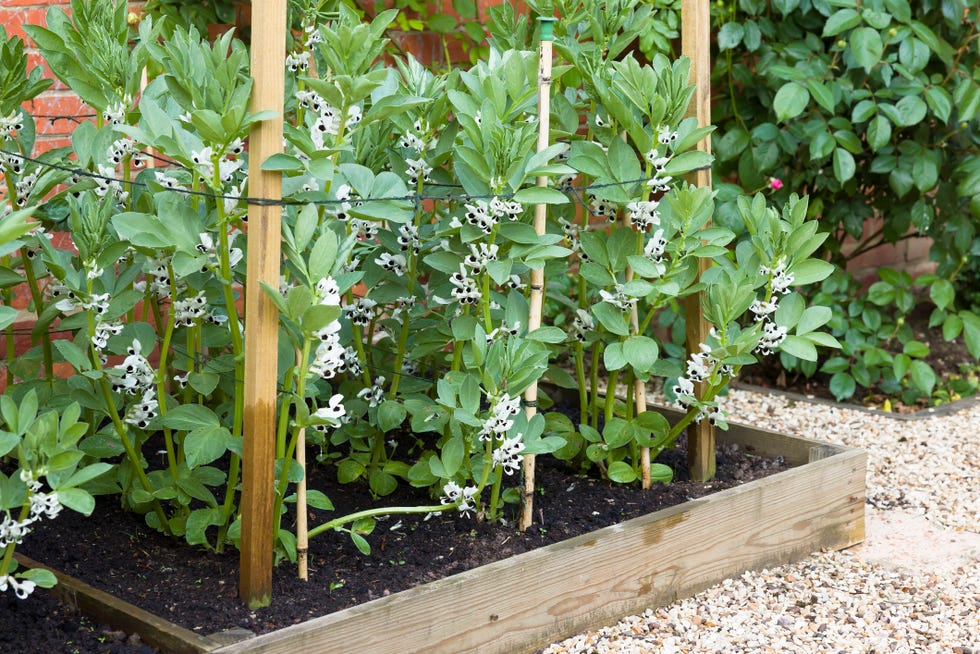
PaulMaguire//Getty Images
You can get a head start on your broad beans by starting them off in a coldframe or greenhouse in January. Board beans are hardy and easy to grow, but this will help to protect them from waterlogged or frozen ground, not to mention keep them safe from hungry mice who will nibble on them as a tasty snack during the hungry gap.
Sow broad beans in trays, root trainer modules, or even an old piece of guttering. Use well-drained, high-quality compost and plant your beans around 5cm deep, spaced roughly 20-25cm apart for best results.
Garlic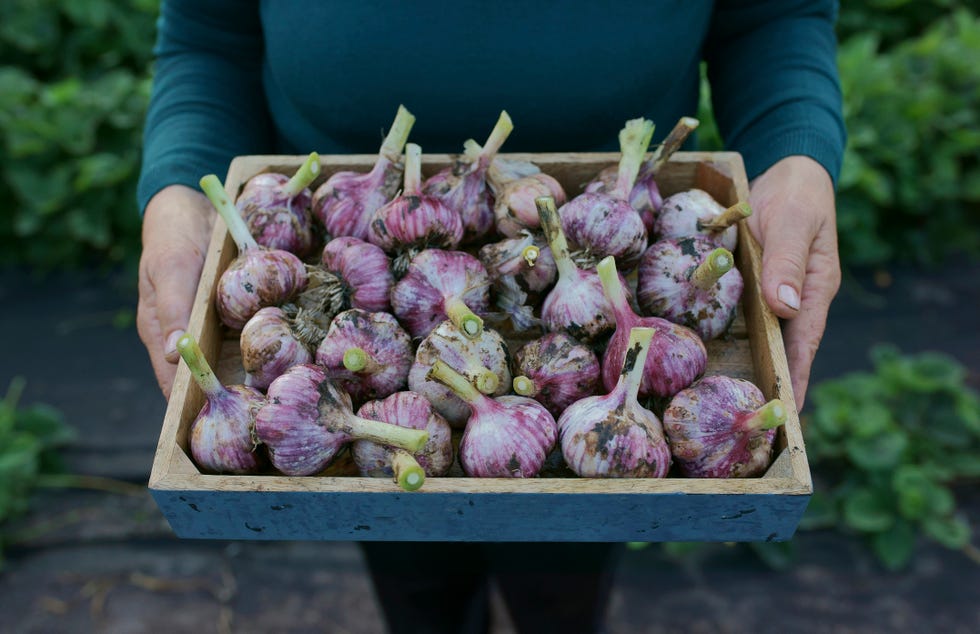
Valeriya Tikhonova//Getty Images
Garlic is a hardy and reliable staple in most gardens and, if the ground isn’t frozen over or waterlogged in your area, then there’s still time to sow yours. Perfect for everything from winter stews to flavourful soups, you won’t want to be without this tasty garden gem in 2026.
Mike Carthew of Garden Footprint tells Country Living: “Choose hardneck garlic varieties for colder areas and plant 10–15cm apart in well-drained soil.” Mike suggests avoiding planting in soggy beds and says that planting your garlic in raised rows or containers works well in cold and wet months.
Cauliflower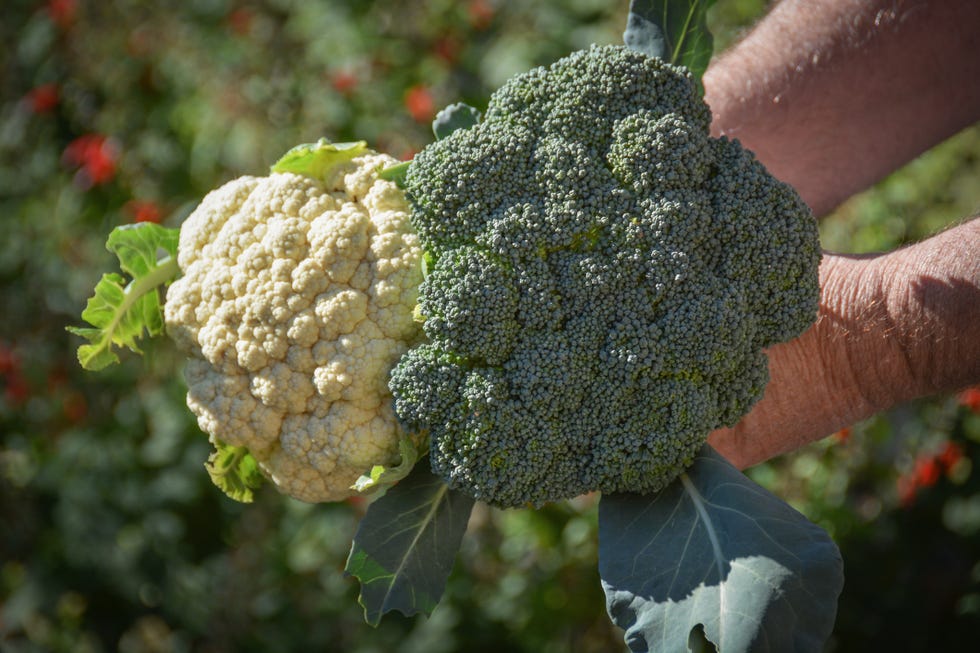
Barbara Rich//Getty Images
Horticultural expert Kendall Platt tells Country Living: “Cauliflower is great for gut health, and, if you choose your varieties wisely, you won’t be taken back to school dinners.”
Sowing cauliflower seeds is simple and perfect for beginners. Kendall suggests placing seeds into individual modules and popping them on a warm windowsill. It is vital to keep them moist as the seeds germinate and the plants grow. Once the seedlings are 8cm tall, they can be planted outside.
When it comes to the best cauliflower varieties, Kendall tells Country Living that ‘Di Sicilia Violetto’ has a stunning, bright purple head that will look just as good in the border as it does on the plate. Another firm favourite is ‘Early romanesco’, an almost alien-looking variety that’s great for roasting with plenty of herbs and spices.
Flavourful herbs

SimpleImages//Getty Images
Herbs make a fantastic addition to so many of our favourite dishes, so it’s great to have a selection ready to go as early in the year as possible.
Basil – Sow basil indoors onto moist compost in a window box and place on a warm windowsill to germinate, says Kendall. Keep them moist as the seeds germinate. You can then harvest the leaves to use in salads, as a garnish, or in vinaigrettes. And of course, to make your own pesto.
Kendall’s top pick when it comes to a more unusual variety of basil to try this year is ‘Purple Ruffles’. Its ruffled dark purple leaves add flavour to your dishes, and provide a pop of colour to your garden.
Lemon balm – Sow lemon balm indoors in moist compost in a window box and place on a warm windowsill to germinate, keeping the soil damp but not waterlogged.
Harvest the leaves to make a tea and take a mindful moment to reduce stress and improve your cognitive function over winter when you’re feeling sluggish. “Limoncello is a trailing variety that will spill over the edge of the window box, creating a beautiful display,” says Kendall.
Gardening Must-Haves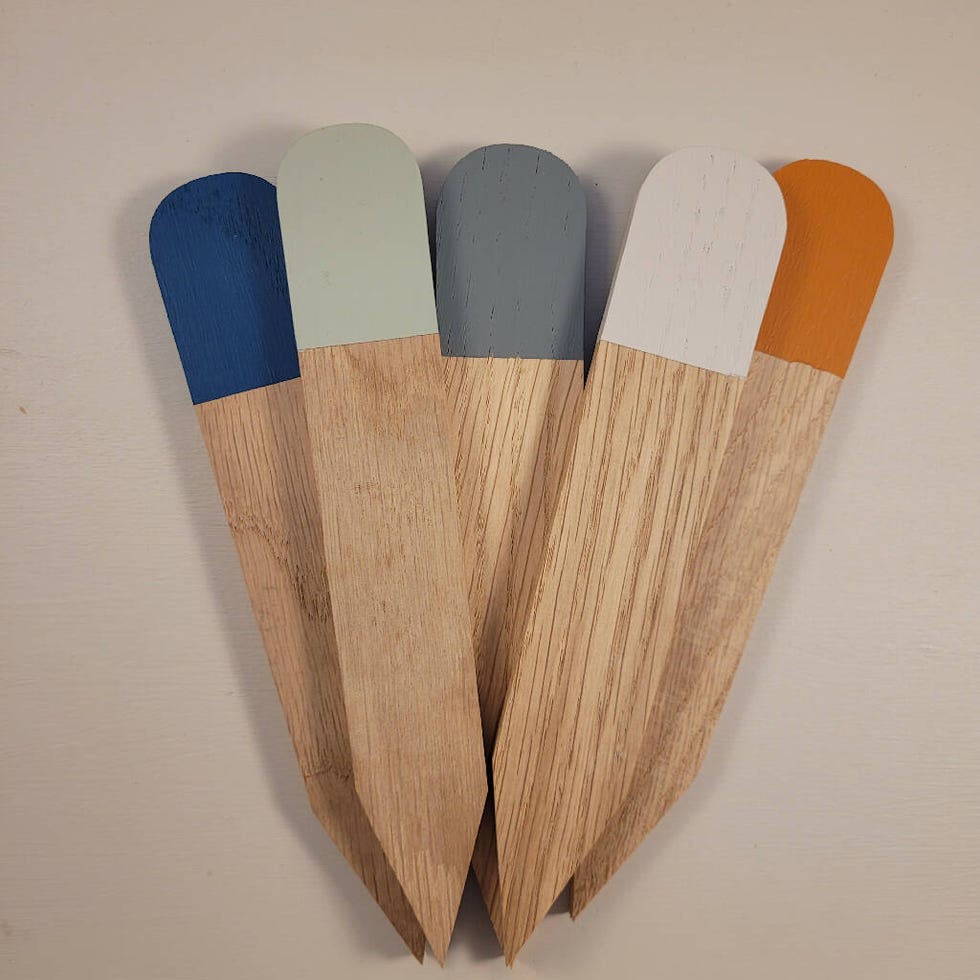 Painted Garden Label/Marker
 Garden Snips in Leather Pouch
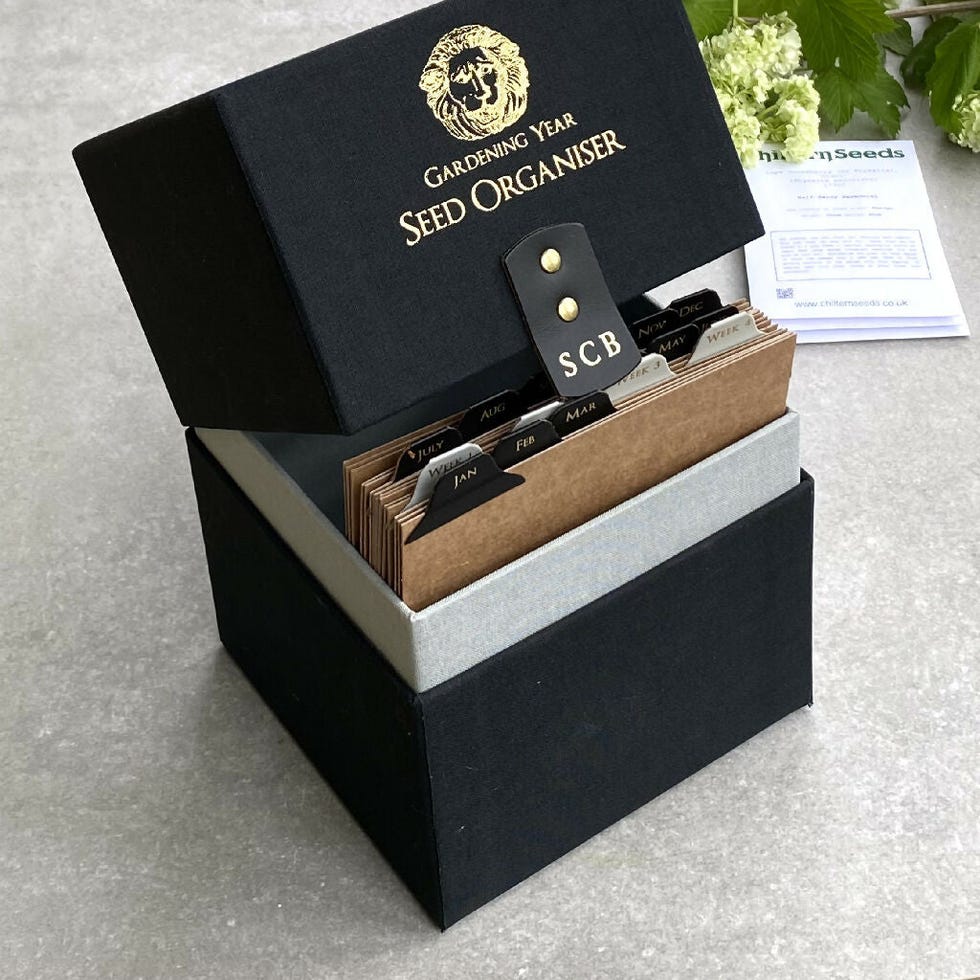 Undercover Personalised Gardening Year Seed Box Organiser
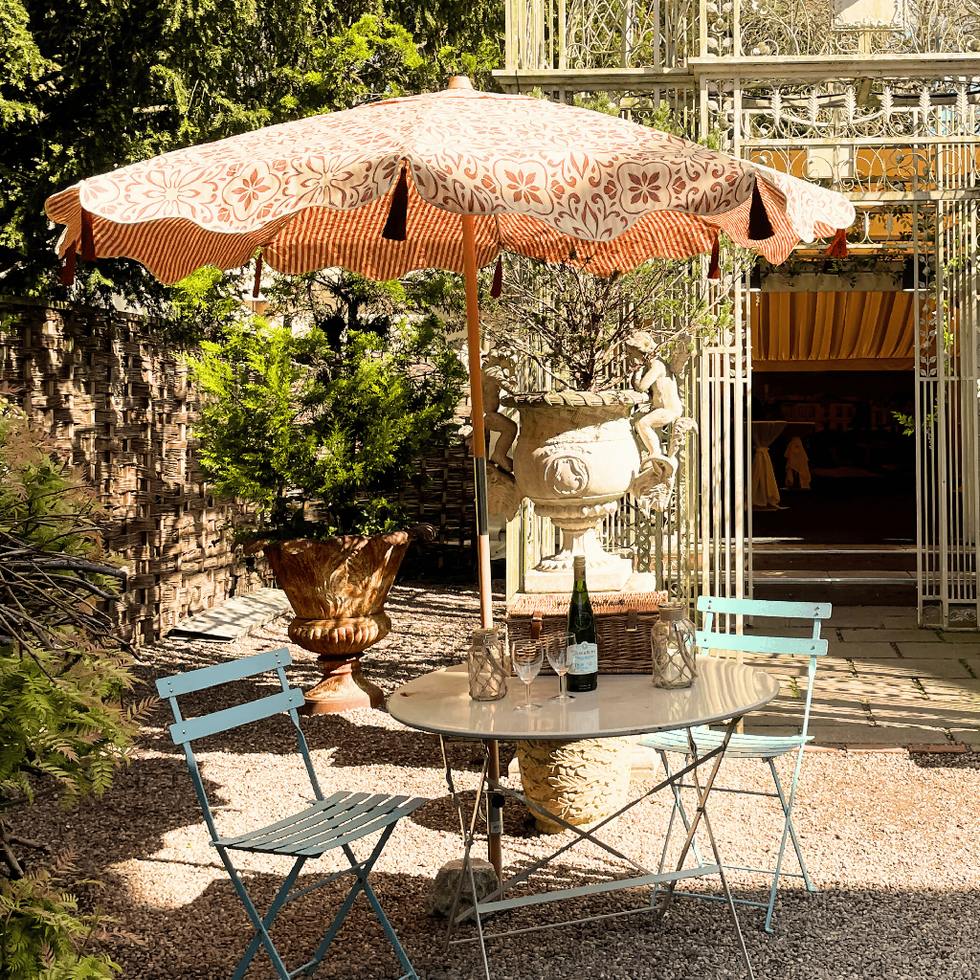 NEW! ‘Sienna’ 2.2m Premium Solid Wood Outdoor Parasol Umbrella
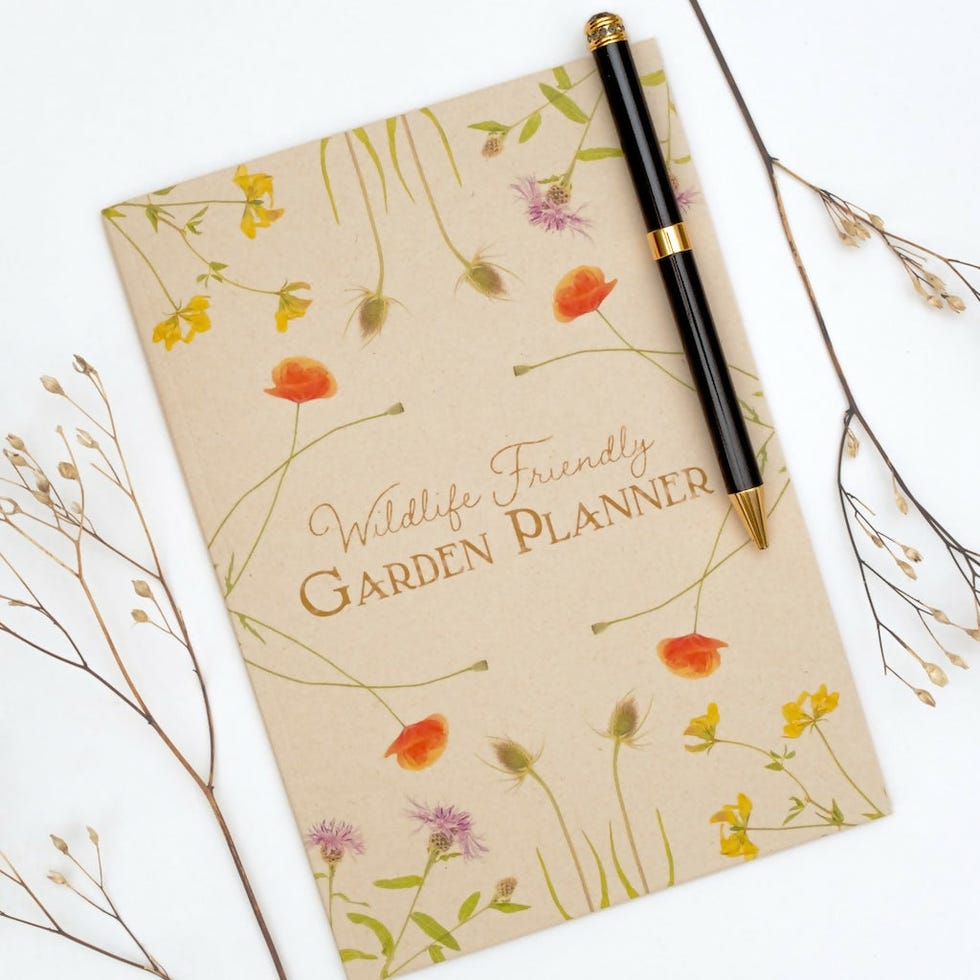 Alex HB Designs Wildlife Friendly Garden Planner
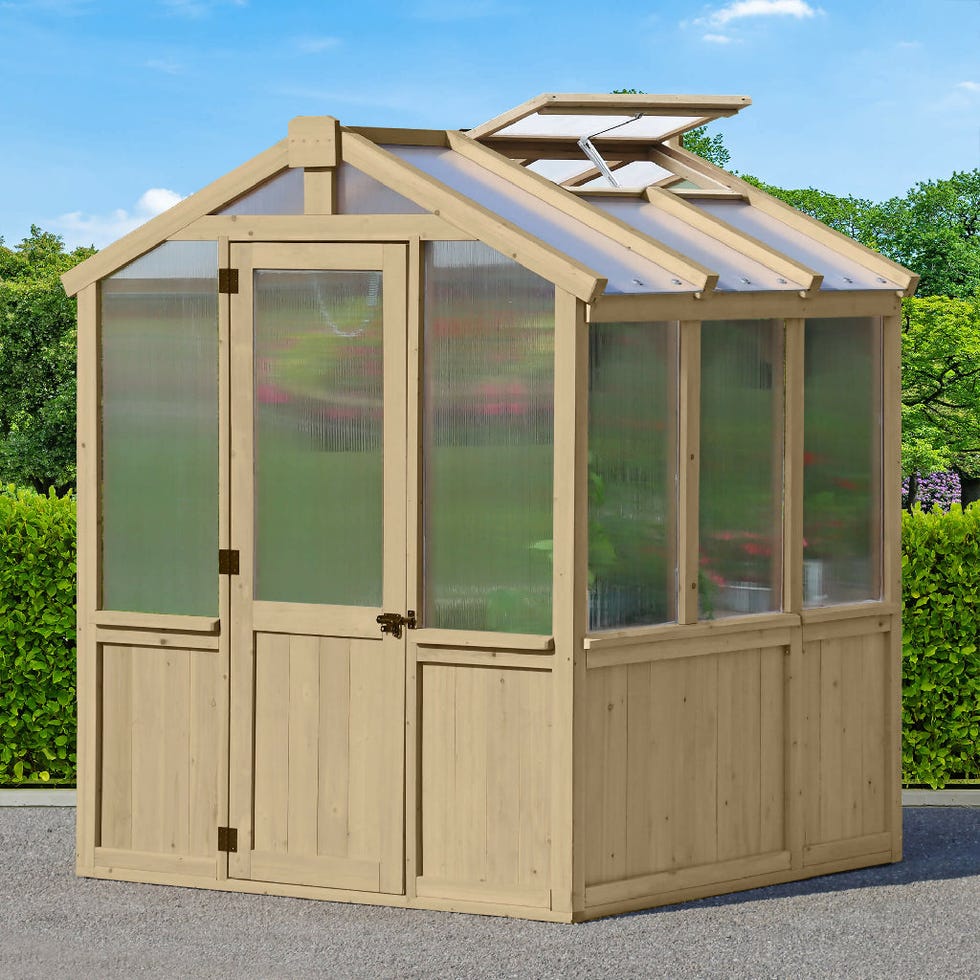 Meridian Greenhouse 6.7ft x 6ft (2.3m x 2m)
Becky is a freelance journalist based in Somerset, UK, specialising in all things home, gardens, lifestyle, and entertainment. With a love of classic rom-coms and a penchant for romanticising her own everyday life, she enjoys embracing cosy, slow living with her family and their crazy Welsh collie, Cookie. Becky has been published in publications such as Cosmopolitan, The Independent, The Evening Standard, The Telegraph, Collider, Happiful Magazine, OK! And many more.
Comments are closed.