
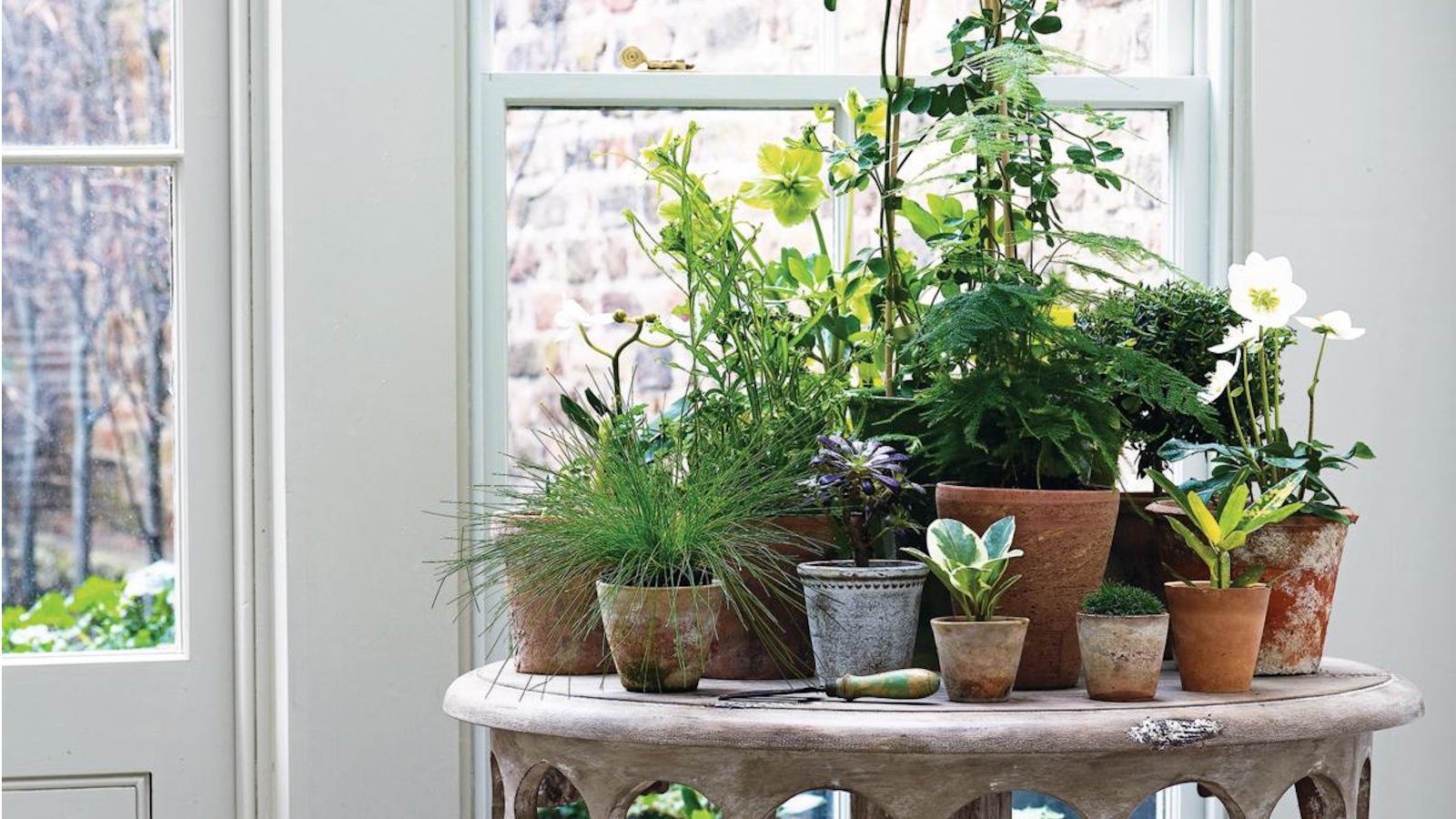
When I first started out my houseplant collection, I thought the winter was a quiet time. Now, as an avid indoor gardener, I view it as one of the most important times of the year. Not only do houseplants need some TLC during the coldest months, it’s also the perfect opportunity to get ahead of the spring season by taking cuttings.
It seems contradictory to the fact that many indoor plants are dormant during winter, but there are plenty of houseplant cuttings to take in January to start rooting. When the spring temperatures come around, they’ll take off and you’ll end up with double the number of houseplants by early summer.
You may like

(Image credit: FollowTheFlow via Getty Images)
7 Houseplant Cuttings to Take in January
The easiest houseplants to propagate in fall and winter can continued to be propagated in January, but it isn’t the only option. With the winter sun shining this month (and with a little help from indoor growing systems, like this heat mat from Amazon), there are a wide range of houseplant cuttings to take in January and start rooting before spring.
1. Tradescantia ‘Nanouk’

(Image credit: Getty Images/Ludmila Kapustkina)
Whether you’re a novice houseplant owner or you’ve been expanding your indoor garden for many years, this is the one houseplant I recommend everyone tries to grow from cuttings – the reason being, it’s one of the easiest to multiply.
When growing a tradescantia, there are a few different varieties to choose from, but the reason ‘Nanouk’ is one to take cuttings from in January in particular is because the light conditions are ideal to promote growth.
These plants are sensitive to intense sunlight and can experience leaf scorch as a result. But, the shorter periods of winter sun are gentle enough to keep these plants happy without harming the foliage.
Not only this, but choosing to propagate tradescantia in January can also improve the health of the mother plant ahead of spring growth.
In colder winter temperatures, you might find a tradescantia growing a bit leggy, so pruning and taking cuttings now puts it in better shape for spring.
When taking cuttings, use essential pruning tools (like these houseplant snips from Amazon) and cut above a leaf node. This is where roots will emerge when propagated in either soil or water.
You may like
And if you’re yet to have this tradescantia in your collection, you can find a ‘Nanouk’ live plant at Walmart.
2. Pothos
(Image credit: Jonny Forsey via Alamy)
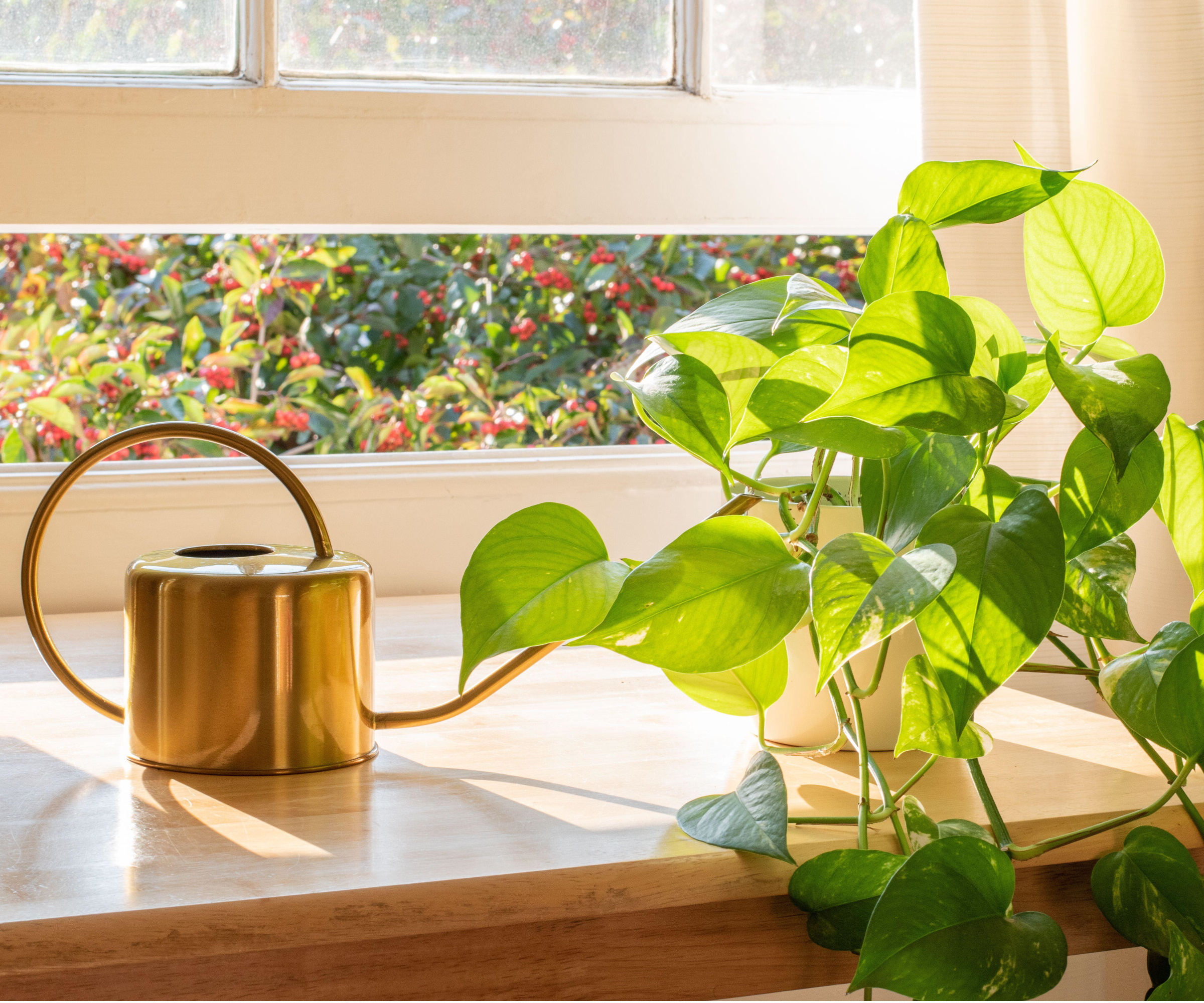
No matter which pothos variety you have in your home, January is a great time to take a few cuttings and get a head start on expanding your collection.
Just like ‘Nanouk,’ pothos plants are sensitive to direct sun, largely due to their native habitat of tropical rainforests of Southeast Asia and the South Pacific, growing beneath canopies of trees.
The low, gentle sun of winter means you can propagate pothos cuttings on windowsills without scorching their leaves.
Plus, pothos is known to be one of the houseplants that roots more easily in cooler temps. Once spring arrives, this will speed up and you’ll spot new leaf growth in a matter of weeks.
Another benefit of taking pothos cuttings now is that you can use them to speed up houseplant propagation for other plants.
This is because pothos contains a high amount of auxins and cytokinin (hormones for root development), so when cuttings are placed in water with other houseplant cuttings, they encourage rooting.
Just make sure to take pothos cuttings with one or two leaf nodes to ensure successful rooting.
You can find a beautiful pothos variety for your home at The Sill.
3. Hoya
(Image credit: Supersmario / iStock / Getty Images Plus / Getty Images)
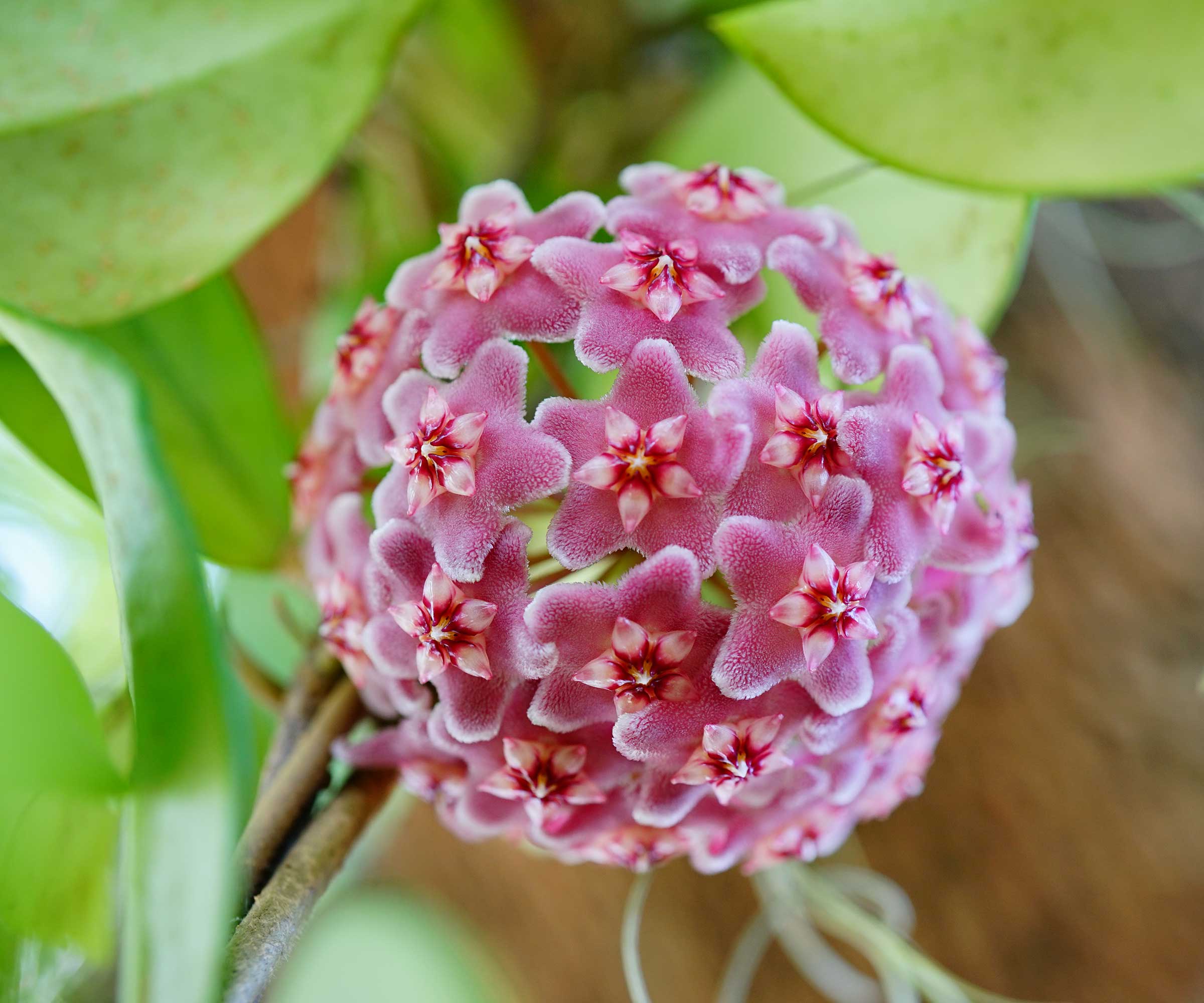
Indoor flowering plants are some of the most beautiful houseplants to grow, offering not just green foliage interest, but also pops of color with eye-catching blooms. Hoya is one of the best to choose, with clusters of waxy flowers, and January is a great time to multiply the hoyas in your home.
When propagating hoya from cuttings, one of the most common problems leading to failure is heat stress. This can cause leaf drop, stunted growth, and brown patches.
But, with cooler room temperatures in winter, you can get started on rooting hoya cuttings so they’re established enough to take off in spring.
Not only this, but hoya is a houseplant you may not realize is a succulent, aligning with the reduced watering of winter houseplant care. Though, you shouldn’t let the cuttings dry out entirely when trying to root them.
In fact, it’s often recommended to root hoya cuttings in water, where you can observe root growth, before planting into succulent soil (like this potting mix on Amazon).
Take note of water propagation mistakes to avoid when doing this, including refreshing the water.
Find a hoya live plant at Walmart.
4. Rubber Plant
(Image credit: Ashley-Belle Burns via Getty Images)
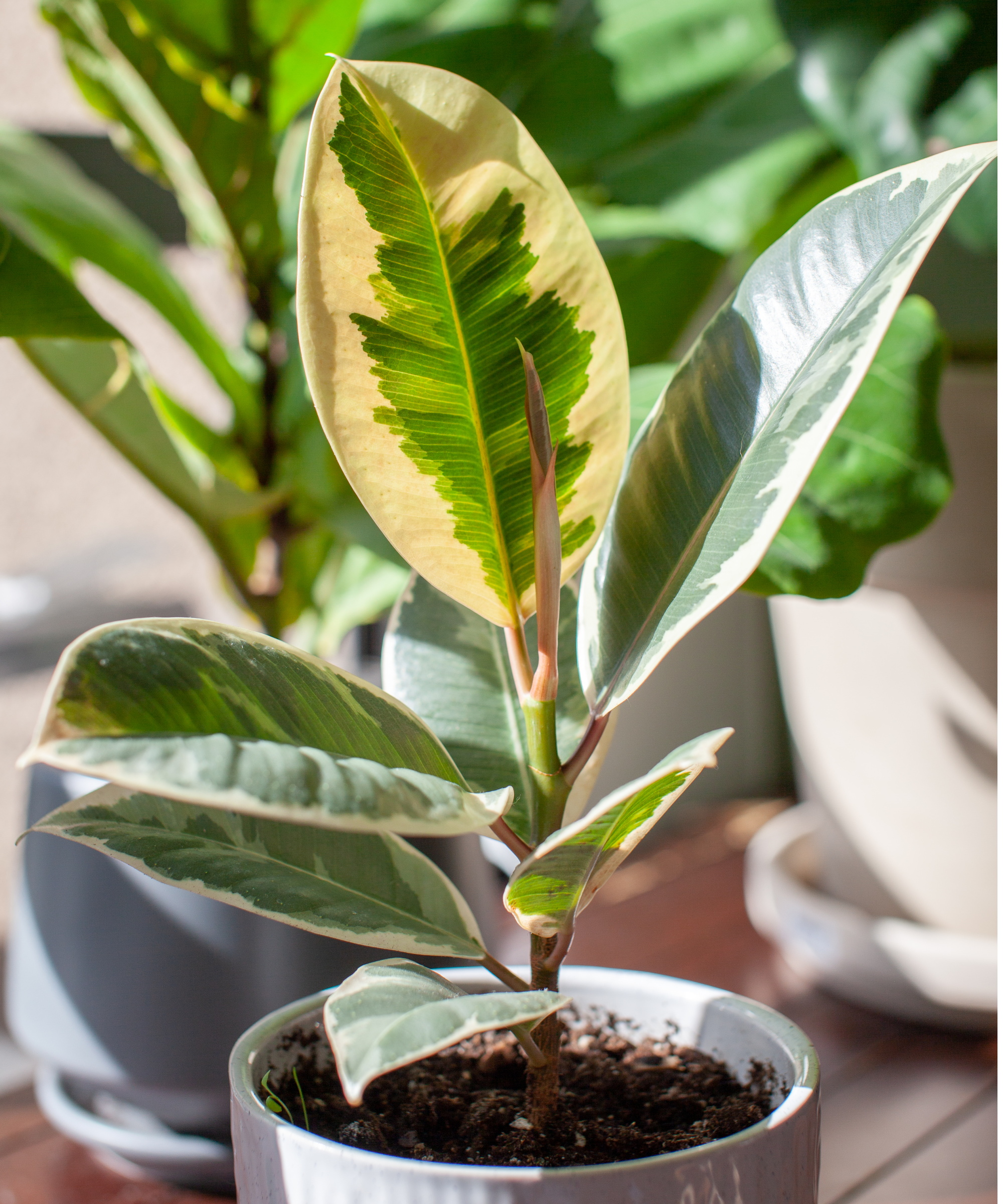
I always start propagating my rubber plant in January because these are some of the slower-growing cuttings.
There are a few tricks to use when taking rubber plant cuttings and rooting them at this time of year.
Firstly, due to the woodier nature of rubber plants, I dip my cuttings (taken from side stems on the mother plant) in a rooting hormone – a powder containing chemicals that replicate hormones that trigger rooting (rooting hormone can be purchased on Amazon).
Planted in well-draining potting mix, I then keep my rubber plant cuttings on a heat mat (like this one from Walmart) to provide sufficient warmth for rooting (somewhere in the range of 70–75°F).
Make sure to remove the heat mat once spring temperatures arrive, to prevent burning roots and dehydrating your rubber plant.
You can use these methods for cuttings from both a variegated rubber plant (available at The Sill) and a regular rubber plant (from Walmart).
5. Lipstick Plant

(Image credit: Ellinnur Bakarudin / Alamy Stock Photo)
The best indoor hanging plants are some of the best plants to propagate from cuttings, including lipstick plant with long tendrils you can trim.
The reason January is a good time to propagate them is because the plant is preparing to put out new growth in spring.
Simply cut above a leaf node, pop it back in the soil to make your plant bushier, or plant it in a new pot to grow a second lipstick plant. This pruning will help get the mother plant in good shape for spring, too.
Note: you should aim for four-inch long cuttings and wait for them to callous for a day before placing in soil to root. This will stop the cutting rotting.
Use a pebble humidity tray (from Amazon) to keep moisture levels up, encouraging root development for these tropical semi-succulent plants.
In spring and summer (once the plant is established), your new lipstick plant will bloom with bright pink and red flowers (like this lipstick plant from The Sill).
6. String of Turtles

(Image credit: Maritxu22 / Alamy Stock Photo)
This is another trailing plant than grows the more you trim its strands. This charming plant earns its name from the turtle shell pattern on its foliage.
Once again, this houseplant is a type of indoor succulent. This means it tends to have slower growth, especially when it comes to propagating string of turtles.
Starting in late winter gives you a head start on this, slowly developing roots for growth in spring.
It’s easiest to grow string of turtles from cuttings in soil, keeping it in a bright spot, out of direct sun.
However, you may struggle to provide sufficient light during this time of year, so consider using a grow light for houseplants (like this grow light from Amazon).
You can shop a string of turtles live plant from Walmart to add to your collection.
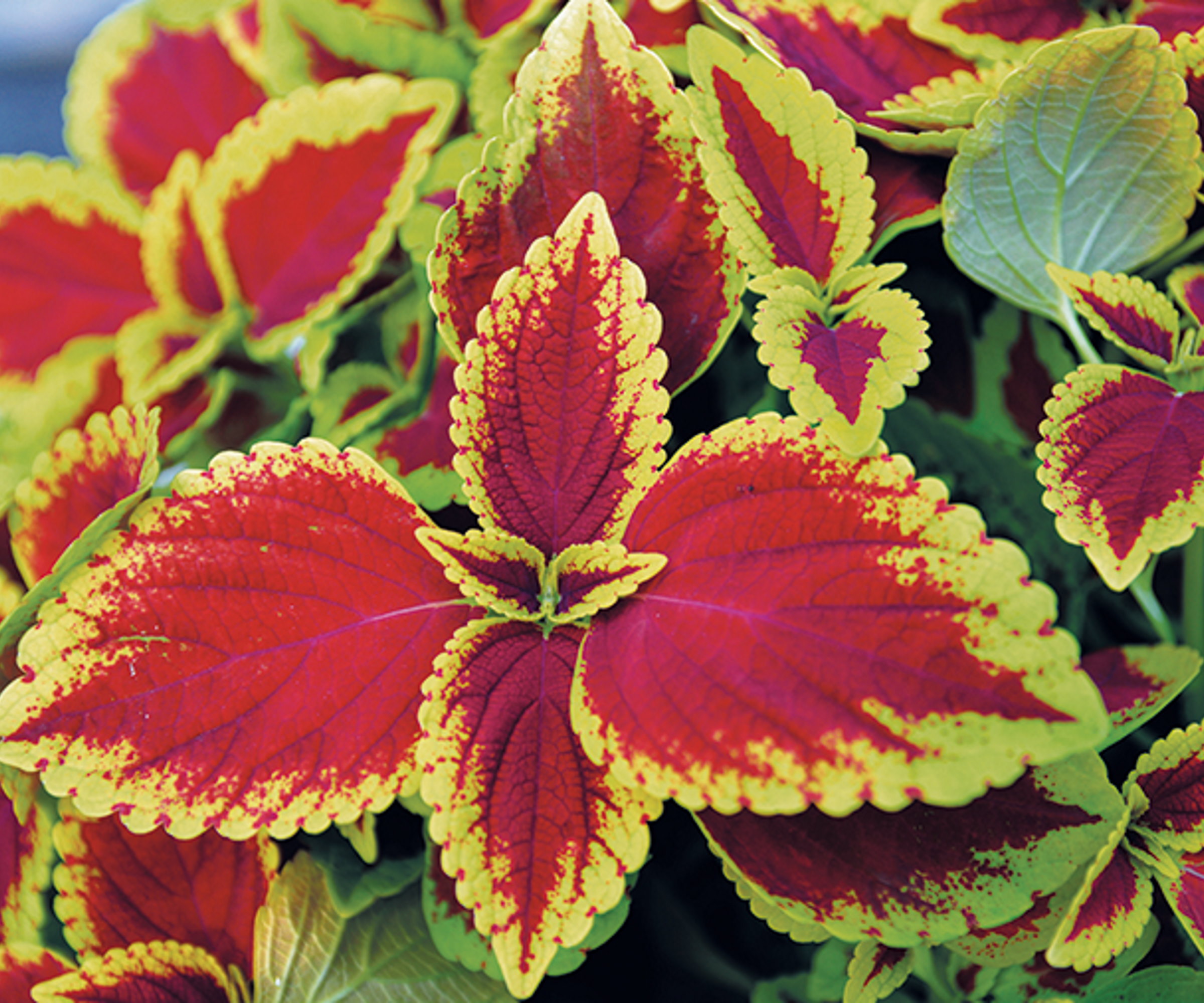
7. Coleus
(Image credit: Shutterstock/ Wirestock Creators)
Coleus is a plant you can either grow as a houseplant full-time or you can overwinter coleus indoors as a houseplant. This makes January a good time to take some cuttings to begin multiplying it.
Taking cuttings of coleus at the start of the year to start rooting will result in bushier starter plants come spring. You can then continue growing it as a houseplant, or plant it outdoors after late frost.
When growing coleus from cuttings, choose stems around four to six inches long and keep them in bright light.
Sufficient light will help maintain the vivid colors of these plants, such the purple-green ‘Sea Urchin’ coleus (from Walmart).
FAQsCan You Divide Houseplants in Winter?
There are many houseplants you can propagate by dividing plants, including blue star fern and monsteras. However, it’s usually best to do this during spring and summer when the houseplants are actively growing, allowing them to recover more quickly and increasing the chances of successful division.
When propagating these houseplant cuttings to take in January, don’t forget to avoid houseplant propagation mistakes that might hinder the success of your efforts.
Our Favorite Propagation Accessories

Houseplant Propagation Station
Use this propagation station to turn your cuttings into a decorative centerpiece. It has the capacity for three plant cuttings, which can be observed through the transparent vessels.

Use this seedling heat mat to provide warm conditions for plant cuttings to root. It measures 10×20.75 inches and provides a consistent temperature between 70-85°F.

This bamboo grow light brings function and form. It has an adjustable height and a timer to automatically turn on and off, providing plants and cuttings with just the right amount of light.
Comments are closed.