

King Charles’ former gardener, Jack Stooks, has shared expert tips on how to attract more robins to your garden this winter with berry-producing plants.
Daniel Windham Assistant Editor
06:58, 04 Jan 2026
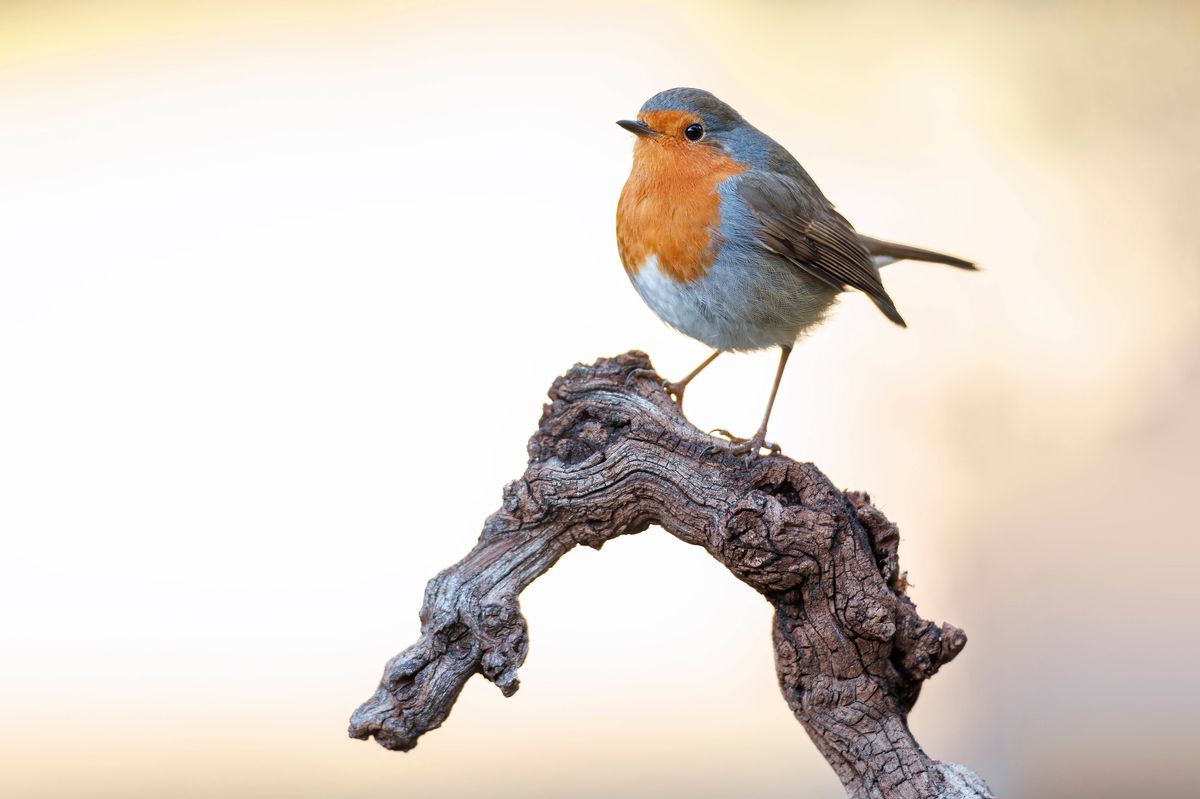 European robin (erithacus rubecula) perched on a branch (Image: Brais Seara via Getty Images)
A former Royal gardener has shared a straightforward method for enticing robins into your garden during the winter months – and it begins with selecting the correct flowers and berry-bearing plants.
In an exclusive conversation with Reach PLC, Jack Stooks, who dedicated over two decades to serving the King, offered his professional guidance on attracting these beloved birds to your outdoor area.
Stooks, who maintained the Royal gardens for 21 years, noted that robins are naturally attracted to gardens where food sources are abundant and accessible.
“Robins eat worms and bugs, so it’s normally when you’re digging in gardens that they start to appear as you’re bringing up all those worms and bugs,” he said.
“That’s the best way to see them, when you’re out in the garden digging. That’s when you’re most likely to see them,” reports the Express.
However, Stooks mentioned that birds can also be encouraged through one particular plant that offers additional nutrition throughout the colder period.
Cotoneaster: The vital berry shrub
Cotoneaster is an adaptable shrub recognised for its clusters of vibrant red berries, which serve as a crucial winter food supply for birds including robins.
The berries are not only visually attractive, but they also provide nourishment when insects become scarce. “Things like cotoneaster, which are red berry shrubs. They’re really good. They look great for you, but they also bring birds in as well,” Stooks said.
Introducing cotoneaster to your garden is a simple and effective way to create a more bird-friendly space while adding winter colour.
 Cotoneaster frigidus(Image: Getty)Sorbus: Berry-producing trees ideal for winter nourishment
Sorbus, widely recognised as rowan or mountain ash, is a compact deciduous tree celebrated for its clusters of vibrant red berries. These berries mature during late autumn and can persist through winter, providing a crucial food source for birds when natural insects become harder to find.
“Sorbus, which are trees with berries at this time of year, so that’s another good one,” Stooks explained. Beyond providing sustenance, sorbus trees also contribute striking berries that enhance colour and visual appeal in winter gardens.
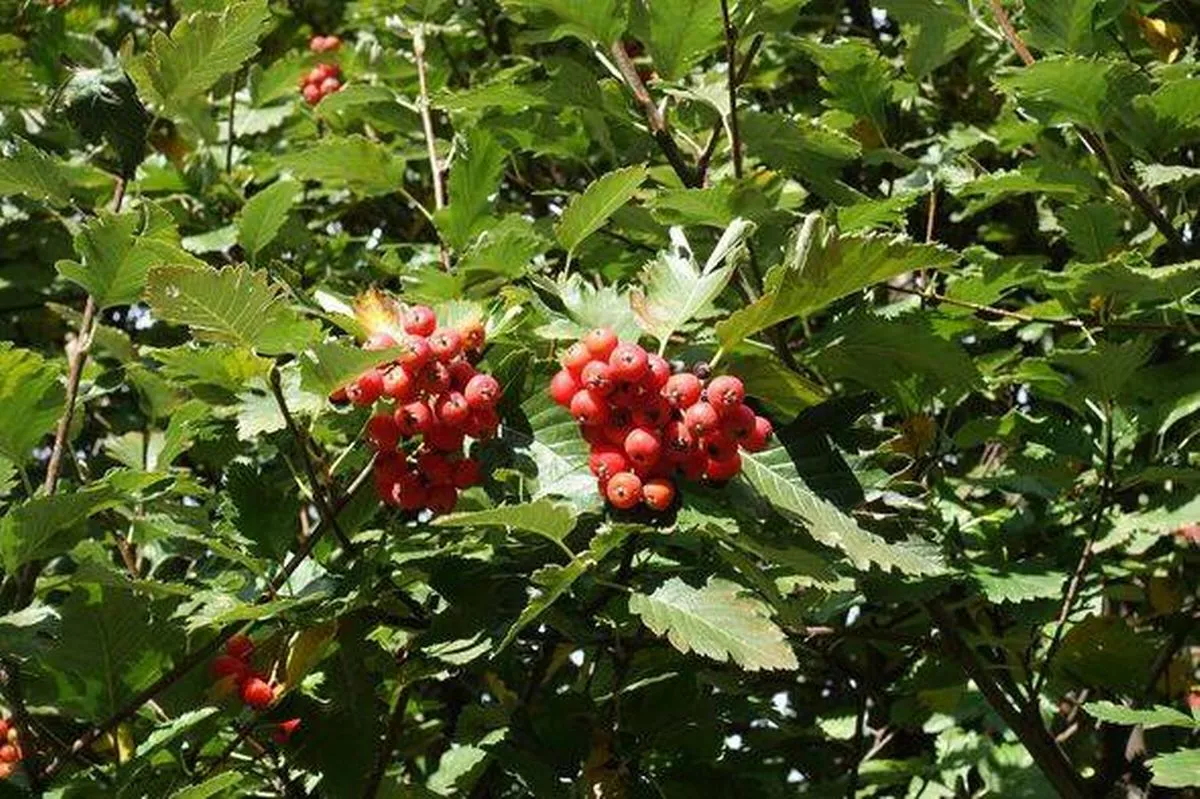 Two corymbs of red berries of Sorbus aria in September(Image: Getty)Ivies: Beyond mere foliage
Ivy is frequently undervalued in gardens, yet it can serve as a vital food source for birds during winter months. When permitted to bloom and produce seeds, ivy draws various insects, which subsequently create a natural feast for robins and other garden birds.
“Robins also tend to look for bugs in ivies — especially if you allow them to flower and have the seeds,” Stooks said. By including ivy in your garden, you can establish a habitat that benefits both insect populations and the birds that depend on them.
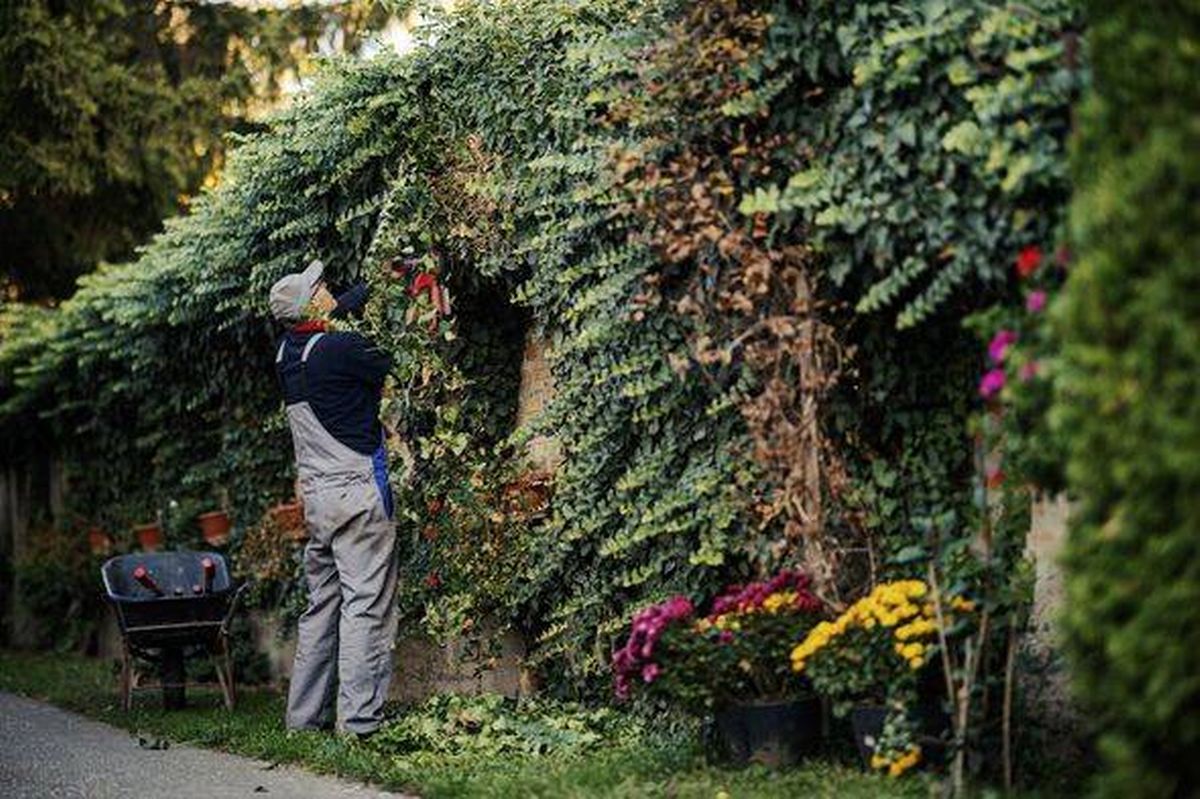 Gardener trimming overgrown ivy on wall with pruning shears(Image: Getty)Elderberry trees: A remarkable and distinctive option
For those keen gardeners seeking something slightly more distinctive, Stooks recommended black elderberry trees. These specimens are renowned for their dark fruit and appealing foliage, which bring texture and visual interest to any outdoor space.
Elderberries prove highly attractive to birds, offering both nourishment and refuge. “If you want something a bit more unusual, you can get a black elderberry tree, which has a really nice leaf form,” he said. Elderberry trees don’t just provide a food source for winter birds but also enhance the visual charm of gardens, marrying functionality with elegance.
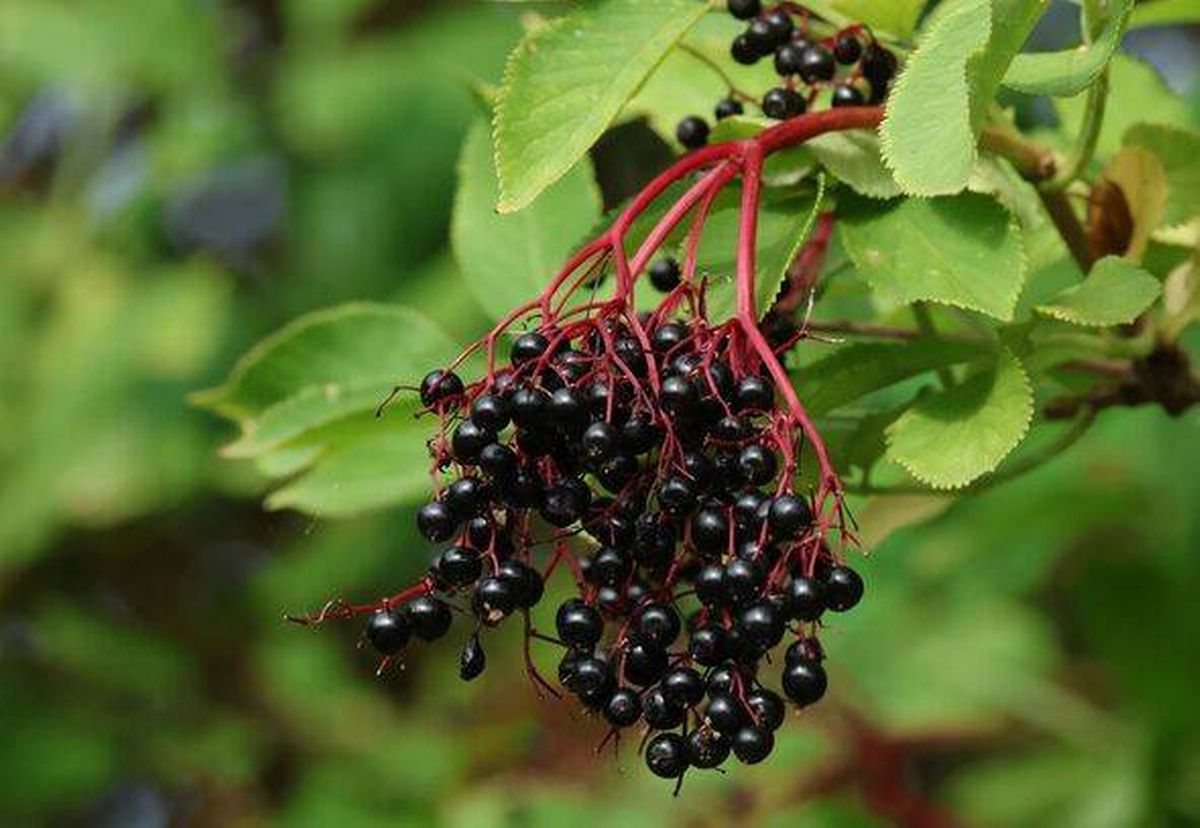 Elderberries growing on a Elder tree (Image: Getty)Drawing robins through smart garden selections
Armed with these suggestions, gardeners can transform their gardens into a robin-friendly sanctuary. By cultivating a variety of berry shrubs like cotoneaster and trees such as sorbus and elderberry, while allowing ivies to bloom, you can ensure your garden supplies both sustenance and habitat for birds during the colder months.
Jack Stooks’ guidance demonstrates that just a handful of considered plantings are sufficient to witness robins visiting your garden come January.
Comments are closed.