
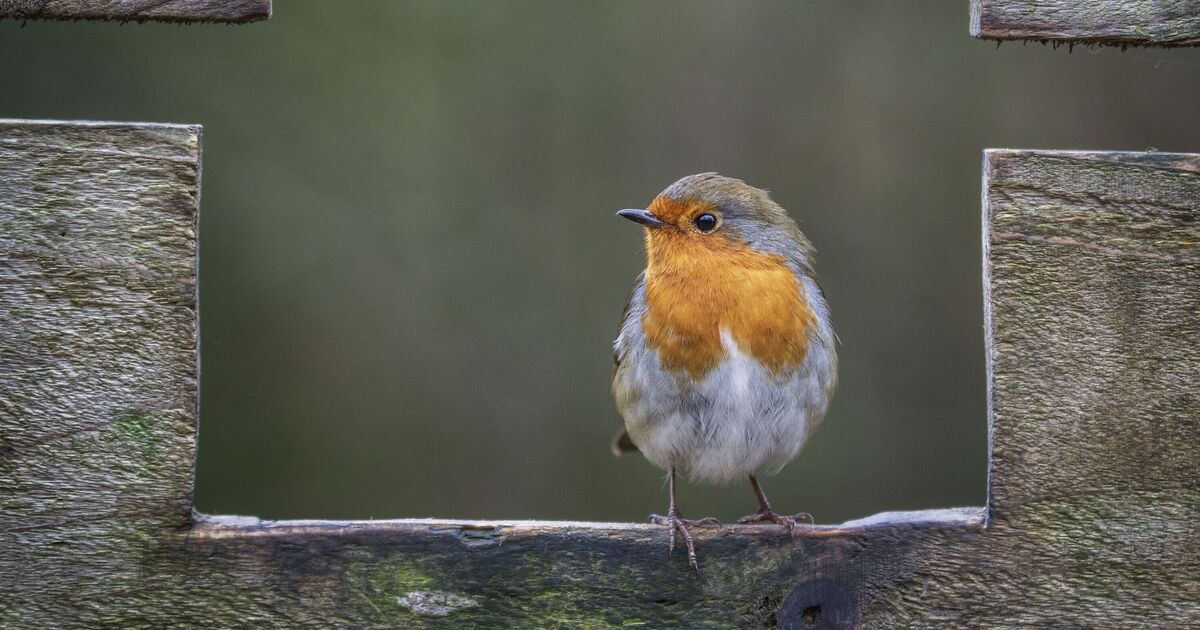
King Charles’ former gardener has revealed a simple way to attract robins to your garden this winter — and it all starts with planting the right flowers and berry-producing plants. Speaking exclusively to Reach PLC, Jack Stooks, who spent more than two decades working for the King, shared his expert advice on drawing these iconic birds to your outdoor space.
Stooks, who tended to the royal gardens for 21 years, explained that robins are naturally drawn to gardens when food is plentiful and easy to find. “Robins eat worms and bugs, so it’s normally when you’re digging in gardens that they start to appear as you’re bringing up all those worms and bugs,” he said. “That’s the best way to see them, when you’re out in the garden digging. That’s when you’re most likely to see them.” But Stooks added that birds can also be encouraged with one plant that can provide extra nourishment during the colder months.
Cotoneaster: The essential berry shrub
Cotoneaster is a versatile shrub known for its clusters of bright red berries, which are an important winter food source for birds such as robins. The berries are not only visually appealing, but they also provide sustenance when insects are scarce.
“Things like cotoneaster, which are red berry shrubs. They’re really good. They look great for you, but they also bring birds in as well,” Stooks said. Planting cotoneaster in your garden is a simple and effective way to make it more bird-friendly while adding colour to the winter landscape.
Sorbus: Berry-bearing trees perfect for winter feeding
Sorbus, commonly known as rowan or mountain ash, is a small deciduous tree prized for its clusters of bright red berries. These berries ripen in late autumn and can last into winter, offering an important food source for birds when natural insects become scarce.
“Sorbus, which are trees with berries at this time of year, so that’s another good one,” Stooks explained. Not only do sorbus trees provide nourishment, but their striking berries also add colour and visual interest to winter gardens.
Ivies: More than just greenery
Ivy is often overlooked in gardens, but it can be an important source of food for birds in the winter. When left to flower and produce seeds, ivy attracts a variety of insects, which in turn provide a natural buffet for robins and other garden birds.
“Robins also tend to look for bugs in ivies—especially if you allow them to flower and have the seeds,” Stooks said. By incorporating ivy into your garden, you can create a habitat that supports both insect life and the birds that feed on them.
Elderberry trees: A striking and unusual choice
For gardeners looking to add something a little different, Stooks suggested black elderberry trees. These trees are known for their dark berries and attractive leaf form, which add texture and interest to any garden. Elderberries are highly appealing to birds, providing both sustenance and shelter.
“If you want something a bit more unusual, you can get a black elderberry tree, which has a really nice leaf form,” he said. Elderberry trees not only offer a food source for winter birds but also enhance the aesthetic appeal of gardens, combining practicality with style.
Attracting robins with the right garden choices
With these tips, gardeners can turn their outdoor spaces into a robin-friendly haven. By planting a mix of berry shrubs like cotoneaster and trees such as sorbus and elderberry, and allowing ivies to flower, you can ensure your garden provides both food and habitat for birds throughout the winter. Jack Stooks’ advice makes it clear that a few thoughtful plants are all it takes to see robins hopping around your garden in January.
Comments are closed.