
If having a glorious garden is one of your goals for 2026, this is a good place to start
Some perennial flowers sown in late January or in February will flower in their first year and then go on flowering year after year. This is a cheap way to establish a colourful and varied flower border. The only condition is that early sowing and good conditions are necessary – as delayed plants will grow well but remain green, not flowering until the following summer.
Sow seeds in small pots of seed compost using a heated propagator or a warm windowsill to start them off. Then set individual seedlings or small clumps of seedlings in cell trays filled with good quality peat-free general potting compost. Keep them in warmth and good light on a windowsill or frost-free greenhouse until late March/April when the seedlings can go outside under cloches or fleece on the patio or a similar sunny sheltered spot or into a coldframe to grow until they reach planting size. Pot up plants that outgrow their cells into 7-9cm pots. Feed plants every week with liquid fertiliser.
Plant out in May – in groups for best effect – about 30cm apart into fertile soil, enriched with compost, manure or fertiliser. They need to grow fast to flower in their first year. Some species, usually only a few plants per batch, may not flower this year but they will all bloom in subsequent summers.
New FeatureIn ShortQuick Stories. Same trusted journalism.
Others may flower quite late – their flowers will be earlier in future years. Where seeds are only offered as mixed colours some “editing” next autumn – moving plants around to get the colours right – is sometimes called for.
Plug plants for spring delivery offer good value and are useful where raising your own plants is not possible.
Many seed suppliers provide lists of suitable seeds, including these easy and reliable ones; Achillea or yarrow include these very willing selections – Summer Berries or Summer Pastels Group with flat heads of small flowers in a wide range of berry or pastel shades. Achillea are favoured by pollinating insects too.
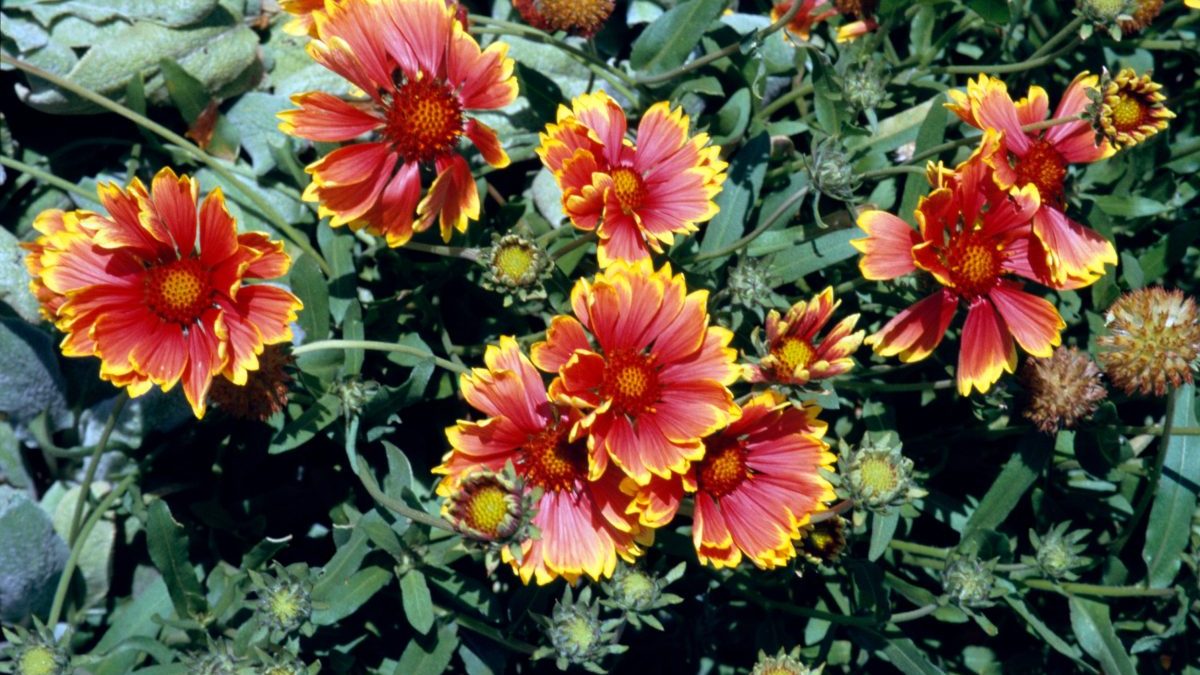
Daisy-type flowers include blanket flowers (Gaillardia), which bear fiery flowers in red and yellow on low-growing grey foliage. These include the Arizona Sun (30cm) and 40cm Mesa series. They grow fast and seem less slug susceptible than some flowers.
The Helena series of Helenium (sneezewort) reach 90cm and bear masses of red, yellow and orange flowers. Tickseed or Coreopsis (available as seed) mostly come in yellows, double Early Sunrise, red-centred Andiamo Yellow Red, both 40cm, and for edging borders 25cm yellow double Presto. For best persistence, deadhead these flowers thoroughly, plant on well drained sites, and divide plants in spring.
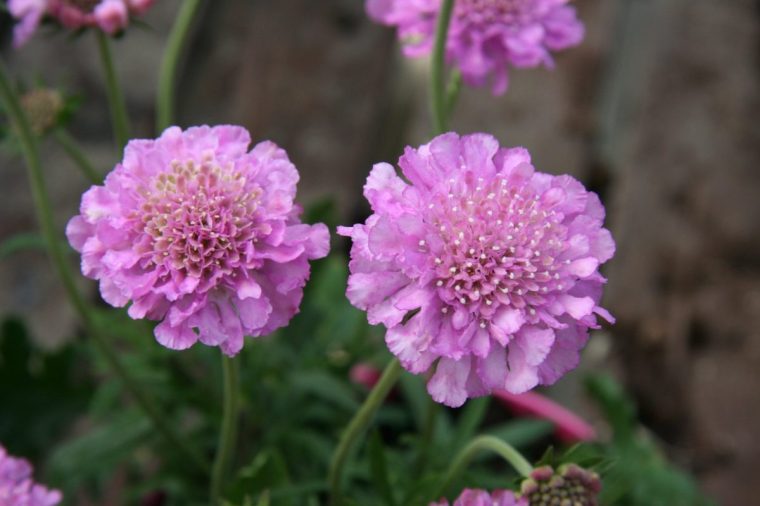 Scabiosa ‘Pink Mist’ is a lovely flower that will bring colour each year (Photographer: Philippa Gibson/RHS)
Insects relish scabious flowers and there are some first-year flowerers; Beaujolais Bonnets (60cm) wine flowers and pale stamens, Scabiosa caucasica Fama in blue and in white forms (50cm) and stocky 20cm Ritz Blue. To promote longevity thorough dead-heading is needed and soil that does not lie wet
in winter.
Knautia macedonica is similar to, but more persistent than, scabious with red pincushion flowers reaching 60cm high while Melton Pastels bear pinks, red and lilacs to 80cm tall.
Drought-resistant perennials from seed include catmints (Nepeta) Blue Moon and Pink Cat and Evening primrose (Oenothera) including 40cm Sunset Boulevard in yellow, orange and red and yellow flowered groundcover O. missouriensis.
Penstemon are often offered as first year flowerers – they seldom cooperate, however, but will flower the following year. Where warm conditions are unavailable for early sowing, sow outdoors for April until August – the plants will reach flowering size the following summer.
Comments are closed.