
Lagos is a city that rarely pauses. Its rhythm is urgent, ambitious, and unrelenting, a place where time is measured by movement and productivity.
In such a city, leisure is often treated as indulgence, squeezed into margins rather than designed as a way of life. Yet, quietly and deliberately, a different philosophy is taking root in Ikoyi, one that suggests leisure, when thoughtfully curated, can become culture.
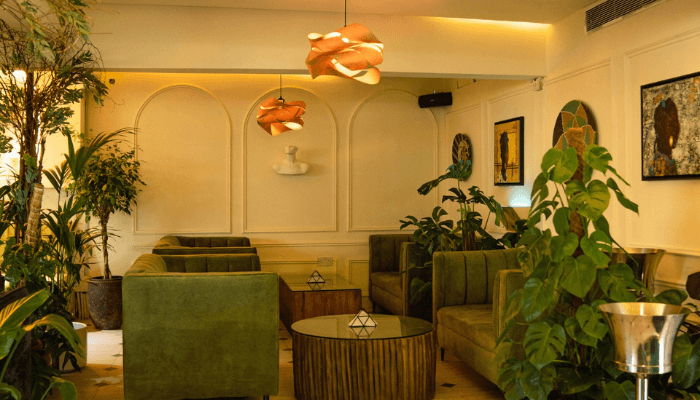
The Garden Ikoyi is not simply another restaurant or event venue. It is an intentional response to the emotional and social needs of a city constantly in motion. Designed as a green sanctuary within the urban density, the space invites Lagosians to slow down, gather, and reconnect, not in isolation, but in community.
What distinguishes The Garden is its understanding that culture is built not only through grand moments, but through repeated, meaningful rituals. Its weekly experiences are less about programming and more about rhythm, creating dependable moments that people return to, build memories around, and eventually claim as their own.
Taco Tuesdays offer a midweek exhale. It is casual, comforting, and unpretentious — an opportunity to step away from routine, share a meal, and ease the pace of the week. In a city where the workweek rarely softens, this simple ritual has become a subtle form of relief.
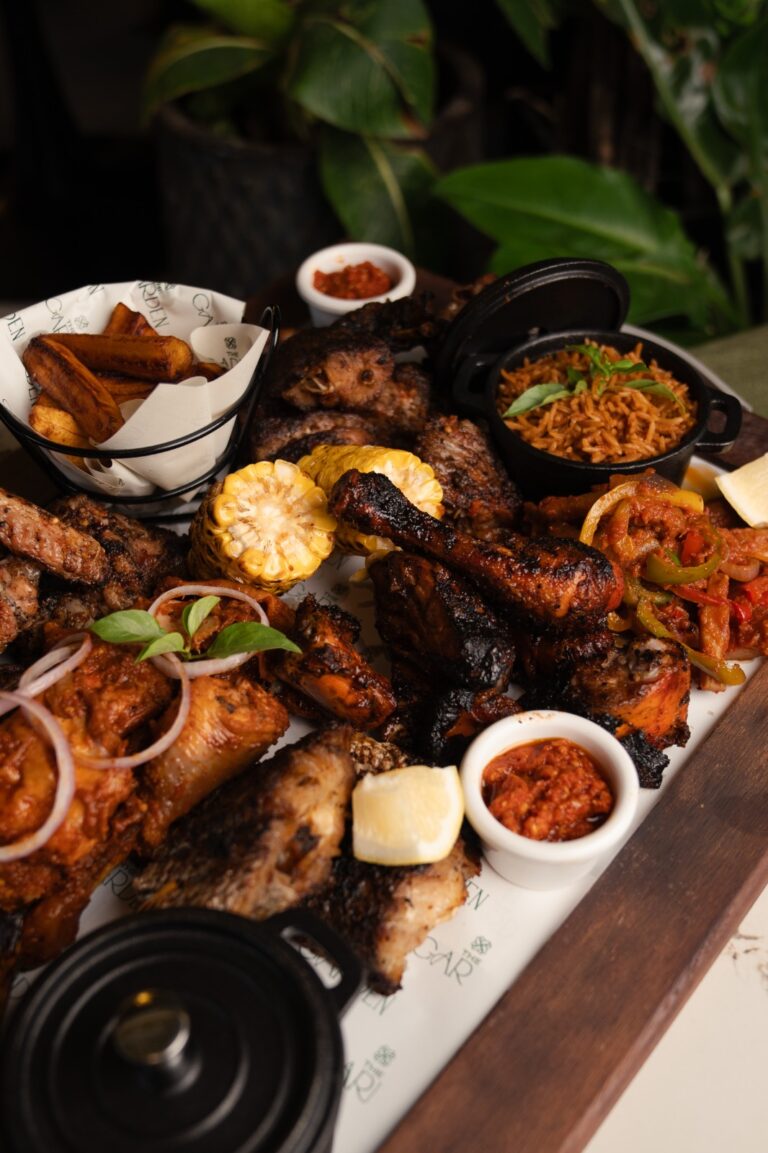
But it is Owanbe Thursdays that most vividly illustrates how The Garden has woven itself into Lagos’ social fabric.
What began organically has evolved into a cultural phenomenon. Each week, the space fills with a diverse audience, leaders in business and government, corporate professionals, creatives, and social tastemakers, drawn not by spectacle, but by familiarity.
Nostalgic music, communal dining, and shared laughter transform the evening into something deeper than entertainment.
The consistency of its demand, often selling out before the next week’s date is announced, speaks to something rare: a collective desire for connection rooted in memory. Owanbe Thursdays do not chase trends, it preserves feeling. In doing so, it quietly archives a version of Lagos that values togetherness, celebration, and ease.
Newer additions like Tribal Wednesdays reflect the evolving energy of the city. Though recently introduced, the experience has quickly resonated with young, vibrant lifestyle enthusiasts. Its growing popularity further solidifies The Garden’s ability to listen to its audience and adapt, offering experiences that feel current without losing authenticity.
Then there is Sunday Brunch, perhaps the most reflective of The Garden’s philosophy. Designed as a family-style feast, it offers restoration rather than excitement, a chance to close the week gently and begin the next renewed.
Together, these experiences form more than a calendar. They shape habits. They influence how people choose to spend their time, whom they gather with, and where they feel most at ease. Over time, they transform The Garden from a place people visit into a place people belong to.
This is where leisure becomes cultural infrastructure. Not as an abstract idea, but as lived experience. In cities across the world, thoughtfully designed leisure spaces are increasingly recognised as essential to quality of life, places where social cohesion is strengthened and identity is expressed.
The Garden Ikoyi demonstrates that Lagos, too, is capable of this kind of intentional design.
Importantly, it does so without mimicking other cities. While its sophistication could sit comfortably alongside global destinations, its soul remains distinctly Lagos.
The music, the energy, the communal spirit, all are familiar, refined rather than replaced.
In a city constantly building upwards and outwards, The Garden Ikoyi builds inward, creating space for pause, presence, and shared humanity. It reminds us that leisure, when designed with care, is not an escape from the city. It is a contribution to it.
And in that contribution, The Garden Ikoyi has quietly transformed leisure into something lasting: a cultural asset for Lagos.
Esther Emoekpere
Esther Emoekpere is a data analyst in the audience engagement department at BusinessDay, where she uses data to understand reader behaviour, spot unusual trends, and support the newsroom with insights that shape story performance. She holds a BSc in Statistics from the Federal University of Agriculture, Abeokuta.
She also with the BD Weekender team, where she covers a range of beats including profiles, food, lifestyle, restaurants, and fashion—creating stories shaped by audience interest and real-time engagement trends.

Comments are closed.