
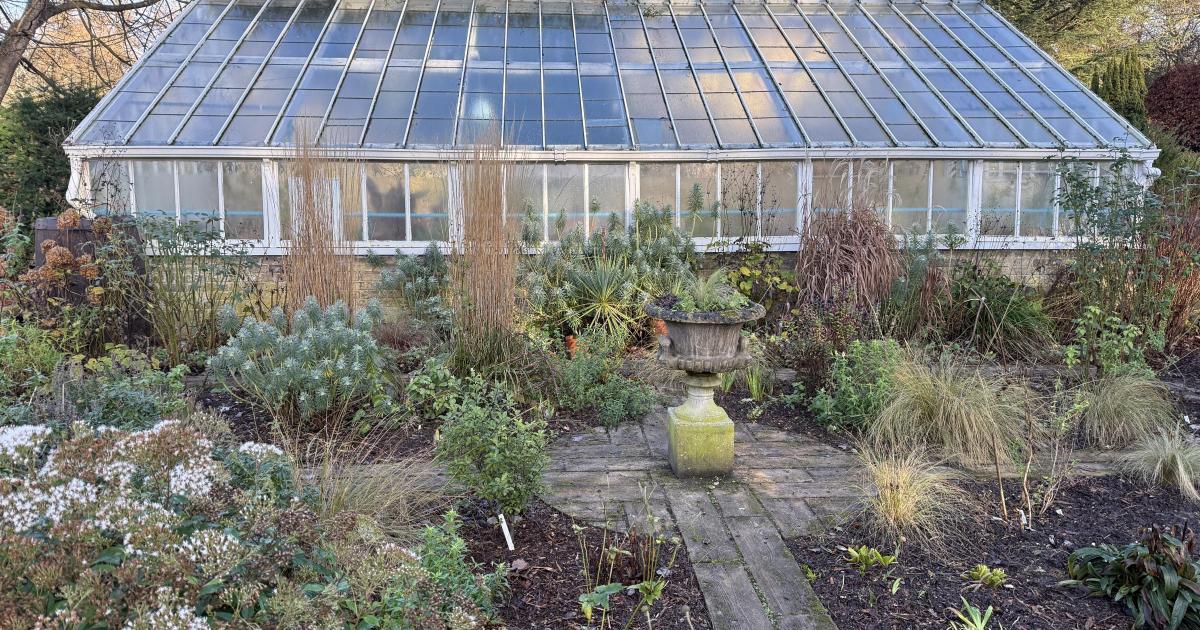
The festive season is not yet over, and after a week or so of indulgence you may be feeling the need to get outside a little more.
The final six days of Christmas are a perfect excuse to stretch the legs, clear the head and give the garden some gentle attention.
The Seventh Day of Christmas: Clean and sharpen tools
Wet winter days are ideal for tool care. Clean soil and rust from spades, forks and hoes, sharpen secateurs and loppers, and oil wooden handles to stop them drying out and cracking.
Well-maintained tools not only make spring jobs easier, they also help prevent the spread of disease between plants.
The Eighth Day of Christmas: Check stored crops
Stored apples, potatoes, onions and squash should be checked regularly throughout winter. Remove anything showing signs of rot before it spreads to neighbouring produce.
Good airflow, cool temperatures and darkness are essential for storage, and even a quick weekly inspection can save a great deal of disappointment later on.
The Ninth Day of Christmas: Plan the year ahead
Seed catalogues have started to arrive and make the perfect reading on a damp winter afternoon.
Take time to think about crop rotation, colour combinations and the gaps that appeared in borders or veg beds last year.
Thoughtful planning now helps prevent impulse purchases when spring enthusiasm takes over.
Our favourite seed suppliers include Chiltern Seeds, for interesting vegetables as well as annuals and perennials.
The Tenth Day of Christmas: Take hardwood cuttings
Now is an excellent time to take hardwood cuttings from roses, currants, dogwoods and willows. Choose healthy, pencil-thick shoots and cut them into 30cm lengths.
Push them deep into free-draining soil in a sheltered spot and leave them to root quietly over winter.
It’s slow gardening but deeply satisfying — and one of the cheapest ways to make new plants.
The Eleventh Day of Christmas: Care for indoor plants
Houseplants often struggle at this time of year due to low light and dry air.
Move them away from radiators and draughts, wipe dust from leaves so they can photosynthesise properly, and water sparingly.
The Twelfth Day of Christmas: Prepare for early sowing
Clean seed trays, wash pots and scrub last year’s labels so everything is ready when sowing begins.
If you have a greenhouse or a bright windowsill, early sowings are not far away. Being organised now makes those January jobs feel less like work.
Courses in the coming weeks are filling up but there are some great ones which still have spaces. Let us know if you’d like to join one of these:
Introduction to Garden Design, 8 week course starting January 8
Certificate in Practical Horticulture, 10 week course starting January 9
Advanced Practical Gardening January 14.
Chainsaw Use & Cross Cutting – February 25.
Plant of the Week
Another seasonal plant which many of us will have used in wreaths or table decorations this Christmas: Ivy or Hedera helix which is a native woody evergreen climber.
It will tolerate extremes of sun and cold, almost complete shade and, once established, very little moisture. Ivy provides important winter cover for insects, birds and bats, and flowers very late in the year so is one of the prime sources of nectar for autumnal insects.
The flowers are followed by black berries which are, gram for gram, more calorific than chocolate.
You can see why it is such an important food source for birds at this time of year.
Contact us via www.norfolkschoolofgardening.co.uk or follow us on Instagram or Facebook.
Comments are closed.