
Scientists and the Met Office are asking people to take part in a crucial check this weekend
13:05, 02 Jan 2026Updated 13:17, 02 Jan 2026
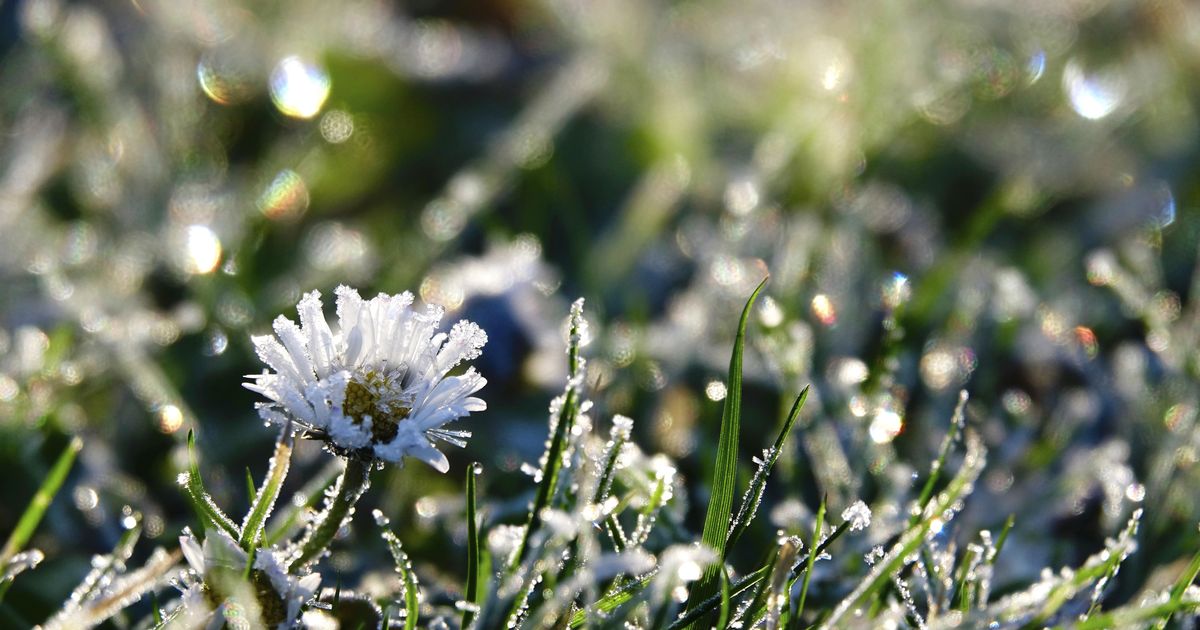
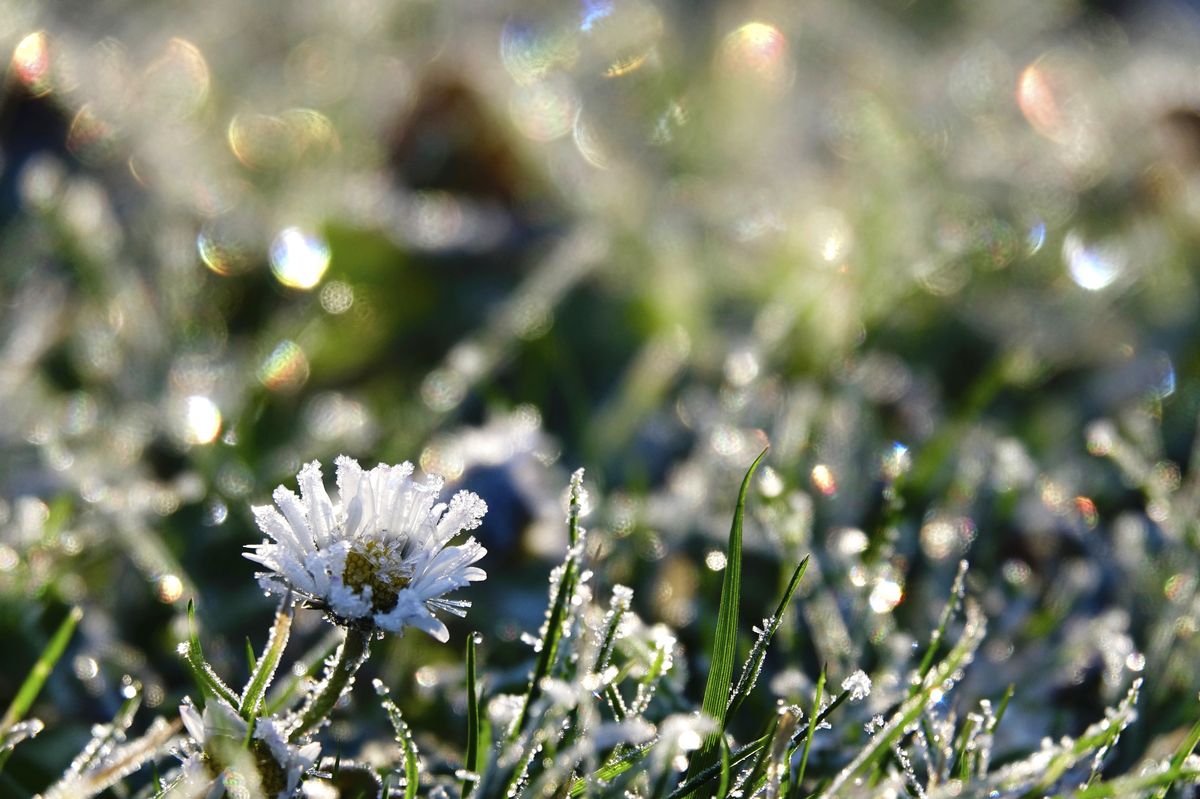 Plants like daisys flowering at this time of year are a worrying sign of climate change – but scientists need more data(Image: Getty)
Gardeners across the country are being urged to take action within the next 48 hours to help identify ‘worrying’ signs of climate change. The New Year Plant Hunt, organised by the Botanical Society of Britain and Ireland (BSBI), is a citizen science project that records flowering plants around New Year’s Day.
The initiative, now in its tenth year, provides a valuable snapshot of how British flora is responding to shifting weather patterns and climate change. Hundreds of native plant species, including daisies and dandelions, are currently flowering across the UK – something scientists describe as a “visible signal” of climate breakdown affecting the natural world. The deadline to participate is January 4, with registration available here.
Met Office analysis of data collected over the past nine years has revealed an additional 2.5 species flowering during the new year period for every 1C temperature increase at a particular location during November and December. This year’s hunt began on Thursday and concludes on Sunday.
The 2025 survey has documented 310 native plant species in flower – significantly higher than the 10 species typically expected to bloom at this time of year. Common wildflowers such as daisies, dandelions, and groundsel continue to feature on the list of flowering plants.
When non-native species are included, the total reaches 646 species, including familiar varieties such as Mexican Fleabane as well as White and Red Dead-nettles. Kevin Walker, Head of Science at BSBI, said: “This new analysis shows a very clear link between rising temperatures and impacts on our plant species. This is yet further evidence that climate change is affecting our wildlife indiscriminately. This is a visible signal that everyone can see in their own gardens and communities.”
Dr Debbie Hemming, a prominent climate scientist studying the impacts of climate change on the natural world, commented: “These findings underscore how rising temperatures and increasing climate extreme events are shifting the natural cycles of our plants and wildlife, providing tangible evidence that climate change is directly influencing the world around us.”
Grace Richardson, an early-career scientist at the Met Office who has been working on the project, remarked: “The project is already showing how effectively climate data and detailed plant records can be brought together to explain shifts in our environment. Being at the beginning of my career, it’s a privilege to contribute to this valuable work.”
The Botanical Society of Britain and Ireland (BSBI) organises the annual New Year Plant Hunt, a citizen science initiative that encourages volunteers to record flowering plants from January 1 to 4 in order to monitor the effects of climate change. Recent studies indicate that milder winters result in a greater number of species blooming, with data suggesting that a 1°C temperature increase leads to approximately 2.5 more species flowering.
This includes ‘Autumn Stragglers’ and perennial bloomers such as Daisies and Dandelions. The project collects crucial data on how warmer winters modify plant phenology, impacting pollinators, and sees thousands of participants across Britain and Ireland.
For further details on the New Year Plant Hunt, click here.
Comments are closed.