
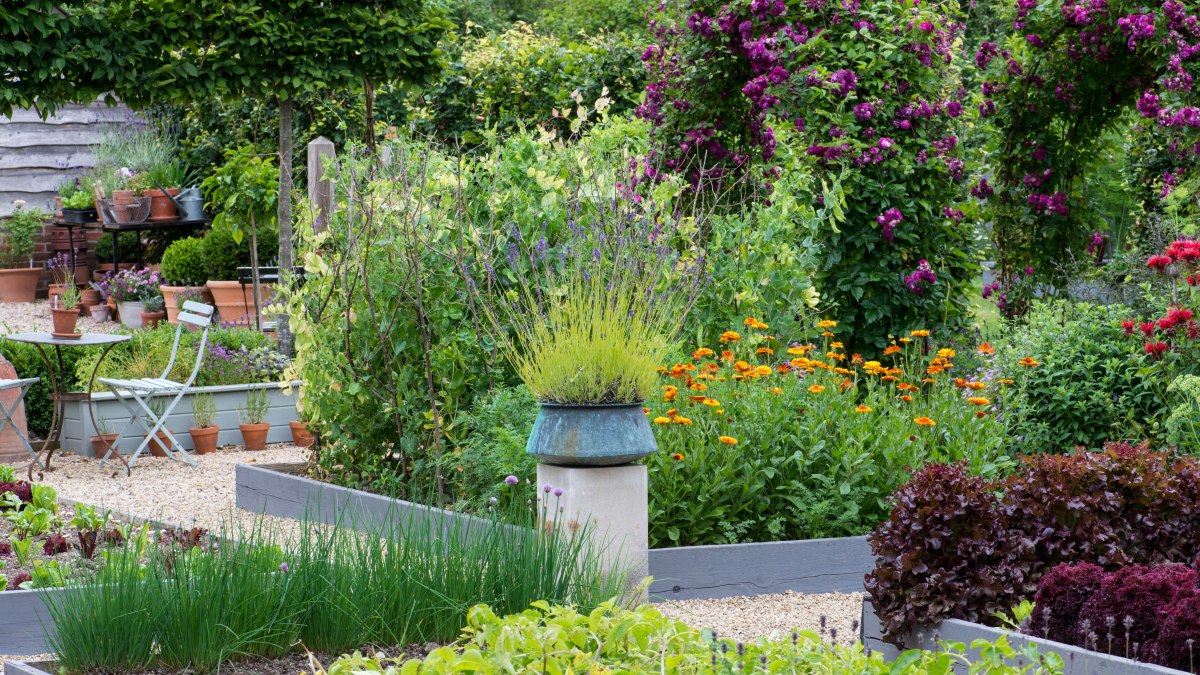
Guess what I’m looking forward to most this year? I’m soon to receive the perfect gift for a gardener. Perhaps “gift” is the wrong term as I’ve done some old-school bartering locally, giving gardening and design advice in return for three lovely big, galvanised water troughs.
They’re the kind usually spotted full of water, in a field, for livestock to drink from, but I’ll be turning them into planters, placing them in the new veg garden area to grow a range of produce in. They are perfect — 3m long by 1.25m wide (about 4ft across, which is the ideal width of veg bed so you can reach the middle) and about 50cm tall. From a design perspective, I guess I’m using the vernacular, so they’ll sit comfortably within the rural setting.
Of course, you can buy planters and containers or make raised beds in situ. Or, as I am doing, adapt something and turn it into a planter.
There are many benefits to growing in raised beds or large containers. They drain well so are ideal if your soil is heavy or gets waterlogged. They can be built directly on top of poor soil areas (heavy clay or unfertile) as well as directly on any hard surfaces in the garden or allotment.
Soil compaction isn’t an issue as the planting area is never stepped on, which means the plants’ roots get plenty of air, encouraging fast growth. The soil also warms up quickly in spring, so plants can be sown and cropped earlier or will flower earlier. Raised beds and big containers are, of course, less physically demanding on the gardener as they’re higher and at an accessible height, meaning less bending over. They raise the planting so visually can make more of an impact, especially in a small garden.
A big advantage is that you can choose what type of soil you want in them. If your garden soil is particularly acidic or alkaline, you can have a contrasting soil or neutral soil to increase your plant range. Raised beds can easily be covered with a cloche to increase the growing season at both ends (sowing earlier and harvesting later). Need I go on?
The downsides are that they do require regular watering, plants need fertilising and compost must be replaced/revitalised depending on what you’re growing.
How to start
Lining raised beds
If you’re adapting something metal (say a large olive oil tin or galvanised trough, like me) a metal finish can heat the compost and roots of plants, so to keep them cool it’s best to line them with polystyrene sheets. I’m going for 10mm sheets.
If you’re building raised beds with timber, such as railway sleepers, it’s best to line the inside with some plastic to stop the compost coming directly into contact with the wood, making it rot. It can get a little fiddly (hospital corners are good). Depending on the shape and size, you may be able to recycle some plastic compost bags or buy a roll of heavy-duty plastic of damp-proof membrane and pin it (or use a staple gun) to the inside of the wood. Don’t forget drainage, so if you’re lining the bottom, make sure to cut slits to ensure it drains well. I don’t usually line the bottoms unless you’re making them on soil with a major weed problem (mares’ tail, bindweed etc). I would then use some landscape fabric on the bottom of the raised bed, covering all the soil to create a barrier between the new soil and the ground. Water can get through the fabric, but the weeds will be suppressed.
Drainage is key
Waterlogging will kill most plants. Drill some holes into anything you are turning into a planter so water can drain away. I use galvanised paint to seal around the holes to reduce rusting. If placing containers on a hard surface, raise them on pot feet (or something similar, such as bricks) and place a drainage layer (such as gravel) at the bottom of the container. Pot feet are also good for winter to stop pots from freezing to the ground. If you build raised beds on soil, there’s no need for drainage, but if you’re building directly on a hard surface, it’s best to incorporate “weep holes” in the walls.
• Read more expert advice about gardening
Choose compost carefully
The soil and compost mix you choose to back fill with will depend on what you want to grow, but for most hardy plants I’d go for a mix of loamy soil and add in plenty of compost or well-rotted manure. Just using a multipurpose compost alone is too free draining for most, but good for many container-grown vegetables and salads.
Maintenance (refreshing or replacing soil and compost)
Root systems fill pots and, over time, deplete the soil of nutrients. They also become compacted (so there’s a lack of air to the roots) and reduce the capacity for the soil to hold water. This isn’t a one-size-fits-all solution, but as a rule look to replace compost in pots and containers every year or two for shrub or perennial plants (every year if growing annuals or annual veg), and in the years you don’t replace, top dress or mulch. With raised beds and large containers, it simply isn’t practical to replace the soil so look to replace the top 50-75mm (2-3in). If you’re growing veg or emptying out ornamental roots, this will likely make enough room for a top-up — or lose some in the garden to make room (fine for putting onto/losing in the beds). Top up with compost/well-rotted manure/ leaf mould depending on what you’re growing.
• Bleak borders? What to put in your pots now
Planting — the exciting part
There’s a whole world of planting in containers out there. Just about anything can be grown in a pot/container/raised bed if you give it everything it needs in life (water and food). I buy some large trees in very large containers sometimes, but to keep them in containers long-term is a different proposition. Many edibles (including herbs) do well in containers as do tender plants. Large containers with plant groupings not only look more impactful but they are far easier to maintain than lots of smaller pots (mainly requiring less watering).
A rather random list of plants but here are some that do particularly well in pots, containers and raised beds.
Salvias
What a year for salvias. They love the drainage of containers, and you can place pots in full sun. Use a peat-free multipurpose compost mixed with horticultural grit or sharp sand.
Blueberries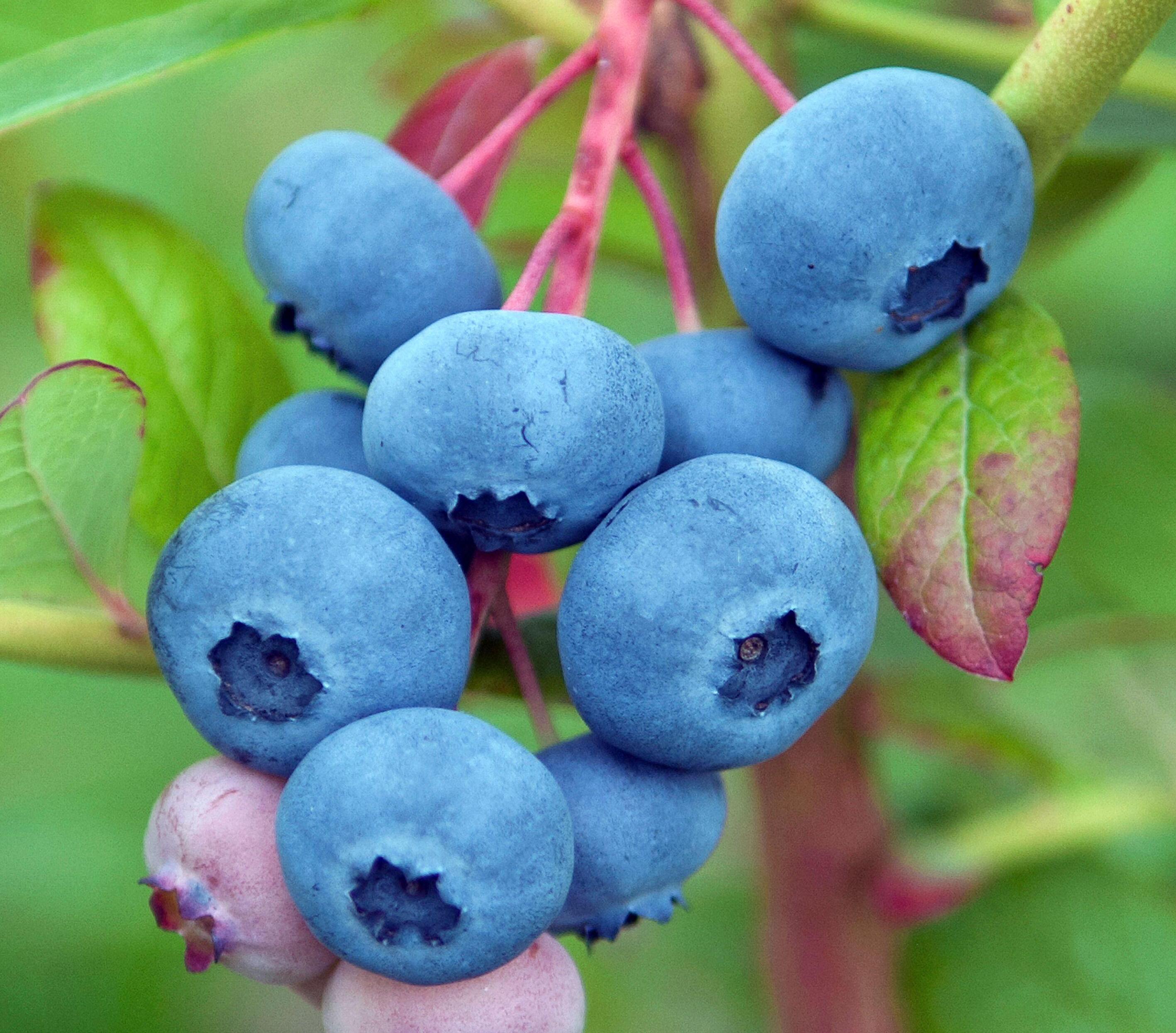
Delicious and fab autumn colour. Grow them in pots using a peat-free ericaceous compost with some added leaf mould. Place a tray beneath to catch excess water. Water regularly using rainwater if possible.
• My six top tips for buying plants online
Lavender and rosemary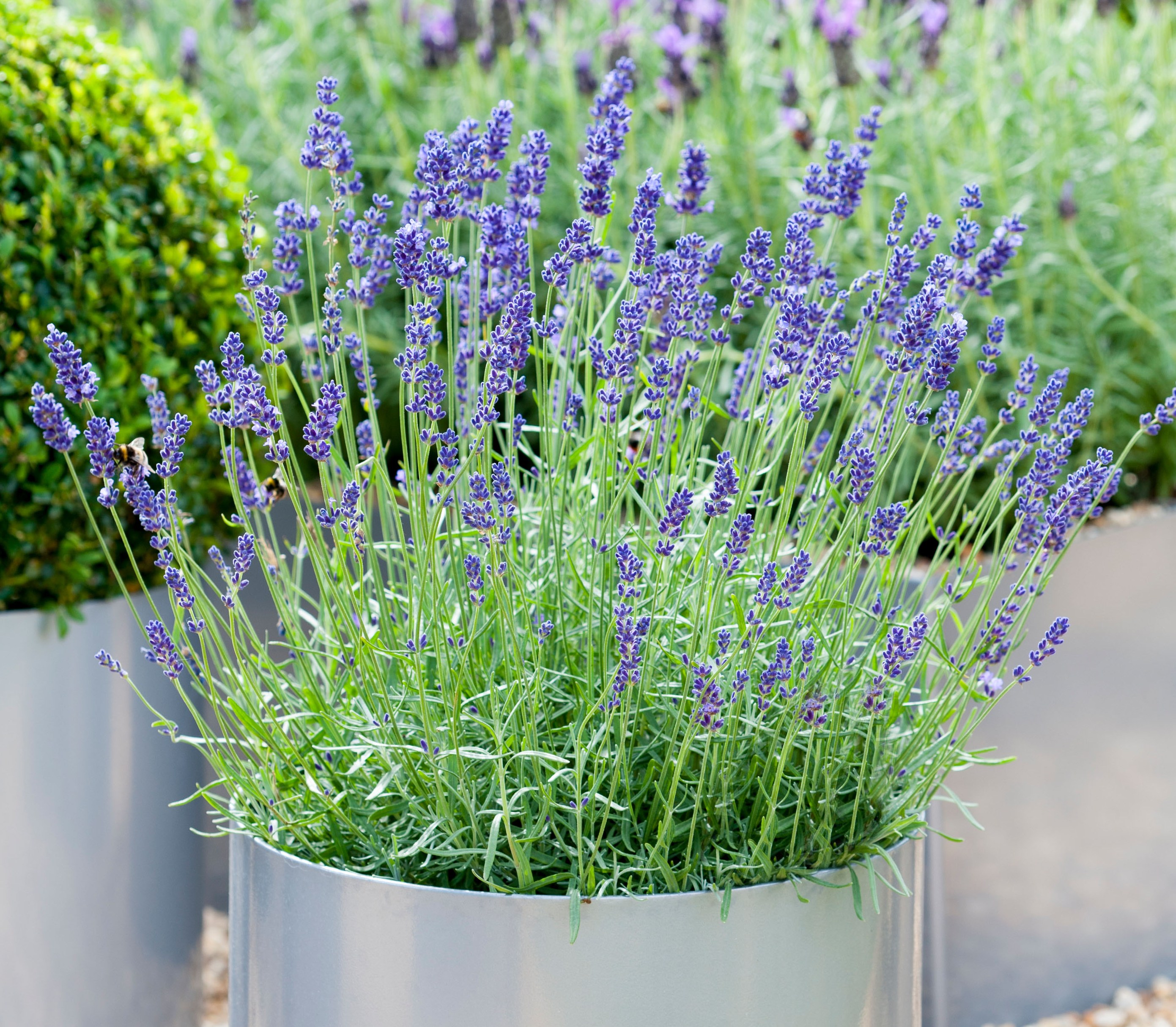
If you’re on heavy soil, then raised beds and containers are ideal for Mediterranean plants like these. Use a peat-free John Innes No2 or No3 and add in about 25 per cent grit.
Figs
Figs do well in containers as they like having their roots restricted. Choose a large pot or half barrel. Use a John Innes No3 and add in some perlite or composted bark.
Dwarf rhododendrons and azaleas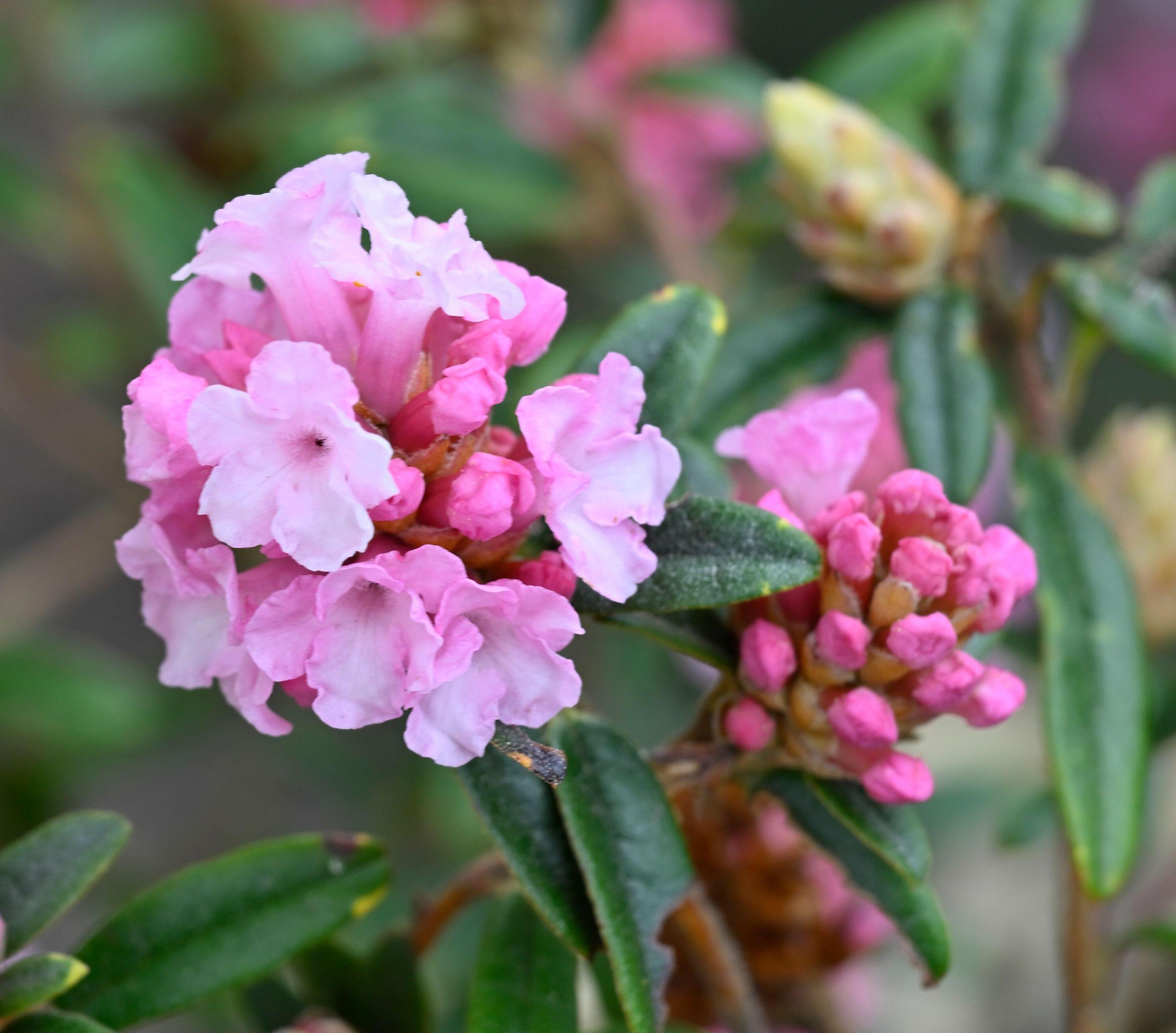
If you don’t have an acidic soil for these then grow them in containers. Use peat-free ericaceous or mix some compost with composted pine bark, leaf mould and/or composted bracken.
Herbs
Most do well with good drainage. Sow tender herbs in spring. Being grown in a raised bed makes covering with a cloche easier to help protect them.
Annuals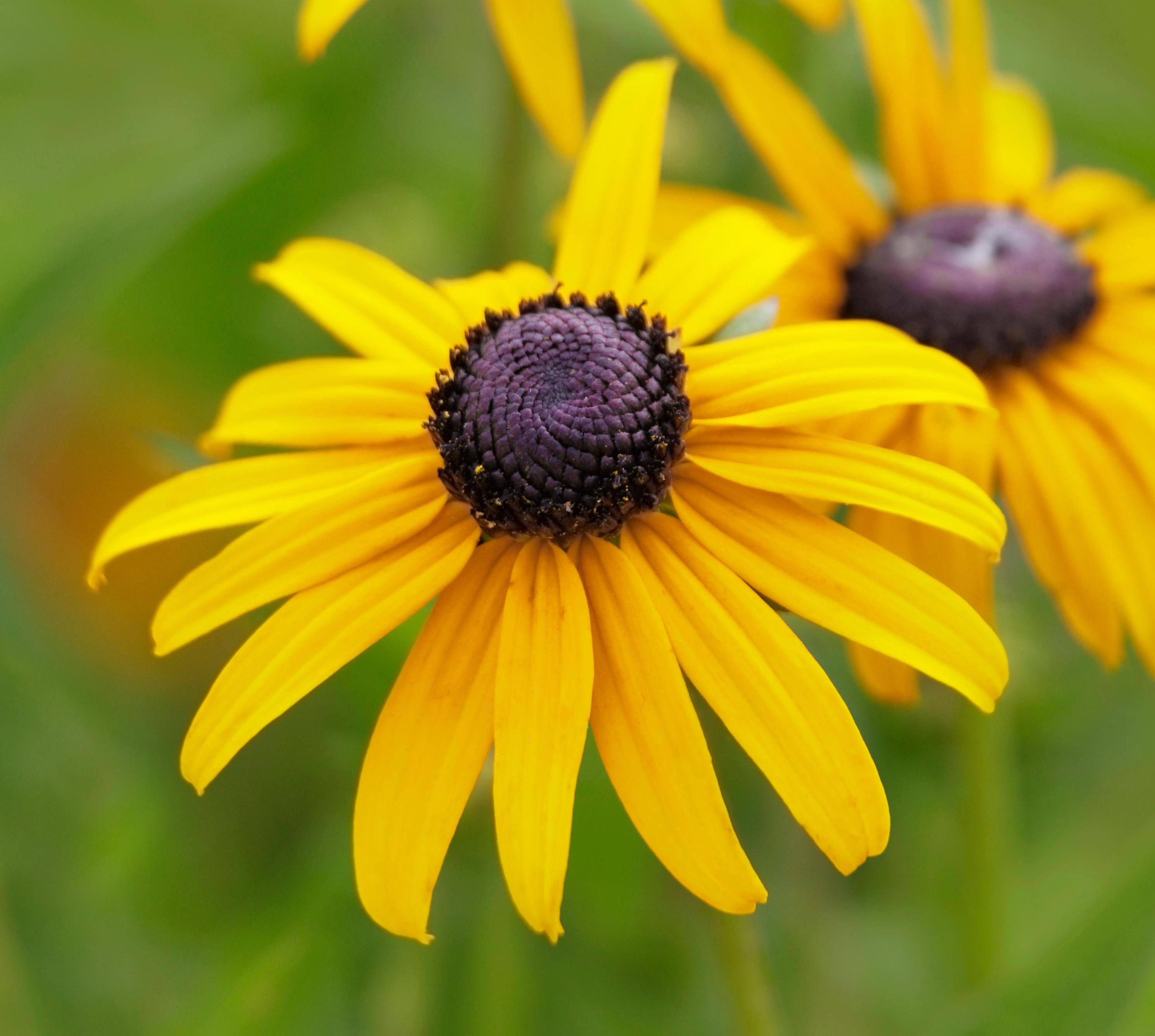
Why not start a cutting garden next year? Many colourful annuals like zinnias, cosmos and black-eyed Susan thrive in raised beds.
Exotics
Dry-loving exotics like the wonderfully architectural Dasylirion Longissimum (Mexican grass tree) are far more likely to make it through the winter compared with sitting in wet earth at ground level.
Agapanthus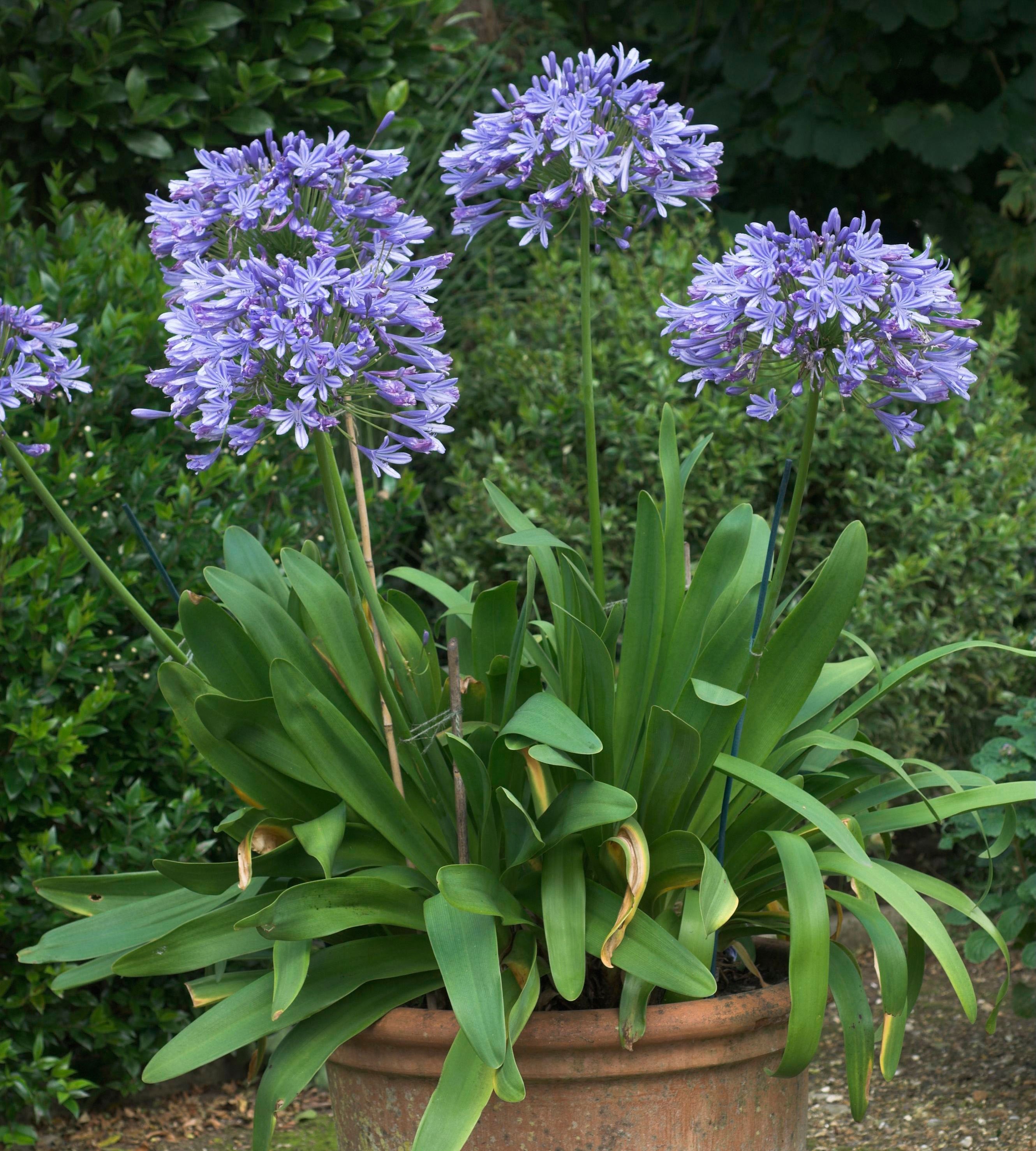
Young agapanthus plants do particularly well when their roots are restricted in a pot or raised bed. Use a John Innes No3 compost with grit or sharp sand mixed in.
Vegetables
Most can be grown in containers and raised beds, given enough water and nutrients. Carrots do particularly well as raising them up helps to avoid carrot fly.
Comments are closed.