
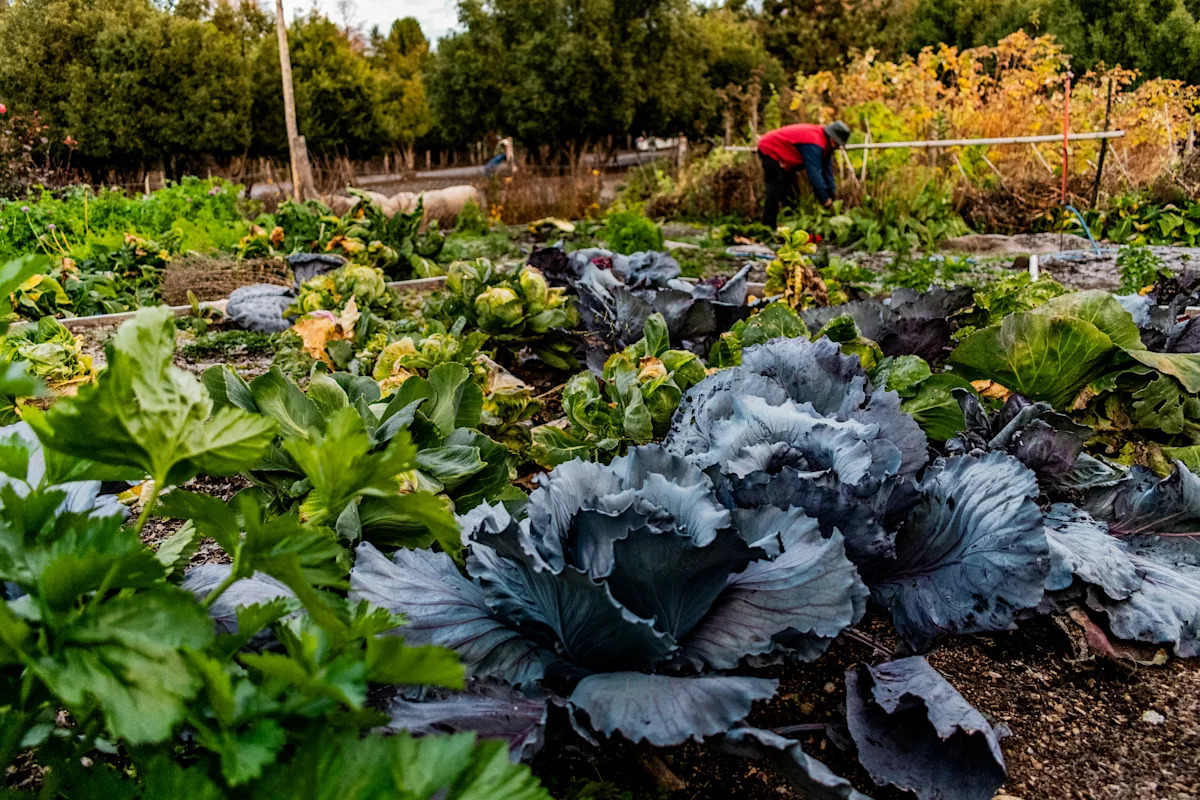
As we enter 2026, gardeners are paying closer attention to practices that solve real problems—poor soil, unpredictable weather, limited time, and the desire to grow in ways that feel more responsible. Gardeners aren’t just thinking about what looks good; they’re thinking about what lasts, what supports the environment, and what makes gardening easier over time.
What’s driving interest in these trends isn’t novelty but practicality. Gardeners are moving toward methods that reduce work, support long-term soil health, and create spaces that benefit more than just the plants we see. Sustainability has become less of a talking point and more of a baseline, shaping how people design gardens, choose plants, and care for the land they already have.
Based on insights from horticultural experts, including forecasts from the Pennsylvania Horticultural Society, these are the gardening trends shaping landscapes in 2026.
No-Till Gardening Becomes the Norm
No-till gardening helps to improve soil health while reducing physical labor. Instead of digging and turning the soil each season, gardeners add compost and organic matter on top and let soil organisms do the work naturally.
This approach leads to better moisture retention, fewer weeds, and stronger plant roots. It also reduces erosion and protects beneficial microbes already living in the soil.
Composting as a Standard Garden Practice
Composting is no longer seen as optional. More gardeners are incorporating composting systems into their routine, including hot composting for faster breakdown and worm bins for indoor or small-space use.
By composting kitchen scraps and yard waste, gardeners reduce landfill use and create nutrient-rich soil without relying on synthetic fertilizers.
Gardens Designed to Support Wildlife
Gardens in 2026 are being designed with ecology in mind. Native plants that support pollinators, birds, and beneficial insects are becoming central features rather than add-ons.
Simple changes like reducing lawn space, adding flowering natives, or leaving some fallen leaves help create functioning ecosystems in home landscapes.
Rewilding with Structure and Intention
Rewilding is gaining traction, but with careful planning. Gardeners are allowing certain areas to grow more naturally while actively managing invasive species and supporting native plants.
This approach balances structure with flexibility, creating spaces that are lower maintenance and more resilient over time.
Gravel Gardens and Water-Wise Design
Water conservation is a key concern in 2026. Gravel gardens help. These gardens combine drought-tolerant plants with mineral ground covers to reduce water use while maintaining visual interest.
They work well in areas with inconsistent rainfall and are being adopted in both private and public landscapes.
Growing Cut Flowers
Interest in homegrown cut flowers continues to rise. Gardeners are choosing flowers like dahlias, zinnias, and other annuals to enjoy fresh, seasonal blooms without relying on imported flowers.
This trend supports local growing, reduces transportation impacts, and allows gardeners to better align with seasonal cycles.
Maximalist Planting Makes a Return
After years of minimal garden design, fuller, more layered gardens are making a comeback. Maximalist planting focuses on dense growth, varied textures, and bold color combinations.
Rather than aiming for symmetry or restraint, these gardens prioritize abundance and personal expression.
Houseplants Continue to Expand Their Role
Houseplants remain popular, especially for people with limited outdoor space. New cultivars, creative display techniques, and more sustainable plant supports are shaping indoor gardening.
Plants like monstera, pothos, philodendron, and snake plants remain staples due to their adaptability and low maintenance needs.
Increased Interest in Home Fruit Growing
More gardeners are growing fruit at home, particularly varieties that are well-suited to local climates. This includes native and regionally adapted fruit trees and shrubs.
Technology Enters the Garden Thoughtfully
AI-powered tools for garden design and plant identification are becoming more common. These tools can help with planning and learning, but gardeners are being encouraged to verify information and avoid unrealistic or misleading content.
Technology is being used as support, not a replacement for hands-on experience.
Gardening with Ecology in Mind
Across nearly all 2026 trends, the underlying focus is ecological support. Gardeners are planting more natives, creating habitats for insects, and making design choices that benefit the wider environment.
These practices improve garden resilience while reducing long-term maintenance.
Comments are closed.