
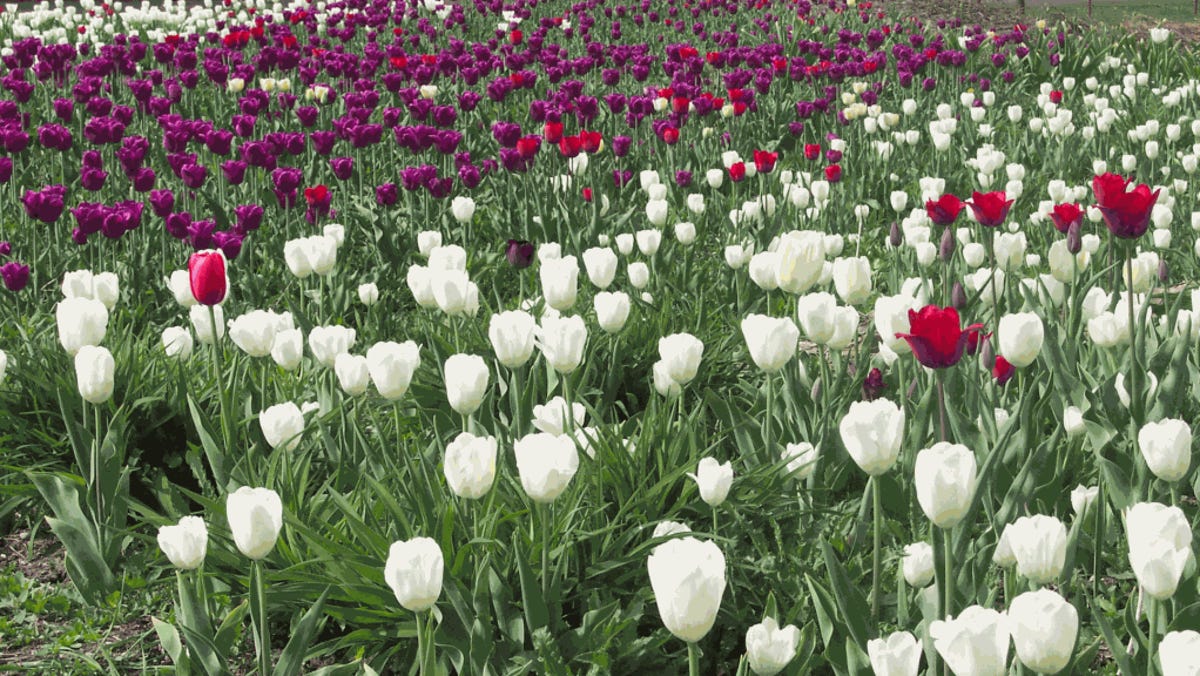
Judging by the conversations I’ve had with gardeners through the years, it seems a fair amount of spring flowering bulbs such as tulips, daffodils, hyacinths, crocuses and others go unplanted every fall. Even landscapers and other professionals sometimes run out of planting time, usually because of the weather.
These types of bulbs require a cold period in order to flower, usually 10 to 14 weeks. So, delaying bulb planting until spring will not provide enough cold time.
Don’t expect the bulbs to store until next fall. Even with specialized refrigeration, storage is a challenge. Since the bulbs are alive, they still respirate in order to stay alive. This depletes the food reserves inside the bulb, making them prone to spoilage.
The good news is that you can still plant bulbs as long as the soil is not frozen. So far this year we have experienced a few warm spells (intermixed with cold spells!) which have left the soil relatively unfrozen in some spots, making it easier to get unplanted bulbs into the garden, especially in sunny locations.
Late-planted bulbs are planted the same way as those planted on time. The longtime rule of thumb is to plant them at a depth three times the size of the bulbs. One way to figure that out is to take three bulbs, line them up all pointing in the same direction with the top of each bulb touching the base of the bulb next to it. Measure the lined-up bulbs. That’s how deep you need to make your planting hole for that type of bulb. Tulips will be different from daffodils or crocuses for example.
Shaded areas receive much less solar radiation than sunny areas and may be frozen. South-facing, sunny slopes are more likely to remain unfrozen longer. Also, windswept sites will be much colder than protected areas such as near a wall or fence. That means you may need to adjust your plans where the bulbs are to be planted. Consider planting against the foundation of a heated building to take advantage of heat radiating into the soil.
After planting, cover the bulbs with a deep layer, 4 inches or so, of loose mulch, such as straw, chopped leaves, pine needles or commercially bagged material. That will help to retain ground heat for a while allowing the bulbs to grow roots essential for flowering. The better the roots, the better the flowers will be.
Alternatively, you can grow bulbs in pots. Put a few inches of potting mix in the bottom of a pot and arrange the bulbs right side up and cover with additional potting mix. Lightly water them. Move the pots to a cold but not freezing spot. Some people use an old fridge. Check the pots from time to time. Never let them dry out, the bulbs need water to grow roots. In the spring move the pots outdoors and sink them into the garden soil where you would like to see them bloom.
Comments are closed.