
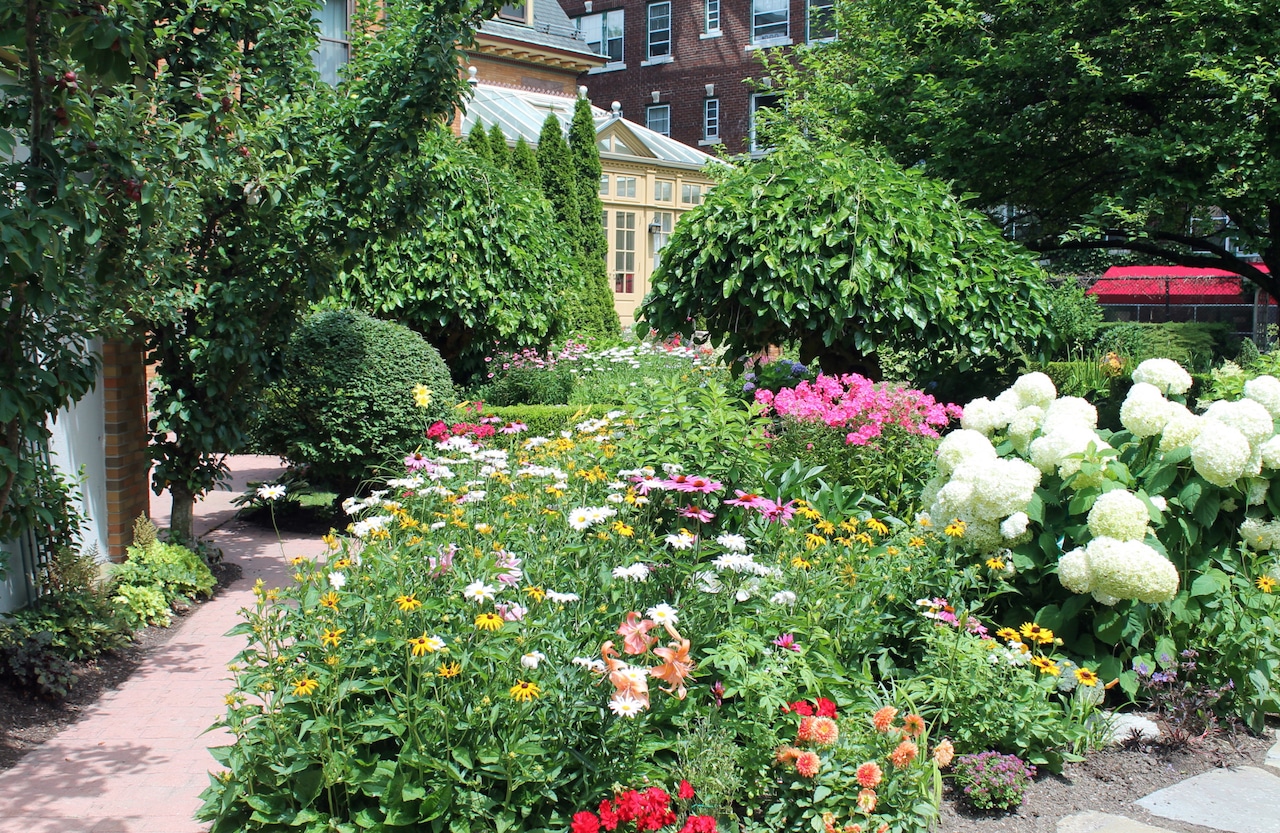
Native and organized. Is it possible for both of those sometimes-opposing landscaping forces to come together?
That seems to be an aim for many yardeners as 2026 unfolds.
Gardening trend-watchers say there’s no sign that the years-long mounting growth in native plants and pollinator gardens is slowing.
Jennifer Miller, the nursery co-manager at Ashcombe Farm and Greenhouses in Monroe Twp., says gardeners are still very much interested in wanting to help the environment, use fewer chemicals, and lower maintenance and water consumption.
Adams County landscape designer Erica Jo Shaffer says that she sees gardeners becoming more comfortable, too, with “messy” gardens that let nature be nature.
“The awareness of protective habitat for our lightning bugs, wooly bears, native bees, etc. seems to be rooting in,” she says, pointing to how more gardeners are letting their frost-killed gardens stand over winter instead of the traditional fall clear-out. “I love that gardeners are seeing how important their gardens are year round.”
And Deb Wiles, the director of horticultural operations at Hershey Gardens, adds that gardeners seem to be getting the message that “leave the leaves” is a good idea (rather than raking/tossing them) because of their mulch-making and insect-helping benefits.
Andrew Bunting, the Pennsylvania Horticultural Society’s vice president of horticulture, says that although nature-interest and “rewilding” might be the goal, gardeners are realizing that “this is not simply a matter of letting the landscape go wild. It requires some level of intention. It’s important for a rewilding project to allow native species to come back while deterring invasive exotics.”
At the same time, gardeners seem to be softening the nothing-but-natives call and discovering that a.) some native plants work better in a home landscape than others, and b.) non-natives aren’t all inherently invasive or worthless.
The result is this year’s new twist that Monrovia Nursery’s chief marketing officer and trend-spotter Katie Tamony calls “wild meets refined.”
“The interest in natives continues, but I think a lot of people are realizing they can have a few natives blended in with some climate-appropriate cultivars for a garden that’s easier to care for, longer flowering, and that attracts a variety of pollinators,” Tamony said in a webinar on 2026 trends.
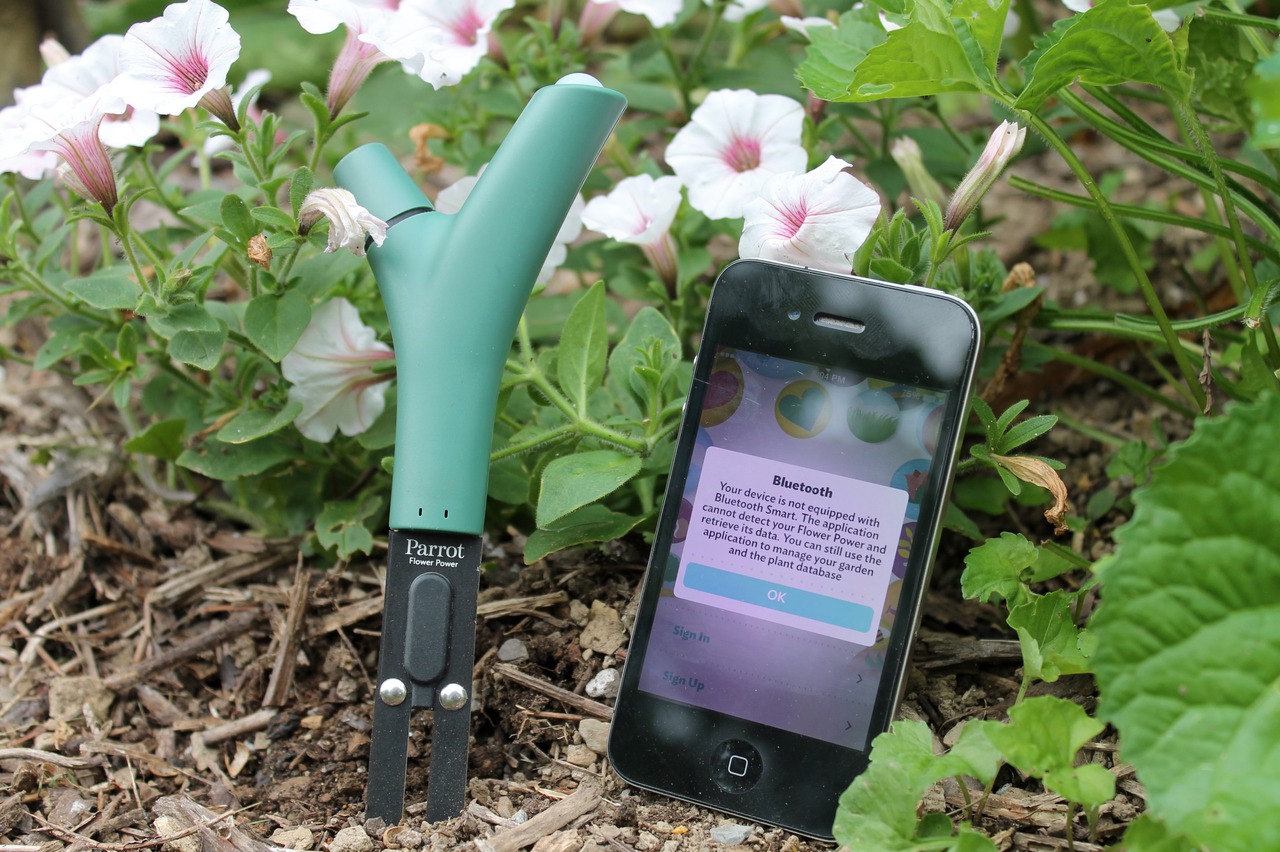 Gardeners are using soil monitors, smart-phone apps, and other technology aids to help them garden with more data in hand.George Weigel
Another key 2026 trend is a move toward smarter gardening.
Diane Blazek, executive director of the National Gardening Bureau, calls it “awareness gardening” in which gardeners are becoming more aware of their climate, their soil, their own abilities and time, and similar homework factors instead of just winging it.
“Maybe it’s another way of saying gardeners are just becoming more educated and experienced,” Blazek says, “but we see more newer gardeners researching these specifics, then more purposefully selecting plants and designing their gardens with those things in mind.”
Katie Dubow, president of the Chester County-based Garden Media Group, sees the same trend, except she calls it “precision gardening.”
“It uses site-specific, data-informed strategies to grow healthier, more resilient landscapes,” Dubow says in the company’s 2026 Garden Trends Report. “It is not about guessing. It is about gardening with intention.”
To achieve that, she says, gardeners are increasingly turning to technology such as soil sensors, localized weather tracking, and plant-monitoring apps — tools that offer the same kind of hyper-personalized information that’s been transforming healthcare.
Dubow says new gardeners in particular are looking for a “future-proof garden, science-backed plant choices, and low-fuss, high-reward gardening experiences.”
Some other gardening trends taking shape for 2026:
 Gardeners are doing more with their patios than just setting out a flower pot or two.George Weigel‘Patio culture’
Tamony says Monrovia’s latest research shows that creating a place to relax and unwind is a primary motivation for many gardeners.
“We all need a spot to escape from the noise of the world, even if it’s just for a few moments,” she says. “More than ever, homeowners are finding that escape in outdoor living areas. Patios are now an extension of the living room, designed and decorated with plants to create an elegant oasis.”
Tamony says people are moving beyond just adding a few pots of annual flowers.
They’re creating whole container gardens, she says, as well as landscaping around the patio to nestle themselves in a living, calming setting.
“Plants are the new comfy couch or cozy, weighted blanket,” says Tamony, a former editor-in-chief of Sunset Magazine. “They soften the hardscape areas, create structure, and add movement and fragrance. The result is an elevated living area where you can breathe.”
 This windowbox of dead plants could be seen as a failure, or in “lemonading,” a “learning opportunity” or chance to start over.George Weigel‘Lemonading’
This trend also involves the underlying mindset of gardening.
Dubow says that “lemonading” in the garden is about resilience and finding “sweetness in unexpected challenges. It means playing with something new, even if it flops. It means turning your space into a joyful, living experiment, laughing when something dies – and replanting anyway.”
That ties into the broader mindset of consumers these days, one that Dubow says values “joyspan over lifespan, ‘minorstones’ instead of milestones, and small but meaningful personal wins. … Today’s consumers are less focused on status and more on intentional living. So when we talk about trends this year, we’re not just talking about products. We’re talking about values, about how people want to live, and how gardening is helping them get there.”
Gardening, with its built-in failures and unpredictability, is a perfect lesson for that big picture, Dubow says.
“Lemonading doesn’t pretend everything is OK,” she says. “It’s about being optimistic but also being realistic.”
 Some trend-watchers believe edibles are poised to increase in popularity in 2026 — especially less common edibles such as figs.George WeigelA veggie rebound
“A few years ago, during the COVID era, we witnessed the rebirth of the victory garden,” says Chuck Pavlich, director of new product development for Oregon’s Terra Nova Nurseries. “First it was out of concern for food safety and then it was for the sheer joy of growing your own. I think in this coming year, food security plus rising prices — driven by inflation and tariffs — will lay the groundwork for even more vegetable gardens being planted.”
Pavlich says some “wannabe” food gardeners dropped out post-COVID, “but those who endured the highs and lows of veggie gardening are going to be back and ready to grow.”
Tamony adds that edible landscaping is also on the upswing in 2026.
“But not just any edible,” she says. “More gardeners who are a little bit older — over 45 — want to try what you might think of as exotic edibles.”
These include plants such as hardy kiwis, passion fruits, figs, and dwarf peach trees grown in containers.
 Increases in erratic weather and “spot droughts” has gardeners paying more attention to plants that have drought resistance.George WeigelDrought-resistant gardening
If this isn’t a trend, it should be, says Erin Kinley, Penn State Extension’s statewide Master Gardener coordinator.
“South-central and southeastern Pennsylvania have been in and out of abnormally dry and moderate drought classifications throughout the past year, especially during critical times of the growing season,” she says. “For many years now, we have also been seeing larger, heavier rainfalls with longer dry periods in between.”
As these conditions become the norm, Kinley suspects more and more gardeners will turn to anti-drought practices such as mulching and deep-rooted native plants.
Tamony adds that heat resilience also is factoring into more plant decisions lately, i.e. choices that can withstand tomorrow’s norms, not the temperatures we’ve had in the past.
Solving shade and small spaces
Growing demand for plants that fit into shady spots and small spaces is driving much of the current plant-breeding work, according to Becky Lacy, the product manager for Ball FloraPlant.
She says increased apartment-dwelling is behind both.
“More people are choosing apartment living because home prices have become too expensive,” says Lacy. “But since many apartments have windows on only one side of the building, their patios and balconies often end up being quite shady.”
Lacy’s colleague, product manager Jaden Gimondo, adds that this shrinking living space means many gardeners also want “small plants that stay small” as well as more plants suited to growing in containers.
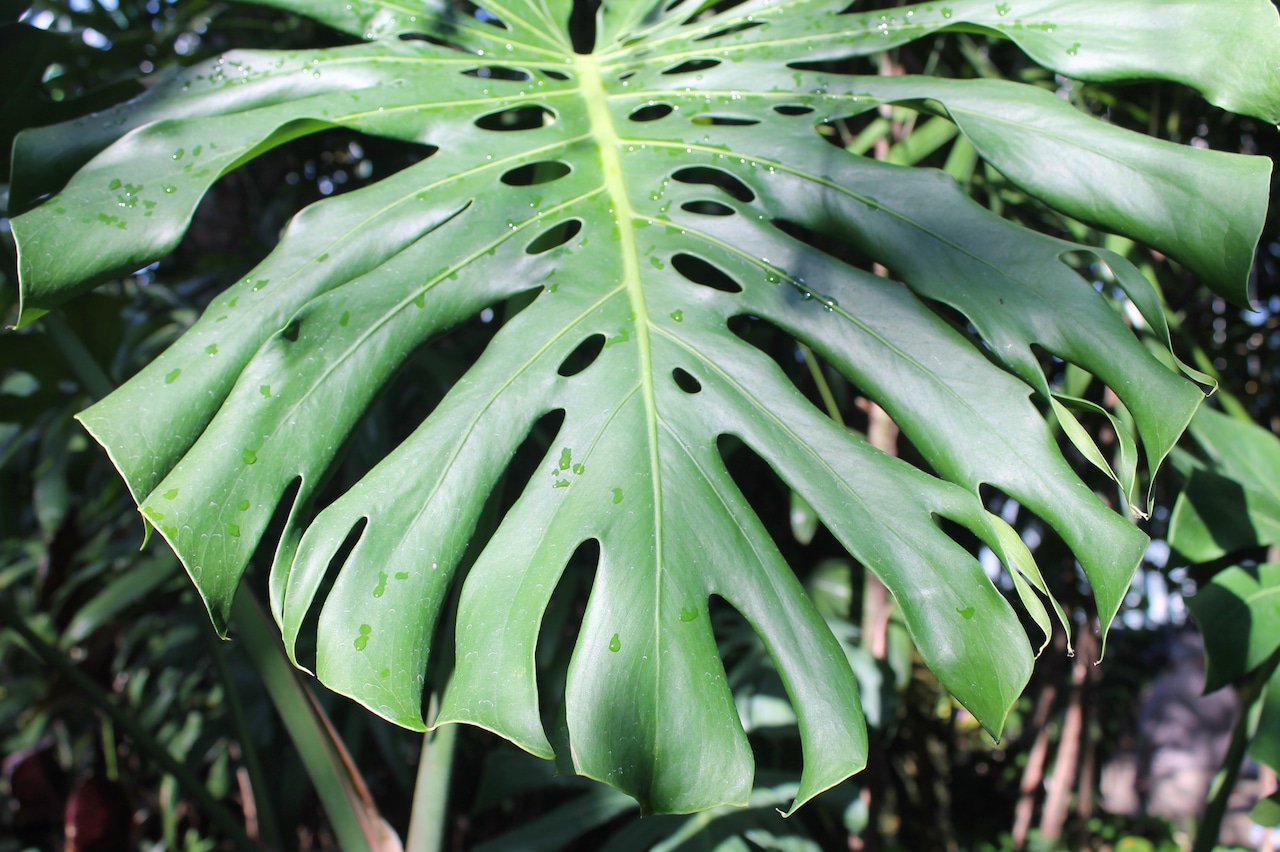 Some “plant parents” have as many as 50 different varieties of monstera, a houseplant noted for its slitted and cut leaves.George WeigelPlant collecting
Collecting in general is making a comeback, and that’s spilled over into the plant world, especially with the Gen Z and Millennial generations, says Dubow.
“Collecting plants is the new Pokémon,” she says. “Rare cultivars, new foliage colors, and variegations are being chased. Plant collecting taps the same emotions as gaming — achievement, progression, and control. It’s slow joy.”
Dubow says she knows of houseplant “parents,” for example, who have collections of more than 50 different types of monstera varieties.
 Many gardeners also are dog-owners, and they’re taking steps to make their yards as dog-friendly as possible.George Weigel‘Barkitecture’
One last bit of a trend Dubow sees is how more people are paying attention to making their yards pet-friendly.
She points to surveys that show some 70 percent of gardeners also own pets.
“As pet ownership rises, especially among Millennials, it’s unsurprising that gardens and outdoor spaces are evolving to accommodate them,” Dubow says.
That includes such principles as avoiding lawn pesticides, sticking with non-toxic plants, providing secure fencing and boundaries, and planning for shade, water, play space, and resting spots.
Read about what were the gardening trends heading into 2025.
Comments are closed.