
This year, the BGBW is set for the weekend of January 23-25, 2026.
It is so easy to take part in the BGBW: Just stay in the warm, settle down for an hour, with a cup of tea and a biscuit if you want, look out of the window, and count any birds in your garden.
Most people take real delight in seeing birds at any time; knowing that you are providing important information to one of the biggest conservation organisations doubles the delight.
The rules are simple: match the birds against a target list of easily identifiable birds and only record the largest number you see at any one time.
This cuts out counting the same bird more than once if it leaves and returns.
The sheer scale of the exercise, in 2025, more than half a million people took part, allows researchers to highlight clear trends reliably over the more than forty years of data.
The Birdwatch project is focused on urban birds.
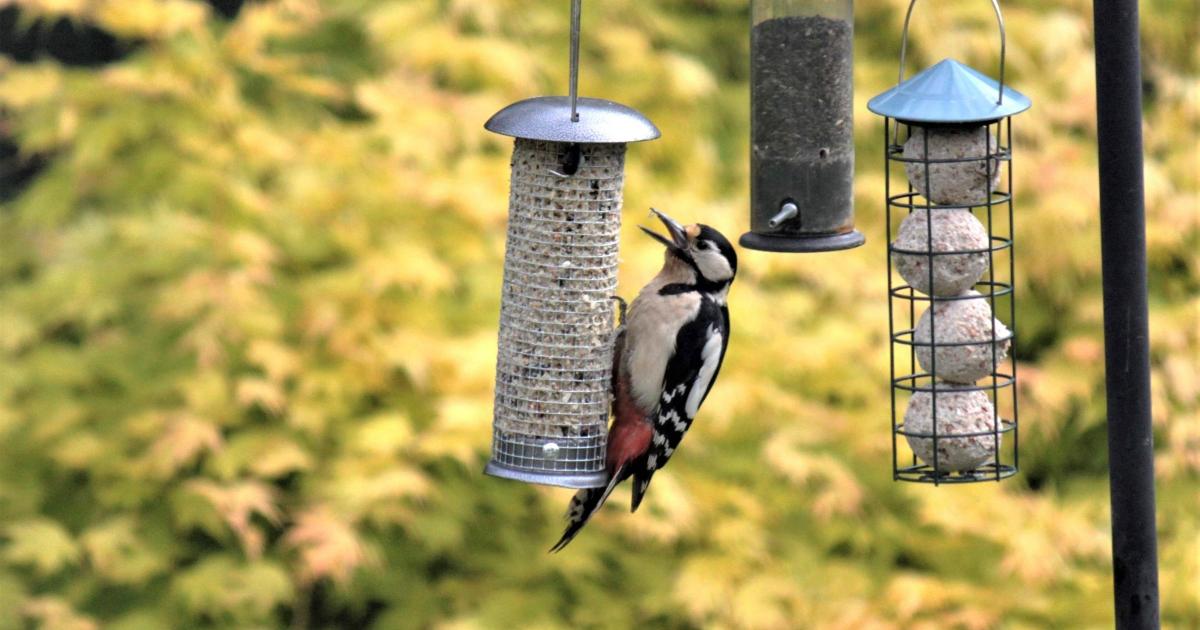
Here, the biggest change in the last fifty years is the spread of bird feeders.
We spend £200-300 million each year feeding birds, and this has changed not only the number of birds that visit gardens, but the species range.
Some opportunists, such as magpies, woodpeckers, and goldfinches, have thrived, but sparrows, starlings, and greenfinches have not done well.
Greenfinches have suffered badly because of diseases associated with bird feeders that have not been kept clean.
A group of scientists at Edinburgh Napier University has been using the citizen science data from another citizen science project, the British Trust for Ornithology Garden Birdwatch.
This is a smaller survey, but its key difference is that it runs all year and so highlights seasonal changes, including the arrival and departure of the many migrant species that appear in Britain.
The scientists have been studying one of the garden winners, sparrowhawks.
Sparrowhawks are woodland birds, agile flyers weaving through the branches to catch small birds.
Along with other raptors, they suffered serious losses because of the use of pesticides such as DDT in the agricultural revolution after WWII.
Their numbers have recovered somewhat in the countryside, but bird tables have become feeding stations and urban sparrowhawk numbers are soaring.
Some readers may become uncomfortable with that, but you have to remember that nature is a series of balances: every creature needs food, but every creature ends up feeding something else.
If you want to find out more, then visit the RSPB website.
Comments are closed.