

Robins are especially visible in UK gardens during winter months when food sources are scarce, and experts say providing the right foods will keep them coming back
Sophie Harris Senior Lifestyle Reporter and Rebecca Koncienzcy Content Editor for Spare Time
13:09, 31 Dec 2025
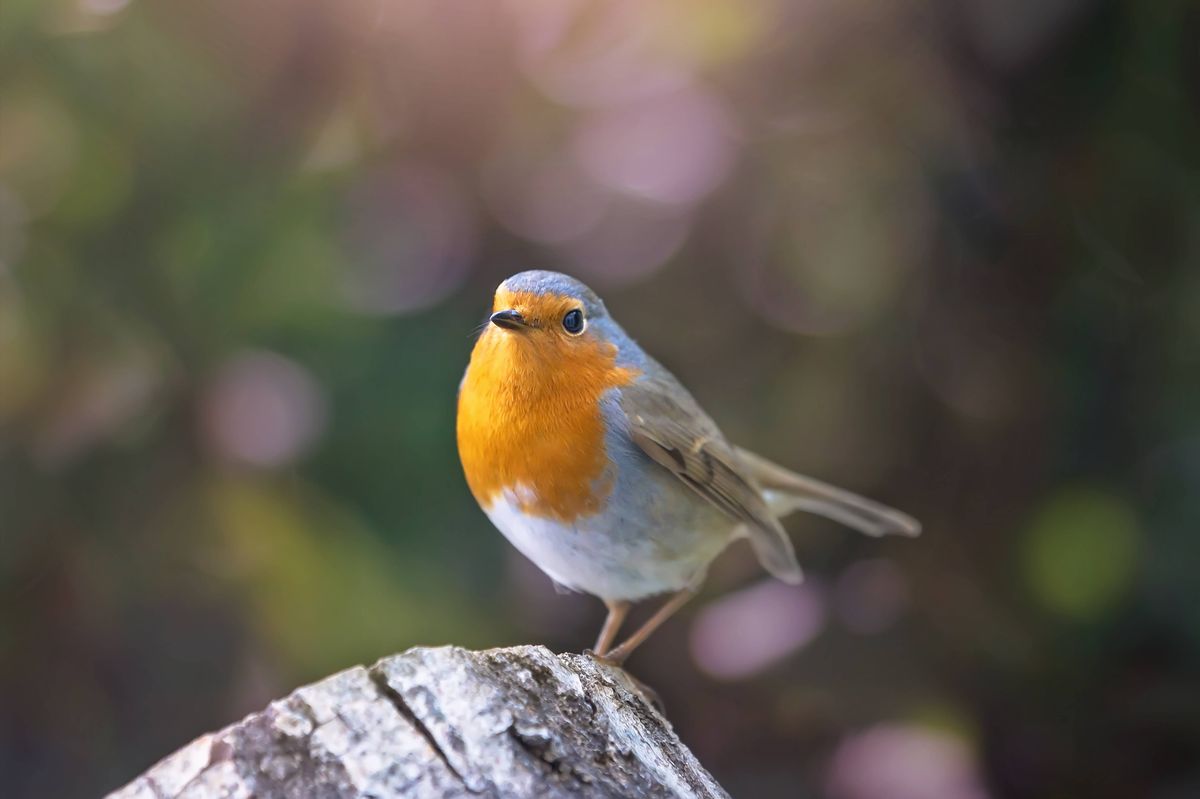 Robins will visit your garden more if you put out certain foods(Image: Cris Cantón via Getty Images)
Birds require assistance throughout the year, whether through providing a bird bath or offering food for them to feed on. This becomes particularly crucial during the winter months when food sources become limited.
Robins are amongst the UK’s most beloved birds, and whilst they are a delightful sight all year round, they’re particularly prominent in gardens during the colder months. According to an expert, enticing them to your garden is straightforward.
James Ewens, gardening expert at Green Feathers, said: “Robins are a favourite of mine, and it’s always a pleasure when one pays you a visit, especially to brighten up a winter’s day. People think luring robins is an impossible task, and while they can be a rare sighting, when you know, you know. Considering their basic needs and comfort-food, drink, nesting opportunities, shelter, and their most-loved plants and shrubs can go a long way.”
How to make a robin’s preferred menu
Understanding what robins enjoy eating is vital. They adore food, but their supply of insects during winter becomes limited, reports the Express.
Offering mealworms and earthworms provides an excellent starting point, and according to the expert, they’ll “keep coming back”.
The expert explained: “Suet balls are a firm favourite, with their high-fat, high-energy content, they’re not only appealing for robins, but essential to support their physiology and carry them through the harsh winter months.
“Apples, pears, and dried fruit can be a great source of fibre and vitamins A, E and C for robins – supporting digestion, healthy feathers and eyes, and immunity.”
Hydration station
Robins require water both for drinking and bathing purposes. Maintain a shallow bird bath filled throughout winter, or position a small dish close to shrubbery.
The expert noted: “Robins prioritise safety, so positioning water by shrub shelters them from predators.
“Never underestimate how important water is for robins to bathe in. Providing a place for robins to bathe keeps their feathers clean and free of parasites, and they also make their feathers more pliable when they bathe, allowing them to take flight more efficiently, thus getting away from predators more effectively.”
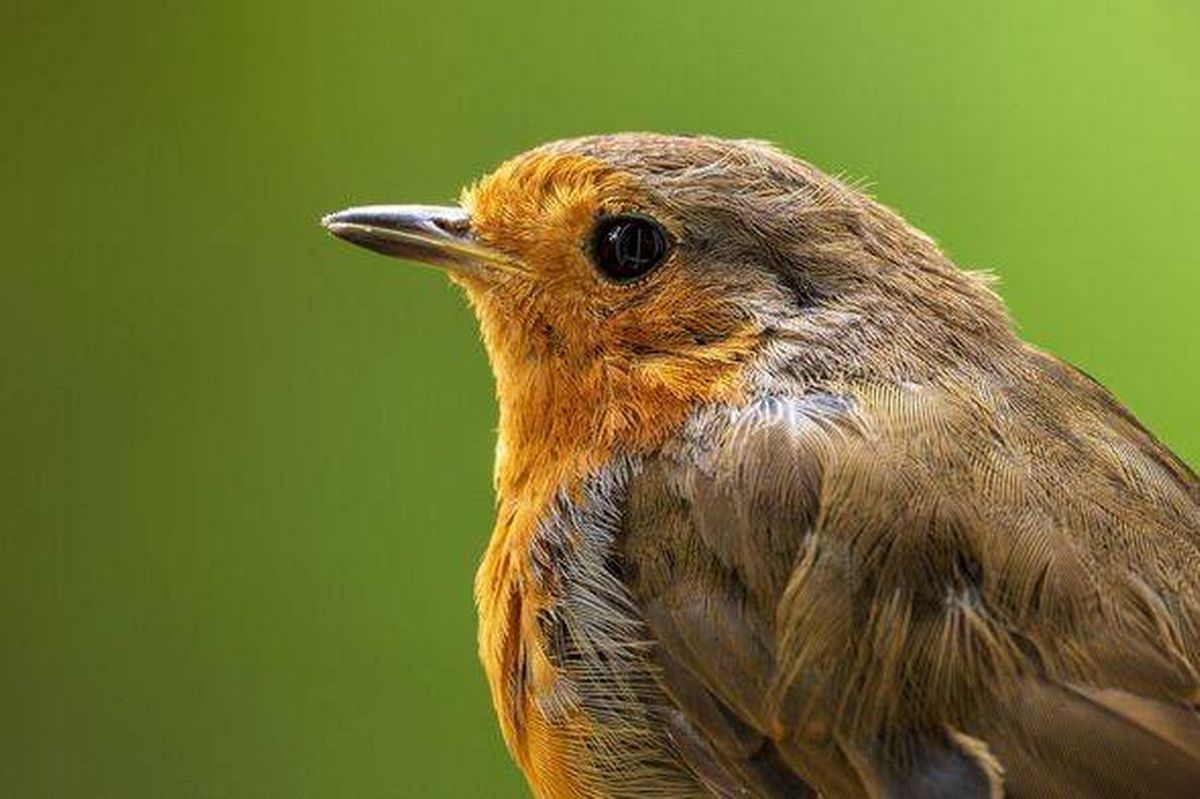 Robins will ‘keep coming back’ to your garden if you provide 2 foods in winter(Image: Getty)
Be thoughtful with your shrubs
For those hoping to attract robins, establishing dense shrubs, hedges, and climbing plants creates the ideal sanctuary for these birds. Such features provide protection from severe weather conditions and safety from larger predatory birds.
The expert highlighted: “A top choice for attracting robins and other songbirds is a serviceberry tree – known by many names, including juneberry, shadbush, and snowy mespilu. Serviceberries are a gardener’s dream; they flower in mid-spring, attracting pollinators and, in turn, birds. Their fruit ripens from late spring through summer, providing robins with a steady supply of soft, energy-rich berries – perfect for feeding their young.”
Think about bird box positioning
James added: “Many people pop a bird-box in their garden where it fits best aesthetically. Robins are particular about where they settle.
“A sheltered, quiet spot is ideal for our red-breasted friends, and even better if it has some natural cover, such as shrubbery or hedges.”
He also noted the importance of facing your bird box between North and East to keep it out of strong winds and the midday heat, stating that cool, dry, protected bird boxes are most appealing to robins.
He further advised considering the type of bird box, suggesting an open-fronted box placed about one to two metres high. This ensures it’s not too close to the ground, but also not too high up in the trees.
Comments are closed.