
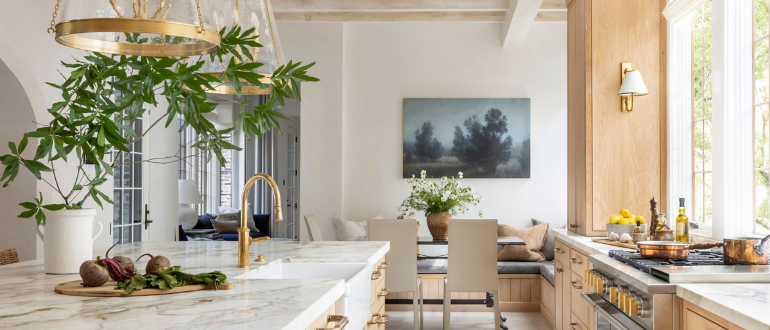
Once seen as a nostalgic habit reserved for grandparents and countryside homes, the kitchen garden is staging a quiet but confident comeback. As 2026 approaches, growing herbs, vegetables, and fruits at home is no longer just about hobby gardening. It is becoming a lifestyle choice shaped by health concerns, sustainability, rising food costs, and a renewed desire for slower, more mindful living.
A kitchen garden, whether it is a few pots on a balcony or a dedicated patch of soil in the backyard, offers something modern life often lacks: control. Control over what we eat, how it is grown, and how fresh it really is. In cities where food travels long distances before reaching the plate, the idea of harvesting tomatoes, mint, or chillies just before cooking feels almost revolutionary.
One of the biggest drivers behind this revival is food awareness. Consumers today are reading labels more carefully and asking uncomfortable questions about pesticides, preservatives, and artificial ripening. Kitchen gardens provide a simple answer. When you grow your own produce, you know exactly what goes into the soil and what stays out. This transparency has made home-grown vegetables especially appealing to families with children and to people managing lifestyle-related health issues.
Sustainability is another powerful force pushing the trend forward. Kitchen gardens reduce dependence on packaged produce, cut down on plastic waste, and lower the carbon footprint linked to transportation and cold storage. Even small-scale gardening contributes to a larger environmental shift. In apartment complexes and gated communities, shared kitchen gardens are emerging as social spaces where residents grow food together while learning about composting and water conservation.
Urban design is also adapting to this renewed interest. Architects and interior designers are increasingly planning homes with space for herbs and edible plants. Window ledges, balconies, terraces, and even indoor hydroponic systems are being designed with functionality and aesthetics in mind. For many homeowners, a thriving basil plant or a vertical vegetable wall has become as desirable as a stylish kitchen backsplash.
Technology has played an unexpected role in making kitchen gardens accessible. Smart planters, drip irrigation systems, grow lights, and app-based plant care guides have removed much of the guesswork. Even first-time gardeners can now grow spinach or coriander with minimal effort. This mix of tradition and tech is especially attractive to younger homeowners who value convenience but still want a connection to nature.
There is also an emotional layer to the kitchen garden’s return. Gardening offers a sense of calm in a world that feels increasingly fast and uncertain. Tending to plants creates routine, patience, and a tangible sense of progress. For many, it has become a form of therapy, a way to step away from screens and reconnect with the rhythms of growth and seasons.
Culturally, kitchen gardens tap into memories of home and heritage. Across India and many other parts of the world, growing food at home was once the norm. The comeback is less about reinventing the wheel and more about reclaiming a practice that was sidelined by convenience-driven lifestyles. In 2026, this revival feels less like a trend and more like a correction.
The kitchen garden’s appeal lies in its flexibility. It does not demand large investments or vast spaces. A few pots, some sunlight, and a little care can yield meaningful results. Whether it is fresh curry leaves, salad greens, or cherry tomatoes, the reward is immediate and deeply satisfying.
As homes become more intentional and people rethink their relationship with food, the kitchen garden is stepping back into the spotlight. Not as a rustic throwback, but as a smart, sustainable, and deeply personal way of living better.
Comments are closed.