
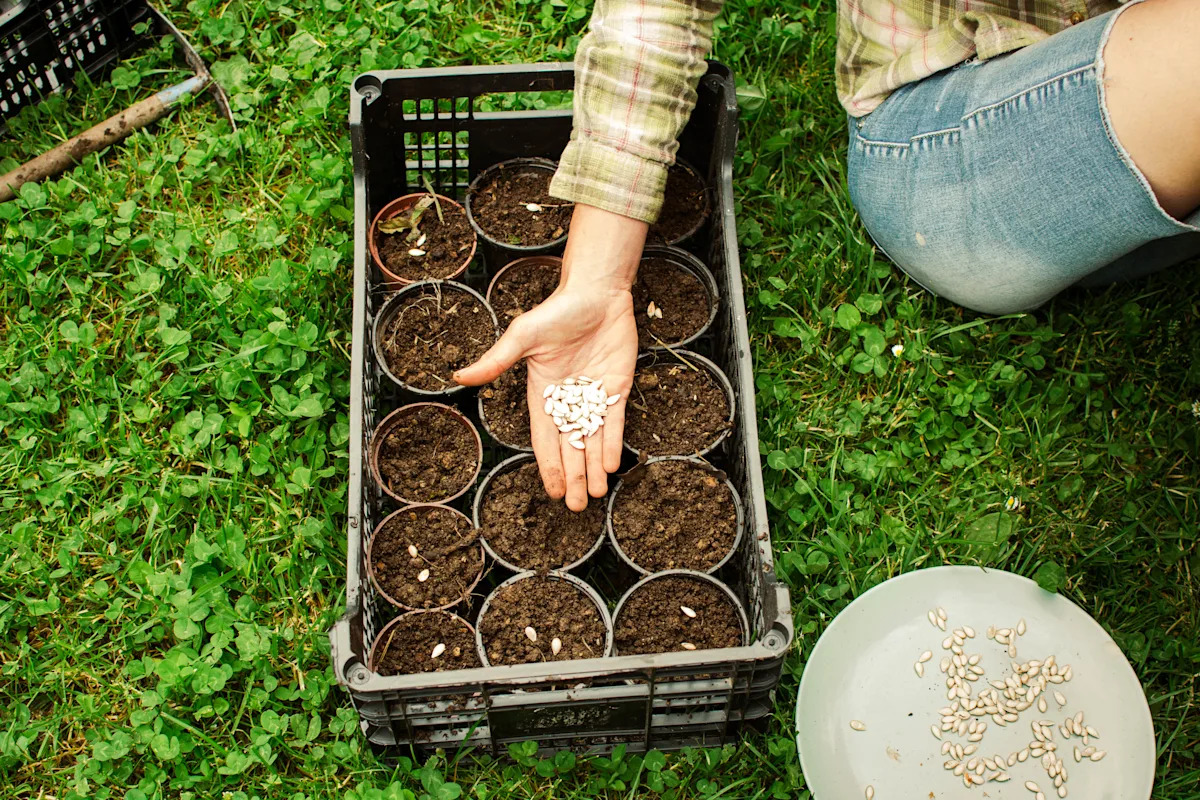
January can feel like a pause button for the garden. The beds are quiet, the days are short, and everything looks like it’s waiting. But this is the month when good spring gardens are quietly built.
January gardening isn’t about doing everything. It’s about setting yourself up so that when the season turns, you’re ready.
Plan and Organize Your Garden Layout
When the weather keeps you indoors, planning becomes the most useful gardening work you can do. This is the time to look back at last year and be honest about what worked and what didn’t.
Map out your garden beds, consider crop rotation, and decide whether anything needs to move. Maybe a bed felt overcrowded or a plant struggled where it was planted.
Adjusting now saves time and stress later. Whether you sketch it by hand or use a digital planner, having a clear layout makes spring planting feel manageable instead of rushed.
Sort and Organize Seeds
January is the perfect time to pull out your seed stash and see what you’re actually working with. Toss anything too old or damaged, and organize the rest so you can find what you need quickly when planting season arrives.
This is also a good time to label seed packets or write plant markers ahead of time. Small prep work now adds up to less chaos later when everything needs to be planted at once.
Test Old Seeds Before You Rely on Them
Before assuming last year’s seeds are still good, take a few minutes to test germination. Place a handful on a damp paper towel, keep them warm, and check after several days.
If only a few sprout, it’s better to know now than to discover bare soil weeks from now. Replacing unreliable seeds early helps prevent frustration in spring.
Order Seeds Before They Sell Out
January is one of the best months to order seeds. Popular varieties sell out fast, and ordering early gives you time to plan without feeling behind.
Stick with varieties you know perform well, then add one or two new ones if you want to try something different. Ordering early also gives you space to adjust your plans if something isn’t available.
Take Inventory of Tools and Supplies
Before the season picks up, check what you already have. Look through soil, fertilizers, trays, labels, and pest control supplies. Make note of anything running low or past its prime.
Inspect tools as well. Clean them, sharpen what needs sharpening, and replace anything that didn’t survive last season. When spring arrives, you’ll be glad everything is ready to go.
Prepare for Seed Starting and Transplants
If you plan to start seeds indoors, January is the time to gather what you’ll need. Seed trays, clean containers, potting mix, and light sources should all be ready before seeds are sown.
If you reuse containers, wash and sanitize them to reduce the risk of disease. Having supplies prepped makes seed starting feel calm instead of last-minute.
Know Your Frost Dates
Your first and last frost dates shape your entire gardening timeline. Knowing them allows you to plan when to start seeds indoors and when it’s safe to transplant outside.
Once you have your frost dates, count backward to determine seed-starting times. Most plants are started six to eight weeks before transplanting, and having that schedule written out keeps everything on track.
Start Slow-Growing Seeds Indoors
January is ideal for starting slow-growing plants like peppers, eggplant, and certain perennials. These crops need extra time to develop strong roots before moving outdoors.
You can also get ahead with cool-season crops like kale and lettuce if you have space and light. Starting early gives you stronger plants and earlier harvests.
Prune Trees and Shrubs While They’re Dormant
Winter is a good time to prune many trees and shrubs. Remove dead, damaged, or crossing branches to improve airflow and structure.
Dormant pruning encourages healthy growth and helps plants enter spring in better shape. Always research specific plants before pruning to avoid removing buds that form early blooms.
Test Your Soil Before Spring
Using a soil test kit in winter gives you time to address nutrient deficiencies or pH issues before planting season begins. Knowing what your soil needs allows you to amend it intentionally rather than guessing.
Healthy soil makes everything easier later, from seed germination to pest resistance.
Plan for Pest and Disease Prevention
January is when prevention works best. Choose disease-resistant varieties, plan companion planting, and think about spacing to improve airflow.
Good planning now reduces the need for reactive fixes later. A well-planned garden is usually healthier.
Keep Notes and Records
Whether it’s a notebook, calendar, or garden planner, keeping records matters. Write down what you plan to grow, when you start seeds, and what you want to adjust this year.
These notes become invaluable over time, helping you refine your garden season after season.
A Quiet Start Still Counts
January gardening doesn’t look impressive from the outside. But this quiet work planning, organizing, and preparing is what makes spring feel steady instead of overwhelming.
When the soil finally warms and the days are longer, you’ll be glad you started early. Not because you rushed the season, but because you were ready when it arrived.
Comments are closed.