

Working out what to do with your old Christmas tree can be a headache – but one garden expert says they can be a valuable resource It’s shared your house for the past couple of weeks – but that tree’s days are numbered(Image: Yana Iskayeva via Getty Images)
As Twelfth Night looms, the annual conundrum of what to do with our Christmas trees is upon us. However, for green-fingered enthusiasts, the solution could be staring them in the face.
Gardening guru David Denyer has shared a handy tipfor repurposing real Christmas trees as natural mulch post-January 6, which can insulate plant roots, boost soil health and even fend off slugs and snails during the frosty winter months.
David, who’s part of the team at flower delivery experts Eflorist, reveals: “Many people don’t realise just how valuable a Christmas tree becomes once the decorations come down.”
He explains that when transformed into mulch, your festive fir can work wonders in your garden : “When broken down into mulch, your Christmas tree can be endlessly useful for your garden. Once mulched, the needles and branches of a Christmas tree can help your garden soil retain moisture, suppress any weeds, and gradually enrich the soil as they decompose.”
David also highlights the protective benefits of mulching during the chillier months: “A layer of mulch during January or February will also help protect any plant roots from frost, giving plants extra protection during the coldest weeks of winter while preparing the garden for early spring growth.”
 It only seems like yesterday that you bought your tree, but now it’s time to say goodbye(Image: Getty)
And it seems some plants are particularly partial to a bit of Christmas tree mulch, as David points out: “Christmas tree needles are naturally acidic, so you should use this mulch on acid-loving plants such as blueberries, azaleas, camellias, and rhododendrons.
“However, gardeners shouldn’t worry about Christmas tree mulch dramatically altering soil pH. As pine needles break down, they quickly neutralise, meaning you can safely use them around most shrubs, perennials, and fruit bushes.
“Many gardeners also use pine needles around strawberries, as the sharp, prickly texture can help deter slugs and snails.”
David explains that this is the perfect moment to shield your plants with additional mulch coverage, stating: “The timing works perfectly,” and adding: “As January and February are when plants need protection most to ensure they have a successful spring.”
He says: “A fresh layer of mulch helps shield roots from frost, reduces soil erosion during wet spells, and maintains moisture during dry, cold winds.”
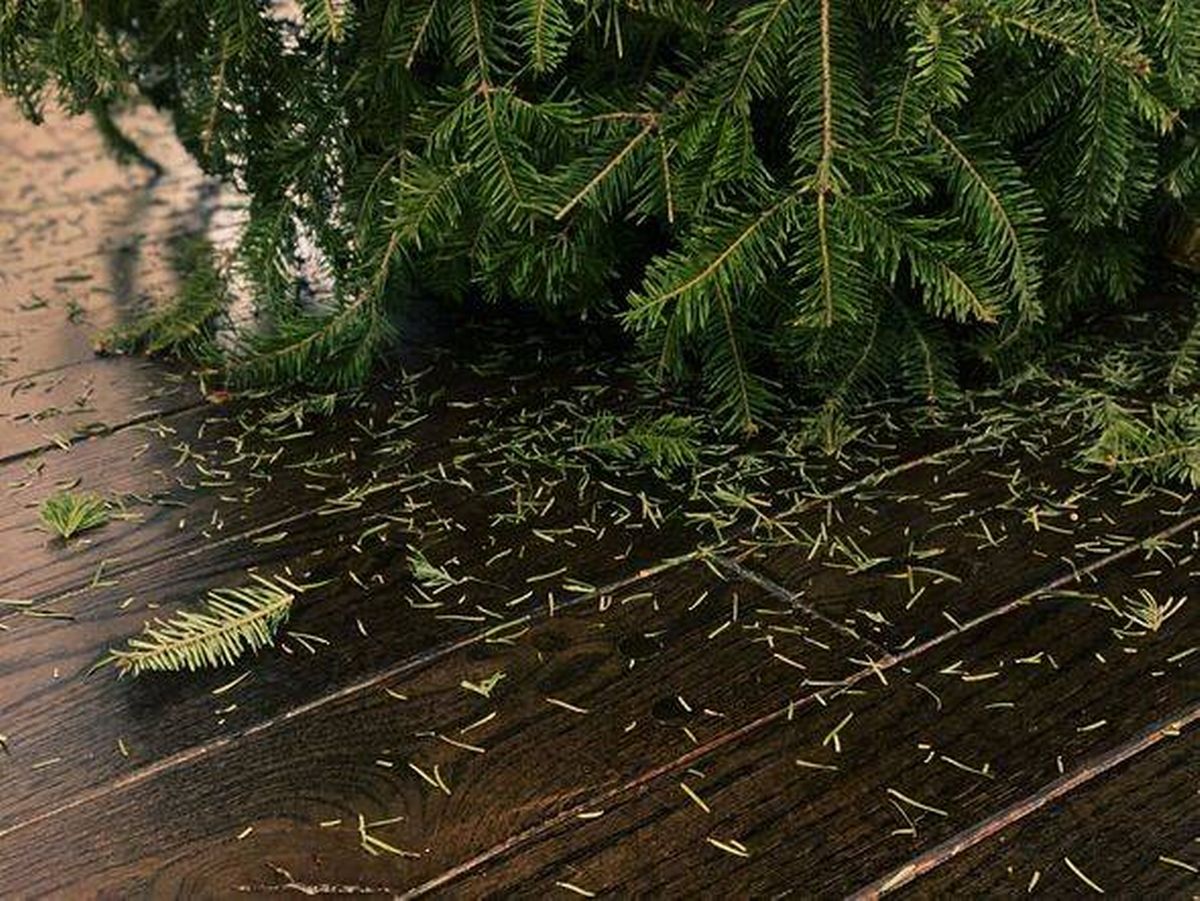 All those needles could come in handy(Image: Getty)Five steps to mulching your Christmas tree:1. Shred the branches for faster breakdown
David advises: “If you have access to a garden shredder or can borrow one from a neighbour, shredding the tree is the quickest way to turn it into a fine, even mulch.”
He explains: “Smaller pieces break down far more efficiently and sit neatly around plants, allowing moisture and air to flow through.”
The expert adds: “Shredding is the best method if you want a tidy finish across beds and borders and quicker soil improvement over winter.”
2. No shredder? Let the needles fall naturally
For those without equipment, David suggests: “If you don’t have a shredder, simply lay the tree outside on a patio, driveway, or large sheet.
“As it dries out, the needles will fall off naturally over a few days. You can sweep these up and use them as a light mulch around shrubs and fruit bushes.
“The remaining branches can be cut by hand and added to a compost heap or stacked to create an animal-friendly shelter in a quiet corner of the garden.”
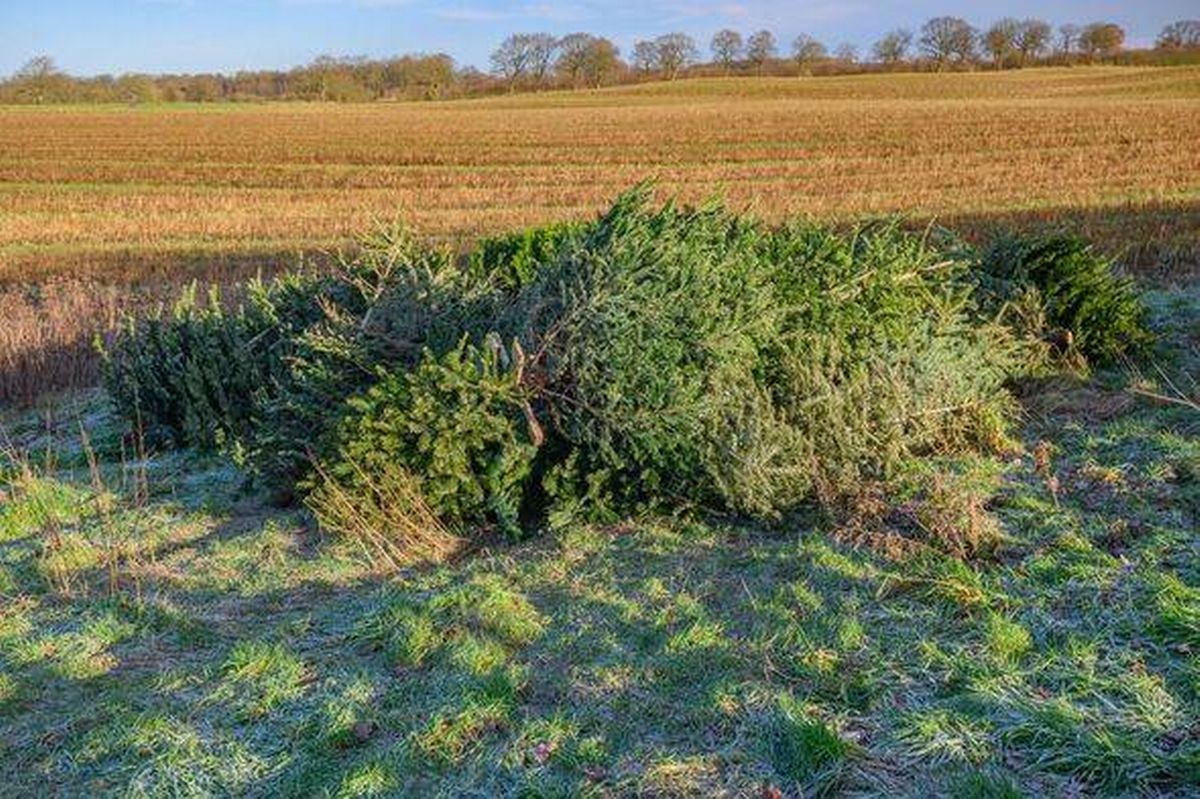 Discarded Christmas trees can be a real asset in te hgarden(Image: Getty)3. Apply a 5-10cm layer around plants
“Once you’ve gathered your needles or chopped branches, apply a layer roughly 5-10 centimetres thick around the base of shrubs, perennials, and fruit bushes.
“This depth helps retain moisture, regulate soil temperature, and shield exposed roots from frost.
“Just make sure to keep the mulch slightly away from stems and trunks, as leaving a small gap will prevent excess moisture, which can cause rotting.”
4. Utilise extra branches for wildlife habitats
“Any leftover branches can become a real winter lifeline for wildlife.
“Stack them loosely in a sheltered corner to create a simple habitat for insects, frogs, and hedgehogs, which rely on dry, protected spaces during the coldest weeks.
“The gaps between the branches help trap heat and keep predators out, making it an ideal makeshift refuge until spring.”
5. Store any leftover needles for spring
“Dry pine needles store extremely well and can be used long after the Christmas tree is gone.
“Keep them in a breathable hessian or garden-waste bag-not plastic-so they stay dry and airy.
“They make an excellent spring top-up mulch, helping to keep soil moist as temperatures rise and giving emerging plants an early-season boost.”
Comments are closed.