
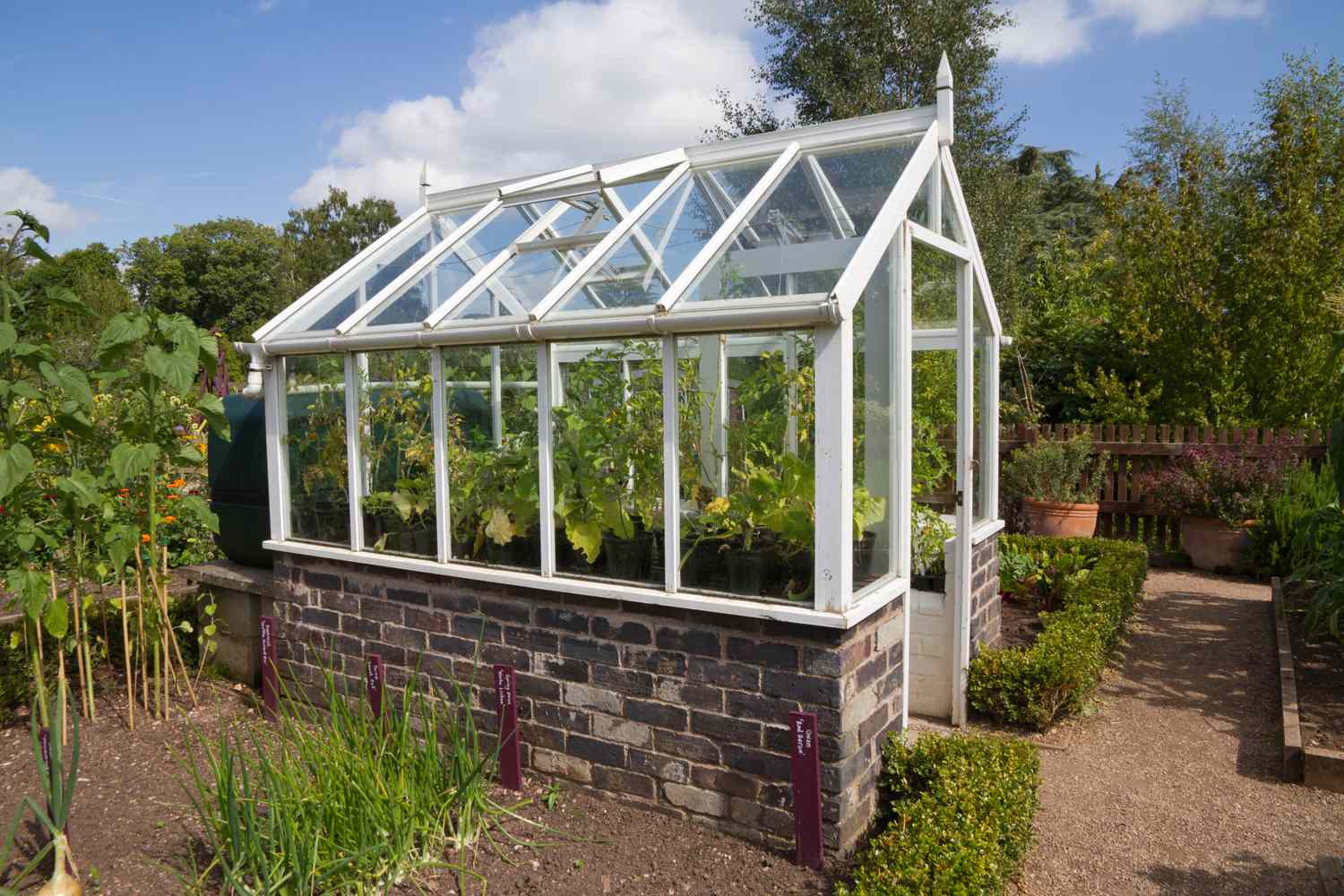
Greenhouses are an invaluable feature for many gardeners. They extend the growing season, protect plants from inclement weather, and provide ample light for sun-loving species. While there are many advantages to growing plants in a greenhouse, not all varieties will thrive in one. Generally, greenhouses are best for plants that prefer sunny, warm, ventilated conditions. Ahead, gardening experts share which plants you should never grow in a greenhouse—and the reasons why.
Ornamental Grasses
Striped ornamental zebra grass.
Credit: F.D.Richards/Flickr/Creative Commons
Ornamental grasses do best when grown outside where they receive appropriate air circulation and space. “In a greenhouse, they can become susceptible to fungal diseases,” says Linda Langelo, horticulture specialist at Colorado State University. “The humidity in a greenhouse can cause grasses to flop over.”
Even if you’re growing a grass that prefers heat and humidity, Langelo still recommends avoiding greenhouses for two reasons. “These grasses need Mother Nature’s natural temperature swings from daytime to nighttime, and, without the constant movement of airflow, their growth becomes stretched, causing them to flop,” she says.
Most Cacti
Cacti tend to be more prone to rot than succulents, so they need a drier winter period.
Credit: goldenjack/Shutterstock
Many cactus varieties thrive in dry climates and won’t do well in the high humidity of a greenhouse. “Cacti have an amazing ability to collect water in their spines, roots, and stems,” says Langelo. “A heated greenhouse would only contribute to overwatering, causing root rot and poor growth,” says Langelo.
That said, some varieties, such as Echinopsis, Mammillaria, and Parodia, can do well in a heated greenhouse. “These types of cacti grow naturally in warmer regions where they do not face freezing temperatures at night,” she adds.
Peonies
Credit:
Olga Seifutdinova / GETTY IMAGES
With their show-stopping layered blooms, peonies are a welcome addition to the spring garden. For optimal success, these perennials should be planted outside, as they need a cold snap to bloom. “If a peony does not get between 500 and 1,000 chill hours of cold, then your peony will never flower until it does get those hours,” says Langelo. “The specific temperature range for their chill hours is 32 to 40 degrees Fahrenheit for a minimum of 20 days and a maximum of 40 days.”
Peonies may succumb to botrytis if the air becomes stagnant. “Like ornamental grasses and cacti, they need temperature changes caused by Mother Nature, from warm days to cool nights,” says Langelo. “They react similarly to ornamental grasses, with their stems becoming weak and flopping over.”
Peace Lily
Credit: Getty / Yaroslav Mikheev
Peace lilies are popular houseplants that love warm temperatures, but won’t do well in the intense heat of a greenhouse. “Peace lilies wilt easily under temperature swings and bright light,” says Kelly Funk, president and CEO of Jackson & Perkins. “In a greenhouse, daytime heat builds quickly and can scorch foliage and stress the roots.” The constant high humidity also increases the risk of fungus.
Calathea
Credit:
wahid hasyim asyari/Getty
Although calathea is native to the tropics and thrives in high-humidity conditions, greenhouses typically get too hot for this plant. “Intense sun causes leaf curling or browning edges, and closed, stagnant environments encourage spider mites, a pest calatheas are infamous for attracting,” says Funk. Instead, she recommends growing it in a stable indoor area with filtered light, such as a bathroom or kitchen.
Pothos
Variegated pothos varieties will show more color in bright, indirect light. FeelPic/Getty.
Credit:
Getty Images
Pothos plants are highly resilient, but the strong sunlight of a greenhouse can bleach or burn their foliage. “Overheated air also dries them too quickly and encourages mealybugs,” says Funk. For optimal results, grow pothos inside your home somewhere it receives moderate, indirect light, such as on a bookshelf or mantel, she suggests.
Ferns
Credit:
skhoward / getty
While ferns like humidity, they do not tolerate heat spikes. “Many greenhouses regularly exceed 85 to 90 degrees Fahrenheit on sunny days, which dries out delicate fronds and causes premature leaf drop,” says Funk. Grow ferns in a cool, shaded indoor space or outside in an area protected from the sun during summer. “North-facing rooms are especially fern-friendly,” Funk adds.
Comments are closed.