
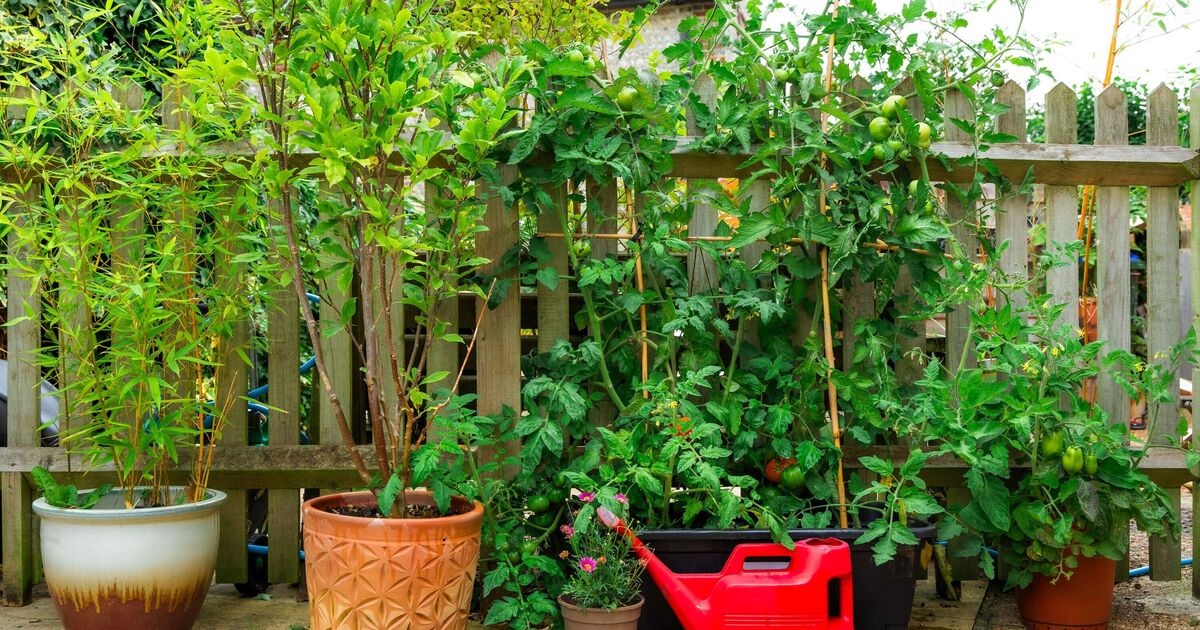
Gardeners with fences have been told to install netting for a key reason. Animals are an important presence in your garden, making them feel vibrant and alive, whilst doing key jobs within the ecosystem. Worms and insects muck in by helping to keep soil rich and healthy, and pollinating flowers, while birds do their bit by chasing away pests that can damage plants.
However, rodents, like rats, are among the creatures that can have a negative impact on your plot. The Royal Horticultural Society (RHS) flags to gardeners that rats “can feed on the fruit and vegetables that we intend to eat, either while it is growing or after it has been harvested and is being stored”, and are also known to take food left out for birds, poultry and pets.
The creatures may also be carrying a bacteria that causes “a form of jaundice known as leptospirosis or Weil’s (pronounced ‘Viles’) disease” which can affect people, in addition to other issues associated with them.
You can find more advice from the RHS on rats, rodents, and what considerations to make in your garden on their website.
If they do manage to make it into your garden, they may well attempt to enter your home for the warmth and shelter, especially during the colder winter months, scavenging for leftovers to feed on.
However, there a number of measures you can take to help keep your garden rat free, and your plants safe from intruders.
Angelika Zaber, a Lawn Care Specialist and Gardening Expert for Online Turf, says homeowners should try and seal their gardens as best they can, and consider putting nets in place.
“To do this, invest in high, smooth fences with no gaps in between and install netted mesh on the ground so that it’s harder for them to get in,” she said.
Meanwhile, for those with open garden that make it difficult or impossible to close off entry points, “there are a few humane ways to try and deter them from entering”, she said.
“Strong scents like garlic or mint are unpleasant for rodents. You can use these to make a mixture by adding some plants into a spray bottle, filling it with water and letting it sit for a while, then spray any entry points in your garden.”
Ms Zaber says the best way to keep your rodents out of your house or flat is by stopping them from getting in the garden in the first place. She recommends a “hybrid approach of mixing different methods together”
“Rodents are looking for gardens that they deem to be a food source,” she explained. “If you’ve got a compost pile or unsecured bins, they’re going to want to keep coming back because they know they can get a steady supply of food easily.
“To avoid this, invest in secure, lockable bin lids, don’t leave any rubbish out overnight, and invest in a compost bin so the pile is sealed and can’t be accessed.
“Even if a rodent can smell it, if they can’t access it, it will deter them from returning. However, the bin itself must be made from good-quality materials, and should be placed on a solid base, such as concrete, to block burrowing rats.”
Comments are closed.