
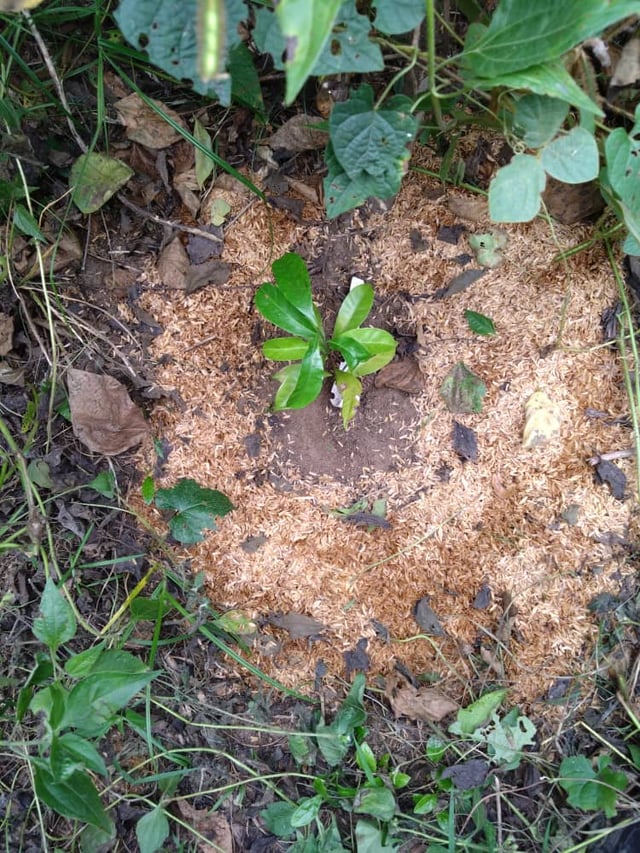
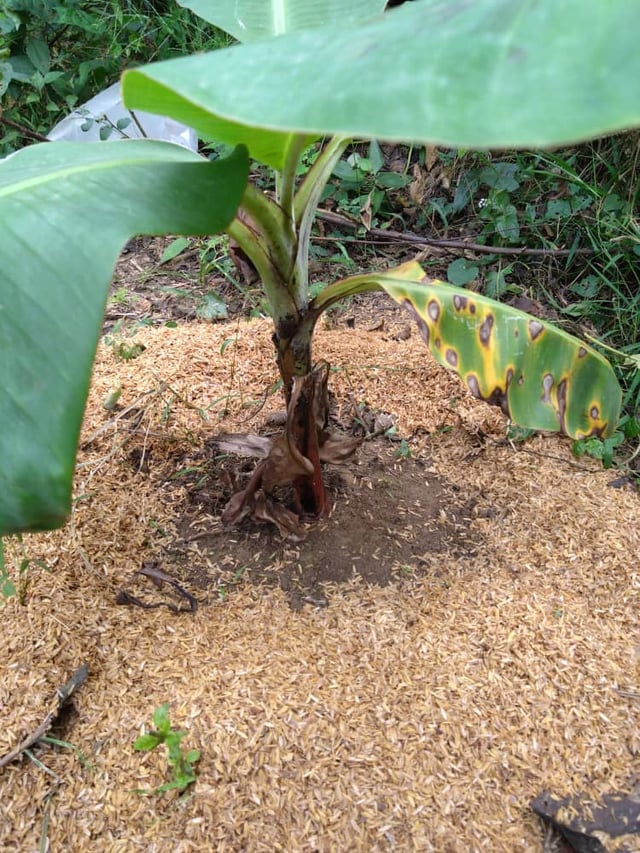
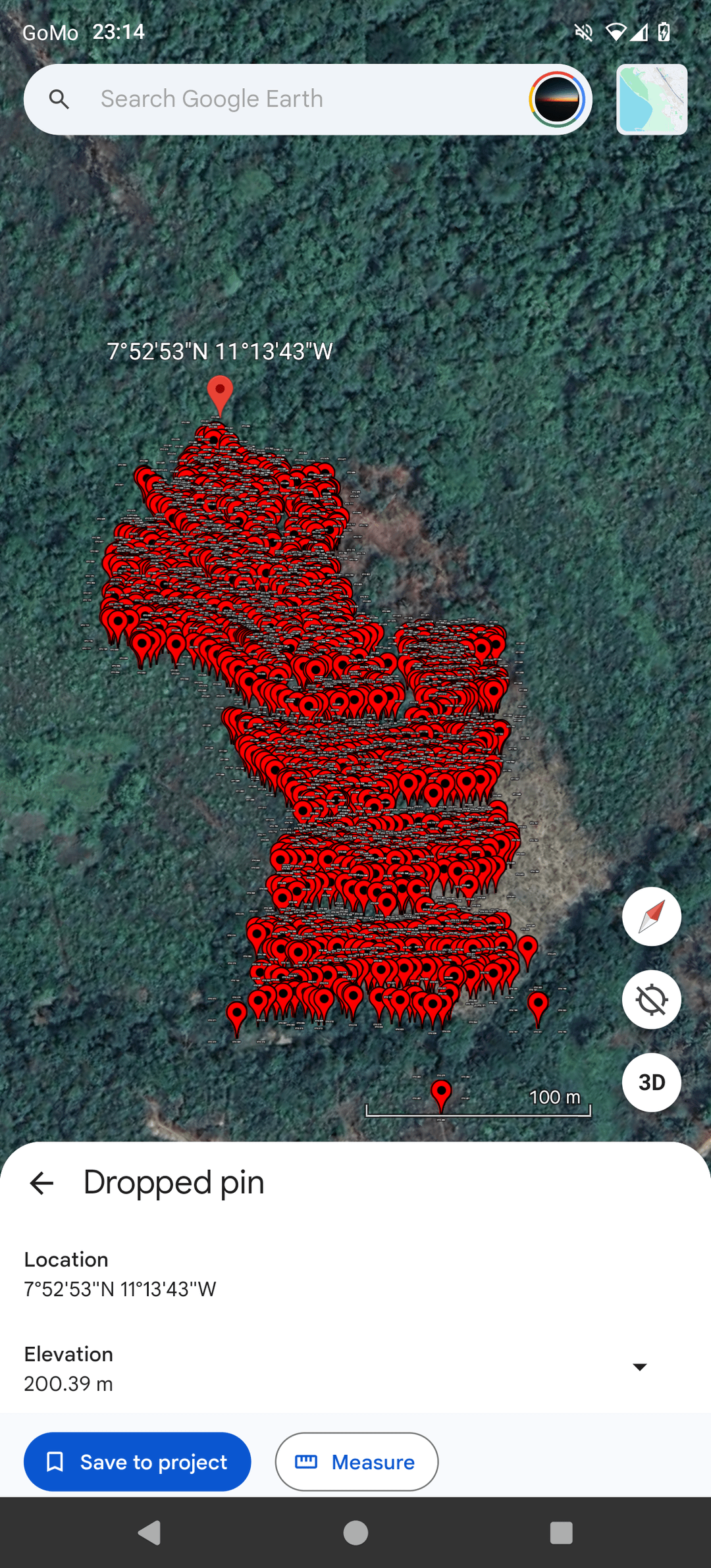
Hi all,
We run a small, friends-and-family funded, locally owned Coffea stenophylla farm in eastern Sierra Leone and need a basic water source to get young plants through the coming dry season.
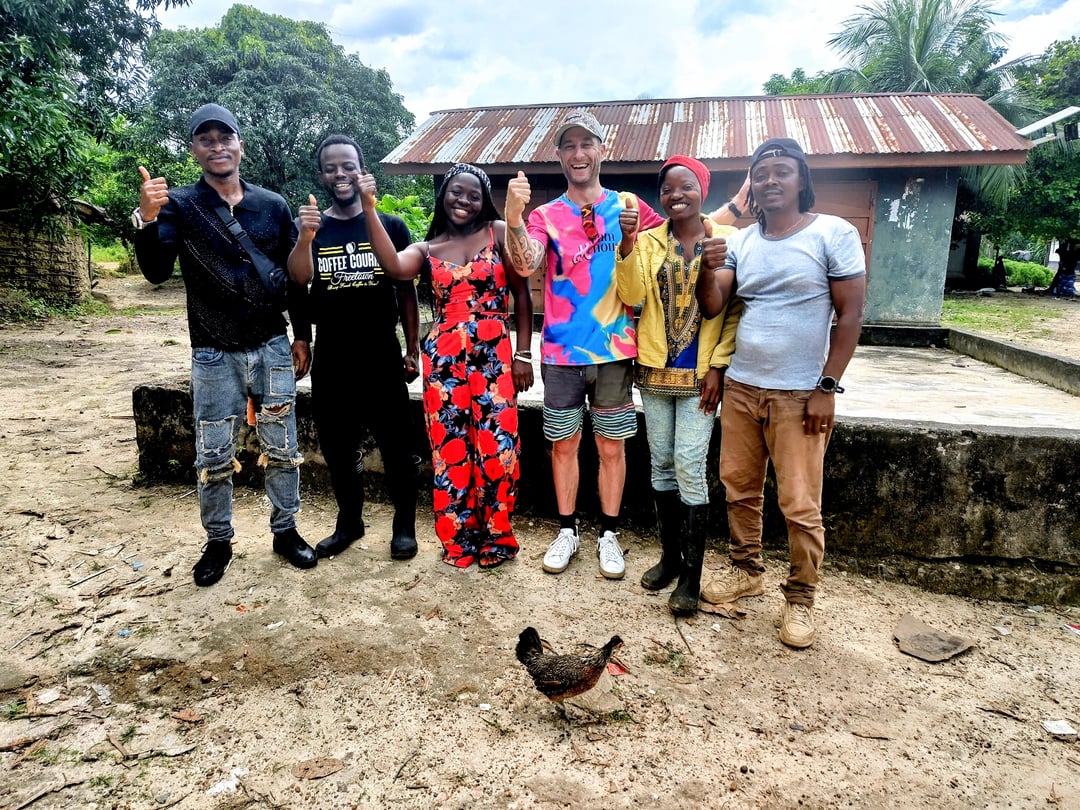
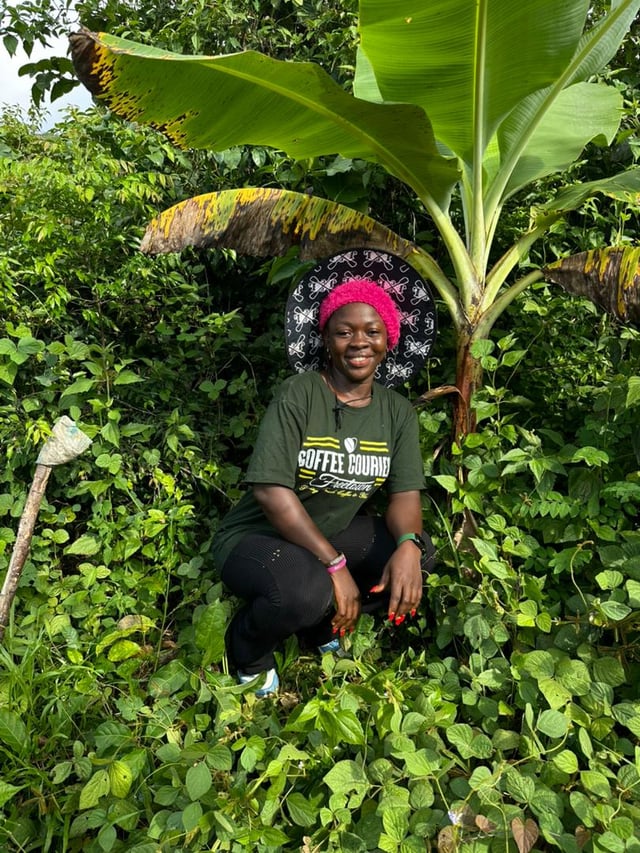
The farm is led locally by Hannah and Magnus, who manage day-to-day work with people from the surrounding village. We’re looking for advice from anyone with real experience digging hand wells or shallow boreholes under tight access and budget constraints.
About the crop
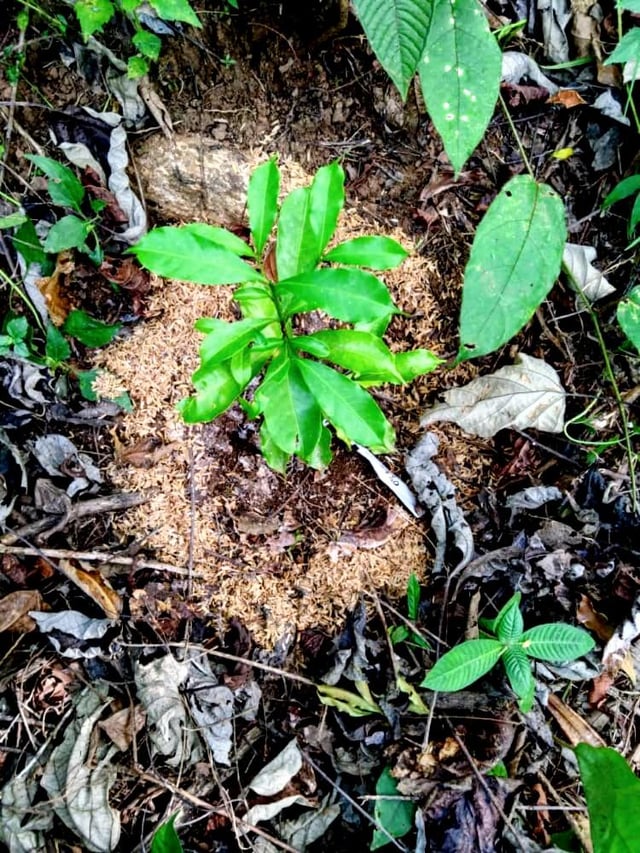
Stenophylla is native to West Africa, naturally more heat-tolerant than Arabica, and has recently been rediscovered for high cup quality. We’re growing it as a long-term, climate-resilient coffee.
Constraints
No vehicle access (everything carried by hand)
Very tight budget, self-funded
Goal is survival irrigation, not production
Farm snapshot
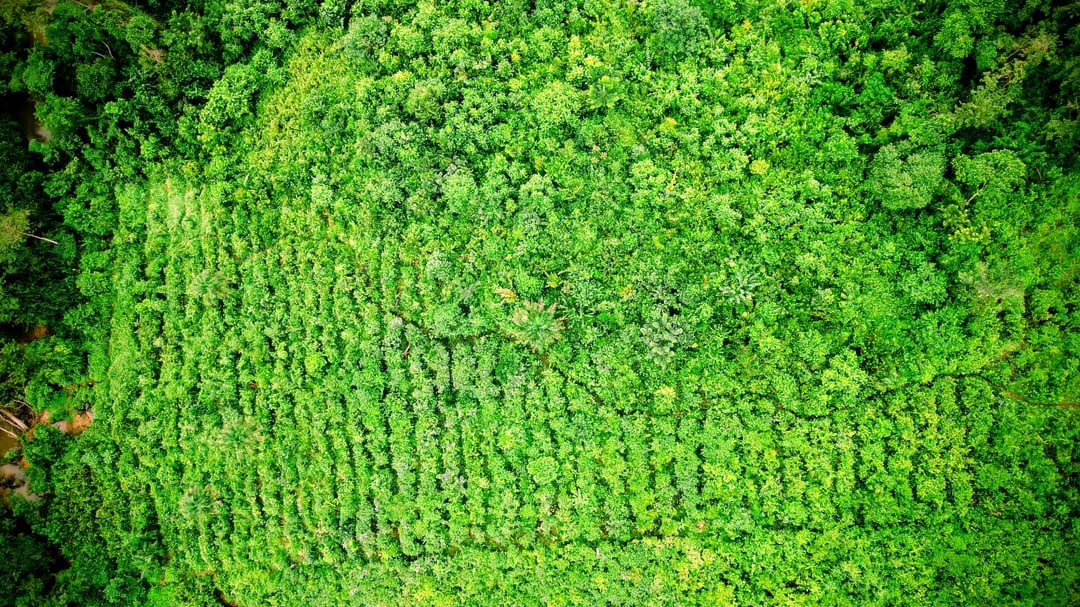
~7.4 acres (≈3 ha), gently sloped
220–240 m elevation, lateritic/clay-loam soil
~3,000 stenophylla saplings (planted May, <1 year old)
Intercropped with banana; heavy mulching in place
Water need (rough)
~10–20 L per plant per week
~5–10 m³/day total in peak dry season
What we’re hoping to learn
Hand-dug well vs borehole in similar conditions
Typical depths, yields, and dry-season reliability
Low-tech ways to stretch limited water
How would you give our little babies a drink of water every few days during the dry season?
Thank you so much for any practical, field-tested insight.
by Hodibeast
5 Comments
Very cool, thanks for sharing! I want to be able to drink coffee in 50 years so I’m rooting for you guys for very selfish reasons!
Edit, i originally didn’t want the team photo ( with the chicken) in at the start of my post instead rather more relevant Farm layout Fotos. If anyone is interested you can find them on our website http://www.stenophylla.sl
I just want to say this is awesome. You’re already miles ahead of me on knowledge of this stuff so I can’t really offer much advice!
Without vehicle access I See no way of drilling.
Too keep it cheap, I would try try three Things:
1. A huge pond to safe rainwater. If possible with trees to provide Shadow.
2. Try digging a well at the lowest Point and measure the output.
3. Drip Irrigation systems. Those are very water and time efficient. But they cost more than sprinkler systems.
Using different solutions will Help diversify you Risks and mitigate them. Good Luck!
If the soil is sandy and the water is shallow you can drive a sand point. Otherwise, put gutters on the buildings and divert the rainwater water into barrels.