
Chris McKeown
| Special to The Enquirer
When I get to this time of the year, I like to take a look back at events or issues that may have had an influence on our lawn and garden practices.
When I do, my mind defaults to the weather. For the most part, our weather patterns were fairly normal. This would be with the understanding that in the Midwest, normal is hard to define.
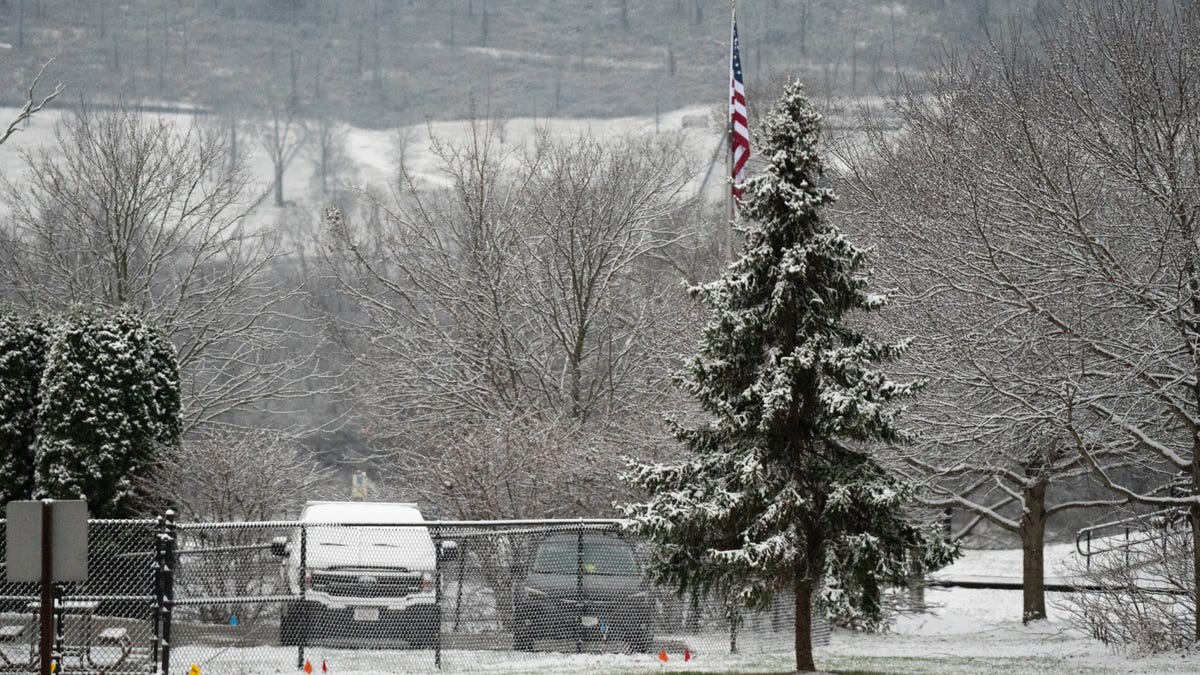
I will say that the season did come to an abrupt ending with an early arrival of winter this past month. We had five inches of snow on December 2. It melted, but then we only had about 10 days to finish our fall cleanups. Then we received another major snowfall on December 13.
After the last snowfall came through, our temperatures dropped into the single digits. This was reminiscent of 2022 when we also had single digit temperatures in December. That year was much different as it caused the many evergreen plants to be damaged.
Then, the temperature dropped over 40 degrees in six hours. The weather had been unseasonably warm all month, and many of the plants had not acclimated for winter. This year we started cooling down into the 20s and 30s around Thanksgiving. The plants were ready for winter.
Those of us who live in the eastern sides of Hamilton County and other eastern counties were invaded by Brood XIV of the 17-year cicadas. I can tell you from firsthand experience, it was a heavy infestation. When they are here, I always try to reassure people that they are harmless. In reality they are good for our plants, especially our trees.
After they emerged, the ground under my trees had thousands of quarter inch holes from where they crawled out. These holes stayed open all year. This was a free aeration for our soil. Thanks to these holes, water from rain could penetrate soil much easier than normal years.
The trees also received a natural pruning on the tips of the branches where the female cicadas laid the eggs for the ones we will see in 2042. Many branches are broken in this process. Then for several weeks in the summer, the lawn was covered with brown leaves like fall had come early. Then within weeks the trees were flush with fresh new leaves.
The worst part of the cicadas is when they all die in what seem like within a week. The carcasses would cover the ground as a tempting snack for my two golden retrievers. Then when it rained, these rotting insects had a very bad smell that came along. There was a benefit here, too. The decomposing bugs enriched the soil. We are now free and clear of 17-year cicadas in Southwest Ohio until 2038 with the return of Brood X.
There is another insect having an impact on our area that is very concerning. This is the box tree moth. This is an insect that has proven to be very devastating to many varieties of boxwood plants in the areas of infestation. This insect was first discovered in Loveland, Ohio in 2023. For the first two years, it stayed very contained there.
This past season, it found its way out of Loveland, and it did so with a vengeance. Many communities surrounding Loveland all began experiencing the damage.
Boxwoods are one of the most popular plants in many landscapes. They are in every neighborhood. Unfortunately, there are not any insecticides you can apply to preemptively control this insect.
Everyone needs to monitor their boxwood plants for this insect. There are insecticides to control them, but it involves regular weekly spraying. I will do all I can to keep you informed as much as I can about this situation in the new year.
Thank you very much for reading these articles throughout the year. I hope you enjoy reading them as much as I enjoy writing them. Have a safe and happy New Year!
Comments are closed.