
You’ve probably noticed it’s not a great time to be out in the garden lately. It’s not good to work the hypersaturated soil that can compact too much; it’s not good for pruning since pathogens often spread in rain; it’s not good for pruning gear that can rust; and it’s not fun for gardeners to get soaked in the rain. What are gardeners doing in December?
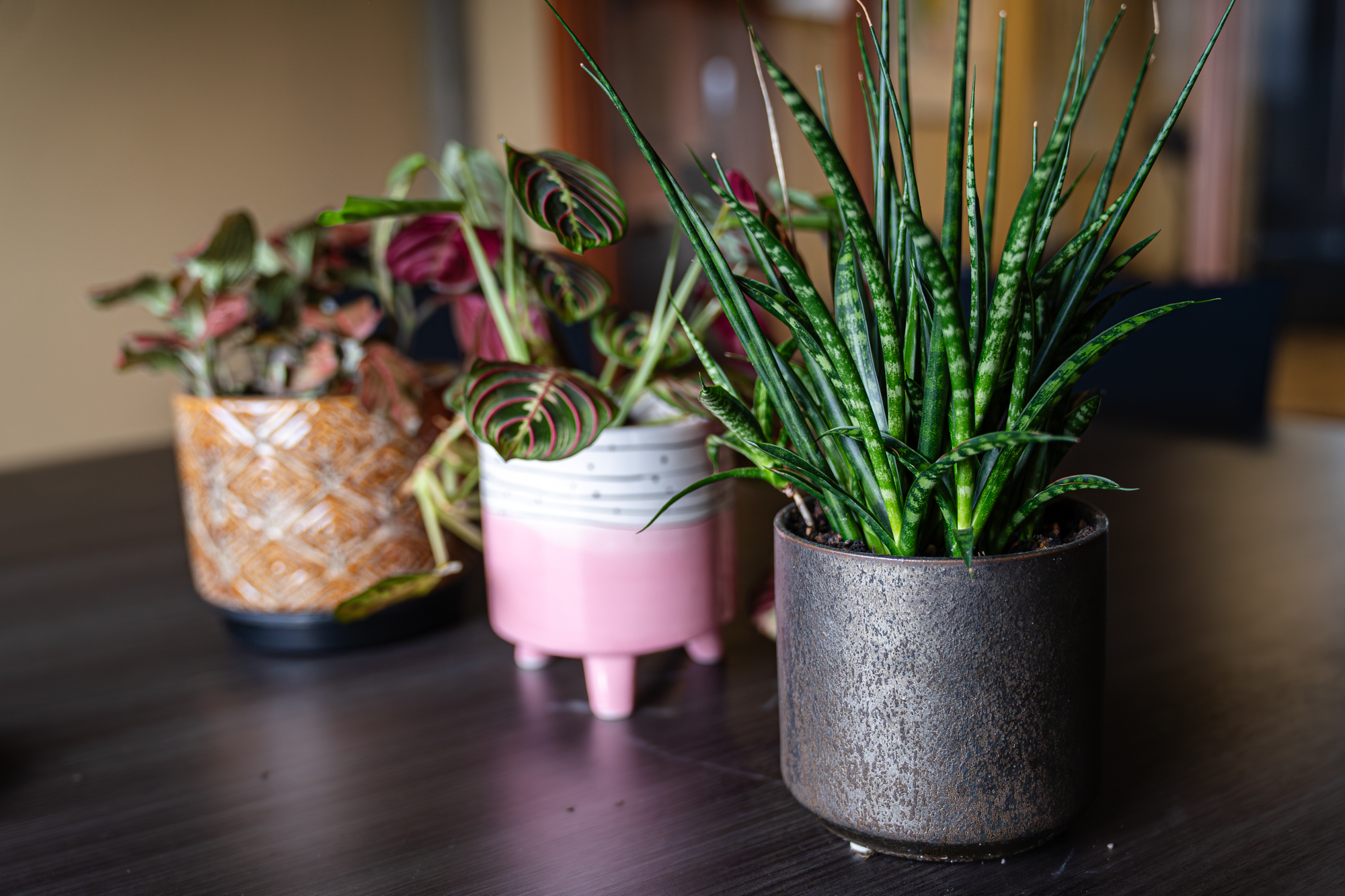
Indoor gardeners aren’t affected by the change of seasons. If it’s cold, turn up the heat. If it’s dark, use better lighting. Indoor garden gadgets include grow-lights, heating pads, trays, shelving, fans, watering systems and many other clever devices. Advice on how to use them is readily available in nurseries, hardware stores, online, or ask a Master Gardener at your WSU Extension. Experienced indoor gardeners regularly turn small indoor spaces into amazing mini-greenhouses.
Ideas for indoor gardening
Plant choice matters for indoor gardening. Is your space sunny or dark? Moist, dry, warm or cool? How much time and patience do you have? How much tolerance for fussy details? Can you protect furniture and floors from accidental water runoff? Are you looking for simple, green home accents or do you want to demonstrate gardening prowess? Local nursery staff can help advise which house plants are right for which kinds of environments and how to help them thrive.
For instance, African violets bloom in beautiful colors and require very little space. My grandmother introduced me to them as a bored teen and I filled my room with their vibrant colors. They’re tricky to water without getting the leaves wet, but they’re so cute and fuzzy, like little kittens! Then I discovered the amazing variety of tropical plants. House plants can be addictive if you have too much time on your hands.
Unfortunately, indoor plant pests don’t have indoor predators. Expect to spend time preventing and managing pest populations. Indoor plants are prey to various kinds of pests, including a nasty one called “scale.” As a teen, I didn’t have space to quarantine and manage the little buggers — they spread fast! Plants had to be tossed; it was a hard lesson in nursery management and plant choices.
When life is busier, plants need to be easier. Try sturdy pothos and spider plants. Both are fairly forgiving if you forget to water or over-water them. They’re good beginner plants if you’re dealing with roommates who want to “help.” If you’re a busy person but like plants, focus on your favorite indoor plants, the ones you can learn to manage. Keep them for a long time and they’ll impress people as they get bigger over time.
When problems appear, use good management techniques. Quarantine the plant(s) and research the cause with the help of WSU Plant Clinics. Use the recommended option to target the specific pest involved. While I hate to give up on a plant if I’m unsuccessful, I’d toss it — regretfully — rather than endanger the rest of my plants.
When gifted with a plant like a poinsettia, and you’re unsure if you can care for it, enjoy its beauty — for a while. Remove the foil wrapper so it doesn’t get soggy on the bottom and give it a big enough saucer to drain adequately. Place it in good lighting, water attentively, make sure it dries out in between waterings and doesn’t stay wet. Find it a home before it develops a problem and let someone else enjoy it for a bit. Poinsettias need a warm, sunny, dry environment to be happy. That can take a lot of work here.
Plants thrive best when you match their native conditions. Tropical plants need humidity, steady temperatures and good drainage. Steamy kitchens or bathrooms can work well. Keeping a tea kettle or crockpot busy can provide moisture. Bright, indoor lighting simulates a tropical understory. Drafty settings can be too dehydrating.
Wild orchids live in the pockets of big leaves, attached to bark for stability; tame ones like small pots with bark settled securely around them. Watering by immersion mimics the way rain puddles, drains and settles the wood chips snuggly. For cacti, use bright lighting, low humidity and sandy soil to make them feel at home. If you can set up a reasonable approximation of a plant’s native environment, it will thrive without much attention.
Indoor gardening is a great way to build a connection to the natural world while enjoying a bit of indoor Zen. Tending a Bonsai plant offers a classic way to practice mindfulness — but any plant responds positively to attention and understanding. Your favorite indoor space could be beautiful and thriving year-round with well-planned, well-tended house plants.
Marie Metivier-DeMasters is a Whatcom County master gardener and professional writer. She lives in Bellingham in a kitchen garden filled with beds, berries and a small orchard. A gardening column will appear monthly.
Comments are closed.