
Does anyone else feel like the garden takes a back seat during the cold, dark days of winter? In the past, I’ve often put off outdoor tasks, convincing myself they could wait until spring. But by the time the warm weather rolled around, I’d always regret not being better prepared.
This year, I decided to break the cycle. Instead of letting the garden sit idle, I’ve been dedicating a few hours each week to winter chores. The results have been incredible—I’m already feeling ahead of the game and ready for a productive spring! Let’s take a look at some essential winter tasks to complete to help you hit the ground running when the growing season begins.
1. Clean and sharpen garden tools
By the time the last rays of summer fade, my garden tools look somewhat battered and bruised. An hour is all it takes to remove dirt, dust, and plant residue from tools and sharpen blades on shears and pruners. This not only makes gardening jobs easier but also helps prolong the life of valuable garden equipment.
2. Prune trees and shrubs
Many trees and shrubs should be pruned in winter, when they’re dormant. Work your way around the garden, removing dead and diseased branches, as well as any crossing branches that could rub against each other. Basic pruning will improve air circulation, encourage healthy growth, and give your plants a neat, structured appearance.
3. Plant bulbs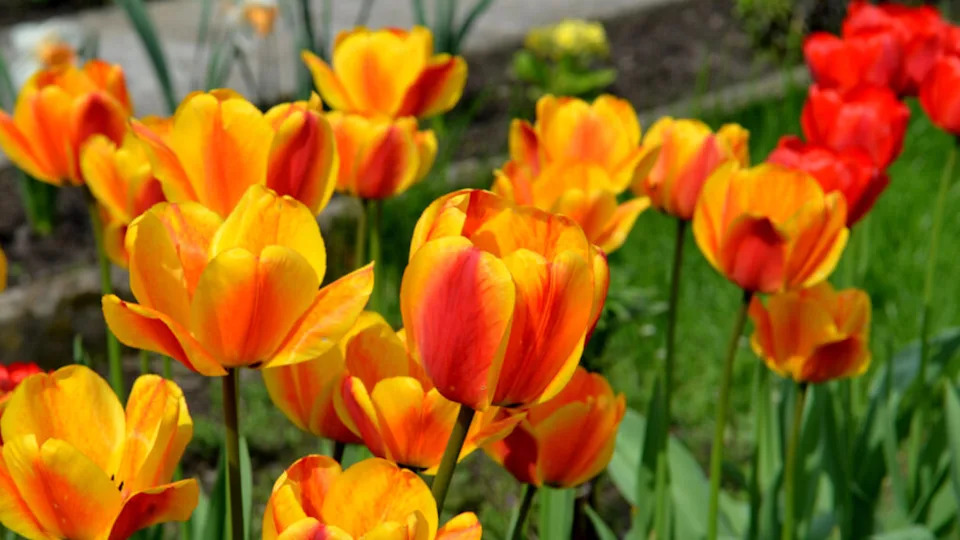
Early winter is the ideal time to plant spring-blooming bulbs like tulips, daffodils, and crocuses, giving the bulbs time to establish roots before the ground freezes. Just a little time and effort spent planting bulbs will be rewarded with a glorious burst of color in the spring.
4. Divide perennial plants
Dividing perennial plants is like printing free money – you not only make space in your garden but also gain spare plants to grow elsewhere or share and swap with friends and family! Splitting overgrown plants improves air circulation and rejuvenates the plant, reducing the risk of pests and diseases the following season.
5. Inspect and repair garden fencing
If wildlife like deer, opossums, squirrels, and rabbits are a problem, winter is a great time to reinforce your fencing. Look for loose panels, sagging sections, or gaps where animals could enter.
6. Add organic matter to garden beds
Organic matter, such as compost or well-rotted manure, improves soil structure, increases nutrient content, and enhances drainage. Spreading a thick layer over your garden beds in winter will give your plants the best start when they begin growing in the warmer months.
7. Test soil pH and nutrients
During winter, use a soil test kit to test your garden soil and check for any imbalances or deficiencies. This will allow you to amend your soil with pH adjusters or add specific fertilizers that ensure your plants will thrive come spring.
8. Clean and store garden pots
This is a task I’m very guilty of neglecting – leaving used garden pots scattered all over the garden! Twenty minutes was all it took to collect them from around the garden, give them a quick clean, and stack them in my potting shed, ready for the spring.
9. Clear debris from garden beds
Go carefully with this task, as a pristine garden leaves no hiding places for beneficial insects! Remove fallen leaves, dead plants, and debris from your garden beds, but leave a few wild areas for pollinators and other creatures to hibernate through the winter months.
10. Plan your spring garden layout
When the weather is too miserable to go outside, take some time to plan for your spring garden. This is a great time to consider whether your garden layout would benefit from any changes and ensure you are making the most of the available space.
11. Harvest winter crops
Leafy greens like chard, kale, and cabbage will grow steadily in even the coldest weather, and root vegetables such as carrots and parsnips can be left in the ground until harsh frosts arrive.
12. Check and clean watering systems
When your garden beds are empty, take a moment to inspect your watering systems for leaks, clogs, or any signs of wear. This is also a great time to set up new irrigation systems before spring crops are planted.
13. Maintain cold frames and greenhouses
Clean the glass or plastic panels of cold frames and greenhouses to allow maximum sunlight to reach your plants, and repair any cracks or gaps in the structure to keep pests out and retain warmth.
14. Repair garden structures
Check garden structures, such as sheds and trellises, for damage from winter weather, and reinforce or replace any weakened sections to ensure they are sturdy enough for spring use.
15. Plant perennial vegetables
Winter is the perfect time to plant perennial vegetables, as their roots can become well-established ahead of the spring growing season. My favorites are asparagus, rhubarb, and artichokes, all of which return year after year with ever-increasing yields.
16. Start seeds indoors
Get one step ahead by starting slow-growing seeds indoors in a propagator or on a warm, sunny windowsill. I always start chili pepper and eggplant seeds in the depths of winter, as these are notoriously slow-growing and need plenty of time before they can be planted out in their final growing position.
17. Improve garden paths
Garden paths can be overlooked during the busy summer months, so take a moment in the winter to repair damaged steps and level out eroded areas.
18. Remove invasive weeds
Annual weeds die back during the winter months, leaving the way clear to carefully trowel out invasive perennial weeds like bindweed and creeping jenny.
19. Organize seed storage
Check through your seed collection, remove any that are no longer viable, and organize the remainder for the growing season ahead. I also like to write out plant labels in the winter, saving me time during the busy spring sowing period.
20. Update garden journal
My favorite winter task, particularly on a blustery day when outdoor jobs are on hold, is to update my garden journal. Take a moment to update your journal with notes on what worked and what didn’t last season, and record any observations about plant performance, weather conditions, and pest issues.
Comments are closed.