
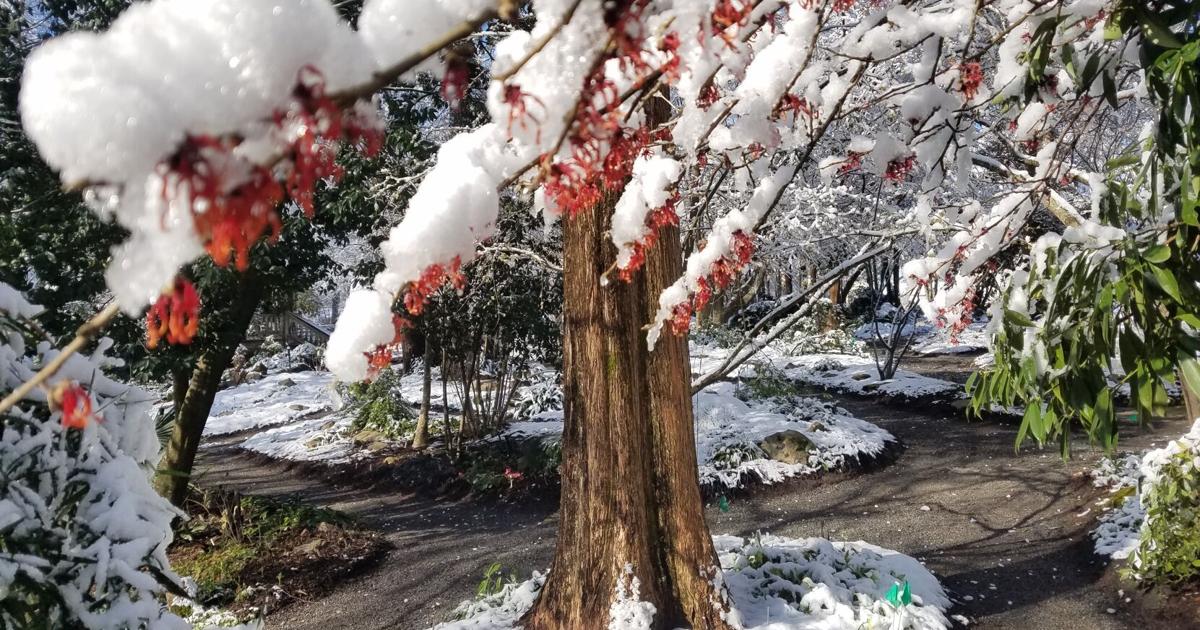
December 21 marks the Winter Solstice—the longest night of the year. For many cultures, this is a spiritual turning point, but for a gardener or farmer, it marks the heart of the “Persephone Days.” While the world outside looks frozen and still, this period is actually the most critical time for reflection and preparation. By understanding the rhythm of the light, we can better prepare our landscapes for a productive and resilient 2026.
The Myth Meets the Science
In Greek mythology, Persephone was the goddess of spring and the daughter of Demeter, the goddess of the harvest. When Persephone was abducted by Hades to the Underworld, her mother’s grief caused the earth to wither and go cold. Eventually, a deal was struck: Persephone would spend the darkest months in the Underworld and the rest of the year on Earth. Her annual return represented the rebirth of nature.
While the Greeks used this story to explain the changing seasons, modern horticulturists use the term “Persephone Days” to describe a specific biological threshold: the period when there are fewer than 10 hours of daylight.
In North Carolina, this “underworld” period begins in late November and lasts until early February. Most plants require at least 10 hours of light to actively photosynthesize. During these weeks, growth essentially stops. Your kale and carrots aren’t dead; they are in “cold storage,” waiting for the light to return. By early February, when we cross that 10-hour threshold again, the biology of the soil “wakes up.” This is the biological return of Persephone, and as gardeners, we need to be ready for her arrival.
Garden Planning for 2026
Because growth is at a standstill in December and January, it is the perfect time to conduct a seed audit. Check your remaining packets from 2025 and test their germination by placing a few seeds in a damp paper towel. As you look toward 2026, prioritize “climate-resilient” varieties that can handle the erratic “swing” weather—sudden heat waves or late frosts—that we’ve seen more frequently in recent years.
If you are planning a vegetable garden, the best time to begin planting a late winter crop outside is early to mid-February, just as the Persephone Days end.
We always have to suggest getting a soil test before planting a new area, so you know what you need to add. If you haven’t tested the soil, it is $4 per sample at the NCDA State Soil Lab. You can pick boxes and sample forms up at the Extension Office, and we can help you interpret the results when they return!
It is important if you are growing vegetables in the same area to avoid planting the same crops in the same spots. If you grew tomatoes in “Bed A” in 2025, plan to move them to “Bed B” in 2026 to prevent soil-borne diseases. The general recommendation is a three-year rotation, so it is best to have at least three “areas” to rotate different crops through so the areas don’t build up diseases.
If growing in pots, remember they freeze faster than the ground. Have frost blankets ready for when temperatures dip below 28°F.
Early to mid-April is the earliest you can get your warm-season crops (like tomatoes and peppers) in the ground. However, your “permanent” landscape requires earlier attention.
You should plant your fruit trees and shrubs before mid-February. Most fruit trees require a specific number of “chill hours” (time spent between 32°F and 45°F) to set fruit later in the year. Planting early ensures they get the winter chill they need (although many fruit stock comes pre-chilled by growers).
Native pollinator plants can be planted anytime before mid-May, but try to get large trees and shrubs in the ground before mid-March. This allows them to establish a root system before the intense heat of a North Carolina summer arrives.
Grow With Us
The quiet of the Persephone Days is the best time to sharpen your tools and your skills. NC Cooperative Extension — Lee County Center has several class opportunities in early 2026 to help you make this your best growing season yet.
You can check out our website at https://lee.ces.ncsu.edu/events/ for more information and to register for upcoming programs. Let’s make 2026 a year of growth, starting with the return of the light!
Amanda Bratcher is the horticulture agent with NC Cooperative Extension- Lee County Center. You can reach out to the office at 919-775-5624 for more information or questions regarding this article, but also any other questions about your garden, farm, land or plants! We’re here to help!
Comments are closed.