
Key Points
Heavy snow can harm many plants; protecting your garden helps keep shrubs, flowers, and evergreens healthy all winter.Preparing early—by removing debris, watering thoroughly, and adding mulch or covers—helps your plants withstand snow and freezing temperatures.After storms, gently brushing snow from branches keeps shrubs and evergreens from bending or breaking under heavy weight.
Heavy, wet snow is an unavoidable part of winter in much of the country. While it is natural, it can still cause damage to your flower garden, shrubs, and evergreen plants. Fortunately, there are several methods to shield your garden from heavy snowfalls. We consulted master gardeners and horticultural experts to discover the best ways to safeguard your garden during a snowstorm, insulate your soil and roots to keep them healthy over winter, and remove snow from plants so they can withstand the cold for the remainder of the season.
Plants Most at Risk From Heavy Snow
Many plants and flowers found in gardens across the U.S. are vulnerable to heavy snowfall due to their structure and tenderness. Evergreens such as hemlocks and cedar, as well as early-blooming flowers like azaleas and bougainvillea, are at risk of damage when heavy snow is forecast, according to Emily Scott, master gardener and owner of Scott Farm.
Plants with large or flat leaves are also at risk if wet, heavy snow builds up on them. The weight can cause branches to snap, says Lynne Holland, a horticulture professional at the University of Maine Extension. Shrubs with foliage concentrated at the top are especially susceptible because the snow exerts pressure that can split the plant.
Poorly pruned plants and those with horizontal branches are also vulnerable to damage from heavy snow or ice, according to Laura Irish-Hanson, a horticulture educator at the University of Minnesota Extension.
Preparing and Protecting Your Garden Before a Snowstorm
Before the heavy snowfall begins, there are preparation tasks you can complete to protect your garden.
Tidy, Water, and Insulate
Scott suggests cleaning up any branches or debris and pruning dead leaves and flowers throughout the season. In addition, make sure your plants are well-watered and protected with mulch, straw, or landscape fabric to create a thick barrier against frost and snow.
Cover Vulnerable Plants
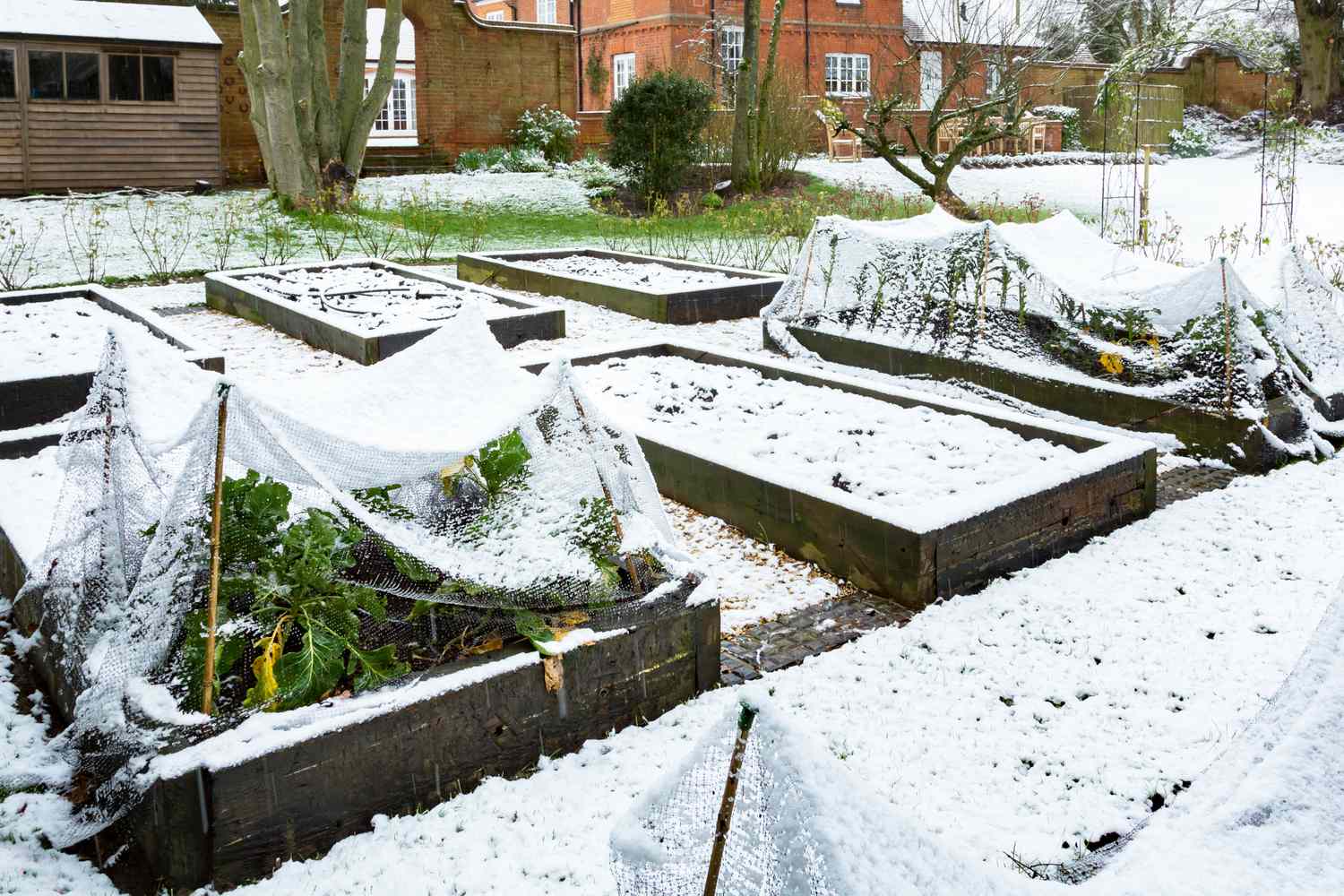
Heavy bed sheets, comforters, or burlap can be used to cover your plants and flowers to protect them from the snow and frost. “Tender plants in pots should be brought inside or to a sheltered area to protect them from the elements,” Scott says. “This type of preparation can be used in any region to protect plants from frost or snow.”
Use Physical Protection
If you live in a region that regularly experiences heavy or wet snow, consider building a physical structure to protect your plants. Snow can accumulate on your roof and slide off onto your garden, causing permanent damage. Holland recommends using a sturdy wooden A-frame to cover the plants, or a similar structure for gardeners in colder climates who frequently endure heavy snowfall.
“Some plants may only need to be bound together so that the snow can’t get inside and force them apart,” says Holland. You can do this by wrapping the tree in a strong material and tying it so it’s secure during harsh weather conditions.
Insulating Soil and Roots Ahead of Heavy Snow
One way to keep your soil and roots insulated during the winter is to apply a thick layer of mulch or straw, about 3 to 5 inches deep. If you use mulch, avoid letting it touch the plant stems to reduce the risk of root rot.
Snow can also act as an effective insulator, keeping the soil and roots at a relatively consistent temperature, according to Holland.
“Snow is one of the best insulators for soil and roots; it is not going to harm the plants,” says Irish-Hanson. It benefits the plants by slowing down soil freezing, maintaining more consistent temperatures around plant crowns, and protecting evergreens from the dry winter wind.
Safely Removing Heavy Snow From Plants
After a heavy snowfall, check your shrubs and evergreens to see whether any branches are bending and determine if snow removal is necessary. Avoid shaking the branches, as this can cause them to crack. Instead, gently brush snow off the lower limbs with a broom or soft brush and work your way up the plant, Irish-Hanson suggests. If you can’t remove all the snow, that’s fine—it will naturally melt within a day or two.
Comments are closed.