
Dennis McNamara
| Special to MyCentralJersey.com
At the Rutgers School of Environmental and Biological Sciences (SEBS), there are personnel dedicated to providing the most accurate, up-to-date agricultural data to America’s farming sector.
One area that we are focused on at the Specialty Crop Research Center in Cream Ridge is the study of conifers. By evaluating the environmental and genetic aspects of various conifer species, we provide the nurserymen and Christmas tree growers a smart, sustainable strategy for growing healthier trees.
Presently, there is a significant market growing Christmas trees in New Jersey with over 5,000 acres of land dedicated to growing the trees, particularly the “choose-and-cut” farms. But that market trend is declining due to various economic pressures. As New Jersey sits between the major metropolises of New York City and Philadelphia there is a squeeze for development of acreage. So, if the farmer is to resist succumbing to the pressures of housing development, how does the tree farmer in New Jersey continue to make a living?
While Christmas tree growers certainly know their evergreens, identifying new revenue streams may be necessary for them to continue staying in business. One such potential moneymaker for the nurserymen may be in the business of growing and promoting bonsai trees.
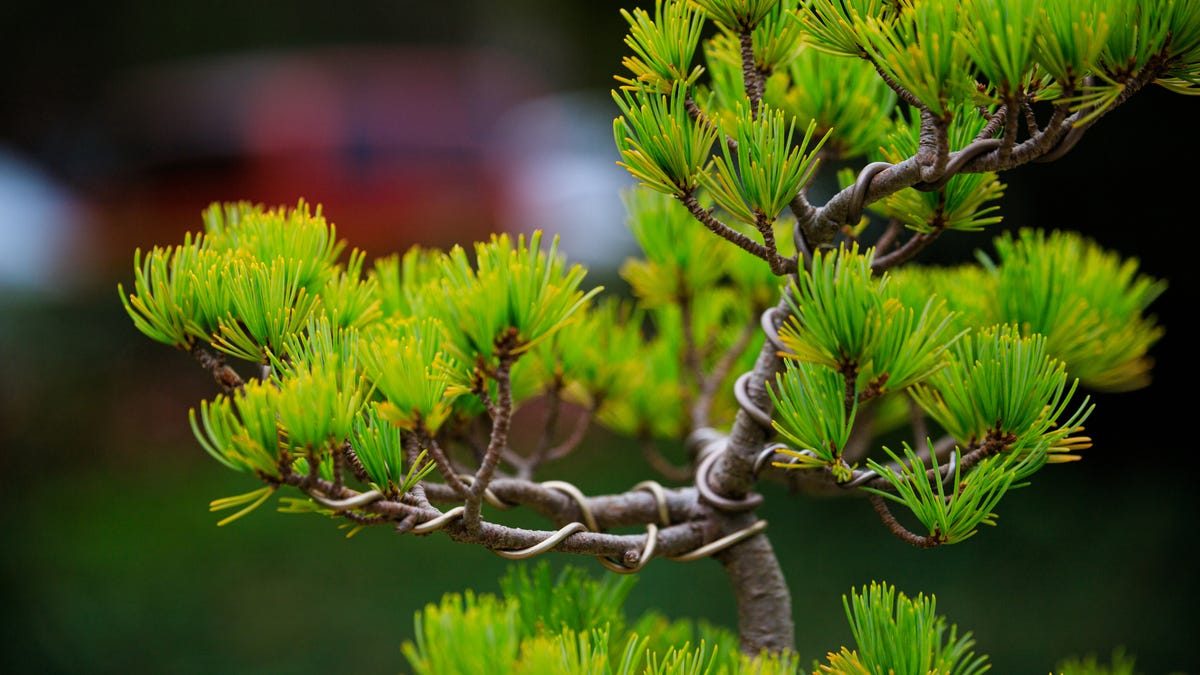
Bonsai trees are not genetically dwarfed; they are regular trees meticulously pruned and shaped to resemble full-sized trees, creating miniature landscapes in pots. Bonsai trees are a special commodity because they are living art, miniaturizing mature trees to symbolize nature’s balance, harmony, and simplicity that bring tranquility and a connection to nature indoors.
Yes, growing bonsai is a specialized knowledge that would require leveraging the existing knowledge with developing new skills, and a new marketing strategy. But with trees that can fetch as much as $50 for starters to well over $1,000 for mature trees, there is a significant potential for a strong year-round income. The grower already has the land and basic equipment in place, reducing a major initial startup cost and Christmas tree species like pine and spruce are both excellent for beginner bonsai.
Along with developing the bonsai infrastructure on the farm, a savvy grower would also need to research the demand and competition for the market. The grower already has an existing customer base for the Christmas tree. Adding a strong online presence via website or social media would announce the farms’ bonsai operation to the customer base along with the whole metropolitan area and beyond.
In Monmouth County there exists a potential partner in the world of bonsai – The Deep Cut Bonsai Society. Throughout the year they conduct demonstrations and invite guest Bonsai professionals from around the world to conduct workshops for their members. For a Christmas tree grower to team up with a club like the Deep Cut group can be a great way to connect with a target market of local bonsai enthusiasts. It could also provide the opportunity to offer supplies that may not be readily available, like specialized bonsai soil, pots, wire and tools not typically carried by the big box stores.
Although many of our studies at the Cream Ridge farm involve native tree and shrub species, in the conifer study, conducted for the Christmas tree trade, we have several non-native species. Some are from the western parts of North America and other species from Asia and Europe. The study is looking at various growth traits along with those that offer disease and pest resistance.
There are Master Gardeners that volunteer their time helping us with the various horticultural projects we are involved in on the farm. On one particular day I was working side by side with one such Master Gardener, Brian Cairns. Brian had a particular attraction to our conifer study and wanted to know more. As many Master Gardeners are retirees, I learned that Brian is a retired airline pilot. He also described being hit with the “bonsai bug.”
Brian related an experience that motivated him to become a Master Gardener. He found a maple tree seed, placed it into a pot of soil and was pleasantly surprised when the seed sprouted. From that simple experience Brian wished to expand his learning about growing trees, so he enrolled in the Monmouth County Master Gardener program and is still learning about botany and horticulture.
Master Gardeners that come out to Cream Ridge can adopt one of the many species growing there. The training they are given to become Master Gardener gives them insights into potential problems that may occur with plants. By adopting a certain plant, it helps us to catch a problem early that we may have missed with our own field surveys. This year Brian adopted a Korean fir.
To all plant enthusiasts, I highly recommend the Master Gardener program. It is an incredibly rich experience that touches on many different aspects of horticulture. You too may get hit with a “bug” like Brian.
The Deep Cut Bonsai Society is at deepcutbonsaiclub.org.
Dennis McNamara is an agriculture program associate at the Rutgers Cooperative Extension of Monmouth County.
Comments are closed.