
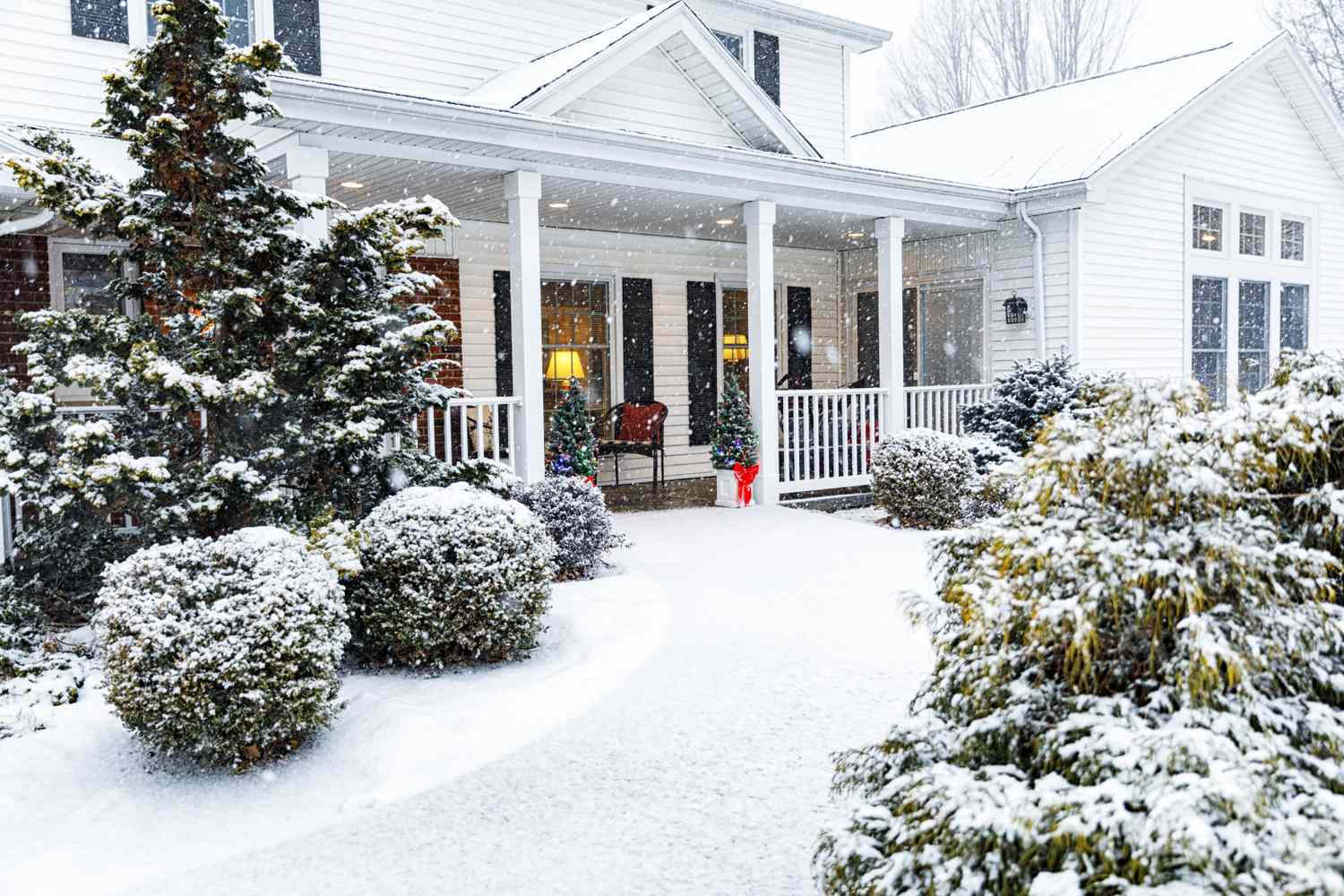
While the rest of the garden sleeps, broadleaf evergreen trees and shrubs bring much-needed color to the winter landscape. These plants continue to shine despite harsh winter winds, bitter cold, and ice—all of which put these plants at risk for winter injury. Evergreen foliage is susceptible to damage from drying winds, prolonged dry spells, and fluctuating temperatures. While we can’t control the weather, we can take steps to minimize winter damage. You can keep winter injury to a minimum through careful plant placement and by following simple plant maintenance practices.
Understanding Winter Damage To Evergreens
Evergreen plants continue to use water for photosynthesis throughout the winter months and lose moisture to evaporation and transpiration. When plants lose water faster than the roots can replenish it, the plant becomes desiccated. This leads to discoloration of foliage, particularly on branch tips, a type of damage called winter burn. Damaged foliage appears reddish-brown, yellow, or gray-green in color.
Winter burn commonly occurs when high winds or temporary warm weather cause plants to give off an unusually high amount of moisture. Extended dry periods can exacerbate the problem. Likewise, when excessive water loss occurs during times when the soil is frozen, plants may not be able to take up enough moisture to counter the loss.
Fluctuating temperatures and intense winter sun can also cause plant damage. During warm weather, water moves through the plant stems to supply the foliage. This water can freeze when temperatures drop below freezing. Since freezing water expands, it can cause plant tissue to split, which is visible as cracks along stems and branches, though damage might not be visible right away. This bark splitting is the most severe type of cold damage as it can cause entire branches to die back.
Avoid Winter Damage Through Proper Site Selection
Many broadleaf evergreens benefit from a sheltered planting site, particularly one protected from drying winter winds. Plant susceptible species along a fence or against the east and south walls of the home and move potted plants to a sheltered location such as on the porch. Wind protection can go a long way toward reducing winter damage. For plants in exposed sites, a temporary shelter can be erected on the windward side of plants using snow fencing or by stretching burlap between stakes. Extend the wind break the full height of the plant and all the way to the ground.
We can also reduce the damage caused by temperature fluctuations though plant placement. Freeze-thaw damage such as bark splitting and even leaf burn tend to more more severe damage on plants sited in full sun. This is because the sun warms water inside plant tissues during the day, only to have them freeze again at night. Siting plants in partial shade can reduce this problem.
Prepare Evergreen Plants For Winter
Managing soil moisture, both during the growing season and throughout the winter months, is a critical step in preventing winter damage. As winter approaches, make sure soil moisture is adequate. After a few light frosts in fall, irrigate shrubs deeply and apply a layer of mulch to regulate soil moisture. Mulch also helps reduce fluctuations in soil temperature which protects the roots and plant crown.
Continue watering as needed during the dry winter months. Monitor weather conditions and water during extended dry periods or about one to two times per month. Only irrigate when the air temperature is above 40˚F. Water at midday, after temperatures have warmed but early enough to allow the water enough time to soak in before possible freezing at night.
Adequate soil moisture also protects plant roots during cold snaps because moist soil hold more heat than dry soil. Keep an eye on the weather forecast. If extreme cold is expected, be sure to irrigate all plantings (deciduous ones too!) at least 24 hours before hard-freezing weather arrives.
Prepare For Weather Extremes
While USDA winter hardiness ratings help us plan for normal or average winter weather, they are not a guarantee against damage due to unexpectedly cold temperatures. Even the most cold-hardy plants can be damaged by extreme weather. When temperatures are predicted to drop below normal lows, take the time to give tender evergreen shrubs a little extra protection. Cover plants with burlap, sheets, blankets, or horticultural fleece to provide insulation and trap heat radiating from the soil. Be sure to extend the cover all the way to the ground. For the best protection, use a frame (such as tomato cages or bamboo poles) to prevent the covering from touching the plants.
Prevention is key to keeping evergreen shrubs looking their best through winter. Though much of the landscape may look dormant, evergreen plants are still active. Pay attention to how much rain or snowfall has accumulated each month and keep an eye on soil moisture. With thoughtful plant placement and proper care, you can prevent winter damage and keep your plants healthy all year round.
Comments are closed.