
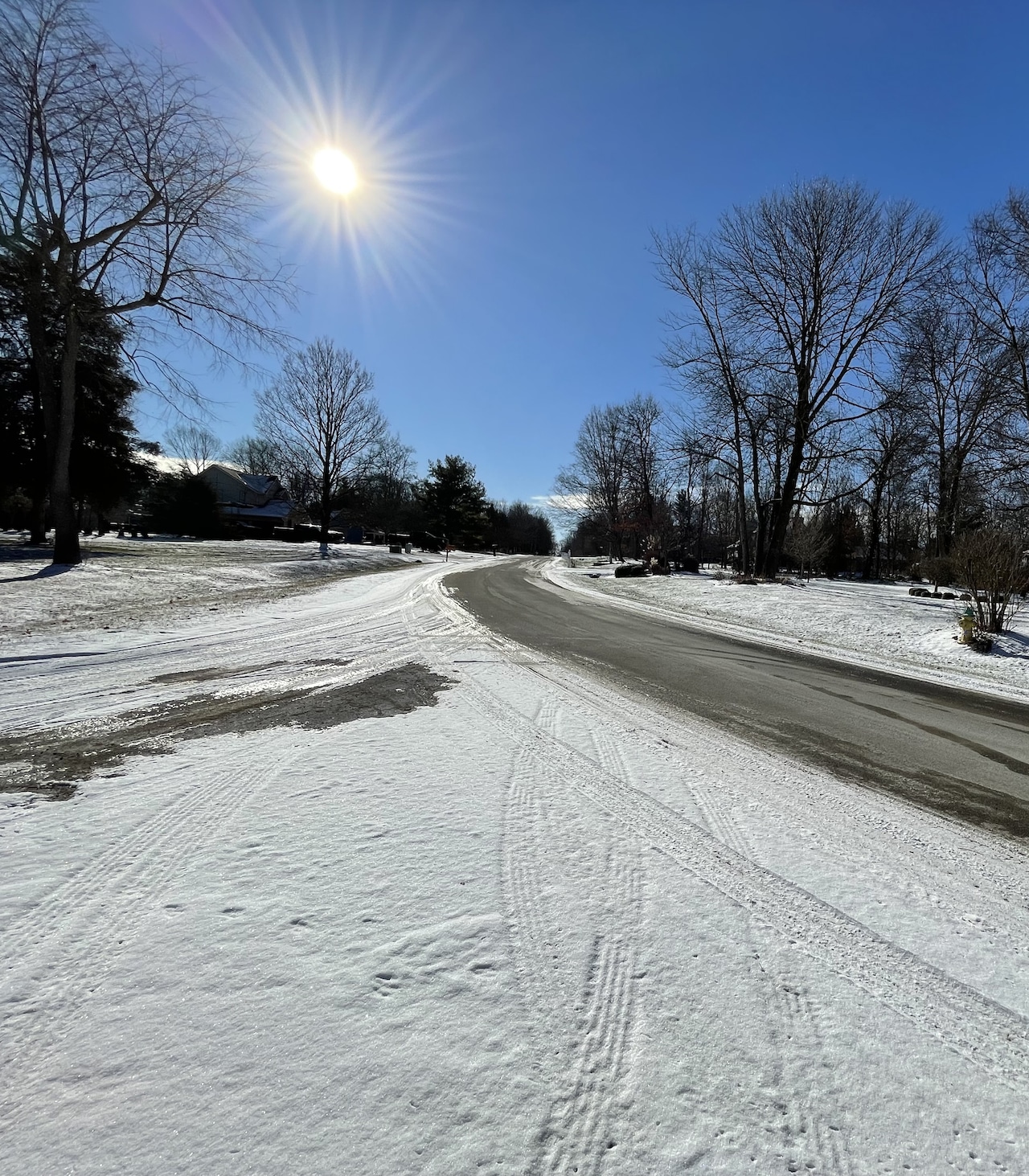
CLEVELAND, Ohio — The winter solstice usually arrives quietly in Northeast Ohio, slipping in between lake-effect snow squalls and gray afternoons.
Around December 21, we experience the shortest day and longest night of the year. For gardeners, it can feel like a low point. Beds are bare, trees look lifeless, and the growing season seems impossibly far away. But beneath frozen soil and dormant bark, the solstice marks a turning point.
From a plant’s perspective, the winter solstice is about light, not temperature. Day length, or photoperiod, is one of the most reliable signals plants use to time their growth cycles. As we humans know all too well, air temperatures can swing wildly from year to year, but day length is very predictable. By the time the winter solstice arrives, plants and trees in our region have already responded to weeks of diminishing daylight by entering dormancy.
Dormancy is a carefully regulated slowdown. In deciduous trees, leaves have long since dropped, reducing water loss and preventing damage from snow and wind. Within tree buds, next year’s leaves and flowers are already formed, tightly wrapped in protective scales. Perennial plants have pulled energy back into roots, rhizomes, or crowns in the form of carbohydrates that will fuel spring growth. Even dead annuals have left behind seeds that require winter conditions to complete their life cycle.
Many trees, shrubs, and perennials actually need a certain amount of chilling time to reset their internal clocks. Without enough cold exposure, buds may open unevenly or not at all in spring. Species like sugar maple, serviceberry, and oak are built to withstand long periods of cold and darkness and emerge stronger when days lengthen again.
The solstice also plays a role in the subtle preparations for spring. Although winter weather is often harsh after December, the increasing day length that follows the solstice triggers hormonal changes in plants. The plants will still remain dormant for weeks or months, but by late winter, longer days help trees and shrubs prepare for bud break, even if snow still covers the ground.
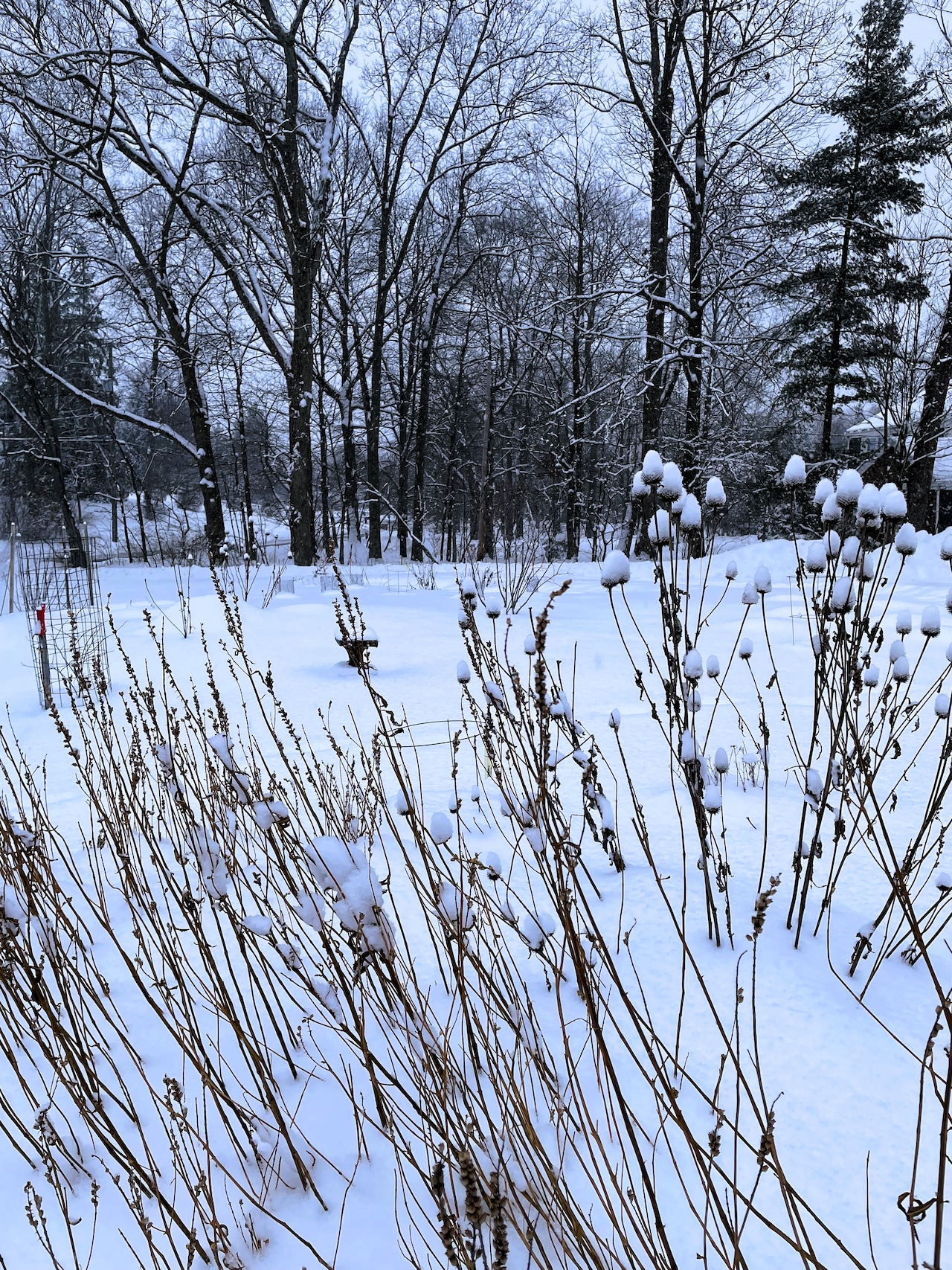 Seed heads and plant stalks, although dead, provide winter sustenance and shelter to birds and insects.Susan Brownstein
Gardeners can take comfort in this hidden activity. What looks like a lifeless landscape is, in reality, a system in careful pause.
Leaving perennial stems standing through winter helps trap snow, insulating the soil and protecting roots from temperature swings. It also provides habitat for insects and birds, many of which rely on seed heads and hollow stems to survive until spring. Fallen leaves left under trees act as a natural mulch, mimicking the forest floor and protecting beneficial soil organisms that remain active even in cold conditions.
Read all of Susan Brownstein’s columns here.
The winter solstice can also be a moment for reflection and planning. With daylight slowly returning, gardeners can assess what worked last season and imagine what comes next. This is a good time to watch how winter light moves across your yard, where snow drifts accumulate, and which areas stay protected from wind. These observations can guide plant choices and garden designs for the year ahead.
The solstice may be the darkest day, but it signals that the balance is (finally) shifting. Each afternoon that follows will stretch a little longer than the last. For plants and trees in Northeast Ohio, this gradual return of light is the first step toward renewal. For gardeners, it is a reminder that even in the depth of winter, growth is not gone. It is simply waiting.
Comments are closed.