
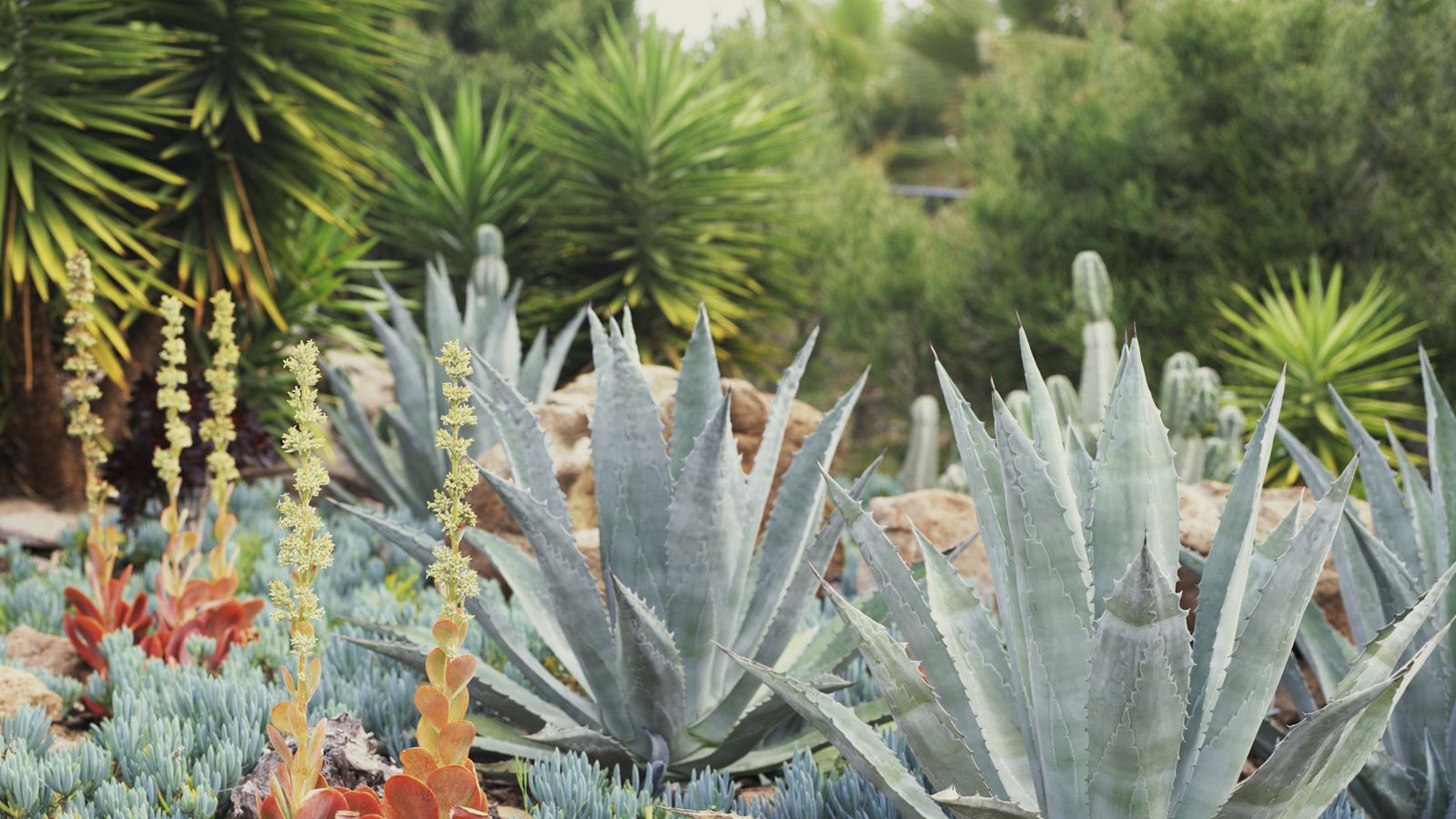
Architectural plants are like the framework of a house, providing the structure in a home landscape around which other plants can shine. But what if that house was as interesting as a Frank Lloyd Wright-esque home? Your plantings can be just as bold as any modern home.
For warmer US climates (USDA Zones 8 and above), this bodacious landscape framework can be created with plantings heavy on the bold foliage. From bananas and monsteras to cacti and grasses, landscapes needn’t rely on the seasonal offerings of flowering shrubs or the blank palettes of conifers.
If you have a not-so-warm off-season, find some of the best architectural plants to shape your winter garden here. Bold, architectural plants don’t necessarily need to be giant, but if you’re in the market for maximalist drama in your yard, these 9 plants will create instant foliage drama.
You may like

(Image credit: David Madison/Getty Images)
Sculptural, bold foliage for high-impact drama in the garden
To help identify the best plants for bold botanical statements, we spoke with three experts who shared dozens of possibilities. We’ve distilled their suggestions down to nine standout plants that deliver instant impact, structure and sculptural flair.
As you weigh your options, consider these design tips to make the right selections for your garden:
Choose non-aggressive species that don’t produce numerous offsets or baby plants to prevent a messy and dense landscape.
Select the right place for the right plant, such as a sheltered location for broadleaf foliage plant to protect them from wind.
Choose plants for statement and scale. A large specimen plant may be too big for a small space.
Mix plant forms and textures. Bold architectural forms such as cacti are softened and complemented by wispy grasses that move in a breeze.
1. Agaves
(Image credit: Gina Kelly/Alamy Stock Photo)
Reasons they work: Architectural geometry, bold silhouettes, low maintenance, drought tolerance.
You may like
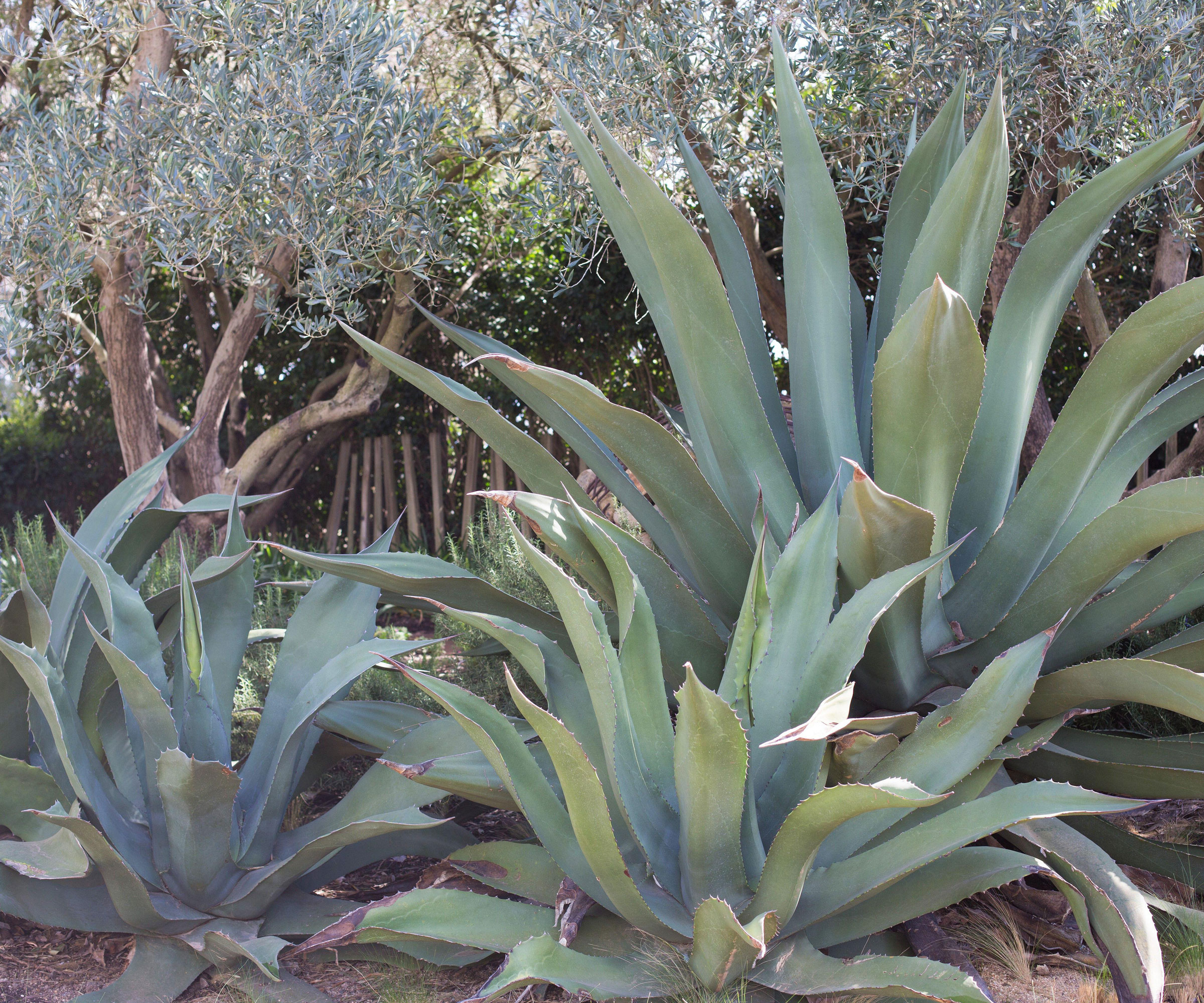
Few plants deliver power and presence like agaves. Whether you prefer a tight, symmetrical rosette or sprawling, creature-like forms, agaves are living architecture.
Kate Stickley, Founding Partner at Arterra Landscape Architects in San Francisco, California, frequently uses various agaves for rhythm, form and repetition: ‘There are so many forms of agaves, from ones that are tight, like the artichoke agave to some that really sprawl, such as ‘Jaws’.’
David Bache, sales director for Garden Industries in Loxahatchee, Florida, agrees, calling out sculptural varieties like ‘Blue Glow’ and ‘Satina,’ both largely solitary plants.
Solitary growth means they won’t clutter the space with offsets (or pups), resulting in a cleaner, more modern aesthetic. As David says: ‘Satina gets huge and it’s spectacular; you really want that one specimen.’
Agaves grow best in warm, sunny climates with fast-draining soil like sand or gravel, and can tolerate drought once established. They need at least six hours of direct sunlight daily, and thrive best in USDA zones 8-10.
You can find live Agave ‘Blue Glow’ plants on Amazon.
 Kate Stickley
Social Links Navigation
Founding Partner and CEO, Arterra Landscape Architects
After graduating from Michigan State University in 1984 with a Bachelor of Landscape Architecture, Kate practiced in Florida, the Caribbean, the South of France and finally California. The South of France is where she developed her love of Mediterranean plants and water-wise planting. She continues to draw from this foundation today, as innovative detailing and design are hallmarks of Arterra Landscape Architects, the firm she co-founded in 2002. Guiding projects form 1,200-acre ranches to small, complex city homes has fostered a fearless approach to design. Kate is a member of the American Society of Landscape Architects, and was elevated to Fellow in 2023.
 David Bache
Social Links Navigation
Nursery Director, Garden Industries
David Bache is the Nursery Director for Garden Industries, a leading wholesale nursery in Palm Beach County, Florida, specializing in exotic and tropical plants. With decades of hands-on horticultural experience, David combines deep plant knowledge with a passion for helping landscape professionals bring their visions to life. Under his leadership, Garden Industries has introduced many of its own hybrid plants, now showcased in botanical gardens and theme parks, and ships plants nationwide and internationally.
 Andrew Britten
Social Links Navigation
Technical Sales Manager for Tropicals and Foliage at Ball Horticultural Company
Andrew Britten is Technical Sales Manager for Tropicals and Foliage at Ball Horticultural Company.
2. Cacti

(Image credit: Dee Carpenter Photography / iStock / Getty Images Plus / Getty Images)
Reasons they work: Strong silhouettes; reflects light beautifully; thrives in tough, dry conditions.
From ribbed columns to twisting pads, cacti offer a unique form like no other plant group. Kate uses them as structural punctuation marks in the landscape: ‘We use a lot of cacti as accent plants and also in a pattern or repetition for a staccato kind of look.’
For lovers of color, cacti can indeed be colorful. Kate says that many of them, especially the Santa Rita cactus with its frosty burgundy tinge, can add an unexpected pop of color in a landscape in addition to the architectural flair: ‘It has a really cool burgundy hinge… that frosty burgundy.’
Cacti shine where minimalism meets drama: think gravel gardens, modern courtyards and desert-inspired planting schemes.
Cacti excel with ample sunlight, well-draining soil, and infrequent watering. They prefer warm, dry temperatures and need a period of cooler, drier conditions to encourage blooming. Perfect for USDA Zones 4 and up, depending on variety.
Amazon has live ‘Santa Rita’ prickly pear cactus available for your garden.
3. Euphorbia
Reasons they work: Architectural shape; high drought tolerance; safer and softer than true cacti.
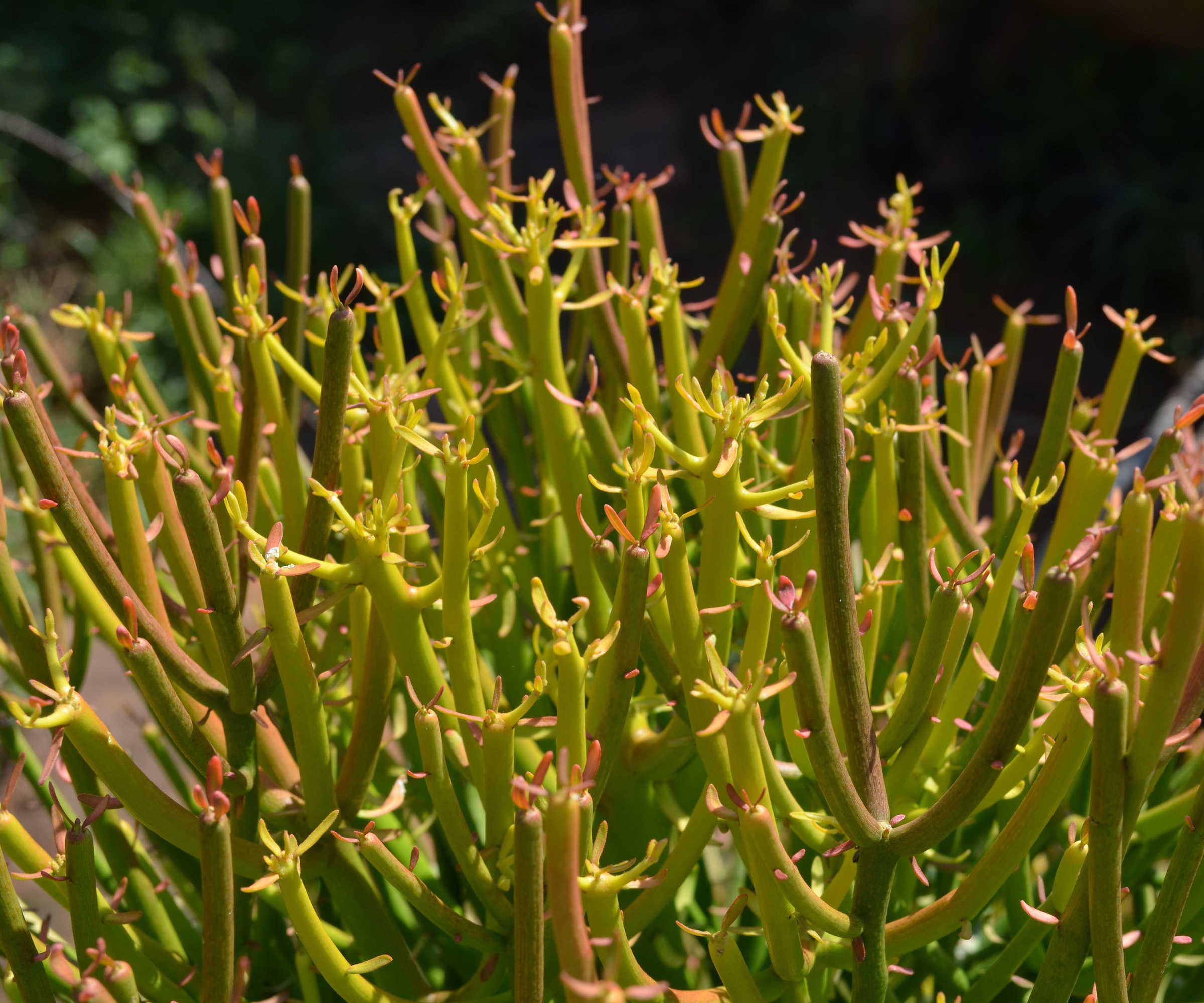
If you want sculptural form but without the spines, euphorbia offers a perfect alternative. ‘In some cases, people don’t want their landscape to look desert-like, and so rather than a spiny cactus, a euphorbia is a great way to go,’ says Kate.
This genus includes upright, cactus-like species and Kate especially appreciates the multi-trunked structural forms as ideal for modern landscapes or family gardens needing texture without thorns. She particularly enjoys the structure and color that Pencil Cactus (Euphorbia tirucalli) ‘Sticks on Fire’ brings to a design.
Grow euphorbias in full sun to partial shade in well-draining sandy or loamy soil. Most species are drought tolerant but do benefit from regular watering. USDA Zones 9-11.
You can find live plants of Pencil Cactus on Amazon.
4. White Bird of Paradise (Strelitzia nicolai)
Reasons they work: Lush, oversized foliage; fast growth; elegant architectural form.
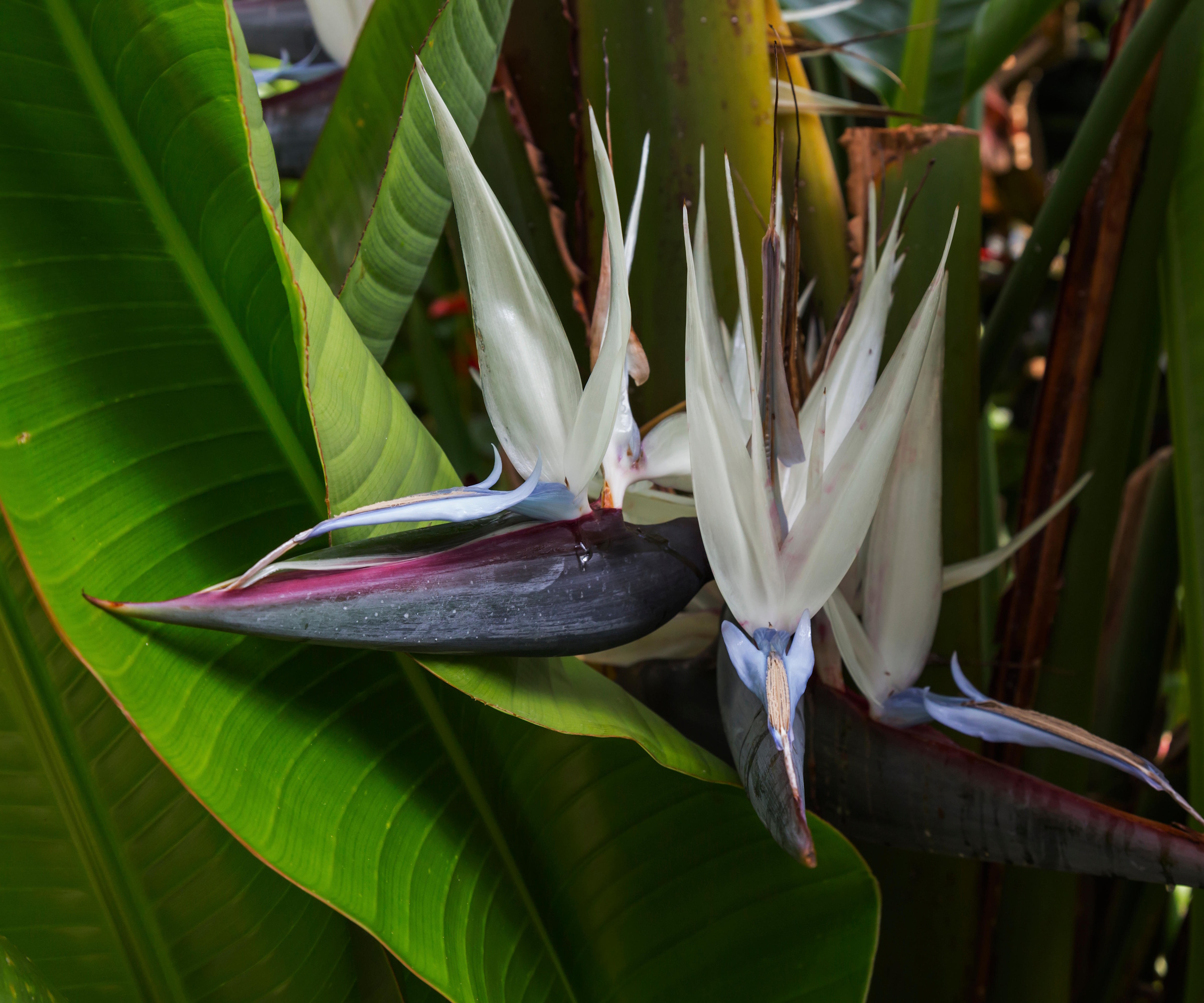
If you want immediate impact, the giant paddle-shaped leaves of the White Bird of Paradise are in order. Andrew Britten, Technical Sales Manager, Tropicals and Foliage for Ball Horticultural Company, calls White Bird of Paradise ‘a professional-looking plant,’ thanks to its elegant form and oversized foliage.
He notes its fast growth and standout blooms: ‘It has nice big leaves growing off to either side, and with its large, big white flowers, this plant becomes a statement piece pretty quickly.’ Use this plant for its ultra-tropical, sculptural look it radiates in both outdoor and interior spaces.
Grow White Bird of Paradise in bright, direct sunlight outdoors in well-draining soil with consistent watering. It does best in high humidity with temperatures between 65-80F (18-27C). Indoors, provide at least 6 hours of direct sunlight in a south-facing window. Ideal for USDA Zones 10-12.
Costa Farms is selling live White Bird of Paradise plants on Amazon.
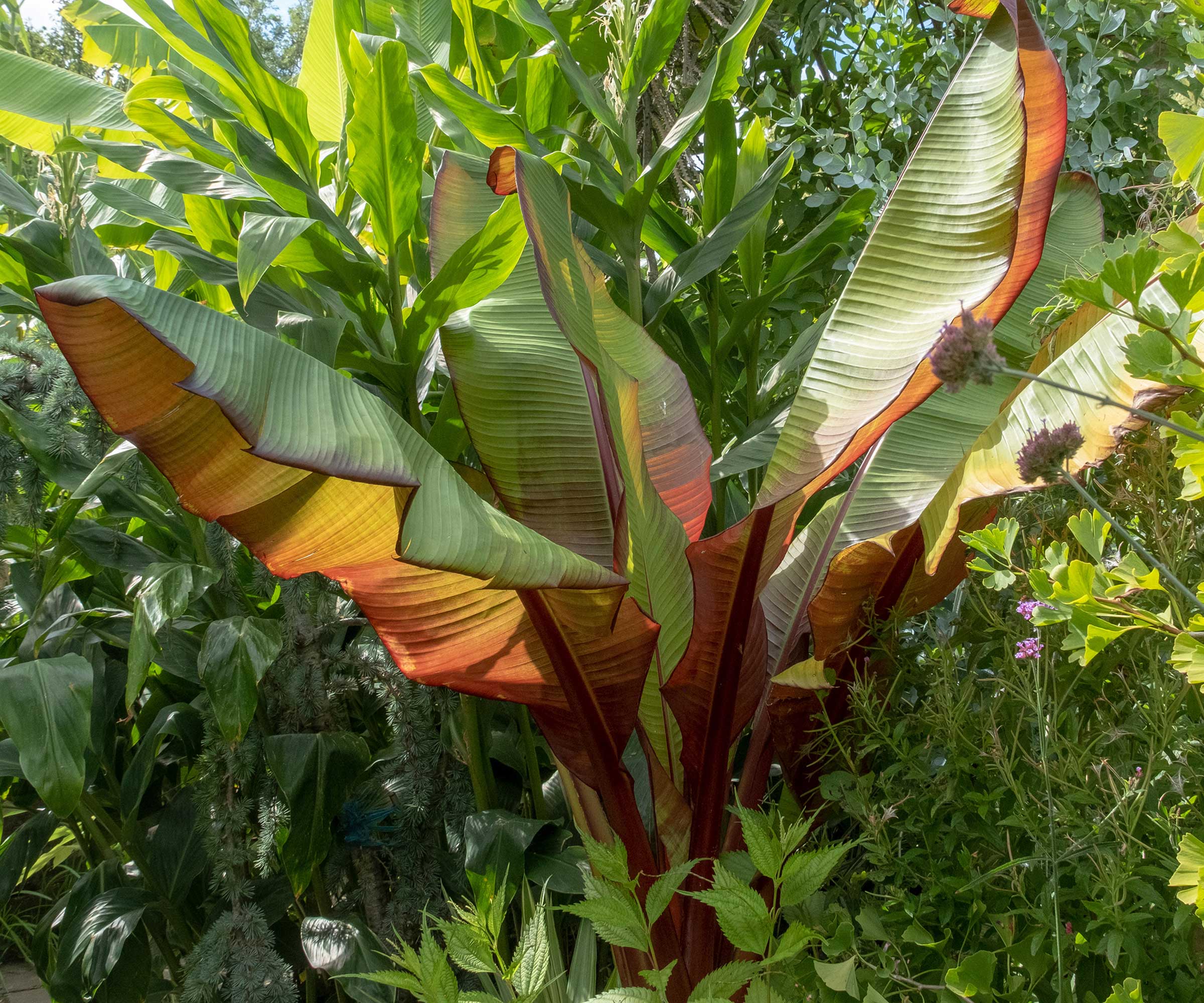
5. Abyssinian Banana (Ensete ventricosum)
(Image credit: Carolyn Clarke / Alamy Stock Photo)
Reasons they work: Huge tropical leaves; strong vertical presence; stunning color on some cultivars.
Nothing competes with the bold, glossy leaves of Abyssinian banana for instant drama and sculpture. Unlike some other bananas, Abyssinian bananas don’t form offsets easily and so are not aggressive spreaders. David values this orderliness, saying: ‘You plant one, you get only one.’
He also values its impact in the garden. ‘It’s going to grow fast and grow big,’ he explains. ‘The only kind of caveat is because they have truly huge leaves, and if it’s windy, they’ll get torn up. You really need to put it in a more sheltered location.’
Abyssinian banana prefers full sun to partial shade and rich, well-draining soil. Provide consistent moisture without waterlogging its roots. They thrive in USDA Zones 9-11.
Live plants of Abyssinian bananas are available on Amazon.
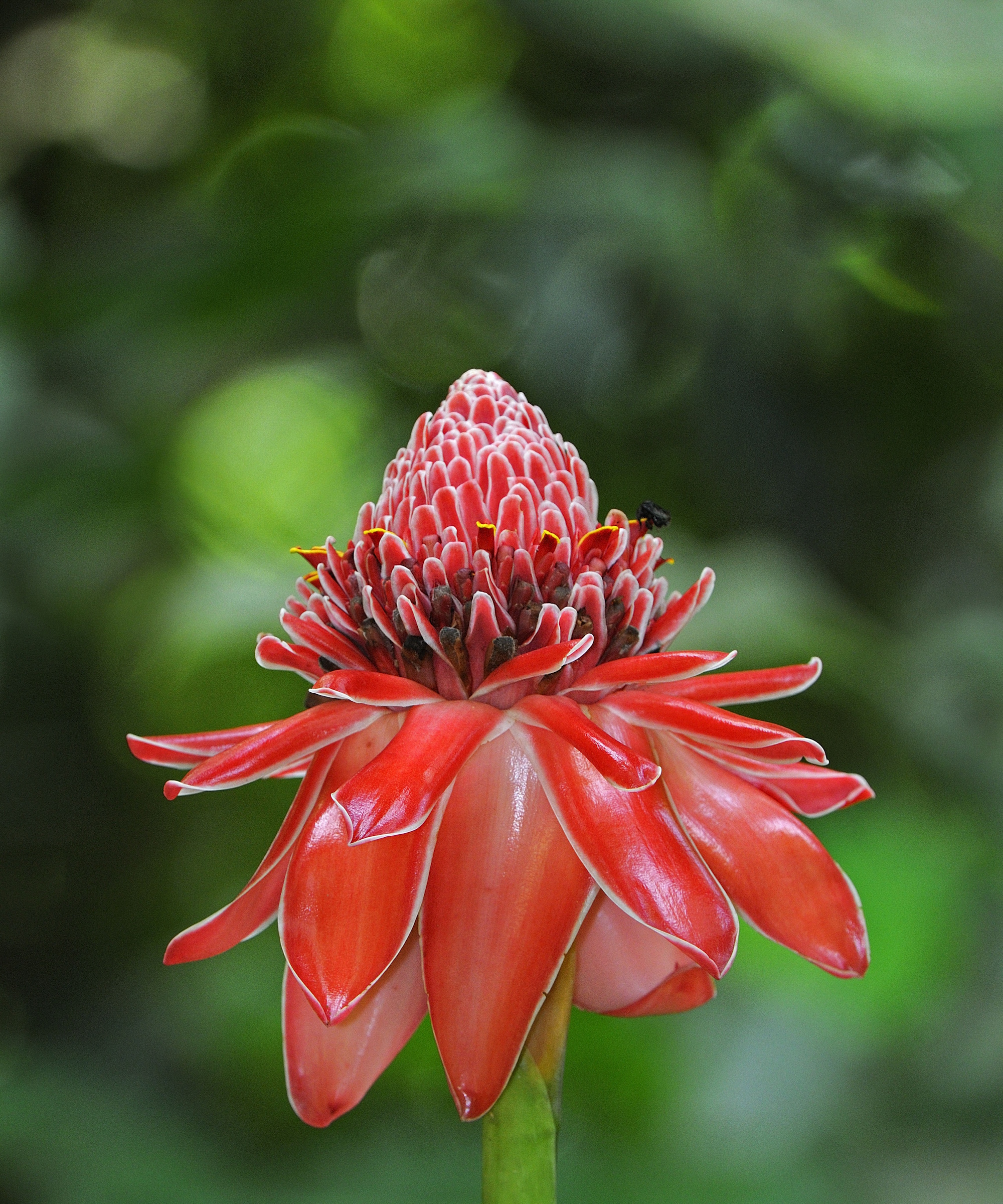
6. Torch Ginger (Etlingera elatior)
(Image credit: Alamy/FLPA)
Reasons they work: Massive size; dramatic blooms; lush, full foliage mass.
If you want towering, jungle-like drama, torch ginger delivers. David champions this bold, architectural plant: ‘They get huge; 25 to 30 ft tall. Not everyone has room for a 30 foot ginger, but it’s a big, gorgeous specimen plant.’
Beyond its towering stalks and lush foliage, torch ginger produces exotic torch-like blooms beloved by tropical gardeners and floral designers alike. It’s a living sculpture on a grand scale.
Torch ginger grows best in full sun to partial shade, and prefers consistently moist, well-drained, humus-rich soil. It thrives in warm, humid conditions and needs protection from temperatures below 50F (10C). Perfect for USDA zones 10-12.
Rhizomes of torch ginger plants are available on Amazon.
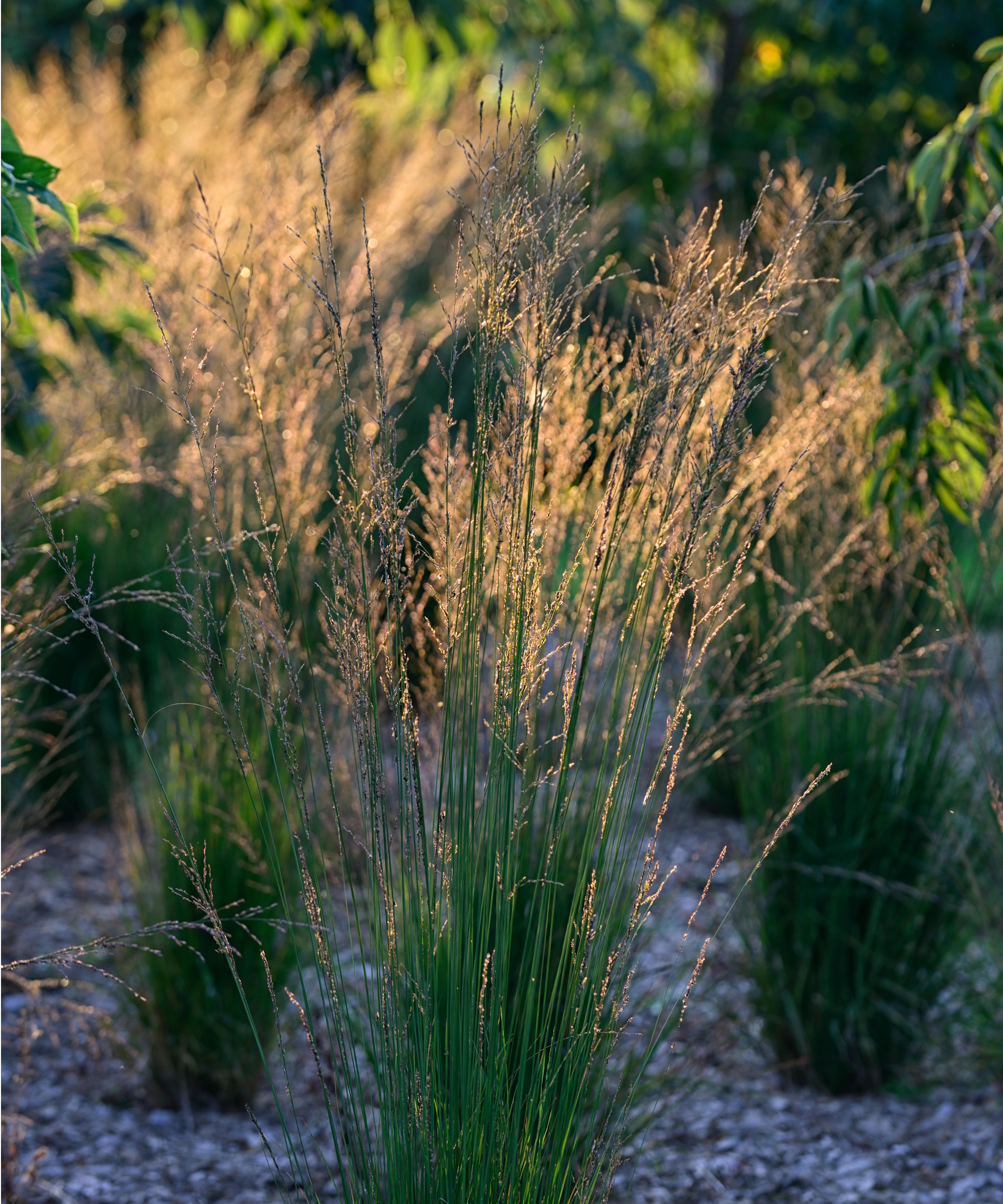
7. Grasses (various)
(Image credit: RM Floral via Alamy)
Reasons they work: Movement; texture; contrast with harder-edged succulents and structural plants.
Ornamental grasses might not sound sculptural, but the right species provide movement, texture and a striking visual presence.
Kate praised their power as companions to heavier sculptural plants: ‘Everyone loves Mexican feathergrass (Nassella tenuissima) but it can be so invasive, so we have been using Blue Gama Grass (Bouteloua gracilis) ‘Blonde Ambition’ and some of the bigger grasses such as Deer Grass (Muhlenbergia rigens) and White and Pink Muhly Grasses (M. capillaris).’
What’s great about using grasses with larger structural plants is they capture morning dew, which then captures the light, making the whole scene look shimmering.
These grasses, all ideal for low-water gardening, thrive in partial to full sun in well-draining soils. Check USDA Zones for individual species.
Pink Muhly and other grasses are available from Amazon.
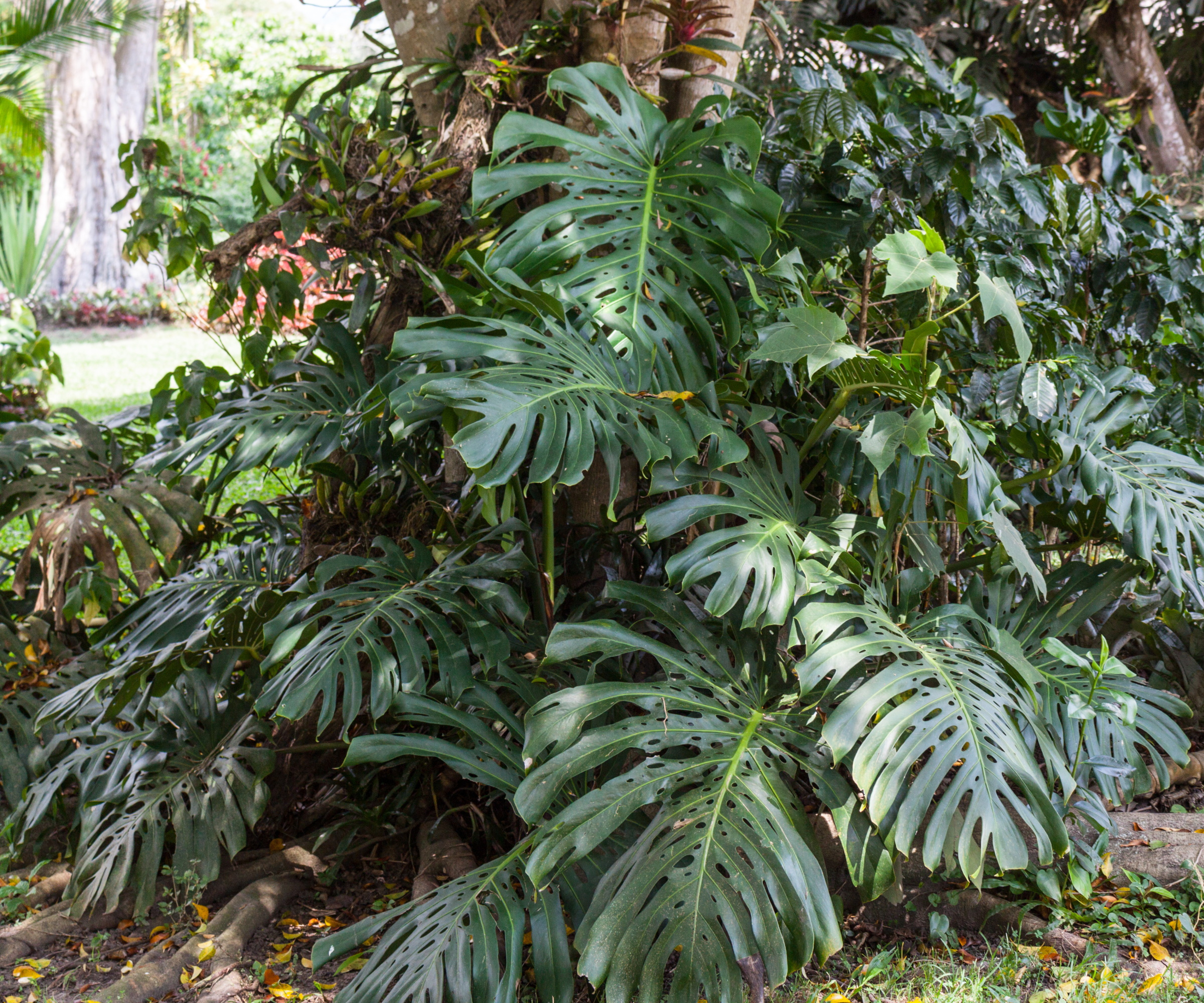
8. Monstera
(Image credit: mdurajczyk via Getty Images)
Reasons they work: Iconic leaf shape; lush tropical feel; excellent focal plant.
Monstera may be having a trending moment for indoor use, but in warm climates it becomes a spectacular landscape plant with oversized lobed leaves and a lush, tropical character.
Andrew notes the rising popularity of variegated monstera, ‘which have become a lot more regularly available; those are definitely a statement in the garden.’
Whether climbing, sprawling, or forming dramatic leaf clusters, monstera offers bold structure and endless visual interest.
As tropical plants, monstera prefer warm temperatures (50F/10C and above) and high humidity with bright, indirect light (or dappled shade) in rich, well-draining soil. Ideal for USDA Zones 10-12 when growing outdoors.
A variety of live monstera plants, including this ‘Thai Constellation’ monstera, are available on Amazon.
9. Autograph Plant (Clusia guttifera)
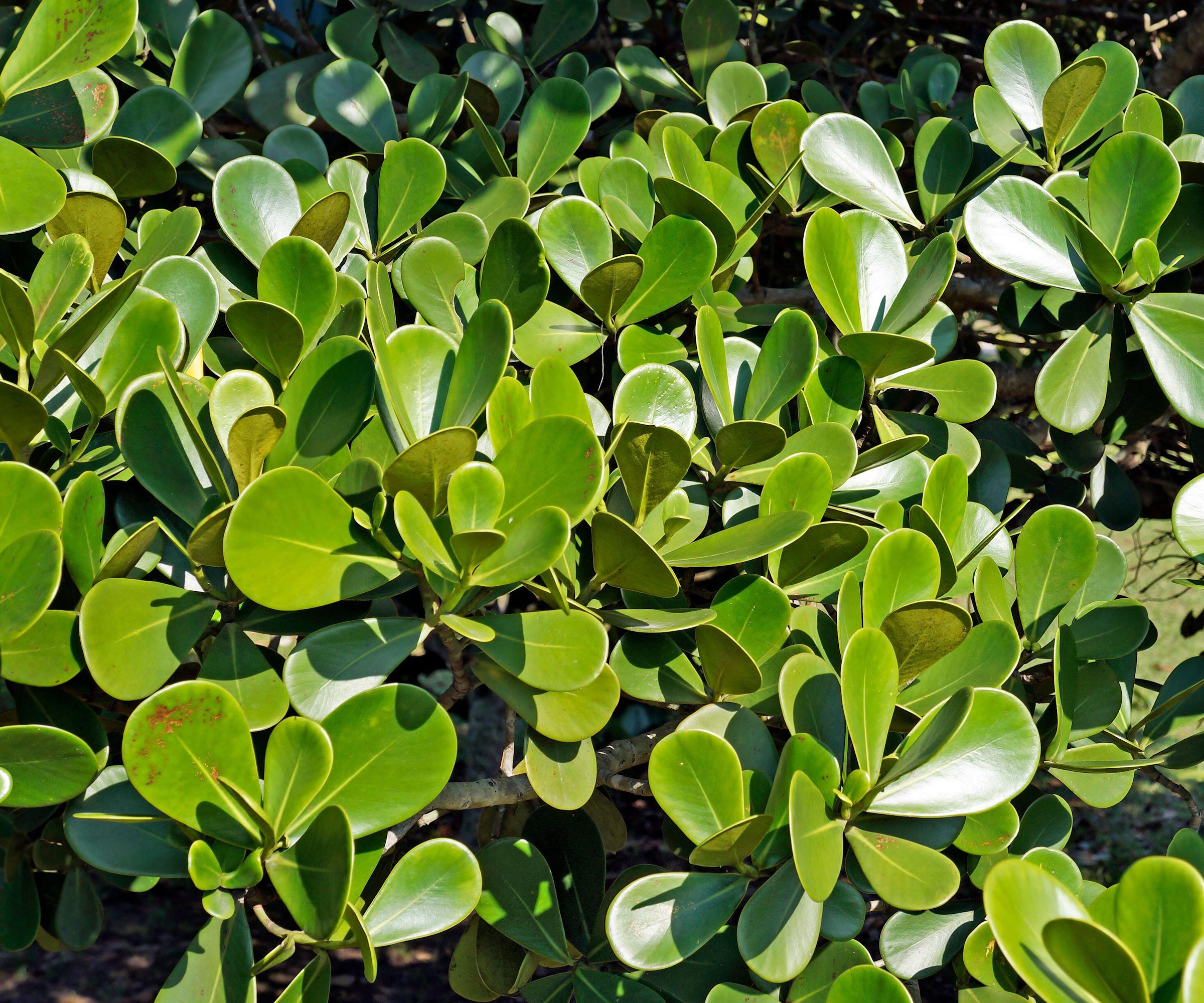
Why they work: Dense foliage; easy to sculpt; modern architectural presence.
For structural form, thick paddle-shaped leaves, and easy shaping, autograph plant is hard to beat for Andrew. He praises its versatility: ‘You could sculpt it into whatever shape you want… it’s a really manageable plant.’
While commonly used as a hedge in subtropical landscapes, its textural, glossy foliage also makes it a powerful statement plant on its own.
Fun fact: it’s called autograph plant because you can carve your name into its thick leaves and the scar will remain as your autograph.
Ideal growing conditions for autograph plant include full to dappled sun, well-draining soil and high humidity. It is somewhat drought-tolerant once established. USDA Zones 10-12.
Live autograph plants are available on Amazon.
Big, architectural plants are more than garden accents. As important as creating negative space within garden design, these plants define a style, create mood, and hold visual interest. Whether you lean toward the architectural geometry of agaves, the lush drama of tropical foliage, or the airy movement of ornamental grasses, bold foliage transforms a landscape into an experience.
As our experts suggest, a singular plant can rewrite the garden’s energy. Choose one, or several, and let your landscape make a statement.
Comments are closed.